2027 Homeland Security Salary Guide

Co-Founder and Chief Data Scientist
Facing uncertain career growth, many professionals eyeing advancement in homeland security confront conflicting data on earnings across federal, state, and private sectors. The challenge intensifies as 44% of adult learners now prioritize flexible scheduling options in online or hybrid programs, reducing barriers but complicating credential assessment by employers focused on practical experience.
Hiring managers increasingly scrutinize not only salary expectations but also program accreditation and relevance to evolving threat landscapes, making timing and educational investment pivotal. This guide breaks down current salary trends, sector variations, and credential impacts to equip readers with the knowledge needed for informed career and education planning in homeland security.
Key Things You Should Know
- Median entry-level salaries in 2026 hover near $52K annually, but roles requiring Top Secret clearance increase pay by 18%, creating stark wage stratification that influences credential timing decisions.
- Employers prioritize candidates with federal internships or cooperative programs, compelling prospective professionals to weigh costly unpaid experiences against accelerated access to higher-paying government agency roles.
- Rapidly evolving cybersecurity threats compress time-to-hire, pressuring education pathways to integrate specialized certifications within 12 months, often raising upfront costs for accelerated, targeted skill acquisition.
What does a homeland security career involve and where do professionals typically work?
Career roles in homeland security demand adaptability to diverse work environments ranging from urban airports and border crossings to cybersecurity operations centers. These settings dictate distinct operational priorities, such as physical passenger screening versus digital threat mitigation, which directly affects workforce roles and required skill sets.
Typical work environments for homeland security professionals involve multi-agency coordination across federal, state, and local levels, including DHS, TSA, CBP, and FEMA. Operational realities differ sharply; a TSA officer prioritizes passenger safety protocols, while a cybersecurity analyst at DHS focuses on network defense and threat analytics. This divergence influences training investments and advancement trajectories.
Compensation reflects these distinctions, with DHS median total pay at $155,375 annually, though salaries vary by position and location, with urban centers like Washington, D.C., offering higher pay but also heightened competition and cost of living pressures.
Recruitment challenges include rigorous background checks, security clearances, and specialized certifications, making credentials in counterterrorism, cybersecurity, or emergency management more valuable than generic degrees. Prospective candidates often face a tradeoff between broad academic programs and targeted credentials that align more directly with operational demands.
Those evaluating educational pathways will benefit from understanding how specific programs translate to practical workplace demands. For individuals considering education options, criminal justice associate programs online offer accessible entry points that may complement evolving homeland security career roles and workplace locations.
What is the average homeland security salary and pay range by job title?
Salary expectations in homeland security vary widely depending on job title and career progression, with federal data providing a critical salary benchmark. For example, the 75th percentile salary at the federal level is $105,839, indicating that seasoned professionals in specialized or senior roles typically earn more. This variance highlights the operational and strategic distinctions within the field.
Entry-level roles such as security officers and border patrol agents usually start between $40,000 and $60,000 annually, reflecting limited supervisory scope. Analysts and intelligence specialists, whose work demands higher technical skills and security clearances, earn between $60,000 and $90,000, with cybersecurity analysts in homeland security often starting near $70,000 and rising beyond $90,000 as expertise and certifications accrue.
Mid-tier positions like operations supervisors and program managers align with the federal 75th percentile, earning $90,000 to $115,000. Senior leadership roles-such as emergency management directors or intelligence division chiefs-frequently surpass $120,000 due to substantial strategic responsibilities and team oversight.
State and local homeland security salaries tend to lag behind federal pay but come with fewer demands for relocation and background scrutiny. Candidates evaluating this field should weigh these tradeoffs alongside the volatility of federal funding and shifting policy priorities, which can affect job stability and advancement potential. Specialized training investments, such as attaining a cyber security masters, can accelerate salary growth but are most valuable when paired with experience in higher-tier roles.
The homeland security average salary by job title in the United States reflects a spectrum influenced not only by role and institution but also by the practical balance between credentialing and operational realities in public safety.
Those navigating this path must consider the range of salaries for homeland security positions across key roles carefully to make informed career decisions.
How do education level and years of experience affect homeland security salaries?
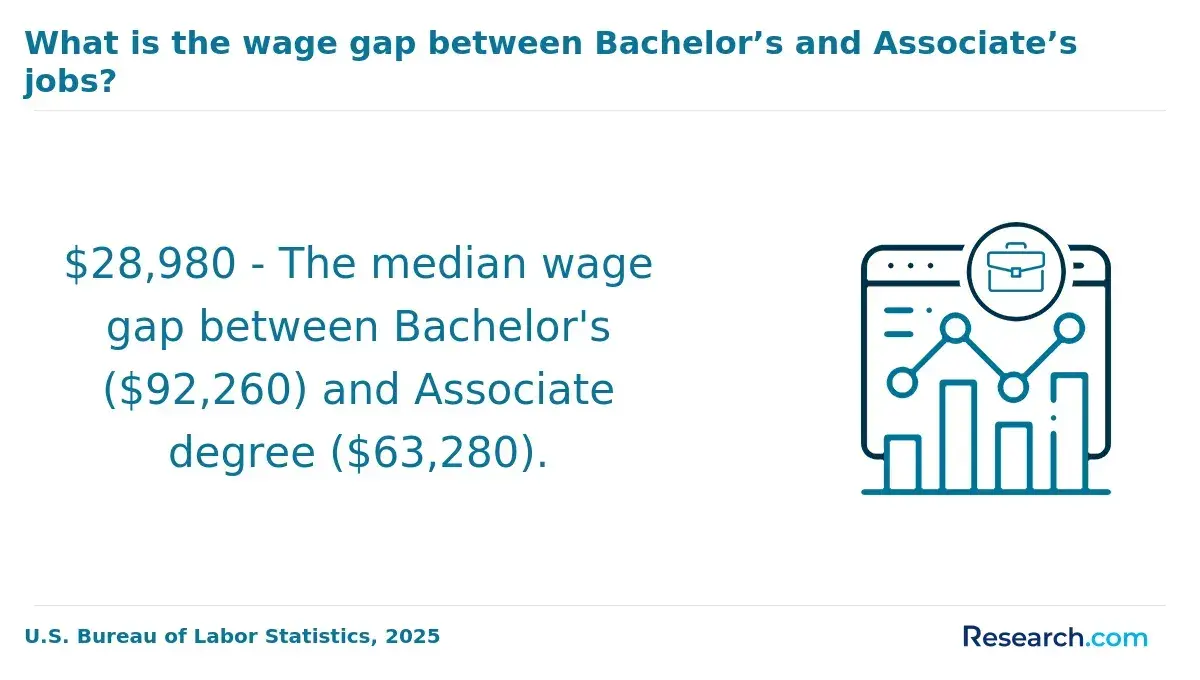
Salary growth in homeland security hinges fundamentally on education requirements for homeland security salaries and the interplay with practical experience. Entry-level professionals with a high school diploma or associate degree often earn between $50,000 and $70,000, a range near or below typical local government median wages.
In contrast, holding a bachelor's degree in homeland security, criminal justice, or related fields typically elevates starting salaries by about 20%, reaching $85,000 to $95,000. Employers favor candidates demonstrating analytical and technical competencies that shorten onboarding and training time.
The impact of experience on homeland security salary growth becomes pronounced at mid-career levels where sustained public sector service and supervisory responsibilities can push salaries into the $120,000-$130,000 range. However, without advanced degrees, salary progression often plateaus earlier, reflecting employer preferences for formal credentials in specialized, leadership-intensive roles.
Professionals holding master's degrees or certifications in cybersecurity or emergency management frequently command salaries exceeding $110,000, particularly with five to ten years of relevant experience.
For instance, a field intelligence analyst with a master's degree and seven years in the field may earn roughly 25% more than a peer with similar experience but only a bachelor's degree. Prospective candidates must weigh these educational investments against their career trajectory and role ambitions.
Choosing education paths aligned with targeted homeland security sectors and combining them with strategic experience accumulation offers the most efficient salary growth. Those facing barriers accessing traditional higher education, such as felons considering college degrees for felons, should evaluate pathways balancing credential value and workforce integration prospects.
What degrees and training programs best prepare you for homeland security roles?
Employers such as the Department of Homeland Security prioritize candidates with bachelor's degrees in criminal justice, emergency management, cybersecurity, or public administration because these programs emphasize applied law enforcement, disaster response, and security systems.
For example, cybersecurity roles increasingly demand hands-on skills in network defense and risk assessment, which align directly with the specialized training from top homeland security training programs in the United States. DHS annual salaries around $89,978 for these positions reinforce the premium placed on technical expertise combined with practical problem-solving.
Accelerated certificates linked to internships or government cooperative experiences can fast-track entry for professionals pivoting careers, yet these credentials often lack the depth required for policy or leadership roles that commonly require a full degree.
Interdisciplinary degrees blending technology, law enforcement, and policy tend to offer stronger returns for counterterrorism or border security careers by equipping students with adaptable, multifaceted skill sets.
Practical steps to navigate this field include:
- Prioritize degrees providing applied skills closely related to homeland security specialties.
- Engage in targeted federal or state courses to certify operational readiness.
- Pursue internships or cooperative education opportunities tied to government agencies or security organizations.
- Assess whether specialized certificates or comprehensive degrees better serve your long-term career objectives.
For those evaluating educational costs and durations, considering an MS in digital marketing degree cost tuition fees analysis can provide insight into balancing expense with practical return on investment in high-demand, applied disciplines.
Are homeland security programs available online, and how do they compare to campus options?
Choosing between online and campus-based homeland security programs hinges on balancing flexibility against hands-on experience. Online options offer crucial adaptability for working professionals managing job and life demands but typically lack direct access to labs, tactical simulations, or in-person networking essential for skill development in areas like cybersecurity or emergency response.
Campus programs embed students within immersive environments and local agency networks, improving access to supervised internships, live exercises, and face-to-face mentoring.
For instance, metropolitan students often benefit from tactical training unavailable to online learners, who must independently secure remote practicum opportunities-a process that can delay skill acquisition crucial for competing in a job market where salaries average $95,100 annually according to ZipRecruiter.
Employers evaluating candidates for homeland security roles, especially those involving security clearances or operational duties, scrutinize educational formats for reputational and experiential rigor. Candidates from programs blending online coursework with scheduled in-person training may better align with practical expectations.
Prospective students should weigh their current professional commitments and the necessity of experiential learning to make informed choices in this field. Reliable evaluations consider accreditation, practicum availability, and industry integration when selecting programs.
How can you verify that a homeland security degree program is properly accredited?
Choosing a homeland security degree without verifying accredited recognition risks professional dead ends, especially where federal employment or security clearances are essential.
Accreditation by bodies recognized by the U.S. Department of Education or CHEA-such as regional accreditors like the Middle States Commission or Southern Association-ensures that a program meets essential academic standards. This recognition affects credibility, hiring eligibility, and clearance feasibility.
Programs designated as Centers of Academic Excellence (CAE) by the NSA or Department of Homeland Security add a significant advantage, particularly for roles in cybersecurity or intelligence. For instance, a cybersecurity analyst targeting DHS positions must prioritize CAE-certified programs to pass clearance requirements and be competitive; otherwise, candidates might be filtered out regardless of skills.
The burden is on students to:
- Confirm regional or national accreditation via official government or CHEA websites.
- Check CAE status through DHS or NSA listings.
- Scrutinize employer degree preferences tied to security clearances.
- Steer clear of accreditations from narrow trade bodies that lack widespread acceptance.
Without rigorously vetted accreditation, graduates risk diminished employability and exclusion from high-compensation roles where educational credibility is non-negotiable-as evidenced by software engineers at DHS earning upwards of $214,720 annually per Levels.fyi data. Accreditation remains the most reliable signal of educational quality amidst field-specific certifications.
What admission requirements and prerequisites do homeland security bachelor's and master's programs have?
Admission to bachelor's programs in homeland security often hinges on a minimum GPA, typically around 2.5, alongside a high school diploma or GED. Some programs require SAT or ACT scores, though waivers are common for candidates with relevant military or academic backgrounds.
Security clearances and background checks can delay or disqualify applicants, making early transparency regarding past legal or security issues a practical necessity. Volunteer or work experience in law enforcement or emergency management enhances candidacy but is rarely a baseline requirement.
Master's programs take a more focused approach, demanding a bachelor's degree-usually in criminal justice, political science, or emergency management-with a GPA near 3.0 or higher in competitive programs.
Applicants must often submit recommendations and a statement of purpose showing alignment with homeland security career paths. Relevant professional experience may reduce or eliminate GRE testing requirements. These prerequisites mirror employer expectations for candidates who can handle analytical demands and secure necessary clearances.
For fields like intelligence research, where the median salary can reach $146,481 annually, the distinction between bachelor's and master's credentials significantly influences job prospects and clearance eligibility. Early preparation for security screenings, coupled with relevant academic and professional credentials, directly affects the timeline for workforce entry and career trajectory in homeland security.
What core courses and skill areas are covered in homeland security degree curricula?
The core of homeland security education centers on equipping candidates with actionable skills in threat assessment, emergency management, intelligence integration, and cybersecurity. Practical competence rather than theoretical knowledge determines employer interest, particularly in roles requiring rapid, informed decisions during crises.
For example, Border Patrol agents combining enforcement tactics with legal and policy knowledge can substantially increase their income through overtime, as noted by HomelandSecurityEdu, where additional earnings range from $24,000-$38,000 annually.
Curricula extend beyond foundational topics to include biometric technologies, infrastructure protection, and GIS analysis, supporting responsibilities that span from border enforcement to disaster response. Graduates must navigate complex multi-agency environments and shifting regulatory frameworks while leading operational teams and communicating risks effectively.
Essential skill areas include:
- Real-time threat evaluation, such as identifying cyberattacks on public utilities.
- Leadership and coordination across federal, state, and local agencies.
- Data analytics and cybersecurity frameworks for proactive defense.
This blend of policy comprehension, technical analysis, and leadership under pressure reflects employer expectations that prioritize candidates capable of integrating intelligence with tactical action. Consequently, the degree's value is closely tied to one's adaptability to evolving threats and operational realities encountered in public safety roles.
What is the job outlook for homeland security professionals and related fields?
Hiring in homeland security reflects a complex balance between rapid sector growth and significant entry barriers. While employment in protective service roles is projected to increase 9% through 2032, candidates without established security clearances or practical experience often face extended delays before gaining access to higher-paying positions.
Mid-level jobs demand hybrid technical and analytical skills alongside targeted certifications, emphasizing that credential accumulation alone is insufficient without verified fieldwork.
Financially, compensation varies widely by role and sector. Senior DHS positions can exceed $320,000 annually, representing top-tier rewards that require navigating arduous federal vetting and hiring processes.
Conversely, private security or entry-level emergency management roles provide critical experience but typically offer below-average starting salaries, shaping initial career decisions.
- Cybersecurity specialists in critical infrastructure sectors must commit to continuous education on emerging threats and compliance, a non-negotiable for salary growth.
- Federal agency roles offer long-term stability and high ceilings but involve protracted background investigations and slower onboarding.
- Local and state roles prioritize operational coordination skills and ease of entry but generally feature moderate pay and limited upward mobility.
For students and professionals pursuing homeland security, aligning educational investments with these sector-specific realities is essential to manage opportunity costs and optimize long-term employment outcomes.
Which certifications or clearances can boost homeland security salary and career advancement?
Security clearances are a critical gatekeeper in homeland security careers, fundamentally shaping salary levels and job accessibility. Positions requiring Top Secret or TS/SCI clearances typically command compensation in the upper salary range within agencies such as the Department of Homeland Security, where pay spans from roughly $41,790 to $214,720. This wide range reflects how possession of clearances correlates with access to senior or specialized roles.
Certifications augment these opportunities but introduce their own considerations. For mid-level roles, credentials like Certified Protection Professional (CPP) can raise salary offers by 10-20%. Cybersecurity certifications including CISSP and CISM address an evolving threat landscape and pave pathways toward protecting critical infrastructure, a strategic priority across government sectors.
For instance, a border protection officer holding a CPP certification often commands higher pay than peers due to demonstrated leadership and risk management expertise. However, candidates must factor in the lengthy clearance process-often 6 to 12 months-and the continuing education demands to maintain certification status every few years.
Aligning certifications and clearance eligibility with specific agency demands improves job security and advancement prospects amid shifting government budgets. Evaluating this interplay is essential when planning a strategic career pivot or advancement in the homeland security field.
Other Things You Should Know About Homeland Security
Salaries in Homeland Security vary by role and experience. In 2027, entry-level positions start around $50,000 annually, while specialized roles such as cybersecurity might offer around $100,000. Senior positions, including management, can earn upwards of $150,000, reflecting the level of responsibility and expertise required.
Security clearances are essential for many homeland security positions and significantly expand eligible job opportunities. However, the clearance process is lengthy and requires a clean background, which can delay employment. Candidates should prioritize programs or employers with clear support for obtaining clearances to avoid career interruptions. Holding an active clearance can accelerate salary growth by qualifying professionals for higher-level, sensitive positions unavailable to those without clearance.
Specializations in cybersecurity and intelligence analysis currently provide a stronger balance of stable employment and upward salary potential due to high demand and evolving threats. Fields like emergency management, while critical, often face budget constraints limiting salary growth. Candidates must weigh immediate job availability against long-term income prospects and may benefit from combining technical certifications with a homeland security degree to optimize this balance.
Part-time programs offer flexibility for working professionals but typically extend the time to completion, potentially delaying career advancement. Full-time programs provide more concentrated learning and faster credentialing, which can lead to earlier salary increases or promotions. The recommendation is to choose full-time study if the financial situation allows, as quicker entry into advanced roles improves return on educational investment; otherwise, part-time study demands disciplined time management to maintain work performance and educational progress.
References
- Online Homeland Security Degrees: Explore Top Programs https://www.degreesforgood.org/online-degrees/homeland-security-programs/
- Homeland Security Career And Salary Information https://www.criminaljusticedegreeschools.com/careers/homeland-security/
- Homeland Security Requirements (Degrees, Jobs & Salary) https://www.allcriminaljusticeschools.com/federal-law-enforcement/homeland-security/
- Government IT Careers: Clearances, Certifications, and Salaries - OpsTicket Blog https://tryopsticket.com/blog/government-it-careers-clearances-certifications-salaries/
- Online Bachelor's Degree: Homeland Security https://www.umgc.edu/online-degrees/bachelors/homeland-security
- Your Guide to Homeland Security Certification - ARES Security https://aressecuritycorp.com/2025/01/30/homeland-security-certification/
- Top Online Master’s Degree Programs in Homeland Security for 2025 https://www.onlinemastersdegrees.org/best-programs/homeland-security/