2027 Homeland Security Career Paths With the Strongest Salary Growth

Co-Founder and Chief Data Scientist
Facing rising threats and evolving national security demands, professionals in homeland security confront a dual challenge: selecting career paths that not only match urgent skill shortages but also deliver substantial salary growth. The Bureau of Labor Statistics projects a 15% employment increase for security analysts over the next decade, yet many potential entrants hesitate due to fragmented program offerings and variable credential recognition.
Additionally, recent studies by the National Center for Education Statistics reveal a 40% surge in adult learners pursuing flexible, online credentials, indicating a shift toward modalities that accommodate working professionals' complex schedules without sacrificing advancement potential. Navigating these dynamics requires strategic choices aligned with real job market trajectories.
This article identifies homeland security career paths exhibiting the strongest salary growth trends and evaluates educational strategies that best support timely, career-enhancing pivots amid shifting workforce and educational landscapes.
Key Things You Should Know
- Data from the U.S. Bureau of Labor Statistics shows cybersecurity analyst roles in homeland security growing 35% by 2030, but require specialized certification beyond a bachelor's, delaying salary gains by 2-3 years.
- Federal agencies prioritize candidates with advanced degrees and operational experience, intensifying competition and raising employer expectations that extend hiring lead times, disadvantaging entry-level professionals.
- Accelerated master's programs reduce time-to-hire by 12 months on average but often double direct educational costs compared to traditional routes, forcing candidates to weigh upfront investment versus faster salary progression.
Which homeland security career paths offer the strongest salary growth over time?
Salary growth in homeland security career paths with highest salary growth in the united states sharply favors cybersecurity specialists and intelligence analysts. These roles respond directly to the evolving threat landscape and increased federal allocations.
By June 2026, homeland security professionals earned an average of $95,100 annually, with top-tier cybersecurity experts surpassing $152,000. Practical experience paired with certifications like CISSP or CISM typically drives salaries beyond $120,000 within seven years, reflecting employer demand for specialized technical skills.
Intelligence analysts focusing on counterterrorism and risk assessment see similar wage acceleration, supported by skills in data analytics, languages, and interagency coordination.
Gaining advanced degrees and maintaining security clearances frequently enable entry into agencies such as the FBI or the Department of Homeland Security, where pay scales grow robustly above $130,000 in senior roles. This dynamic underscores the importance of targeted expertise in top homeland security jobs offering strong long-term salary increases rather than generalist experience.
Conversely, border security and emergency management officers typically encounter slower salary progression due to narrower technical requirements and limited promotion pathways.
A clear tradeoff exists between investing in multi-year credentialing and clearance processes versus accepting slower earnings growth. For those pivoting into this field, prioritizing cyber operations or intelligence analysis-along with technical certification and security clearance maintenance-can unlock the most substantial financial returns.
Those considering education should note the practical value of a criminal justice online degree as a foundational step, providing flexibility without sacrificing relevance to strategic homeland security career trajectories.
What degrees or training do you need for high-paying homeland security roles?
High-paying homeland security roles rarely hinge solely on academic credentials; they demand a strategic blend of targeted degrees, certifications, and hands-on experience. A bachelor's degree in criminal justice, cybersecurity, emergency management, or homeland security commonly serves as the minimum entry point for federal law enforcement and intelligence positions.
However, candidates lacking internships or practical federal agency experience often face significant hiring barriers despite holding relevant degrees. The U.S. Bureau of Labor Statistics reports that median salaries for federal law enforcement officers sit at $76,290, with top earners exceeding $115,000, illustrating how educational investments affect income potential.
For specialized roles like cybersecurity analysts within DHS, advancing beyond a bachelor's often requires graduate studies in computer science or data analytics combined with certifications such as CISSP or CEH. Employers prioritize candidates who navigate evolving threat environments through continuous training. Practically, those pursuing advanced degrees without complementary operational skills or security clearances may find their competitiveness limited.
Employers also value demonstrated incident response experience highly. Transitioning professionals should weigh these tradeoffs carefully, balancing academic rigor with essential applied skills and procedures. Federal hiring protocols add layers including citizenship and security clearance prerequisites.
Staying current often means supplementing degrees with short courses; those exploring cyber security courses gain adaptability crucial for evolving homeland security threats and salary growth.
Understanding these essential training programs for homeland security salary growth and identifying the best degrees for high-paying homeland security careers equips candidates to navigate a complex hiring landscape more effectively.
How much do top homeland security jobs pay and what affects salary growth?
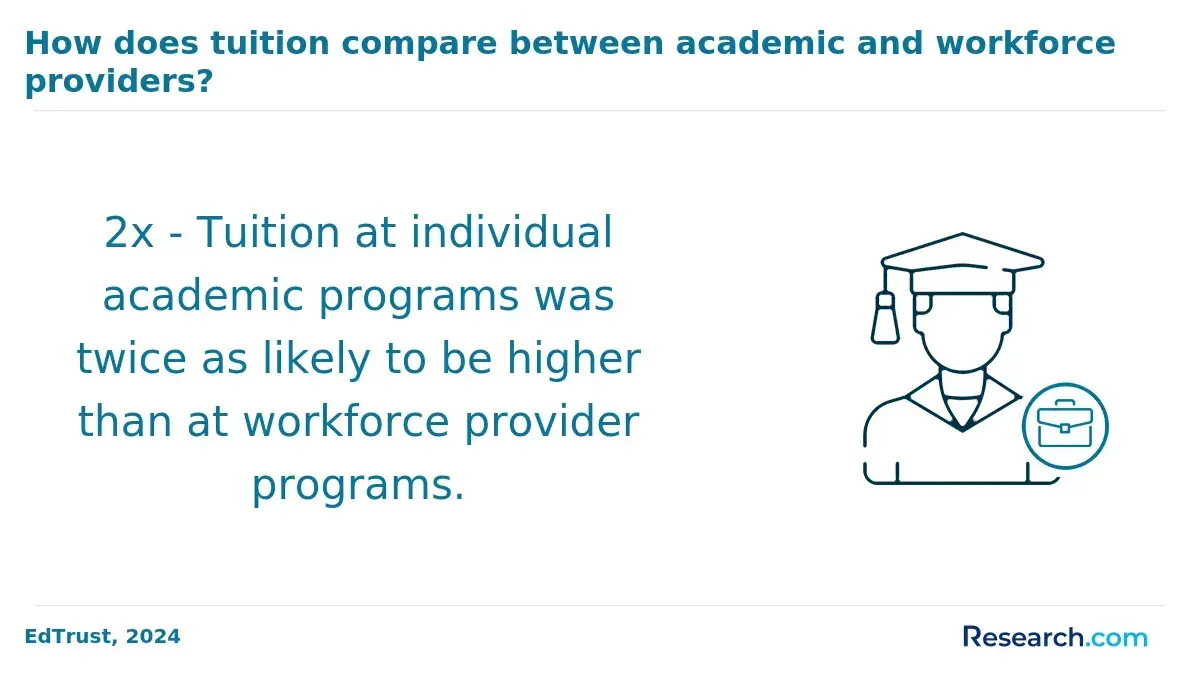
Salary trajectories in homeland security roles depend heavily on specialized skills, security clearances, and practical experience rather than entry-level credentials alone. Early-career salaries start around $35,885 but can reach $90,468 within five years when candidates develop job-specific expertise, such as cybersecurity or emergency management.
For instance, a cybersecurity analyst holding a Department of Defense clearance benefits from accelerated wage growth due to high demand and limited qualified personnel, contrasting with border security officers who lack specialization and face slower salary progression. These dynamics highlight the importance of aligning education with emergent sector needs and clearance eligibility to maximize earning potential.
Employers, especially federal and state agencies, prioritize verified clearances and operational experience over theoretical knowledge, influencing compensation and advancement opportunities. Candidates who proactively pursue ongoing certifications, advanced degrees, or cross-disciplinary exposure in intelligence or critical infrastructure protection open faster pathways to higher pay.
However, practical tradeoffs include lengthier clearance processes delaying job start times and the difference in pay structures between public and private sectors-where the latter may offer higher starting salaries but less stability and benefits.
Real-world hiring increasingly favors hands-on skills demonstrated through internships, live exercises, and operational training. This emphasis means that students and career changers must strategically evaluate educational options.
Those exploring advanced degrees should consider fields like the jobs with a masters in forensic psychology, which can complement homeland security job salaries and factors influencing growth by bridging behavioral analysis and security operations.
Top-paying homeland security careers and salary trends in the United States reflect this interplay of clearance status, specialization, and proven operational capacity as decisive factors for long-term wage growth.
What is the job outlook for homeland security careers in the United States?
The job market trends for homeland security professionals in the U.S. reveal that technical specialization, particularly in cybersecurity, drives the most substantial salary gains and hiring activity.
Starting salaries in federal roles, such as those in the Department of Homeland Security Cybersecurity Service, range broadly from $154,600 to $196,500 for senior professionals, with executive roles going up to $239,500. These figures spotlight a clear premium on advanced skills and certifications.
Without formal technical credentials or hands-on experience in managing cyber threats or multi-agency operations, career progression slows and salary increases become limited.
This dynamic creates a barrier for career changers who must balance ongoing training with full-time employment while navigating strict federal clearance requirements and geographical constraints, as Washington D.C. and other urban centers offer higher wages but require thorough background checks.
Practical considerations for those pursuing homeland security career growth in the United States include choosing programs focused on cybersecurity, critical infrastructure protection, or data analytics. Generalist tracks often provide entry-level access but tend to lag behind in compensation growth.
Understanding the tradeoff between government roles-which provide stability but capped salaries-and private sector jobs that pay initially higher but carry layoff risks is crucial for strategic planning.
For professionals weighing educational options, exploring Spanish degrees online may offer a model for affordable, flexible credential acquisition that complements homeland security career pivots.
Which homeland security specializations are in highest demand by employers?
Employers prioritize cybersecurity specialists, intelligence analysts, and IT professionals as the linchpins of homeland security operations in 2026, revealing significant variations in required expertise and operational context.
Cybersecurity roles demand mastery over advanced persistent threats and zero-day vulnerabilities, with expectations extending beyond basic network defense to encompass threat hunting, incident response, and security architecture tailored to both federal and private sector environments.
Intelligence analysts must rapidly integrate multisource and open-source intelligence to develop strategies for counterterrorism and border security, highlighting a premium on analytical agility over mere data collection.
The role of IT specialists, earning a median salary near $105,259 annually, illustrates the importance of bridging cybersecurity functions with systems integration, network administration, and database management. This cross-functional capability is often undervalued in entry-level training but critical for operational success.
Practical tradeoffs include navigating federal clearance requirements and adapting to compliance evolution, while real-world deployments differ-private sector professionals emphasize cloud security frameworks, whereas government roles demand fluency in classified protocols and legacy interoperability.
Employers increasingly seek multidisciplinary candidates combining technical prowess with policy insight, especially for positions interacting with intelligence and law enforcement communities. Educational pathways that incorporate hands-on cyber labs, threat simulations, and government internships better prepare individuals for the layered complexities of homeland security careers.
How do online homeland security degree programs compare to campus-based options?
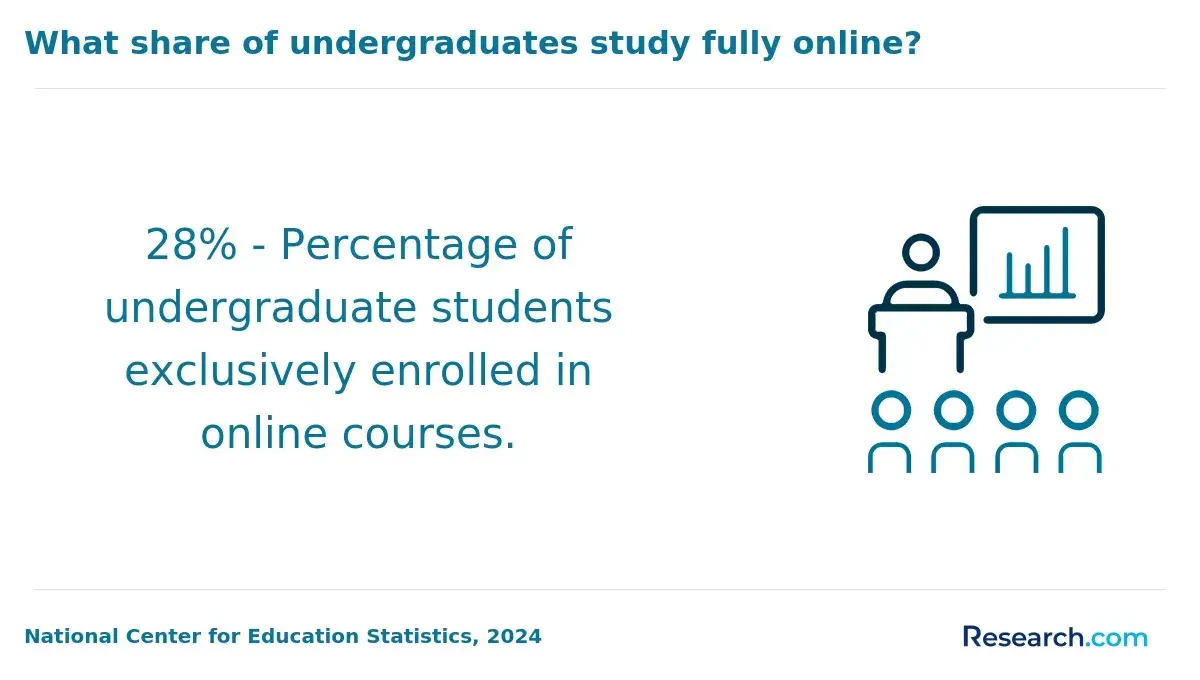
Online homeland security degree programs offer unmatched scheduling flexibility but fall short in delivering the practical skills and network connections necessary for competitive roles averaging $155,375 at the Department of Homeland Security.
For example, a software engineer role earning up to $214,720 annually demands hands-on experience with labs and simulations typically accessible only through campus-based education. Employers prioritize candidates with demonstrable technical proficiency and collaborative work rooted in in-person environments.
Working professionals balancing job and family obligations can benefit from online options, as these programs facilitate continuous learning without relocation. However, the lack of immersive training and face-to-face internships restricts immediate readiness for complex threat analysis or emergency coordination roles, often requiring supplemental field experience post-graduation-potentially slowing career trajectory.
Campus programs generally provide structured settings with embedded agency partnerships, essential for securing internships and clearance-ready positions. This advantage is particularly important for career changers lacking prior homeland security experience, as these networks often lead to higher salary brackets aligned with government pay scales.
Prospective students should weigh accreditation rigor, practicum opportunities, and employer collaborations more heavily than delivery format alone. Integrating hybrid or on-campus experiences remains critical for acquiring both theoretical knowledge and the hands-on competencies that hiring managers in homeland security fields demand.
What accreditation should homeland security programs have to support career advancement?
Accreditation in homeland security programs significantly affects employability and advancement, especially within federal agencies. Employers prioritize candidates from institutions accredited by regional agencies recognized by the U.S. Department of Education or CHEA, ensuring verified academic rigor.
Programs properly aligned with the National Center for Education Statistics' Classification of Instructional Programs (CIP) codes provide clearer qualification pathways for specialized federal roles, where degree legitimacy is rigorously scrutinized.
Beyond accreditation, practical certifications such as the Certified Homeland Protection Professional (CHPP) or those endorsed by the Department of Homeland Security (DHS) weigh heavily in hiring and salary decisions.
For instance, a professional transitioning from law enforcement to homeland security benefits most by pursuing a program integrating DHS-recognized credentials, as it ties academic learning directly to operational competencies valued in threats management and cybersecurity.
Median salaries for graduates in homeland security typically exceed $51,000 annually, reflecting market demand for credentialed expertise. However, candidates from non-accredited or misaligned programs frequently encounter delays or barriers securing federal positions, illustrating the cost of bypassing recognized standards.
Working professionals should therefore weigh the tradeoff between program affordability and the practical implications of accreditation and certification for long-term career mobility.
What coursework and skills are included in homeland security degree curricula?
Homeland security degree programs demand a blend of technical expertise and policy knowledge that directly influences employability and career progression in federal roles.
Graduates who master actionable intelligence analysis and cybersecurity principles can navigate the hiring complexities common in government agencies, where positions like intelligence research specialists command average salaries around $146,481 annually according to ZipRecruiter data.
However, students must weigh the significant time investment-typically 120-150 credit hours including internships with agencies such as FEMA or the FBI-against the necessity of obtaining additional certifications to clear security and IT proficiency hurdles.
Practically oriented curricula emphasize skills essential for operational roles:
- Threat assessment methodologies targeting vulnerabilities in sectors like energy, transport, and public health.
- Fundamental cybersecurity defense strategies protecting classified government data.
- Emergency response planning tailored for high-pressure disaster coordination.
- Comprehensive understanding of legal frameworks governing interagency and civil liberties issues.
- Techniques for effective interagency collaboration within governmental entities including TSA and FEMA.
These demands create a bottleneck where insufficient practical training limits advancement, while applied intelligence and cybersecurity focus align more tightly with employer expectations.
Decision-makers evaluating programs should consider whether curricula integrate hands-on projects and real-world data analytics, as this approach correlates with smoother transitions to federally funded jobs and sustained income growth.
How long do homeland security programs take, and what do they typically cost?
Choosing an educational pathway in homeland security requires balancing credential level, time investment, and workforce demand. Entry-level roles often accept associate degrees completed in about two years, which suit technicians or support staff but limit rapid career growth in intelligence or policy domains.
Bachelor's degrees, requiring three to four years, remain the most common expectation for federal and state analytic positions, reflecting employer preferences for candidates with broader interdisciplinary exposure and internship experience.
Certificate programs and professional courses typically last six to twelve months and appeal to mid-career professionals seeking targeted skills without full-degree commitments. These are particularly useful for those pivoting from law enforcement to specialized areas like cybersecurity, minimizing downtime and tuition expense.
Graduate programs, usually pursued part-time over 1.5 to 2.5 years by experienced workers, provide advanced specialization but represent a significant time and financial commitment that should align with clear career objectives, such as leadership roles or niche expertise in counterterrorism or risk assessment.
Cost considerations vary widely. Public institutions charge between $6,000 and $15,000 annually for in-state students, with private schools often exceeding $20,000 per year. Employer tuition reimbursement is a critical factor to assess, especially when programs support security clearances or operational training.
How can prospective students choose a reputable homeland security school or program?
Choosing programs accredited by recognized bodies such as the Department of Homeland Security's Center of Excellence or regional education commissions directly affects employment outcomes in homeland security fields.
For example, DHS IT specialists command median salaries near $75,767, reflecting market demand for technical expertise documented in research.com's 2024 analysis. This salary premium shows that program rigor and employer connections significantly influence return on investment.
Students must assess programs based on tangible outcomes like graduation rates and job placements, especially those with employer partnerships granting access to internships or practical experience. A cybersecurity curriculum integrated with a metropolitan police cyber unit, for instance, offers real-world skills that improve job readiness beyond theoretical knowledge, increasing negotiating leverage during hiring.
Format and cost considerations also matter: fully online programs provide flexibility but often lack hands-on training critical to disciplines such as emergency management. Campus-based options with simulation labs or FEMA collaboration fill this gap but demand onsite attendance. Balancing affordability with access to experiential learning is essential to avoid credentials that fail to meet evolving technical needs.
Finally, verify faculty credentials; instructors actively involved in homeland security operations ensure current, relevant curriculum. Programs with formal pathways to advanced certifications tend to accelerate career progression and higher income within DHS-related roles.
Other Things You Should Know About Homeland Security
Many homeland security positions involve irregular hours, on-call duties, and deployment to high-pressure scenarios, which can lead to significant stress and disrupt personal time. Candidates must realistically assess their tolerance for unpredictable schedules and high-stakes environments. Prioritizing roles in analysis or policy development over frontline operational jobs can improve work-life balance, but will typically require different skill sets and may influence long-term salary growth.
Technical roles in homeland security often require continuous upskilling in rapidly evolving technologies and may focus on specialized tasks like cybersecurity or intelligence analysis. Managerial tracks demand leadership experience and broader strategic insight, shifting away from hands-on work but often offering higher salaries and decision-making authority. Prospective professionals should weigh their interest in maintaining technical expertise against the potential stress and administrative burdens that come with management.
Programs with established ties to federal, state, or local agencies provide clearer pathways to internships, security clearances, and employment, which are critical for career entry and advancement. Prioritizing these programs reduces the time and uncertainty in securing relevant experience and meeting employer expectations. For those targeting roles that require clearance or operational knowledge, these connections outweigh ranking or cost factors when choosing where to study.
References
- Choosing a bachelor's in homeland security | edX https://www.edx.org/resources/how-to-choose-a-bachelors-in-homeland-security
- What Is a Homeland Security Degree? https://www.trident.edu/articles/what-is-a-homeland-security-degree/
- Costs of Homeland Security https://www.resdal.org/Archivo/usa-home-cost.htm
- Types of Homeland Security Degrees | Compare Schools https://www.criminaljusticeprograms.com/specialty/homeland-security-degrees/
- Homeland Security Career And Salary Information https://www.criminaljusticedegreeschools.com/careers/homeland-security/
- Homeland Security Requirements (Degrees, Jobs & Salary) https://www.allcriminaljusticeschools.com/federal-law-enforcement/homeland-security/
- Online Homeland Security Degrees: Explore Top Programs https://www.degreesforgood.org/online-degrees/homeland-security-programs/
- Online Bachelor's Degree: Homeland Security https://www.umgc.edu/online-degrees/bachelors/homeland-security
- Differences Between a Criminal Justice and Homeland Security Degree https://www.nec.edu/news/criminal-justice-vs-homeland-security-degree