2027 Security and Public Safety Careers That Are Growing Fast

Co-Founder and Chief Data Scientist
An intelligence analyst managing real-time threats faces a relentless challenge: adapting rapidly to emerging technologies and tactics while navigating tight operational timelines and shifting policy requirements. With a 28% increase in enrollment for online security programs reported by the National Center for Education Statistics, many learners choose flexible digital pathways that allow them to maintain current roles while reskilling or advancing.
This shift reveals how career mobility depends increasingly on adaptable education models that balance rigorous training with practical accessibility. This article identifies the fastest-growing security and public safety careers and examines how educational options can best support timely, effective workforce entry and progression.
Key Things You Should Know
- Federal data shows cybersecurity analyst roles within homeland security are growing 8% annually, but employer preference for candidates with 5+ years experience creates a barrier for accelerated entry programs.
- Public agencies increasingly require interdisciplinary skills including data analytics and emergency management, raising credential complexity and demanding broader training than traditional law enforcement certifications provide.
- Median pay gains of 15% for advanced homeland security roles pressure candidates to invest 18-24 months in specialized certifications, disadvantaging those balancing workforce reentry and financial constraints.
What security and public safety careers are growing fastest in homeland security today?
Protective service occupations dominate projected openings in homeland security careers, with 423,600 annual job opportunities from 2024 to 2034 despite slower overall employment growth. This uneven expansion reflects targeted demand for roles such as cybersecurity analysts, emergency management directors, and transportation security officers. Cybersecurity analysts are particularly critical in defending federal and state systems from cyberattacks, requiring advanced technical skills aligned with dynamic regulatory environments. Such positions illustrate the complexity of security analyst jobs in homeland security, where continuous technical training and regulatory knowledge intersect.
Emergency management directors must integrate practical interagency coordination experience to design response plans for natural disasters and terrorism-related events. Meanwhile, transportation security officers remain frontline protectors of airports and ports, demanding rigorous certification and background vetting. These roles highlight common employer preferences for candidates with operational expertise and security clearances, often limiting entry for those without government or military backgrounds.
The educational path often entails a strategic decision between accelerated certification programs and comprehensive degree tracks that balance upfront cost, duration, and long-term career mobility. Geographic job clustering near federal hubs also influences relocation and lifestyle choices. Those evaluating a career pivot or advancement should weigh these tradeoffs carefully, considering sources like a criminal justice online degree for flexible, cost-conscious options aligned with top public safety careers in homeland security.
What degree levels and majors prepare you for homeland security and public safety roles?
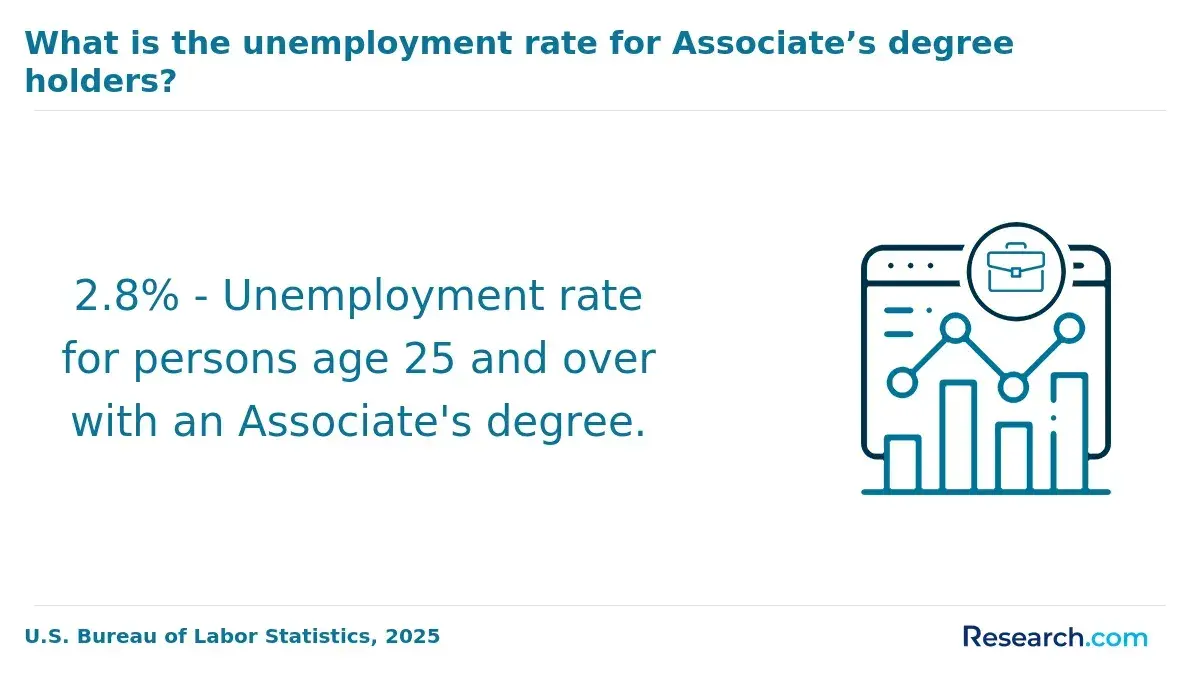
Choosing between broad criminal justice programs and specialized technical degrees in public safety significantly affects career trajectories in homeland security fields. Bachelor's degrees in criminal justice, homeland security, cybersecurity, or emergency management equip candidates for a wide range of roles by combining law enforcement fundamentals with threat assessment and incident response. Many employers prefer degrees that include technology and intelligence analysis, especially as operations become more digitized. Entry-level roles in corrections and security often require only associate degrees, yet the Bureau of Labor Statistics projects over 350,000 openings annually due to replacement demand, emphasizing stable job availability within these fields.
Majors in information technology or computer science can provide a pathway to specialized roles focused on protecting critical infrastructure and addressing cyber threats. However, candidates must integrate their technical skills with knowledge of legal frameworks and crisis management to align with employer expectations in public safety majors and degree requirements.
Advanced degrees, such as a master's in public administration with a homeland security focus, are valued for leadership and policy-making positions, emphasizing interagency coordination and terrorism studies. Candidates lacking formal degrees face hurdles since most state and federal agencies mandate postsecondary credentials, limiting substitute effects of certifications and experience.
Pragmatic decisions about educational pathways should consider whether to pursue comprehensive criminal justice exposure or targeted technical training, which influences employability and salary. Those seeking accelerated options may evaluate a cyber security fast track program as an alternative amid intensifying workforce demands for both generalist and specialist roles in homeland security careers.
How do salaries and promotion prospects compare across homeland security career tracks?
Salary comparison among homeland security career paths reveals significant disparities driven by specialization and location. Cybersecurity roles distinctly lead with starting salaries in metropolitan areas near $75,000, advancing to over $130,000 mid-career due to acute market demand. Conversely, entry-level federal homeland security officers typically start between $45,000 and $55,000, rising more slowly to roughly $85,000 to $100,000. This wage gap reflects broader operational and demand factors within agencies.
Promotion opportunities in homeland security professions show varied trajectories. Enforcement roles, including Border Patrol and TSA agents, depend heavily on tenure, performance reviews, and mandated training, resulting in slower, more regimented advancement. Intelligence analysts and cybersecurity professionals often move faster, using certifications and technical expertise to secure role enhancements and leadership roles within 3-5 years, frequently earning 20-30% salary bumps in the process. For example, a cybersecurity analyst in a large city can accelerate to senior threat intelligence positions well before their rural federal enforcement counterparts see comparable rank-based raises.
Employers now expect hybrid skill sets, prompting mid-career workers to pursue advanced degrees or certifications. Those considering pivots or growth in homeland security may assess options like online paralegal programs for complementary expertise that broadens operational capabilities. Navigating the tradeoff between immediate earnings potential and structured long-term pension benefits remains critical.
What education, skills, and background do you need to start a homeland security career?
A viable pathway into homeland security requires more than a relevant degree; it demands aligning specialized education with employer expectations for practical skills and clearances. While a bachelor's in criminal justice, emergency management, cybersecurity, or political science serves as the baseline for analyst or officer roles, truly competitive candidates must integrate certifications such as CISSP or CompTIA Security+ when pursuing cybersecurity tracks. This mix reflects the evolving nature of homeland security education and training requirements United States employers prioritize.
Experience in military or law enforcement roles continues to fast-track entry and advancement because it provides operational insight and security clearances that many applicants lack. For those without this background, internships or co-op programs with public safety agencies prove critical for developing applied skills and gaining a foothold. Practical training in incident response, risk frameworks like NIST, and inter-agency coordination remain key to proving readiness for complex roles.
Prioritizing physical fitness and maintaining a clean legal record are non-negotiable for operational positions. Recent labor data confirms a 12% salary increase for security officers since 2022, driven by demand for candidates with validated skills and adaptive knowledge on emerging threats. However, basic certifications alone no longer suffice without ongoing development.
To build relevant credentials efficiently, candidates should:
- Obtain a relevant bachelor's or associate degree aligned with homeland security competencies.
- Earn certifications like CISSP or CompTIA Security+ if pursuing cybersecurity tracks.
- Secure internships or field experience with public safety agencies to develop applied skills.
- Maintain physical fitness and meet federal background investigation requirements.
Those seeking accelerated study options can consider architecture programs online as a model for efficiently completing degrees in under two years, applying similar principles to expedite homeland security credentials.
Understanding essential skills and background for a homeland security career in the US helps applicants make informed choices about the balance between academic credentials, technical certifications, and practical experience needed to navigate a competitive and periodically shifting labor market.
How do online homeland security programs compare with campus-based options for quality?
Online homeland security programs can match or surpass campus-based alternatives in theoretical rigor and scheduling flexibility, yet they fall short in delivering immersive, hands-on training essential for operational roles requiring physical or tactical skills. Employers tend to value these online credentials more when combined with verified certifications or direct field experience, especially for administrative, analytical, or policy-related jobs. However, fully remote degrees remain less credible for positions demanding in-person drills or simulations.
Consider a cybersecurity analyst pursuing an online program; accessibility and theoretical knowledge are beneficial. In contrast, a forest fire inspector-within an occupation forecasted to grow 14.6% from 2024 to 2034-must obtain practical experience through real-world scenarios or government partnerships. Traditional campuses provide tangible benefits such as lab sessions and work-study engagements that better prepare candidates for on-the-ground challenges and employer networks.
Those selecting online pathways should proactively supplement their education by securing local internships, participating in physical exercises, or attaining agency-recognized certifications to bridge gaps in applied skills. Programs may require demonstration of competencies via regional training centers, introducing logistical complexities often underestimated by students.
For professionals pivoting careers, online offerings enable quicker enrollment but necessitate strategic effort to develop critical field skills outside the virtual environment. Without such measures, candidates risk being academically qualified yet practically underprepared, placing them at a competitive disadvantage.
What courses and specializations are typically included in homeland security degree programs?
Homeland security degree programs demand a blend of technical expertise and operational acumen tailored to evolving threat environments. Graduates must navigate tradeoffs between mastering cybersecurity tactics-such as network defense to combat cyberattacks-and developing emergency management skills essential for coordinating disaster responses. For instance, a professional specializing in cybersecurity within a federal agency must interpret complex intelligence data while ensuring secure communication channels during a crisis.
Key areas covered include:
- Risk assessment and counterterrorism methods
- Critical infrastructure protection and biometric technologies
- Incident command systems and crisis communication
- Interagency coordination and intelligence analysis
These programs reflect the employment landscape, where agencies value demonstrated operational readiness over broad policy knowledge alone. Specializations aligned with transportation or border security meet specific sector demands but require proficiency in surveillance technology and legal frameworks. The U.S. Bureau of Labor Statistics projects a 6.5% growth in investigation and security roles from 2019 to 2029, signaling sustained workforce opportunities for candidates combining policy insight with hands-on technical skills.
Prospective students should critically assess program accreditation and the balance between simulation-based training and regulatory education, as employers prioritize candidates able to engage in real-world scenarios from day one. Ignoring technical proficiencies in favor of generalized policy coursework may limit employability in specialties driving sector expansion.
How can you verify accreditation and program quality for homeland security schools?
Accreditation in homeland security education significantly impacts both credit transferability and eligibility for federal aid, making recognition by the U.S. Department of Education or CHEA databases non-negotiable starting points. Specialized accreditors like the Security Accreditation Commission (SAC) or International Association for Homeland Security Education offer more granular assurances that curricula, faculty, and competencies align with current sector demands.
Graduates' employability frequently hinges on programs providing clear outcomes data, ideally verified by workforce agencies rather than institutional self-reports. For instance, employers actively consulting Indeed's U.S. security and public safety job-postings index expect candidates with skills matching dynamic real-time hiring patterns rather than outdated or theoretical knowledge.
Hands-on experience remains a critical differentiator. Programs integrating internships, realistic simulations, or agency partnerships better prepare students for field realities and bolster placement potential. Certifications endorsed by the Department of Homeland Security or FEMA further increase market value but require programs to maintain rigorous standards.
Tradeoffs arise when comparing scalable online programs against regionally rooted mid-sized universities: while the former may offer flexibility, the latter often provide stronger local employment pathways. Prospective students must also scrutinize transparency through continuous program audits and published job placement reports to avoid unaccountable or stagnant offerings.
What are typical program lengths, tuition costs, and financial aid options in this field?
Choosing educational pathways in homeland security demands balancing program length, cost, and workforce relevance. Certificate programs under one year offer rapid credentialing suited for immediate employment but may limit advancement potential. Associate degrees often require 18 to 24 months, representing a middle ground that provides foundational knowledge recognized by many employers. Bachelor's degrees, typically spanning four years, remain the baseline for supervisory roles and strategic positions, though they require substantial investment-$20,000 to $50,000 annually for full-time students.
Financial planning must account for federal Pell Grants, work-study, and targeted scholarships from federal and state security affiliates. Employer tuition reimbursement and veteran benefits notably reduce out-of-pocket expenses, especially for part-time or online learners.
Practical considerations include:
- Working adults with military backgrounds often leverage GI Bill funding to complete one-year certificates, accelerating transition timelines while minimizing upfront costs.
- Longer degree paths can delay labor market entry but tend to improve salary trajectories and eligibility for leadership roles.
- Employers prioritize accredited programs that deliver verifiable credentials within two years, reflecting the sector's evolving regulatory and technological landscape.
Job projections in public safety highlight steady growth, emphasizing that educational choices influence timing and quality of workforce integration. For those evaluating homeland security options, tradeoffs between immediacy and long-term positioning are central.
What licenses, clearances, and professional certifications are required for key security roles?
Securing relevant licenses and professional certifications profoundly shapes employability and advancement within homeland security roles. Federal positions mandate security clearances from Confidential to Top Secret, requiring rigorous background investigations and, at times, polygraph testing. For instance, federal law enforcement officers must attain at least a Secret clearance, extending the hiring timeline but granting access to sensitive operations and better pay. State-issued security licenses are compulsory for private security personnel, typically involving criminal background checks, training mandates, and firearms proficiency certification where applicable.
Professional certifications such as Certified Protection Professional (CPP) and Physical Security Professional (PSP) issued by ASIS International remain pivotal for candidates aiming at leadership and critical infrastructure assignments. In contrast, cybersecurity-focused roles prioritize certifications like CISSP or CISM due to the necessity of safeguarding digital networks alongside physical assets.
Consider a mid-level homeland security analyst targeting a government agency: the clearance acquisition process can span several months, delaying employment but opening opportunities at higher pay grades. Data from Michigan's public safety sector shows a median hourly wage of $29.84, illustrating how credential prioritization correlates with compensation and job stability. Employers increasingly seek candidates with both professional certifications and clearance eligibility, tightening hiring pools but elevating workforce capabilities. Prospective professionals must navigate these credential prerequisites strategically to optimize immediate job prospects without sacrificing long-term career growth.
How can you choose a reputable homeland security program aligned with your career goals?
Programs in homeland security aimed at federal or critical infrastructure roles must demonstrate alignment with real-world regulatory frameworks like FISMA and NIST to ensure clearance eligibility and operational relevance. Facing a labor market with over 4.8 million unfilled cybersecurity positions globally-a 19% increase from the prior year-students ignoring workforce signals risk investing time and money into credentials lacking strong employer demand or practical application.
Prioritize programs integrating experiential learning such as internships or agency partnerships, which often determine whether a candidate can quickly transition into sensitive or technical roles. Smaller class sizes paired with specialized faculty familiar with emerging threats like IoT vulnerabilities and incident response automation improve mentorship quality and network access crucial for competitive placement.
Common tradeoffs include programs emphasizing policy analysis versus those focusing on technical mastery; choosing a program without clarity on your career target can delay employability or advancement in this fast-evolving field. Graduates should consult independent labor data confirming salary trajectories and retention rates before commitment, since extended programs without proven market impact may hinder timely entry into a workforce characterized by urgent employer needs and intense competition.
Other Things You Should Know About Homeland Security
While prior military or law enforcement experience can provide valuable context and practical skills, it is not essential for all homeland security positions. Many roles emphasize analytical, technical, or emergency management capabilities that can be developed through targeted education and training. For those without such backgrounds, focusing on certifications, internships, or specialized coursework that demonstrate applicable competencies is key to overcoming employer preferences and competing effectively.
Workload and stress levels differ significantly depending on the specific homeland security discipline. Operational roles like emergency response or border security demand rapid decision-making and long, irregular hours, increasing stress. In contrast, roles focused on cybersecurity or policy analysis typically offer more structured hours but require sustained mental focus and deadline pressure. Prospective candidates should evaluate their tolerance for high-pressure situations versus preference for routine, as this impacts long-term job satisfaction and performance.
Prioritizing programs with embedded internships or fieldwork is crucial for practical understanding and employer readiness in homeland security. Real-world exposure bridges the gap between theory and application, improving problem-solving skills and situational awareness. Graduates from programs lacking these experiential learning opportunities face a steeper challenge proving readiness to employers, particularly in agencies valuing hands-on experience. Choose programs that integrate substantial applied learning aligned with your target career track.
In 2027, cybersecurity analysts and emergency management directors are among the fastest-growing careers within security and public safety. As digital threats increase and natural disasters become more frequent, these roles are essential to safeguarding information systems and ensuring effective crisis response.
References
- Online Bachelor's Degree: Homeland Security https://www.umgc.edu/online-degrees/bachelors/homeland-security
- Certifications for Security Consultants I CyberDegrees.org https://www.cyberdegrees.org/careers/security-consultant/certifications/
- Top 10 Careers in Public Safety Administration https://learn.neumann.edu/neuperspectives/top-10-careers-in-public-safety-administration
- Homeland Security Career And Salary Information https://www.criminaljusticedegreeschools.com/careers/homeland-security/
- What Can You Do With A Homeland Security Degree? https://www.criminaljusticeprograms.com/articles/what-can-you-do-with-a-homeland-security-degree/
- Online Homeland Security Degrees: Explore Top Programs https://www.degreesforgood.org/online-degrees/homeland-security-programs/
- Top 10 Cybersecurity Jobs for Cleared Pros https://cybersecjobs.com/top-10-cyber-security-jobs-for-cleared-professionals/
- Interests https://nccareers.org/find-career/career-cluster-match/law-public-safety-corrections-and-security
- Homeland Defender (Immigration Services Officer) https://www.usajobs.gov/job/847041700
- Certifications: Your Path to High Paying Roles in National Security https://blog.kavaliro.com/blog/certifications-national-security