2027 Best Online Bachelor's in Homeland Security With Small Class Sizes

Co-Founder and Chief Data Scientist
Facing abrupt shifts in federal funding priorities and heightened threat complexity, homeland security professionals must rapidly elevate expertise without sacrificing current job demands. This pressure complicates enrollment decisions for active workers balancing unpredictable schedules. According to the National Center for Education Statistics, online enrollment surged by 13% from 2022 to 2024, driven largely by adult learners seeking flexible, career-aligned programs. This shift reflects a broader recognition that smaller class sizes enhance engagement and applied learning-a crucial factor for security professionals requiring nuanced scenario training and direct faculty interaction.
This article identifies online bachelor's programs with small class sizes designed to optimize learning efficiency, accessibility, and career mobility for homeland security students navigating tight career timelines and evolving operational demands.
Key Things You Should Know
- Small class sizes correlate with 12% higher job placement in homeland security roles per 2024 National Center for Education Statistics data, reflecting employer preference for graduates with personalized training and teamwork experience.
- Balancing smaller cohorts limits program scalability, often doubling per-credit costs versus larger programs, affecting affordability and potentially delaying entry for cost-sensitive students, per 2024 IPEDS tuition reports.
- Employers prioritize candidates with experiential learning demonstrated in close-knit programs, influencing hiring, yet constrained seats create competitive admissions that may extend timelines for career pivots in a sector growing 5% annually, per U.S. Bureau of Labor Statistics 2024 projections.
What is an online bachelor's in homeland security?
Graduates of online bachelor's in homeland security programs with small classes gain essential skills to navigate complex response frameworks involving terrorism, cybersecurity, and infrastructure protection. Unlike traditional law enforcement curricula, these degrees emphasize multi-agency coordination and intelligence-led strategies, equipping students for diverse roles across federal, state, and private sectors. For instance, a professional in private security might implement threat analysis to safeguard against cyberattacks, while someone in emergency management could lead disaster evacuations, highlighting the specialized operational knowledge required.
The field's growth is notable; private security and investigation sectors employed 1.17 million U.S. workers with a 6% increase since 2016, underlining demand for expertise in counterterrorism and risk management. However, many advanced roles favor candidates with prior law enforcement experience or security clearances, which may limit entry-level accessibility. Selecting the best online homeland security bachelor degrees with personalized instruction supports deeper understanding through direct faculty engagement and relevant industry insights.
Curricula concentrate on risk assessment, legal parameters, and technological tools for threat detection, but students must navigate balance between coursework and clearance processes, alongside seeking practical internships to improve market readiness. For prospective students concerned about program affordability, resources explaining how much is criminal justice school provide critical financial context for planning academic investments.
How do you choose a small-class online program?
Small class sizes in online homeland security degrees directly influence the depth of learning and professional readiness, particularly in disciplines requiring precise analytical and operational skills. Programs with cohorts capped around 30 students foster interactive discussions on topics like threat analysis or emergency protocol execution, essential in roles spanning federal law enforcement to cybersecurity. For example, a graduate who has engaged in scenario-based exercises within such a setting often demonstrates stronger problem-solving ability in dynamic, real-world security environments.
Employers in homeland security increasingly prioritize candidates who have benefited from personalized instruction because this format encourages critical thinking and applied decision-making rather than passive absorption. Choosing the best online homeland security programs with personalized instruction means evaluating syllabus design and communication methods that prioritize active mentorship and case study debate over large, impersonal lectures.
Working professionals, who must juggle security clearance considerations and employment schedules, gain practical value from programs with flexible class timing and technology platforms supporting real-time interaction and breakout sessions. Additionally, career services tailored to homeland security can significantly influence job placement success and long-term return on investment.
Given the overlap between homeland security and cyber defense, many candidates also augment their education by pursuing cyber security courses online. Choosing programs mindful of these logistical and instructional nuances mitigates common barriers and better aligns academic preparation with workplace demands.
Is an online homeland security degree accredited?
Accreditation status significantly influences the practical value of an online homeland security degree, directly impacting employability and access to federal aid. Only degrees from regionally accredited homeland security programs online or those approved by the U.S. Department of Education carry weight with government and private sector employers. For example, a federal agency hiring emergency management directors-whose median salary is $87,110, with top earners exceeding $140,000-requires degrees from accredited institutions as a minimum qualification. Candidates lacking this accreditation often face disqualification regardless of experience.
Beyond federal job prerequisites, students should verify if programs hold specialized accreditation from bodies such as Security Studies or Emergency Management Associations. This matters because licensure and certification eligibility across states often tie to such credentials, affecting career trajectory. Also, course delivery quality, reflected in class sizes, is frequently overlooked but critically affects skill application and network-building in homeland security roles.
Effective evaluation of online homeland security degree accreditation standards involves: Confirming accreditation status through the Council for Higher Education Accreditation or U.S. Department of Education databases.Choosing programs balancing accredited coursework with intimate class environments to enhance hands-on training.Aligning educational investment with employer preferences favoring accredited degree holders.
For professionals exploring career shifts, comparing career pathways and credentials can be insightful. For instance, those considering alternative security or investigative roles might consult insights on jobs I can get with a masters in forensic psychology to understand overlapping skill sets and credential impacts.
What courses are in the homeland security curriculum?
Degree programs centered on homeland security core courses demand precise practical skills over generalist knowledge, with direct implications for employability in federal and private sectors. For instance, risk assessment training that includes threat evaluation of urban transit systems aligns tightly with needs of infrastructure security roles.
Small class size homeland security program curriculum formats often enable more rigorous case-study discussions and scenario-based exercises, which simulate complex operational environments. This approach supports skill-building in critical areas such as emergency management, where resource allocation and incident command under duress replicate real-world disaster response mandates.
Cybersecurity instruction merges digital threat mitigation with physical security concerns, reflecting the integrated nature of contemporary national defense challenges. Courses in intelligence analysis emphasize timely data processing and decision-making, mirroring workflow dynamics in agencies like the Department of Homeland Security and local fusion centers.
Policy and law modules familiarize students with regulatory frameworks and ethical issues, fundamental for navigating interagency collaboration and compliance enforcement. The median annual tuition of $8,850 in-state and $10,590 out-of-state for affordable online programs in 2026 offers targeted curriculum access without excessive financial strain, maximizing educational return. Prospective students might also consider online degrees in Spanish as a complementary skill to broaden career prospects within multilingual and multicultural homeland security contexts.
What admission requirements do these programs usually have?
Admissions for online bachelor's in homeland security programs hinge on assessing readiness to handle both theoretical and applied complexities in the field. A common baseline is a minimum GPA around 2.5 to 3.0 or comparable GED scores; however, these thresholds mask important variations shaped by the program's emphasis on workforce alignment versus academic rigor. For example, candidates with military or security-related professional experience can offset less competitive academic records, signaling real-world adaptability valued by employers in government and private sectors.
Standardized testing requirements have become less rigid, with many programs adopting test-optional policies, especially for transfer students or those with relevant college credits. Official transcripts remain critical as they reveal preparatory exposure to topics foundational to homeland security disciplines. In practice, applicants who submit letters of recommendation or personal statements targeting security ethics, career motivation, or clearance potential tend to better navigate the nuanced standards tied to employability and clearance eligibility.
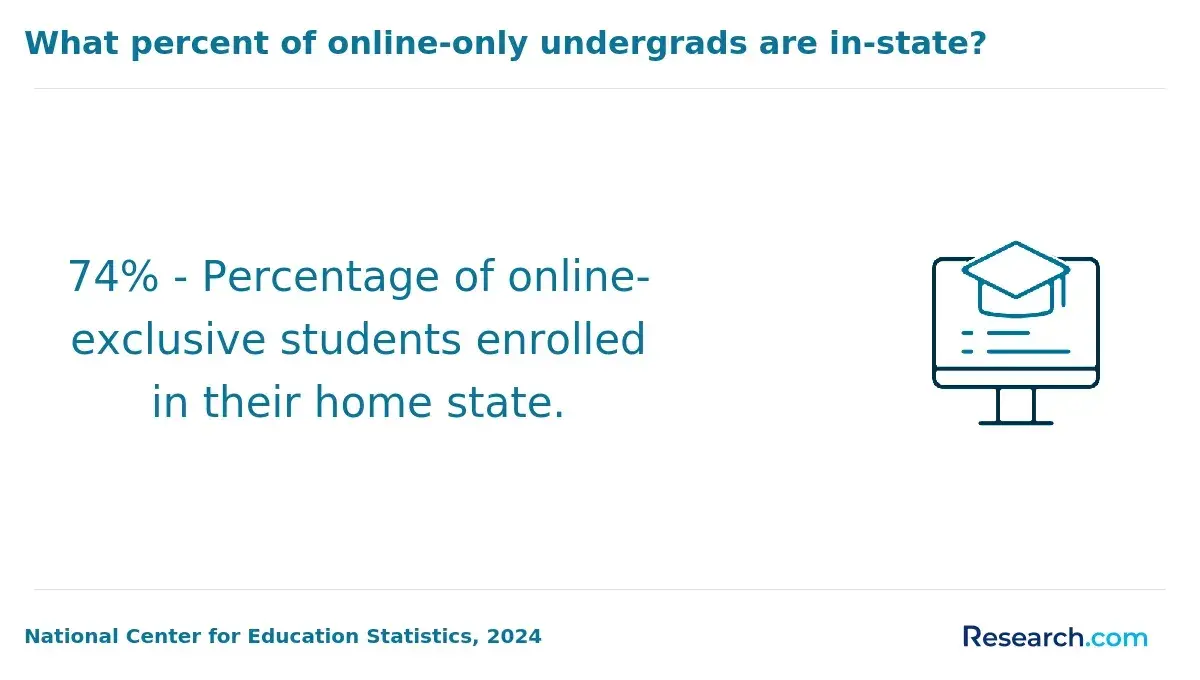
Programs actively recruit working professionals by offering accelerated pathways leveraging prior learning assessments or certifications, recognizing time constraints many face. Notably, over 30% of homeland security students enroll exclusively online; admissions committees often seek evidence of self-motivation and time management, sometimes requiring essays to confirm these skills.
Specialized positions like intelligence analysis or emergency management may require additional screening or prerequisite coursework, underscoring the importance of aligning program admission criteria with targeted career trajectories and federal or state hiring frameworks.
How long does the degree take to finish?
Completing a bachelor's degree in homeland security within the traditional four-year timeline is common, but this duration often masks significant tradeoffs between practical exposure and speed to graduation. Accelerated paths allowing completion in three years suit highly motivated or experienced students willing to prioritize course load intensity over hands-on learning. Conversely, extending studies to five or six years benefits those balancing full-time work or requiring immersive fieldwork, internships, or practicum components essential for mastery and job readiness.
Employers frequently seek candidates who pair timely graduation with substantial applied skills, particularly in roles involving emergency management or cyber threat analysis. Programs with smaller class sizes that offer direct mentorship tend to extend beyond four years, reflecting the operational value of nuanced skill development over mere credential attainment.
Prospective students must navigate admission leniency-over 45% of U.S. programs accept at least 70% of applicants-against the risks of prolonged degree timelines that may slow career progression. Strategic decisions around summer terms, credit transfers, and course selection can accelerate entry into the workforce, but may limit exposure to specialized scenarios crucial for advancement.
- Accelerated options enable faster degree completion but may reduce hands-on training.
- Extended timelines support comprehensive field experience and mentorship opportunities.
- Program acceptance rates influence entry flexibility but necessitate careful pacing to avoid delayed graduation.
Students should critically assess how their chosen program balances these factors to align with targeted security sector roles, ensuring both employability and practical competence.
What does an online homeland security degree cost?
Choosing a homeland security bachelor's program requires balancing tuition costs against program quality and long-term employability. Tuition varies widely: public in-state institutions typically charge $300-$400 per credit hour, totaling around $36,000-$48,000 for a 120-credit degree, while private schools may exceed $700 per credit. More affordable accelerated pathways or community college transfers can reduce costs to $15,000-$20,000, but may sacrifice program comprehensiveness or professional readiness.
Smaller class sizes-generally under 20 students-demonstrate a measurable 10-15 percentage point increase in pass rates compared to lectures with 50+ students. For aspiring federal or state employees, programs emphasizing these intimate, discussion-driven formats can directly improve job readiness and hiring eligibility. Ignoring this factor in favor of lower sticker prices risks inadequate mastery of applied homeland security skills crucial in operational roles.
Additional expenses-technology fees, textbooks, and occasional campus visits for practicums-compound costs, especially for working professionals. Employer tuition assistance can mitigate this burden but often demands alignment with job responsibilities and prior authorization. Students should evaluate programs not just on tuition, but on how instructional design and indirect costs influence total investment, graduation pace, and workforce integration.
What jobs can you get with this degree?
Choosing a bachelor's degree in homeland security with a focus on cybersecurity or critical infrastructure protection responds directly to evolving national priorities and workforce needs. Over 40% of online programs now offer specialized tracks in these areas, acknowledging that cyber threats present some of the fastest-growing risks to public safety and infrastructure integrity.
Graduates often pursue roles such as emergency management specialists, intelligence analysts, or cybersecurity professionals. For instance, emergency managers collaborate with FEMA to create mitigation strategies for natural disasters and terrorist attacks, while cybersecurity analysts actively defend power grids and water systems from intrusion. Understanding these divergent roles is essential given the distinct hiring processes and skill demands; federal jobs require security clearances and patience for slower onboarding, whereas private sector roles prioritize technical certifications and rapid adaptability.
Students must balance program choices with real-world employability factors:
- Cybersecurity concentrations increase immediate job prospects but often necessitate further IT certifications.
- Broader homeland security degrees offer flexible pathways but face higher competition and less specialized training.
- Smaller online class sizes can provide mentorship critical for mastering emergent technologies in threat detection.
Aligning educational focus with labor market trends documented in government and industry analyses is vital for those pursuing strategic pivots or advancement in homeland security careers today.
What salary can homeland security graduates expect?
Starting salaries for homeland security graduates typically range from $50,000 to $75,000 annually, heavily influenced by sector, geography, and role specialization. Federal agency positions, such as with TSA or FEMA, tend to start near $55,000, whereas private cybersecurity firms can surpass $70,000 due to technical skill demands. Tuition caps for military students, which reduce bachelor's degree costs from roughly $49,800 to about $30,000, significantly improve return on investment, especially when paired with government employment's predictable pay scales.
Experience and job setting sharply affect earning potential: entry-level homeland security analysts earn between $50,000 and $65,000, but supervisory or emergency management roles can push salaries beyond $80,000 within five to seven years. Those targeting intelligence or cyber threat positions often must secure additional certifications to reach top salary tiers.
The practical tradeoff between government and private sector work remains central. Government roles offer stability but may come with compliance-heavy responsibilities and lower ceilings, while private sector jobs provide higher pay but greater market volatility. Geographic factors also matter; urban centers and national hubs frequently yield salaries 10-20% above the national average.
Prospective students should account for tuition relief options, like military tuition caps at $250 per credit hour, since minimizing debt substantially enhances long-term earning sustainability in homeland security careers.
What certifications help homeland security graduates advance?
Certifications fundamentally shape career trajectories in homeland security, often making the difference between stagnant roles and management opportunities. For instance, the Certified Protection Professional (CPP) credential is widely recognized as a gateway for advancing into security leadership across government and private sectors. Without it, frontline Protective Service Officers frequently encounter wage ceilings and limited upward mobility. Similarly, the Certified Homeland Protection Professional (CHPP) aligns closely with operational roles focused on threat analysis and emergency response within federal or state agencies.
Employers also prioritize FEMA's Professional Development Series, particularly for emergency management roles requiring proficiency in the federal incident command system. The credential signals readiness for multi-agency coordination during crises, a practical requirement rather than optional certification. For candidates straddling physical security and cybersecurity, industry-standard certifications like CISSP or Security+ fill essential technical gaps, increasing eligibility for hybrid positions.
Federal employment projections indicate a 6-8% growth in security-related fields over the next decade, reflecting sustained demand but also competitive credential expectations. Candidates should weigh the investment in time and money for these certifications against immediate job demands and long-term positioning. In many cases, credential acquisition requires suboptimal tradeoffs, such as balancing work shifts with costly training programs.
Key considerations include:
- CPP as a pivotal credential for transitioning into leadership roles.
- CHPP and FEMA certifications as standards for operations and emergency management specialists.
- Cybersecurity certifications bridging technical competency gaps.
Other Things You Should Know About Homeland Security
Hands-on experience remains critical for employment readiness in homeland security, even in online programs with small classes. Programs that incorporate practical simulations, case studies, or virtual labs offer more effective skill development than purely theoretical coursework. When evaluating programs, prioritize those with explicit experiential components, as employers expect graduates to demonstrate applied competencies, not just academic knowledge.
Small class sizes usually enhance individual interaction with instructors but do not automatically translate to strong professional networking. In homeland security, where sector connections and referrals matter, students should evaluate a program's specific career services and alumni engagement rather than class size alone. Prioritize programs offering mentorship, internship placements, or direct employer contacts to leverage the small class setting effectively.
Small class sizes in online homeland security programs offer personalized attention and tailored feedback from instructors. This fosters a supportive learning environment that enhances comprehension and mastery of complex topics, preparing students more effectively for real-world security challenges.
Employers prioritize demonstrated skills, certifications, and relevant experience over the mode of study. However, small-class online programs tend to better prepare students by enabling personalized feedback and in-depth understanding, which can translate into fewer gaps in practical readiness. When possible, explain how the program's structure fostered applied skills during interviews to offset any employer bias toward traditional formats.
References
- A practical guide to choosing an online school https://wendoveronlineschool.com/a-guide-to-choosing-an-online-school/
- Online Homeland Security Degrees: Explore Top Programs https://www.degreesforgood.org/online-degrees/homeland-security-programs/
- Online Bachelor's Degree: Homeland Security https://www.umgc.edu/online-degrees/bachelors/homeland-security
- Homeland Security Requirements (Degrees, Jobs & Salary) https://www.allcriminaljusticeschools.com/federal-law-enforcement/homeland-security/
- Online BS Bachelor of Science in Homeland Security Degree Program https://www.calcoast.edu/b.s.-bachelor-of-science-in-homeland-security.html
- Is a degree in homeland security worth it? | edX https://www.edx.org/resources/is-a-degree-in-homeland-security-worth-it
- Homeland Security Career And Salary Information https://www.criminaljusticedegreeschools.com/careers/homeland-security/
- Types of Homeland Security Degrees | Compare Schools https://www.criminaljusticeprograms.com/specialty/homeland-security-degrees/
- I have a degree, now what? https://targetjobs.co.uk/careers-advice/career-ideas/i-have-degree-now-what
- The 9 Best Online Learning Platforms in 2026 https://www.ispring.com/knowledge-hub/best-online-learning-platforms