2027 Best Online Homeland Security Degrees for Long-Term Career Stability

Co-Founder and Chief Data Scientist
Securing a stable career in homeland security often hinges on navigating fragmented program offerings and balancing full-time work with education demands. Many professionals face inconsistent online degree structures that complicate timely graduation, undermining efforts to meet urgent labor market needs.
According to the National Center for Education Statistics, nearly 70% of adult learners in 2024 favor programs that allow asynchronous study, reflecting a generational shift toward flexibility that directly impacts enrollment decisions.
This pattern signals the growing importance of online programs built to accommodate complex schedules while delivering industry-relevant skills efficiently. This article evaluates leading online homeland security degrees designed for long-term career stability, focusing on program accessibility, curriculum relevance, and workforce alignment to guide strategic educational choices.
Key Things You Should Know
- Enrollment in online homeland security degrees surged 22% since 2023, driven by federal demand for cybersecurity and emergency management skills, yet program variance in practical simulation access complicates skill readiness.
- Employers prioritize candidates with certifications aligned to DHS or FEMA standards over purely academic credentials, creating a gap where purely degree-holders face stalled entry in 37% of posting trends, per 2025 Labor Department analytics.
- Cost disparities across online programs extend from $12K to over $45K, with accelerated tracks offering faster entry but higher upfront debt, influencing timing-sensitive career pivots for mid-career professionals balancing opportunity costs.
What is an online homeland security degree and who is it best suited for?
Choosing an online homeland security degree program involves weighing applied skills against theoretical depth, with a clear focus on workforce integration. Candidates pursuing the best online homeland security degrees in the United States must account for employer preference toward practical experience that simulates crisis management, cybersecurity defenses, and policy enforcement.
For example, integrating internships or part-time work while studying is essential, as many roles demand demonstrated competence beyond coursework.
The $176.18 billion federal investment for fiscal year 2024 sustains diverse security positions, from intelligence analysis to border security technologists, underscoring sector stability. Professionals shifting from unrelated fields should anticipate supplementary certifications such as CompTIA or CISSP to remain competitive, especially in cybersecurity, while military veterans benefit from programs that recognize prior experience for accelerated credentialing.
Online programs offer logistical flexibility critical for working adults, allowing continued employment without relocation or rigid schedules. However, students must critically evaluate accreditation aligned with National Security Education standards to ensure program credibility.
Those seeking online homeland security degree programs for career growth should also consider the tradeoff between convenience and the intensity of real-world scenario training.
Prospective students can consult curated rankings to identify the most suitable pathway; for example, resources on the best online criminal justice degree programs provide comparative insights into affordability and program structure relevant to homeland security education.
How do online homeland security programs compare to campus-based options for quality and flexibility?
Choosing between online homeland security degree programs vs campus-based options involves evaluating distinct operational advantages tied to professional context and clearance needs. Online pathways offer flexibility critical for active-duty personnel and working professionals, allowing modular pacing to balance ongoing security responsibilities, unlike campus programs with fixed schedules.
Employers emphasize security clearances-demand for which rose over 300% from 2015 to 2025-making clearance sponsorship a pivotal factor. Campus programs may streamline clearance processing through established partnerships, providing integrated access to federal clearance advisory resources and fostering internships with local agencies.
In contrast, online students must independently secure such clearance-supportive opportunities, navigating more logistical complexity but benefiting from advanced virtual labs and simulation software that replicate practical scenarios for geographically dispersed learners.
The flexibility and quality of homeland security online education ensures students gain rigorous cybersecurity, intelligence analysis, and emergency management training comparable to campus-based programs. However, the hands-on experience and in-person networking accessible onsite remain vital for those entering clearance-dependent government roles.
Prospective students should consider if they can leverage remote internships aligned with government hiring standards or require embedded campus support to navigate clearance pathways effectively. For those evaluating affordable pathways, examining online cyber security degrees may provide relevant options tailored to professional and security requirements.
Which accreditation and institutional standards should online homeland security degrees meet?
Programs granting online homeland security degrees must meet regional accreditation requirements for homeland security programs recognized by the U.S. Department of Education or the Council for Higher Education Accreditation.
This ensures credits transfer reliably and maintains eligibility for federal financial aid, while aligning curriculum with mandates from the Department of Homeland Security's Center for Homeland Defense and Security or FEMA's National Training and Education Division. Without this foundation, students risk graduating with outdated or impractical skills, limiting opportunity in critical roles demanding security clearance or specialized competencies.
Employers across federal, state, and local agencies prioritize candidates whose education reflects operational readiness and practical threat analysis consistent with federal standards. Degrees lacking real-world application, such as simulation exercises or government partnerships, diminish workforce preparedness despite accreditation.
Students pursuing this field should flag programs integrating internship options and strong alumni networks, as these directly affect postcompletion employment. The premium on accredited degrees combined with practical training is evident in outcomes like Bellevue University graduates reporting median earnings of $73,896. Comparatively, certifications marketed without rigorous accreditation often fall short of workforce expectations and career stability.
Educational pathways should not overlook intersectional fields; for example, students might complement an online homeland security degree accreditation standards focus with a forensic psychology major to bolster investigative and analytical skills relevant to threat environments.
What types of homeland security degrees can you earn fully online?
Selection between fully online homeland security degree programs involves balancing immediate workforce needs against long-term career positioning. Associate and bachelor's tracks typically funnel graduates into entry- to mid-level positions such as border security officers or emergency planners, whereas online master's degrees with specialized focuses like cybersecurity and intelligence prepare candidates for strategic roles with federal agencies or private security firms.
Virginia Commonwealth University's reported median salary of $99,382 for its online homeland security master's alumni illustrates how advanced, specialized education combined with operational expertise commands a premium in the labor market.
Fully online homeland security bachelor's degrees offer flexible access via asynchronous formats and often incorporate virtual simulations and capstone projects to mitigate practical training gaps common in remote learning. However, federally sponsored roles may still require in-person security clearances, posing coordination challenges for exclusively online students.
Certificates focusing on areas such as emergency management or counterterrorism serve as rapid specialization tools, augmenting a generalist degree or professional experience without the time commitment of a full program.
Prospective students and working professionals should weigh program technical depth, job eligibility, and employer expectations carefully. The decision to pursue a bachelor's versus a master's degree online has tangible workforce implications, affecting role seniority and salary potential.
For those considering interdisciplinary shifts, reviewing pathways akin to bachelors in Spanish online may provide insight into balancing affordability, time investment, and market demand.
What courses and specializations are typically offered in online homeland security programs?
Strategic career shifts into homeland security demand scrutiny beyond program titles, focusing on how effectively training intersects with evolving operational environments. Criminal threat landscapes and cyber vulnerabilities differ vastly between sectors like transportation and federal agencies, requiring tailored expertise rather than generic credentials.
Specializations-such as cybersecurity for financial digital defense or emergency management for coordinating multiagency disaster responses-directly shape employability and career trajectory. In these fields, grant writing and compliance knowledge become as indispensable as technical skills, particularly where interagency collaboration is the norm.
Practical training components like simulated incident command exercises are not optional add-ons but core to developing rapid decision-making under stress, an expectation from employers prioritizing situational awareness. Students must weigh these exercises' presence heavily when selecting programs, as lacking them reduces readiness for field roles.
Cost transparency remains a critical factor. For instance, Thomas Edison State University's difference between base tuition ($7,044) and all-in costs ($9,122) illustrates common price inflation beyond listed tuition. Evaluating total financial commitments against employer tuition benefits and credential relevance is necessary to avoid costly mismatches.
Elective choices also matter: biosecurity electives suit public health ambitions, while intelligence fusion supports military career pathways. Faculty experience in federal agencies and availability of internships or practicums serve as proxies for program credibility and real-world preparedness, influencing long-term professional outcomes.
What admission requirements and prior experience do online homeland security programs expect?
Admission criteria for online homeland security programs often prioritize relevant experience over formal education, reflecting employer demand for candidates familiar with operational protocols rather than mere academic credentials. For example, veterans can leverage military service as qualifying experience, bypassing some traditional college prerequisites. This tradeoff benefits working professionals but can pose barriers for individuals lacking security-related backgrounds.
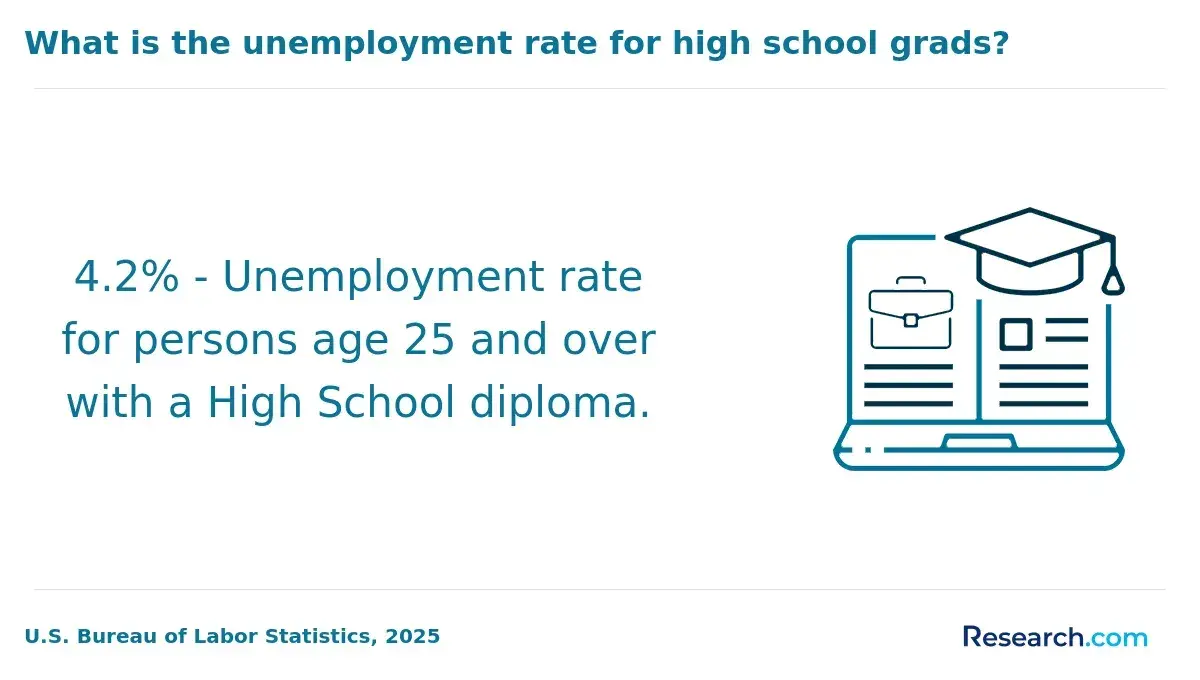
Applicants commonly need a high school diploma, with bachelor's programs typically requiring some college coursework or related professional experience. A rigorous background check is standard due to the sensitive nature of the field, and letters of recommendation are valued as indicators of commitment and aptitude. International students must complete credential evaluations to meet domestic equivalencies.
Practical documentation such as resumes highlighting security clearances, certifications (e.g., FEMA, cybersecurity), and leadership roles often weigh heavily in admissions decisions, sometimes more than GPA or test scores, which many programs waive for employed applicants.
Students should consider the asynchronous format's demands, including time management and dependable internet access for simulations or live engagement-factors that significantly affect completion rates and skill acquisition.
Graduate salaries start around $40,135, with average growth reaching $47,388 within four years, aligning with workforce trends emphasizing operational readiness and rapid skill application over theoretical knowledge alone.
How long do online homeland security degrees take and what do they cost?
Completing a homeland security degree requires a clear assessment of time investment versus career impact. Associate programs generally span two years full-time, while bachelor's degrees take around four years, with part-time or accelerated formats altering this timeframe but often increasing complexity in balancing cost and workload.
Professionals seeking to shift careers must consider that part-time or competency-based options provide flexibility yet prolong degree completion, affecting both financial planning and employment timelines.
Cost structures vary widely, with public institutions charging roughly $4,000 to $15,000 per year for in-state students, and private or out-of-state tuition frequently exceeding $20,000 annually. Total bachelor's degree expenses can exceed $80,000 when factoring in fees and materials. Employer tuition aid and federal financial assistance can offset costs but require proactive eligibility verification.
The labor market increasingly demands bachelor's degrees for roles beyond operational entry-level positions, especially in homeland security, criminal justice, and cybersecurity. A federal law enforcement candidate without a bachelor's degree may face extended hiring delays and limited upward mobility despite experience. Conversely, certificate holders may find rapid entry into jobs but contend with wage stagnation and credential obsolescence.
Students should weigh upfront costs and time against long-term career requirements, factoring in sector-specific hiring criteria and realistic progression timelines to optimize both employability and financial investment.
What careers can you pursue with an online homeland security degree?
An online homeland security degree primarily positions graduates for roles demanding specialized operational skills aligned with government or contractor expectations. Federal positions usually require a security clearance, which extends hiring timelines and restricts candidate eligibility based on legal and financial background.
Those targeting agencies like the Department of Homeland Security or FBI often fill intelligence analyst roles emphasizing data interpretation, threat pattern recognition, and national policy comprehension.
Emergency management jobs for municipal or state governments focus on logistics coordination, crisis communication, and operational planning, which diverge from cybersecurity roles tasked with protecting critical infrastructure.
Consequently, the degree's practical application varies substantially by sector:
- Intelligence roles demand analytical rigor and familiarity with risk mitigation frameworks.
- Emergency management requires proficiency in crisis response and coordination.
- Cybersecurity specialists integrate technical defense strategies against evolving threats.
Military veterans frequently capitalize on this degree to transition into analyst or security consulting roles within civilian agencies or private contractors. However, private sector positions often offer less job stability compared to federal roles, although they may provide higher salaries and flexibility.
Financial considerations also impact enrollment decisions. For example, American Public University System charges active-duty military students an estimated $250 per credit for a homeland security bachelor's degree, compared to $360 for civilians, significantly influencing the cost-benefit analysis of program completion for career pivots or advancements.
What salaries and long-term job outlook can homeland security graduates expect?
Graduates entering homeland security fields encounter highly variable salary trajectories shaped by sector and experience. Entry-level positions typically offer between $58,000 and $78,000 annually, while federal roles like security analysts can reach $110,000 within five years. Emergency management directors often see salaries exceeding $130,000 as experience accrues.
Private sector positions in cybersecurity or corporate risk management may start near $65,000 and climb beyond $120,000 mid-career.
These figures intersect with complex workforce dynamics. For example, federal jobs frequently require advanced degrees and security clearances, with hiring processes extending over months-factors that lengthen career entry timelines and necessitate further certifications.
Investing in a master's degree, such as a 36-credit online program costing roughly $36,000, demands careful cost-benefit analysis. The tuition expense must be weighed against realistic salary uplift and the opportunity cost incurred during study, especially for professionals balancing full-time work.
Projected growth in homeland security occupations outpaces many fields at an estimated 12% over the decade. However, this growth concentrates in areas exposed to policy shifts and funding fluctuations. Career decisions should incorporate the likelihood of federal hiring cycles and the ongoing need for professional development to remain competitive.
How can you evaluate and choose a reputable online homeland security program?
Accreditation alone does not ensure an online homeland security program aligns with employer demands or workforce realities. Candidates targeting clearance-dependent roles must verify curricula that extend beyond generic emergency management to include cybersecurity fundamentals, federal compliance frameworks, and emerging threat analysis such as biological risks.
For example, a federal contractor hiring cyber threat analysts prioritizes candidates trained in these specific domains rather than broad, theoretical content.
Programs lacking applied learning-like scenario-based simulations or exercises reflecting classified environments-fall short in preparing students for the practical, high-stakes nature of homeland security roles. Faculty backgrounds also matter; instructors with direct operational experience, especially in intelligence or classified information handling, deliver more relevant insights and networking opportunities.
Flexibility is non-negotiable for working professionals balancing full-time jobs. Asynchronous formats with structured milestones support steady progress without risking burnout. Furthermore, comprehensive preparation for security clearances or background checks is a critical feature often overlooked; programs omitting this element risk hindering timely job placement.
UMGC reports job growth above 300% for clearance-based positions from 2015 to 2025, showing the sector's rapid expansion and the premium placed on specialized, practical training.
Other Things You Should Know About Homeland Security
Recognition varies significantly by employer and role. Federal agencies and law enforcement generally prioritize degrees from accredited institutions with regional accreditation and programs that include practical training or internship components. Applicants with purely theoretical or non-accredited online degrees may face disadvantages, especially in competitive federal or intelligence positions. Prioritizing programs with tangible experiential learning and recognized accreditation aligns better with employer expectations.
Workload can be intensive, often requiring 15-20 hours weekly for coursework, research, and group projects, which can strain professionals balancing full-time jobs. Programs with asynchronous formats increase flexibility but demand disciplined time management. Those targeting rapid career advancement should select programs designed for working adults, offering streamlined curricula without sacrificing key competencies to avoid burnout and maintain job performance.
While certificates can enhance specific skills, a full online degree in homeland security generally offers a more comprehensive education and broader career opportunities. For long-term stability and advancement, a degree often provides a stronger foundation in both theory and practical applications, preparing graduates for diverse roles.
Bachelor's degrees qualify candidates for entry- to mid-level roles, often in local or state agencies, while master's degrees open doors to leadership, policy, and analytical positions, particularly in federal sectors. Employers expect master's holders to demonstrate advanced critical thinking, research, and strategic planning skills. For long-term career stability and progression, investing in a master's is generally more advantageous, especially for those targeting federal or supervisory positions.
References
- Homeland Security Requirements (Degrees, Jobs & Salary) https://www.allcriminaljusticeschools.com/federal-law-enforcement/homeland-security/
- Online Master of Science in Homeland Security at UMFK https://online.umfk.edu/homeland-security/
- What Can You Do With a Homeland Security Studies Degree? https://sopa.tulane.edu/blog/what-can-you-do-homeland-security-studies-degree
- Homeland Security Degree | Programs & Career Options https://www.learnhowtobecome.org/best-online-bachelors-in-homeland-security-degree-programs/
- Online MPA Programs with a Specialization in Homeland Security https://www.onlinempaprograms.com/specializations/homeland-security
- Top Online Master’s Degree Programs in Homeland Security for 2025 https://www.onlinemastersdegrees.org/best-programs/homeland-security/
- Types of Homeland Security Degrees | Compare Schools https://www.criminaljusticeprograms.com/specialty/homeland-security-degrees/
- Online Homeland Security Degrees: Explore Top Programs https://www.degreesforgood.org/online-degrees/homeland-security-programs/
- Online BS Bachelor of Science in Homeland Security Degree Program https://www.calcoast.edu/b.s.-bachelor-of-science-in-homeland-security.html