2027 Online Homeland Security Degrees With Cyber Threat Response Concentrations

Co-Founder and Chief Data Scientist
Facing an increasingly complex cyber threat landscape, homeland security professionals must respond swiftly to sophisticated attacks targeting critical infrastructure and government networks. A Bureau of Labor Statistics report projects a 15% growth in homeland security roles with cybersecurity expertise through 2032, signaling heightened employer demand for specialized skills. This shift underscores the strategic imperative for timely upskilling without disrupting ongoing employment, especially as over 40% of adult learners prefer flexible online programs that accommodate full-time work and family commitments.
This article analyzes current online homeland security degrees with cyber threat response concentrations, guiding prospective students in choosing programs that balance accessibility, rigor, and career-impacting expertise.
Key Things You Should Know
- Specialized online degrees with cyber threat response focus often exceed $30,000 total cost, delaying ROI for midcareer pivots; federal funding gaps create uneven access for public sector aspirants.
- Employers prioritize candidates with hands-on incident command simulations over theoretical coursework, creating a gap where many programs inadequately prepare graduates for real-time cyber crisis management.
- Rapidly evolving cyber threat landscapes demand curricula updates within 12-18 months; programs slower to integrate live threat intelligence face declining employer credibility and graduate placement rates.
What is an online homeland security degree with a cyber threat response concentration?
Obtaining an online homeland security degree cyber threat response specialization shapes candidates to handle complex digital threats targeting critical infrastructure in both public and private sectors. This degree is not a generalist credential; it demands proficiency in threat analysis, incident response, and sector-specific risk management, such as addressing ransomware attacks on municipal systems or breaches in energy grids. Employers prioritize candidates who can deploy tailored defenses reflecting regulatory and operational differences between industries like transportation and finance.
The demand for hands-on cybersecurity skills requires programs to incorporate virtual labs and real-time scenario simulations. Students pursuing homeland security cyber threat response online programs must balance self-directed learning with structured exercises to meet evolving government standards. Programs lacking rigorous specialization risk leaving graduates unprepared for federal or state agencies that require immediate applied competence.
Graduates must master cyber forensic techniques and real-world threat intelligence under pressure-capabilities that differentiate applicants in a crowded hiring pool focused on mission-critical roles. According to the U.S. Bureau of Labor Statistics, 63% of information security analyst positions require a bachelor's degree, while 26% prefer a master's, reflecting the need for targeted education.
Those interested in a foundational credential can consider a bachelor's degree in criminal justice, but for cyber threat challenges, specialized homeland security programs offer clearer pathways to employment and advancement.
How do online homeland security programs compare to campus-based options for cyber threat training?
The distinction between online homeland security degree programs and campus programs for cyber threat response lies chiefly in the depth and immediacy of practical training. Despite comparable theoretical and technical foundations, online cyber security degrees often lack the rich, hands-on exercises and real-time collaboration embedded in campus settings. The Cybersecurity and Infrastructure Security Agency's report of a nearly 50% rise in cyber attacks on critical infrastructure from 2020 to 2023 shows employers prioritize candidates with direct incident response experience. Campus programs frequently integrate simulation labs, team-based exercises, and easy access to specialized faculty, key factors that enhance readiness.
Professionals leveraging online homeland security degree versus campus program comparisons should weigh flexibility against experiential gaps. While online platforms remove geographic and scheduling barriers and align curricula with current threats, they usually demand supplemental efforts from learners to secure internships or active cyber defense projects for real-world exposure.
For example, a cybersecurity analyst in the energy sector benefits from campus-facilitated partnerships enabling scenario-driven responses with grid operators. Conversely, an online learner must proactively join federal apprenticeships or local initiatives to acquire equivalent skills. Students evaluating the best cyber threat training in online homeland security courses must critically assess how programs address practical skills development to meet escalating employer expectations.
For a comprehensive view of affordable options tailored to workforce needs, consider exploring online cyber security degrees.
Are online homeland security degrees with cyber threat concentrations accredited and recognized?
Employers in federal and state homeland security agencies require degrees that verify fundamental competencies in cyber threat response, making accreditation a decisive factor in hiring. Online homeland security degrees with cyber threat response accreditation are essential for candidates targeting positions involving security clearances or sensitive infrastructure protection. Candidates from non-accredited programs often encounter barriers that limit access to government roles or defense contracting positions.
Recognized online homeland security programs with cyber threat concentrations align curricula with current workforce needs by integrating guidance from active advisory boards composed of cybersecurity experts. This practical orientation enhances readiness for real-world scenarios such as incident response and threat mitigation strategies essential to roles within the Department of Homeland Security or private defense sectors.
The U.S. Bureau of Labor Statistics projects 31% employment growth for information security analysts between 2024 and 2034, emphasizing the demand for credentialed professionals. While accredited programs can carry higher tuition costs than unaccredited alternatives, the long-term career implications-such as eligibility for federal jobs and higher salary potential-outweigh initial savings. Students should verify state approval and program outcomes before enrollment to mitigate risks associated with diploma mills.
Practical considerations include evaluating how well programs prepare graduates for evolving cyber threat landscapes and employment pipelines. For those comparing options, reviewing ABA paralegal programs highlights the importance of accreditation as a benchmark across specialized online degrees.
What courses and specializations are included in cyber threat response homeland security curricula?
Cyber threat response courses in homeland security programs focus on equipping students with actionable skills for threat detection, mitigation, and recovery under demanding conditions. Core studies cover incident response management, digital forensics, network intrusion analysis, and cybersecurity policy development, preparing graduates for critical roles such as preventing ransomware attacks on infrastructure. For instance, a cybersecurity analyst at a major utility must rapidly identify breach points and coordinate with IT and compliance units to prevent outages, reflecting employer demands for decisive threat management.
Specializations in homeland security with focus on cyber threat management emphasize hands-on training in malware analysis, application of risk assessment frameworks like NIST, and security architecture design. Mastery of threat hunting and real-time defense tactics is vital given the prevalence of advanced persistent threats (APTs). Programs also integrate legal and ethical dimensions, ensuring understanding of cyber law and privacy regulations, which are essential for aligning security practices with regulatory compliance.
Graduates in this concentration typically command a median annual salary of $122,000 as information security analysts, with top earners exceeding $185,000, according to U.S. Bureau of Labor Statistics data. The steady demand for cyber threat experts makes such programs strategic investments, though prospective students should weigh curriculum rigor against career pivot challenges. Those exploring educational alternatives might also review data on more affordable or shorter degree options like a Spanish degree online.
What are the typical admission requirements for online homeland security cyber threat programs?
Admissions to online homeland security cyber threat programs frequently act as initial gatekeepers that weigh practical experience against academic readiness. Candidates often need a bachelor's degree with a GPA threshold near 2.5 to 3.0 from accredited institutions in areas linked to cybersecurity, criminal justice, or IT. Resumes reflecting military or law enforcement cyber roles noticeably strengthen applications, given their direct relevance to threat management.
Programs increasingly evaluate applicants through essays that clarify their grasp of cyber threat complexities and alignment with homeland security priorities. Some schools require GRE scores, though waivers based on professional experience or prior graduate work are becoming more common, reflecting a shifting admissions landscape focused on applicable skills over standardized tests.
Workforce realities emphasize that lacking foundational IT knowledge necessitates prerequisite coursework in networking or systems administration before program entry. Employers prioritize graduates familiar with frameworks like NIST and CISA and hands-on skills in incident response. This practical orientation means students without these competencies risk limited program access and diminished employability.
The move to online or hybrid modalities-now dominant in homeland security cyber programs-demands self-discipline and robust technical setups. For instance, remote engagement in cyber simulations requires stable environments that some working professionals may find challenging to maintain alongside job duties.
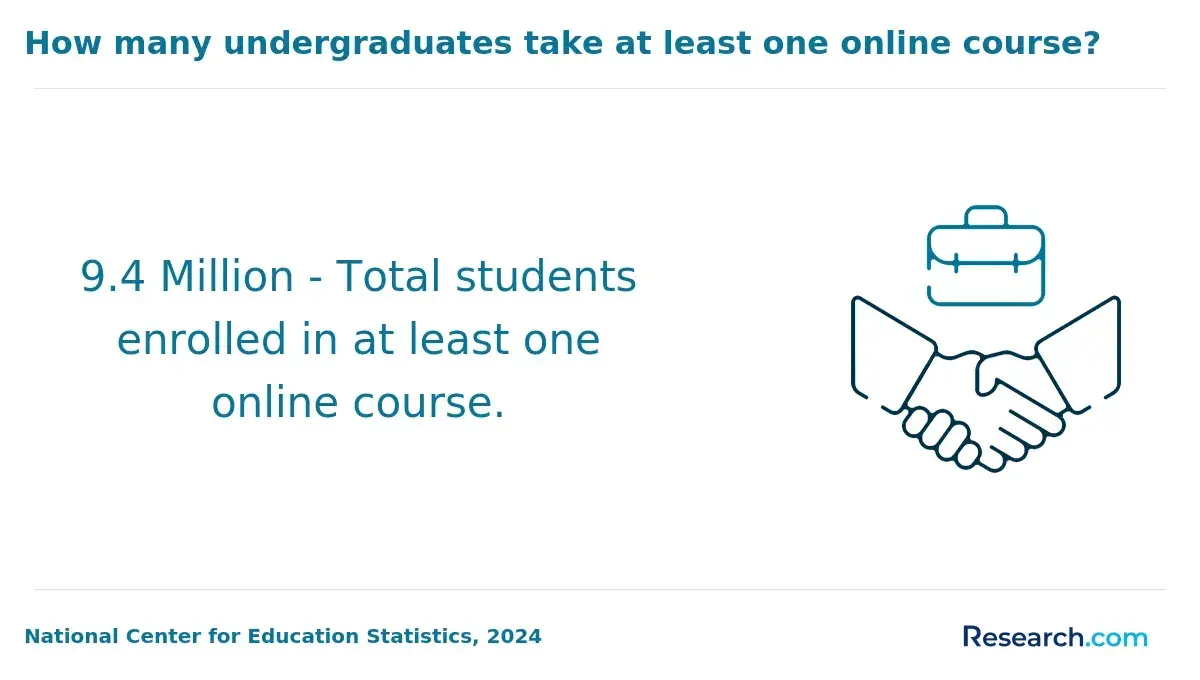
Data from the National Center for Education Statistics reveals a sustained rise in distance learning options, but this shift also widens disparities between technically prepared applicants and those needing substantial remedial preparation.
How long do online homeland security degrees with cyber threat pathways usually take to complete?
Completion timelines for online homeland security degrees with cyber threat response focus vary substantially, impacting both student commitment and workforce entry. Associate degrees typically require 18 to 24 months, while bachelor's programs can extend from 3 to 4 years full-time-though accelerated schedules may reduce this to around 2.5 to 3 years. Master's programs generally span 1.5 to 2 years online full-time. These variations hinge on factors such as required synchronous classes, hands-on labs, and specialized electives in areas like cloud security or incident response frameworks.
Employers now prioritize demonstrable practical skills over theoretical knowledge, reflecting the sector's rapid evolution. Since 2021, more than 60% of U.S. cybersecurity and homeland security programs have expanded technically intensive courses, increasing time demands as students engage with incident simulations and cloud-based labs critical for government and private sector roles. This emphasis means candidates must navigate training complexity while balancing workload and study.
Working professionals face extended durations-sometimes over 4 years part-time-due to balancing employment with degree requirements. Additionally, federal job candidates must factor in security clearance processing, which can delay internship and practical training components essential for program completion. Strategically selecting programs that integrate updated competencies with flexible scheduling is vital to meet both personal constraints and employer expectations.
What tuition costs, fees, and financial aid options apply to these online programs?
Choosing an online homeland security degree with a cyber threat response focus involves balancing substantial tuition costs against expected workforce gains. Median annual tuition at public U.S. universities hovers near $13,500, excluding variable mandatory fees that can add $1,000 to $3,000 yearly. This financial burden disproportionately impacts freelancers and contractors who lack employer tuition reimbursement, unlike government employees who may see their out-of-pocket costs nearly eliminated through such programs.
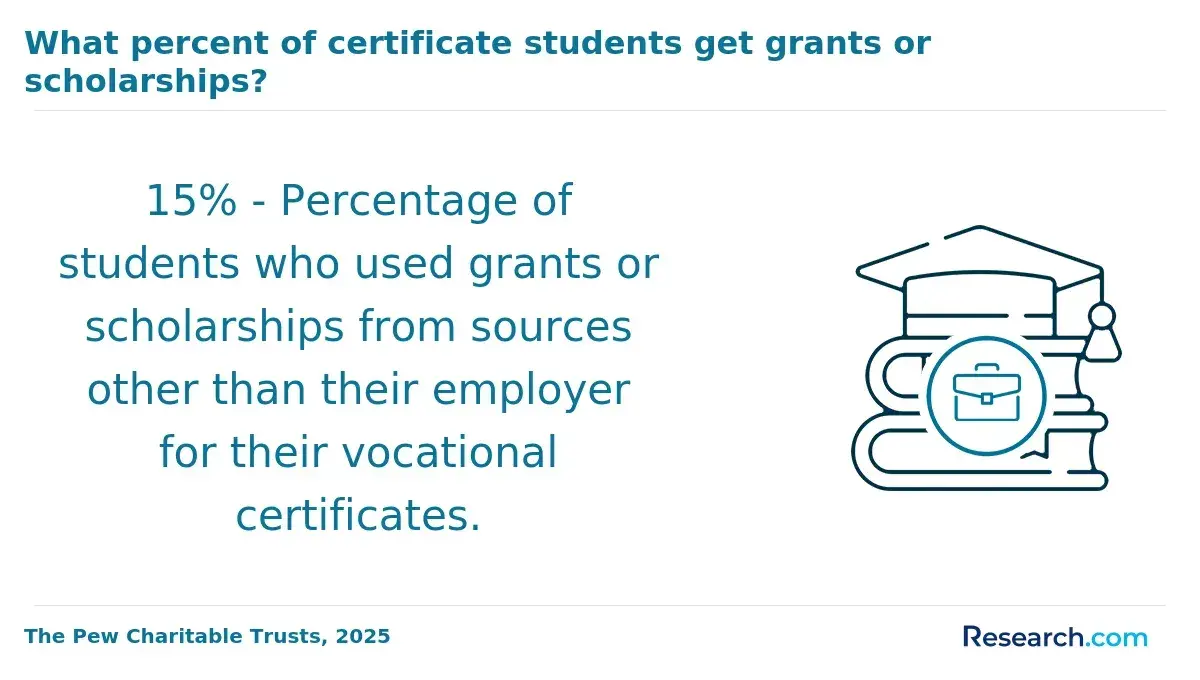
Federal student loans remain the primary financial vehicle for most online master's students, offering fixed interest and income-driven repayment plans, but private loans carry less favorable terms and higher risk. Scholarships targeting homeland security or cybersecurity are scarce, often confined to specific government or professional association offerings. Beyond direct tuition expenses, students must consider opportunity costs-dedicating 20+ hours weekly to coursework limits additional income opportunities during study.
Professionals weighing this investment should evaluate whether anticipated salary increases in homeland security cyber roles justify the upfront expenses and debt accumulation. For instance, a mid-career government analyst might recoup education costs via employer support and subsequent promotions, while contractors face full financial responsibility and increased risk. Such decisions require scrutinizing program costs alongside employment stability, loan options, and long-term career trajectory.
What careers can graduates of homeland security cyber threat response programs pursue?
Careers stemming from homeland security cyber threat response programs reflect a distinct hiring landscape shaped by acute operational demands and evolving threat profiles. The Department of Homeland Security's workforce data indicates a 19% increase in cybersecurity roles between fiscal years 2020 and 2024, with roughly one-third of DHS's mission-critical vacancies dedicated to cyber positions. This surge is not merely quantitative but also demands professionals skilled in both tactical incident response and strategic policy formulation.
Graduates commonly fill roles as cybersecurity analysts, incident responders, threat intelligence specialists, or risk management professionals across federal, state, and local agencies. Beyond government, sectors such as energy, transportation infrastructure, finance, and healthcare also require cyber threat expertise to mitigate sophisticated attacks-ranging from ransomware defenses to fraud prevention and protection of sensitive patient data under strict regulatory environments.
Key workforce implications include:
- Necessity for operational resilience in high-pressure settings, often involving on-call responsibilities, particularly within federal cyber fusion centers
- Demand for interdisciplinary skills combining technical proficiency with incident command and interagency collaboration
- Preference for candidates with experiential credentials such as internships or cooperative programs linked to DHS or related agencies
- Advancement reliant on certifications in network defense and risk management reflecting employer expectations
These realities require prospective students to evaluate not just program content but also the pragmatic tradeoffs of job stress and the value of applied experience versus purely theoretical knowledge when planning a career pivot or advancement within this field.
What is the salary potential and job outlook for cyber threat response roles in homeland security?
Cyber threat response roles in homeland security carry significant practical distinctions that impact compensation, duties, and growth prospects. Entry-level positions typically earn between $85,000 and $120,000 annually, but federal or critical infrastructure roles often exceed $140,000. This variance stems from operational requirements: state-level responders may focus on coordinating incident response with local agencies, whereas federal analysts engage in complex forensics and threat intelligence targeting nation-state actors.
Certification requirements directly influence employability and salary potential. Over 62% of cybersecurity job listings in this sector demand certifications such as CISSP, CISM, or Security+, creating a gatekeeping effect. Certified professionals can command starting salaries 10-20% higher, yet this also sets a continuous professional development expectation that cannot be overlooked.
Ongoing education through threat simulations, red teaming exercises, or vendor-specific training is increasingly mandatory to maintain upward career mobility. Lack of current certifications risks salary stagnation and diminished options for lateral moves into cyber risk management or policy roles within both government and private sectors.
Prospective students must weigh these operational realities against educational pathways: the evolving threat landscape and employer expectations create tradeoffs between entry barriers and advancement opportunities in homeland security cyber roles.
How can students choose a reputable online homeland security program focused on cyber threats?
Selecting an online homeland security program focused on cyber threats demands scrutiny beyond accreditation and curriculum. Employers expect graduates to demonstrate a synthesis of policy insight with technical capabilities, as evidenced in roles spanning defense contracting, critical infrastructure, or law enforcement. For example, a specialist in critical infrastructure must master Industrial Control Systems security, distinct from traditional IT network defense, affecting both curricular choices and job fit.
Essential program features include coursework in incident analysis, threat intelligence, and digital forensics, paired with applied experience via labs or simulations. Faculty backgrounds matter: professionals with government, defense, or private-sector cyber experience improve instructional relevance and employer confidence.
Program flexibility and support mechanisms significantly impact working professionals balancing education with employment. Asynchronous classes and access to career services or homeland security agency networks correlate with better job placement outcomes, a critical metric when weighing tuition costs versus long-term return.
Students must evaluate offerings through a practical lens:
- Is the program accredited by the Department of Homeland Security's National Centers of Academic Excellence or comparable agencies?
- Does it provide clear pathways to certifications such as CISSP or CISM, often prerequisites for advancement?
- Are measurable employment outcomes transparent, particularly placement in federal or cybersecurity firms?
Ultimately, understanding these operational tradeoffs and workforce expectations shapes strategic, informed decisions in a cybersecurity market projected by Gartner to reach nearly $300 billion by 2026, underscoring growth but also intensifying competition for specialized skills.
Other Things You Should Know About Homeland Security
The workload in these programs is often intense due to the technical nature and fast-evolving threat landscape involved. Students must dedicate significant time to mastering cybersecurity tools, threat analysis, and incident response techniques, which requires hands-on practice beyond traditional readings. Those balancing full-time jobs should anticipate evenings and weekends for coursework and labs, making time management essential to prevent burnout or falling behind.
Employer valuation hinges on program rigor and industry alignment rather than delivery format alone. Graduates of well-designed online programs with practical labs and cybersecurity certifications fare as well as traditional degree holders in the job market. However, programs lacking applied components or vendor-recognized certifications may raise questions about graduates' readiness for real-world cyber defense roles. Prioritize programs with demonstrable connections to sector standards and cyber operations tools.
Yes, but progression depends more on experience and skill depth than on the degree's mode of delivery. Online degrees that incorporate strategic risk management, policy, and interagency coordination courses better prepare graduates for supervisory and managerial positions. Practical experience combined with continuous professional development matters more than the credential alone, so consider programs offering mentorship or internship opportunities that build leadership capabilities.
A general homeland security degree covers a broad range of topics, including emergency management, terrorism studies, and border security. A degree with a cyber threat response concentration, however, focuses specifically on identifying, mitigating, and responding to cyber threats, offering specialized skills essential in the digital age for protecting national security.
References
- Financial Aid For Online Colleges https://www.affordablecollegesonline.org/financial-aid/financial-aid-for-online-colleges/
- How Online College Costs Vary in the US and Europe https://orlandomom.com/how-online-college-costs-vary-in-the-us-and-europe/
- Online Homeland Security Degrees: Explore Top Programs https://www.degreesforgood.org/online-degrees/homeland-security-programs/
- Homeland Security Requirements (Degrees, Jobs & Salary) https://www.allcriminaljusticeschools.com/federal-law-enforcement/homeland-security/
- Online Master of Science in Homeland Security at UMFK https://online.umfk.edu/homeland-security/
- Choosing a bachelor's in homeland security | edX https://www.edx.org/resources/how-to-choose-a-bachelors-in-homeland-security
- Online Associate Degree in Homeland Security https://www.criminaljustice.com/online-degrees/associate-in-homeland-security/
- Reasons to Pursue an Online Criminal Justice Degree Program in Homeland Security https://www.aiuniv.edu/degrees/criminal-justice/articles/online-criminal-justice-homeland-security
- Seven Jobs You Can Do with a Degree in Emergency Management and Homeland Security https://www.albany.edu/graduate/news/2025-seven-jobs-you-can-do-degree-emergency-management-and-homeland-security