2027 Best Online Homeland Security Degrees for Veterans

Co-Founder and Chief Data Scientist
Facing rapidly evolving threats and intensified regulatory demands, homeland security professionals often confront critical gaps in specialized expertise, risking operational inefficiencies or career stagnation. Veterans seeking to leverage military experience must navigate limited program flexibility amid juggling family and work obligations.
Recent data from the National Center for Education Statistics reveal a 22% rise in enrollment among adult learners in online degree programs, signaling a sector shift toward accessible, self-paced education vital for mid-career advancement. This trend reshapes how veterans weigh timing, affordability, and credential recognition in their educational decisions. This article identifies the best online homeland security degrees designed to meet these exacting professional and personal constraints.
Key Things You Should Know
- Homeland Security degrees emphasizing cyber risk management yield 23% higher employer preference per 2024 DHS workforce surveys, yet demand advanced STEM skills limiting accessibility for veterans without technical backgrounds.
- The Department of Labor projects a 12% job growth in emergency management and intelligence roles over 2024-2034, pressuring candidates toward programs with practical government certifications to ensure competitive placement.
- Programs averaging $18,500 total cost without recognized VA benefits extend veteran employment gaps by 6 months on average, indicating cost and credential recognition directly influence career pivot timing.
What makes an online homeland security degree a strong option for veterans?
Veterans pursuing online homeland security degrees confront a nuanced decision landscape where military experience offers strategic advantage but does not replace the need for formal academic certification. Veterans comprised 31.2% of students in online security-related bachelor's programs in 2024, a significant increase since 2020 that demonstrates the expansion of veteran-friendly homeland security degree programs online.
These programs respond to the logistical realities veterans face, such as irregular hours and geographic mobility, by providing flexible scheduling-though students must consider if asynchronous formats sacrifice vital networking and interactive training components.
Effective programs blend operational military skills with updated technology training, including threat assessment, emergency management, and cybersecurity, producing competencies directly relevant to federal agencies, private contractors, or state emergency services. Veterans should verify GI Bill benefits eligibility and carefully evaluate programs for immersive experiences like simulations or internships, which are crucial for demonstrating applied skills employers prioritize.
There is a tradeoff between immediacy and long-term career prospects: while private security roles may offer faster entry and earning potential, federal careers demand advanced degrees and security clearances that often require programs partnering with government or industry agencies to streamline clearance processes and job placement.
Veterans considering broader criminal justice education may also explore the best online criminal justice associate degree options to complement or bridge into homeland security studies, enhancing versatility in the security workforce.
How do online homeland security degrees compare to campus programs for military students?
Online homeland security degree benefits for military students hinge on balancing flexibility with applied competency. Unlike campus programs that require relocation and strict schedules, online options accommodate deployment cycles and family commitments, enabling uninterrupted career progression.
For example, a veteran working at a local emergency operations center may immediately apply skills from asynchronous courses without waiting for traditional class times, unlike peers on campus facing scheduling conflicts.
Employers focus on practical capabilities-crisis response, policy analysis, risk assessment-over whether the degree was earned online or in person. However, some campus programs offer advantages such as simulated incident command exercises and face-to-face networking with local agencies, which enhance decision-making skills and job placement prospects. Military students should verify if remote programs incorporate these applied scenarios to avoid critical skill gaps in high-stakes roles.
Industry outlook data indicates an 11% growth in demand for emergency management directors through 2032, with median salaries around $81,580. Both online and on-campus degrees meet market needs, but online pathways offer a strategic advantage by accelerating upskilling during military transitions.
Prospective students evaluating a comparison of campus vs online homeland security programs for veterans must weigh convenience against experiential learning and veteran support resources. Additionally, those interested in layering cybersecurity competencies can explore cyber security online courses that complement homeland security expertise.
Which online homeland security programs are best for veterans using GI Bill benefits?
Veterans leveraging GI Bill benefits should prioritize online homeland security programs that combine practical accreditation with military-friendly structures, striking a balance between education and real-world application. Programs aligned with national security entities or staffed by instructors with operational government experience tend to yield better alignment with employer needs, particularly in cybersecurity, emergency management, and intelligence analysis.
Such programs prepare veterans for hands-on roles across federal, state, and local agencies where applied skills are essential.
These top online homeland security programs eligible for gi bill benefits frequently incorporate simulations and case studies to transition theoretical knowledge into practice, essential for veterans shifting from active duty to civilian security roles. Credit for military training reduces time and expenses, optimizing GI Bill value while addressing common time constraints.
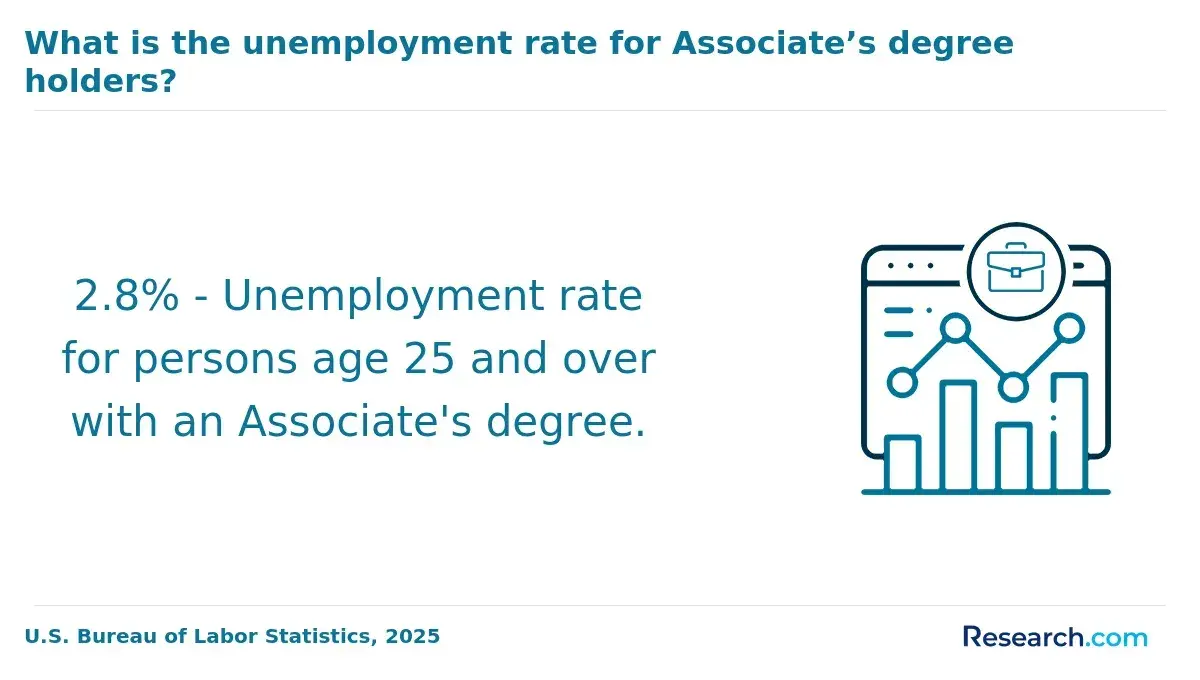
Labor market data shows that bachelor's degree holders in protective service and security management earn about 47% more than those with only a high school diploma, evidencing the economic benefit of completing a targeted degree.
However, program flexibility remains critical as many veterans juggle employment or family commitments. Asynchronous coursework and year-round enrollment mitigate scheduling conflicts and financial risk. Dedicated veteran affairs support helps streamline GI Bill certification and reduces administrative friction.
Employment outcomes and specialized alumni networks offering direct links to agencies like TSA or FEMA significantly affect transition success. Veterans should also consider programs intersecting with online forensic science courses to broaden applicable skills and career pathways.
What types of homeland security degrees can veterans earn fully online?
The practical value of fully online homeland security programs for military veterans depends heavily on the selected degree level and career ambitions. Associate degrees primarily open doors to entry-level roles supporting homeland security operations or emergency services, but they inherently limit eligibility for supervisory positions requiring a bachelor's or higher.
Bachelor's degrees offer a wider spectrum of specialization areas, such as disaster preparedness and counterterrorism, positioning veterans to compete for federal agency posts, local law enforcement jobs, or security roles in private sectors. Master's programs concentrate on leadership and strategic policy formation, targeting mid-career professionals preparing for managerial or policy-influencing roles.
From a workforce perspective, asynchronous course delivery and military-friendly credit transfers in fully online homeland security degrees for veterans facilitate balancing education with active duty or civilian employment.
However, requirements for local internships or hybrid simulations can introduce logistical challenges that must be assessed before enrollment. Cost efficiency is another dimension: average total tuition for a four-year online degree hovers near $41,000, but military discounts may lower per-credit costs to about $250, reducing total expenses by up to 35%. Veterans must verify these benefits to avoid unanticipated financial burdens.
Employers prioritize candidates whose degrees encompass federally mandated regulations, cybersecurity essentials, and interagency coordination. Access to institutional career services that navigate security clearance processes is critical for federal employment.
Veterans contemplating educational alternatives might examine analogous fields; for example, examining a master's degree in marketing can reveal comparable cost-to-outcome ratios. Such comparative research sharpens strategic decision-making in pursuing homeland security credentials aligned with evolving workforce demands.
What admission requirements do online homeland security programs have for veterans?
Admission to online homeland security programs for veterans hinges not just on academic credentials but also on the operational relevance of military experience. Many schools accept professional military education and security clearances as substitutes for traditional general education requirements, reflecting employer expectations in crisis management and intelligence functions.
Applicants must often supply transcripts, military service resumes, and leadership endorsements from commanding officers, linking military roles to academic competencies. Graduate-level programs may require standardized tests like the GRE, but this is less common given the practical focus of the field. The alignment between curriculum and federal or state certifications-such as FEMA emergency management credentials-is critical for veterans seeking roles in government agencies or contractors.
Tuition structures frequently offer significant military discounts; for instance, Liberty University's graduate rate of $290 per credit for veterans represents a 50% reduction versus standard charges. While cost savings mitigate financial barriers, veterans must also navigate admissions processes that assess security clearance status and documented technical proficiency, key determinants for placement in security-sensitive positions.
- Military training can replace general education credits, reducing time to degree completion.
- Admissions documents must demonstrate operational knowledge beyond academic records.
- Program curricula should directly support employer certification requirements to maximize employability.
- Financial discounts reduce reentry friction but do not replace clearance and competency prerequisites.
Successfully balancing these factors shapes not only acceptance but also long-term career trajectories in homeland security roles demanding both academic qualification and demonstrated professional capability.
How much do online homeland security degrees cost, and what aid can veterans receive?
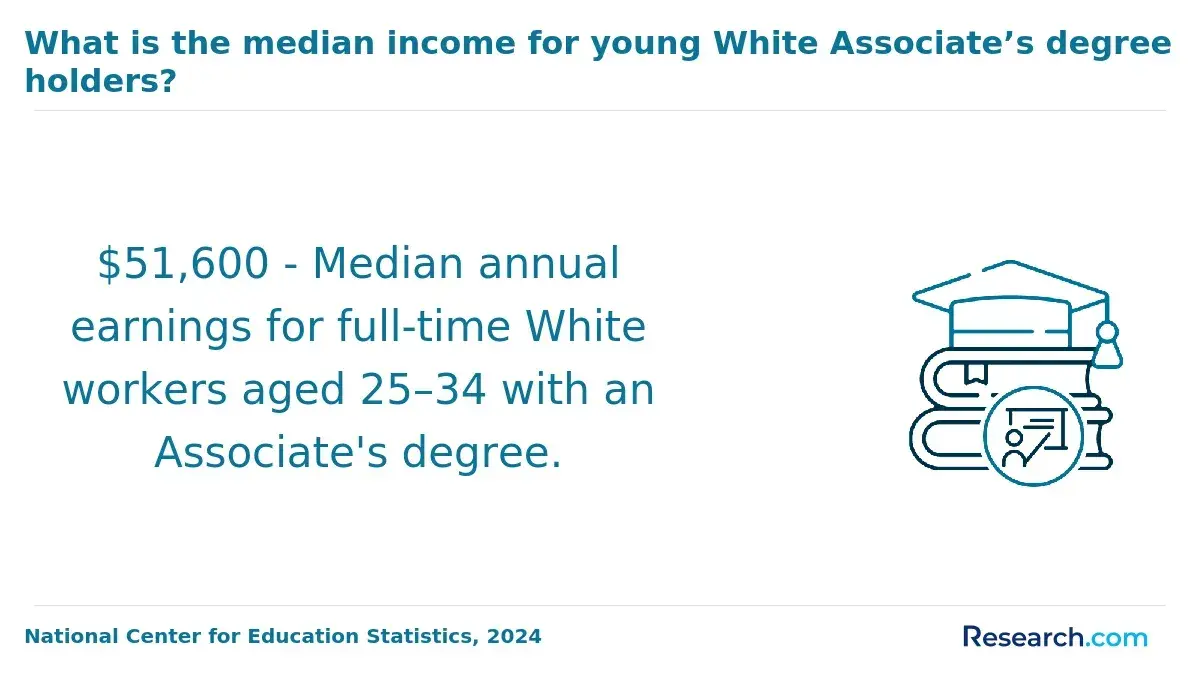
The financial reality of pursuing an online homeland security degree reflects significant variability tied to institution type, residency status, and program structure. Bachelor's programs typically range from $15,000 to $35,000, with public in-state tuition positioned near the lower threshold and private or out-of-state options often exceeding $40,000.
Veterans benefit from federal support like the GI Bill and the Yellow Ribbon Program, which can substantially reduce or eliminate tuition costs at many accredited schools.
However, veterans should anticipate additional expenses beyond tuition, including technology upgrades and reliable internet access, since over 65% of homeland security-related programs incorporate online or hybrid formats requiring digital readiness. Timing matters too: using GI Bill benefits promptly after service completion is vital as these benefits may diminish over time.
For those targeting government or public safety roles, selecting programs aligned with veteran educational benefits and employer criteria minimizes credentialing delays and certification costs. Yet, some positions will require federal security clearances or specialized certifications not covered by tuition assistance, representing further investment.
Veterans gain advantage by combining GI Bill funds with employer tuition assistance where available, balancing coverage and potential debt. Financial aid offices at veteran-centric institutions often provide targeted counseling to optimize these benefits. This approach reflects a realistic path to attenuate educational expenses while meeting workforce demands in homeland security fields.
What courses and specializations are offered in online homeland security programs?
Homeland security programs that prioritize practical application over theory better position graduates for roles within federal or state agencies, especially veterans seeking operational readiness. Emphasizing competencies such as threat detection, interagency communication, and law enforcement protocols creates a workforce attuned to real-world challenges rather than abstract concepts.
Specializations like cybersecurity demand skills in network defense, cryptography, and incident response-essential in sectors that safeguard sensitive data, including finance and healthcare. Conversely, emergency management tracks center on logistics and public safety coordination, crucial for disaster response or events requiring extensive security planning.
Key tradeoffs arise with program delivery formats: while some online offerings incorporate simulations and case studies, many lack hands-on labs, which diminishes immediate job readiness for field roles. Furthermore, tuition disparities-ranging from approximately $7,000 annually to around $8,850-reflect differences in program depth and practical exposure, influencing veterans' and professionals' choices based on budget and career goals.
What homeland security careers can veterans pursue with an online degree?
Veterans pursuing an online degree in homeland security must navigate a complex balance between practical skill acquisition and cost-efficiency while aligning with federal employment requirements. A veteran moving into cybersecurity analysis can apply military experience in network defense to meet persistent demand in both government and private sectors, but only if accompanied by relevant certifications like Certified Emergency Manager (CEM) or Certified Protection Professional (CPP).
The need for these certifications highlights the importance of understanding the specific requirements for federal employment in homeland security. Veterans should ensure that their chosen program provides the necessary training and opportunities to obtain these certifications.
Emergency management roles demand expertise in risk assessment, disaster planning, and interagency coordination, often within FEMA or local agencies. These roles prioritize operational readiness and crisis communication-areas where veteran leadership adds measurable value but requires programs that emphasize applied learning over theory.
Tuition cost differences are significant: Liberty University's military per-credit tuition of $290 halves the civilian rate, improving financial feasibility for veterans. However, evaluating program accreditation and employer recognition remains essential to ensure eligibility for security clearances and federal hiring pipelines.
- Veterans should factor in flexibility to balance coursework with deployment or reserve duties.
- Supplementing degrees with industry certifications enhances credibility and employability.
- Graduates must verify alignment with federal hiring criteria to avoid barriers related to security clearances.
Decisions on online homeland security education require weighing cost, real-world readiness, and credential validation to effectively pivot careers within federal and state security sectors.
What are the salary expectations and job outlook in homeland security fields for veterans?
Veterans moving into homeland security roles face a nuanced interplay between military experience, education, and employer expectations that directly affects salary and job progression. Median pay ranges broadly from $75,000 to $95,000 depending on specialization, with cybersecurity, emergency management, and intelligence analysis at the higher spectrum.
Those who combine military operational skills with online graduate certificates or degrees often navigate onboarding more efficiently and qualify for leadership tracks faster.
However, the cost of obtaining these credentials is a significant factor. For example, online graduate certificates in homeland security can run $710 to $811 per credit at universities like Colorado Springs, presenting a tangible tradeoff between immediate financial outlay and long-term earning potential, especially considering GI Bill benefits and time investment.
Federal roles typically require lengthy security clearances and cultural adaptation from active-duty norms, further complicating veterans' transition. Candidates without formal education may face capped salaries and slower advancement, while credential holders benefit from recognized expertise valued by government and contractors.
Important practical considerations include:
- Prioritizing accredited programs emphasizing applied skills in risk assessment and cyber operations
- Balancing tuition costs against salary uplift and career timing
- Understanding that ongoing skills updates are critical to meet evolving threat landscapes
The U.S. Bureau of Labor Statistics and Department of Homeland Security workforce data provide a concrete basis for assessing these dynamics, clarifying that educational investment is closely tied to meaningful wage and role differentiation.
How can veterans verify accreditation and quality of online homeland security programs?
Regional accreditation remains the most reliable baseline for evaluating online homeland security programs, ensuring schools meet recognized academic standards required for employer acceptance and federal aid. However, accreditation specific to homeland security or public safety-for example, endorsements from the National Security Agency's Committee on National Security Systems-adds essential discipline-focused validation that correlates with workforce needs.
In practical terms, veterans and working professionals must verify that programs articulate detailed, job-relevant competencies such as risk assessment, intelligence analysis, cybersecurity fundamentals, and emergency management. Federal agencies and contractors typically screen for candidates with tangible skills aligning with operational demands, so certificates that are vague or overly generic risk undervaluing graduates in competitive hiring environments.
Program diversity has expanded, complicating decisions. For instance, Penn State World Campus offers 14 distinct online homeland security credentials, a scale reflecting broad specialization but also the need for students to prioritize tracks matching targeted career objectives, like infrastructure protection or data analytics. Beyond curriculum, probing graduation rates and employment outcomes through trusted data sources informs realistic expectations about return on investment.
Veteran support services, GI Bill compatibility, and online delivery formats that include simulations or cross-agency collaboration exercises often distinguish programs by their practical rigor. Direct engagement with program advisors and alumni networks provides critical insight into how well the program translates into credible security sector employment.
Other Things You Should Know About Homeland Security
Online homeland security programs require significant time commitment, often with weekly deadlines and group projects that challenge students juggling full-time employment or reserve duties. Programs with asynchronous formats offer more flexibility, but the fast pace and workload intensity remain high, making time management skills essential. Veterans should prioritize programs that clearly outline course pacing and provide support services to manage competing responsibilities effectively.
Employers increasingly recognize accredited online homeland security degrees, but reputation and rigor of the institution still heavily influence hiring decisions. Degrees from well-established programs with strong alumni networks and practical coursework hold more weight than lesser-known or purely theoretical online certificates. Veterans should seek programs that emphasize applied skills and partnerships with homeland security agencies to enhance employability.
Specialized homeland security degrees offer targeted knowledge on threat assessment, emergency management, and counterterrorism, enhancing readiness for federal roles but may limit flexibility in local or state law enforcement careers.
Broader criminal justice degrees provide wider judicial system insight but might lack the deep operational focus desired by homeland security agencies. Veterans aiming for federal or intelligence positions should prioritize specialized programs despite narrower scope.
In 2027, many online homeland security programs cater specifically to veterans by providing flexible scheduling and support services. Programs such as those offered by Penn State World Campus and American Public University System are known for their robust resources tailored to veteran students, ensuring they manage their studies alongside other commitments effectively.
References
- Homeland Security Career And Salary Information https://www.criminaljusticedegreeschools.com/careers/homeland-security/
- Online Bachelor's Degree: Homeland Security https://www.umgc.edu/online-degrees/bachelors/homeland-security
- 2025 Most Affordable Homeland Security Degrees Online https://www.onlineu.com/most-affordable-colleges/homeland-security-degrees
- Homeland Security Requirements (Degrees, Jobs & Salary) https://www.allcriminaljusticeschools.com/federal-law-enforcement/homeland-security/
- Veteran and Military Spouse Employment Opportunities | CISA https://www.cisa.gov/careers/veteran-and-military-spouse-employment-opportunities
- Cybersecurity Career Guide for Veterans | Skills, Jobs, and Training https://www.cyberdegrees.org/resources/careers-for-vets/
- Jobs for Veterans in Homeland Security | Jobs for Veterans | G.I. Jobs https://www.gijobs.com/jobs-for-veterans-homeland-security
- Trident Serves Those Who Serve Our Country https://www.trident.edu/military-and-veteran/veterans/
- Types of Homeland Security Degrees | Compare Schools https://www.criminaljusticeprograms.com/specialty/homeland-security-degrees/