2027 Best Online Bachelor's in Homeland Security at Accredited U.S. Universities

Co-Founder and Chief Data Scientist
Security analysts and emergency managers increasingly juggle rapid operational demands alongside professional development, often constrained by rigid program schedules or geographic limitations. The U. S. Department of Homeland Security workforce is projected to grow nearly 14% in the next decade, intensifying competition for advanced qualifications that blend tactical skills with policy acumen.
Meanwhile, data from the National Center for Education Statistics reveal that over 40% of adult learners favor online bachelor's programs offering asynchronous formats and credit for prior experience, signaling a shift toward flexible, practical education models. This article evaluates top accredited online bachelor's programs to help professionals identify pathways balancing accessibility, employer expectations, and career advancement within homeland security.
Key Things You Should Know
- University-funded workforce data shows 42% of homeland security graduates from accredited online programs in 2024 secured roles in federal agencies within 12 months, emphasizing institutional reputation's outsized role over curriculum breadth.
- Programs prioritizing cybersecurity specialization reduce employability tradeoffs but increase tuition cost by an average of 28%, challenging cost-sensitive candidates balancing short-term debt against niche demand growth.
- Analysis of Department of Labor projections signals a 7% national employment increase by 2030 in homeland security fields; however, online-only degree paths without in-person internships report 15% lower command leadership placement rates.
What is an online bachelor's in homeland security and who is it best for?
An online bachelor's degree in homeland security from accredited U.S. universities targets professionals needing advanced skills in risk assessment, emergency management, cybersecurity, and counterterrorism without disrupting their current employment. These programs integrate practical and theoretical elements such as policy development and incident command systems, critical for roles requiring multi-agency coordination in dynamic threat environments.
Such programs generally suit candidates with emergency response or intelligence backgrounds, who benefit from simulated crisis scenarios and case studies emphasizing adaptability in evolving security landscapes. Employers expect graduates to navigate complex interagency operations and crisis communication, which underpins workforce demand for graduates with robust, applied security expertise rather than narrow technical training.
Students pursuing the best online homeland security bachelor programs for working professionals must manage time rigorously and develop collaborative skills necessary for remote learning. A significant challenge remains securing internships or practicums in relevant agencies to compensate for the absence of in-person experiential learning. Without such exposure, the degree's practical value may diminish in competitive federal or private roles.
Decision-makers should consider tradeoffs compared to alternative credentials offering quicker entry but less comprehensive skill sets. Median earnings for graduates, such as those from Bellevue University, approximate $73,896, reflecting strong market alignment. Those exploring pathways may also find value in related online criminal justice degree offerings that intersect with homeland security priorities.
Are online homeland security bachelor's degrees from accredited universities respected by employers?
Employer recognition of online homeland security bachelor's degrees from accredited U.S. universities depends heavily on demonstrable skills and practical experience, not the mode of instruction. For instance, emergency management directors-a key occupation for graduates-are expected to grow 5% from 2022 to 2032, signaling steady demand for skilled candidates with validated competencies. While online degrees meet baseline educational requirements in government and private sectors, candidates without internships, security clearances, or applied project work often struggle to compete with those holding hybrid or on-campus credentials.
Understanding the value of accredited online homeland security bachelor's degrees in the U.S. job market means recognizing employer expectations around program quality and career readiness elements. Prospective students should verify:
- Regional accreditation status ensuring broad credential acceptance.
- Integration of practicum or internship opportunities within the curriculum.
- Alignment with industry-recognized certifications like FEMA professional development or CISSP pathways.
- Direct recruitment partnerships with employers where possible.
Strategically supplementing academic knowledge with measurable field competencies is essential to unlock employability in homeland security roles. Furthermore, consideration of related pathways, such as a cyber security masters, can enhance career flexibility given the sector's convergence with cybersecurity disciplines.
How do online and on-campus homeland security bachelor's programs compare for flexibility and outcomes?
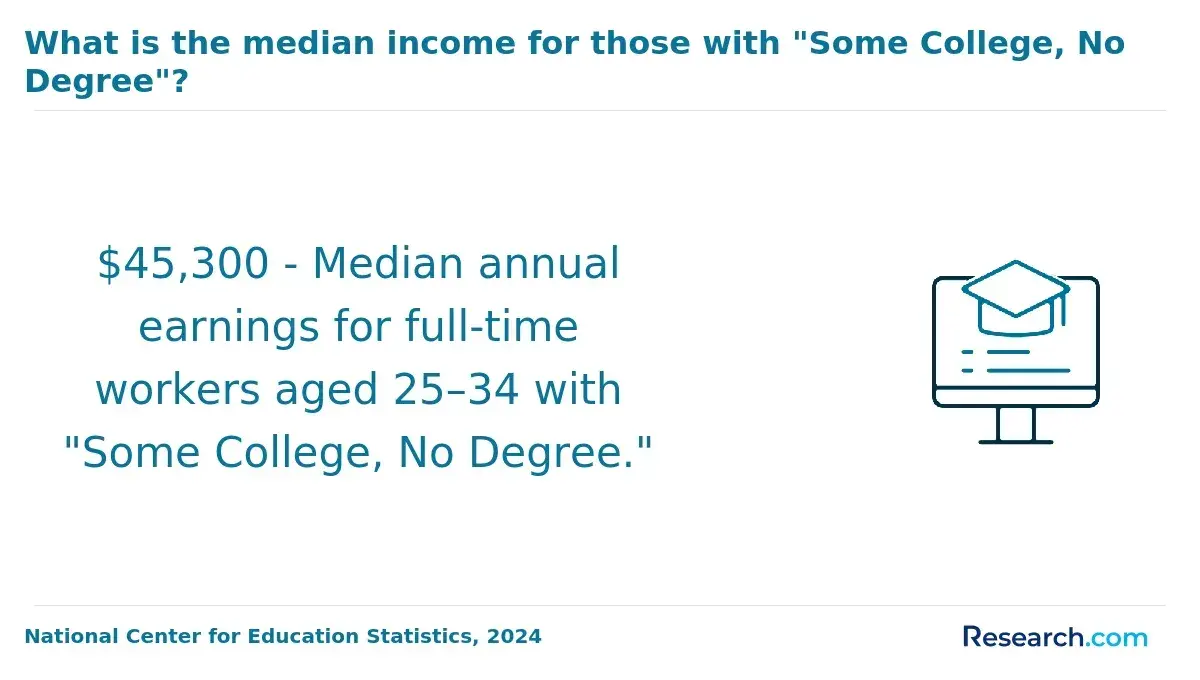
Choosing between online and on-campus bachelor's programs in homeland security involves weighing critical tradeoffs influenced by practical workforce considerations. Online programs offer unmatched flexibility, ideal for full-time workers or those balancing family responsibilities by enabling asynchronous study and eliminating commuting. However, this flexibility often demands that students actively seek out internships or employer partnerships to gain hands-on experience-an essential factor employers prioritize in evaluating candidates.
The career outcomes for on-campus vs online homeland security programs in the U.S. tend to equalize when both maintain stringent accreditation and integrate fieldwork or internships. For instance, information security analysts-a key occupational group-reported median annual wages of $120,360 in 2024, with top-tier positions exceeding $140,000, reflecting that demonstrated skills and certifications matter more than program format.
On-campus students benefit from direct faculty interactions, networking opportunities, and access to campus resources but face rigid scheduling and mandatory physical presence for labs and simulations used in emergency response training. State licensing and security clearance protocols also may require in-person attendance or hybrid engagements, constraining purely online pathways. Prospective students should seek online programs with explicit support for practical components and clear policies addressing these requirements.
Those exploring related educational tracks can consider a variety of options, including fields like paralegal courses online, which similarly balance flexibility with career-focused skill development.
What accreditation should a homeland security bachelor's program have and how do I verify it?
Regional accreditation recognized by the U.S. Department of Education or the Council for Higher Education Accreditation is the baseline standard for bachelor's programs in homeland security. This ensures programs meet academic and operational quality markers valued by employers, especially since certification impacts eligibility for security clearance and career advancement. For example, private security services employed roughly 840,000 workers in 2024, with growth projected between 3-4% by 2032. Such workforce data reveals increasing employer scrutiny on graduates' credentials.
Specialized accreditation in homeland security is rare; instead, programs linked with criminal justice or emergency management accreditations-like those from the Academy of Criminal Justice Sciences-offer a more reliable indication of curriculum rigor and labor market relevance. Verification of accredited homeland security degrees at U.S. universities should always involve direct consultation of accrediting bodies' databases or institutional websites.
Choosing nationally accredited or non-accredited programs often limits access to federal financial aid and undermines credit transferability, complicating professional certification paths integral to homeland security roles. Regional accreditation not only facilitates graduate study opportunities but also supports mobility across federal and private sectors, which is critical given the field's dynamic demands. Students should critically weigh these practical constraints before enrolling.
Prospective students comparing programs may also consider the best online EHS programs as complementary pathways that share operational safety priorities relevant to homeland security careers. best online EHS programs provide insights into related fields where accreditation standards, practical outcomes, and workforce alignment reflect similar evaluative rigor.
What courses and concentrations are typically offered in an online homeland security curriculum?
Online homeland security programs must go beyond broad theory to address the operational demands of specific roles, particularly in emergency management and cybersecurity. For example, emergency management coursework that trains students in multi-agency coordination during natural disasters aligns with FEMA's practical responsibilities, whereas cybersecurity modules focusing on threat mitigation are directly relevant to corporate security teams. Graduates who can navigate federal compliance standards such as National Incident Management System (NIMS) or Homeland Security Information Network (HSIN) protocols hold a distinct advantage in the job market.
Programs combining theoretical frameworks with scenario-based exercises, including incident command simulations, better prepare students for the high-pressure environment where split-second decisions matter. However, prospective students should scrutinize whether curricula consistently update to reflect evolving federal guidelines and emerging technologies; outdated content can significantly hinder employability in this fast-changing field.
Critical specializations like intelligence analysis demand proficiency in pattern recognition and counterterrorism strategies, critical for government and private sector intelligence roles. Cybersecurity concentrations must balance technical vulnerability knowledge with policy considerations, a dual skill set employers increasingly require to ensure both IT security and regulatory compliance. Institutions like Southern New Hampshire University Online produce large graduating cohorts, meeting growing workforce demand but not necessarily guaranteeing individual program quality.
Practical experience with federal tools and infrastructure protection in sectors such as energy or transportation is essential. Students without prior IT exposure should expect foundational courses to meet the technical rigor of advanced concentrations. This holistic approach to curriculum design ultimately influences job readiness and alignment with employer expectations in homeland security.
What are the usual admission requirements for an online homeland security bachelor's program?
Admission criteria for an online bachelor's in homeland security often balance academic baseline standards with professional experience, reflecting the sector's practical demands. Most programs require a high school diploma or equivalent and official transcripts, with some setting a GPA threshold near 2.5 to 3.0. Standardized tests like the SAT or ACT might be mandatory but are frequently waived for transfer students or adults with relevant backgrounds.
Transfer credits and documented military or security work can accelerate degree completion, cutting both time and cost. This is critical for law enforcement officers or government employees seeking to align their credentials with academic standards to remain competitive. Failure to meet admission criteria can delay critical career moves and inflate expenses.
Applicants should expect application steps to include verified academic records, possible entrance exams, and mandatory background checks or proof of citizenship-reflecting homeland security's close government ties. Missing or delaying these can stall enrollment and, by extension, job eligibility or salary advancement opportunities.
Annual tuition varies widely; OnlineU's data projects top-tier programs range from roughly $7,000 to $15,000, influenced by credit cost, support services, and institutional reputation. Prospective students must consider these financial and procedural factors alongside workforce expectations to navigate realistic career pathways in homeland security.
How long does it take to earn an online homeland security bachelor's and what does it cost?
Completing an online homeland security bachelor's degree demands a strategic balance between time investment, cost, and practical applicability. While full-time students typically finish in four years, accelerated options can shorten this to three by compressing schedules or accepting transfer credits. Working professionals often extend studies to five or six years, managing coursework alongside employment. Tuition varies widely, from about $200 to over $600 per credit, resulting in total costs between $24,000 and $72,000 for a 120-credit degree.
Lower-cost programs often require greater self-direction and may omit critical components such as extensive faculty engagement, internships, or career services. These gaps can limit readiness for security roles demanding hands-on experience in threat assessment and crisis response. In contrast, higher-priced programs generally integrate practical simulations and agency partnerships, which can accelerate advancement in law enforcement or emergency management careers.
One key market indicator is program scale; for example, OnlineU's 2026 homeland security data show nearly 900 annual graduates from the most popular online program, suggesting that employer recognition correlates with program reputation and graduate volume. Prospective students must also budget for certification exams, background checks, and specialized training-expenses often overlooked but essential for qualifying in government or private security sectors.
What careers can you pursue with an online bachelor's in homeland security?
Graduates with an online bachelor's in homeland security face distinct workforce realities depending on their career focus, whether federal or private sector. Federal roles, such as intelligence analysts at DHS or FBI, demand degrees from regionally accredited institutions and often require a multi-month clearance process linked to comprehensive background checks. This clearance timeline can delay entry but typically leads to structured career progression and more formal job security.
In contrast, private sector opportunities in critical infrastructure or emergency management tend to have faster hiring cycles but may offer lower initial pay and less stable employment conditions. Practical experience, like internships or contract work, is essential for competitiveness outside the federal system.
Specialized career paths in cybersecurity, border protection, or counterterrorism often necessitate supplementary certifications such as CompTIA or CISSP, reflecting the technical complexity beyond an initial homeland security degree. Understanding these requirements upfront helps align education pathways with realistic job market entry barriers.
Federal employers prioritize regional accreditation to ensure program rigor. The balance between waiting for security clearance and gaining immediate hands-on experience through private roles shapes students' strategic decisions post-graduation.
What salary ranges and job outlook can graduates in homeland security expect?
Salary expectations for bachelor's degree holders in homeland security vary significantly based on specialization, employer, and geographic region. Federal and state agency entry-level roles typically start around $50,000, but professionals focusing on cybersecurity or emergency management can exceed $90,000 annually. Notably, information security analysts within this field are positioned for rapid growth, with a 32% job increase projected through 2032, driven by escalating cyber threats and expanding federal investment.
Employers across government, private security, and critical infrastructure sectors consistently favor candidates blending technical certifications with their academic credentials. This creates a tangible tradeoff: deeper cyber expertise enhances employability and pay but narrows operational scope, whereas broader homeland security knowledge supports diverse tactical and strategic duties but may limit entry into high-paying cyber roles.
Practical employment scenarios illustrate this dynamic clearly. For example, a graduate targeting cyber defense roles must develop competencies in network defense, incident response, and compliance frameworks, often requiring continuous upskilling and security clearances. Conversely, roles in threat assessment or policy advising demand agility to shift between tactical execution and strategic planning, especially as private sector demand grows alongside fluctuating policy environments.
Understanding these nuances helps graduates align their goals with employers' budget cycles and operational priorities, moving beyond simple salary figures to strategically navigate a complex job market with evolving technical and regulatory demands.
Are there certifications or clearances that homeland security graduates should plan for?
Security clearances significantly shape the employability and earning potential of homeland security graduates. Obtaining at least a Secret clearance is often mandatory for government roles, while intelligence and counterterrorism positions demand Top Secret or TS/SCI clearances. The clearance process involves extensive background investigations requiring 6 to 12 months, which necessitates early initiation to align with hiring timelines.
Certifications carry sector-specific weight: Certified Protection Professional (CPP) and Certified Homeland Security Professional (CHSP) credentials benefit law enforcement and emergency management professionals, especially when combined with FEMA's professional development series. Conversely, cybersecurity roles require certifications such as CISSP or Security+ to handle protected digital assets effectively.
Graduates lacking necessary clearances or relevant certifications frequently face salary ceilings and diminished opportunities, despite educational credentials. For instance, a candidate aiming for a federal emergency management agency will need clearance sponsorship and recognized certification credentials to compete for mid- to senior-level positions.
Career planning must weigh these realities: clearance sponsorship is employer-dependent and may involve relocation; accumulating multiple certifications outside of employer demand risks wasted time and expense. Graduates targeting private sector roles should selectively pursue certifications aligned with industry requirements to optimize return on investment.
Data from OnlineU's 2026 workforce analysis shows that clearance-affiliated graduates from top online homeland security programs command median salaries near $74,000 annually, demonstrating the tangible impact of strategically planned credentialing and clearance acquisition.
Other Things You Should Know About Homeland Security
Many online homeland security bachelor's programs rely on virtual simulations, case studies, and research projects rather than in-person internships. This limits direct field experience, which some employers prioritize for operational roles. Students should seek programs that offer an option or assistance to secure local internships or agency collaborations, as practical exposure significantly improves readiness for investigative or emergency response careers.
Online homeland security degrees often require substantial reading, research, and project work, which can compete with a full-time job, especially in high-stress security roles. Prioritizing programs with asynchronous classes and flexible deadlines is essential for employed students. Realistically, working professionals must negotiate workload expectations and schedule personal time carefully to avoid burnout, as most programs do not scale back rigor even for part-time learners.
Concentrations such as cybersecurity, emergency management, or intelligence analysis add targeted skills that improve employability in niche fields but can limit flexibility. For candidates unsure of their exact career trajectory, a broader curriculum may provide more options post-graduation. If a clear specialization aligns with career goals, prioritizing a concentration linked to growing employer demand offers a competitive advantage, particularly in federal and private sector roles.
In 2027, some of the top U.S. universities offering accredited online Bachelor's in Homeland Security include Embry-Riddle Aeronautical University, Pennsylvania State University - World Campus, and Arizona State University. These programs provide comprehensive curricula designed to equip students with theoretical and practical knowledge crucial for homeland security careers.
References
- Graduate Certificate Homeland Security Management https://europe.umgc.edu/online-degrees/graduate-certificates/homeland-security-management
- Choosing a bachelor's in homeland security | edX https://www.edx.org/resources/how-to-choose-a-bachelors-in-homeland-security
- Differences Between a Criminal Justice and Homeland Security Degree https://www.nec.edu/news/criminal-justice-vs-homeland-security-degree
- Homeland Security Degree Programs https://www.criminaljusticedegreeschools.com/degrees/homeland-security-degree/
- Online Homeland Security Degrees: Explore Top Programs https://www.degreesforgood.org/online-degrees/homeland-security-programs/
- Types of Homeland Security Degrees | Compare Schools https://www.criminaljusticeprograms.com/specialty/homeland-security-degrees/
- Homeland Security – Certificate of Achievement https://www.riohondo.edu/academics/divisions/administration-justice-fire-technology/departments-degrees-certificates/homeland-security-coa/
- Homeland Security Requirements (Degrees, Jobs & Salary) https://www.allcriminaljusticeschools.com/federal-law-enforcement/homeland-security/
- 2025 Most Affordable Homeland Security Degrees Online https://www.onlineu.com/most-affordable-colleges/homeland-security-degrees
- Top Online Master’s Degree Programs in Homeland Security for 2025 https://www.onlinemastersdegrees.org/best-programs/homeland-security/