2027 Online Homeland Security Degrees That Help Build Counterterrorism Skills

Co-Founder and Chief Data Scientist
Professionals confronting escalating domestic and international threats must rapidly acquire counterterrorism expertise aligned with evolving security protocols and intelligence methods. Balancing full-time employment and family commitments, many face limited access to specialized, flexible education options.
Recent data from the National Center for Education Statistics shows a 21% increase in online enrollment among adult learners in security-related programs, signaling a shift toward accessible, career-compatible learning formats.
This reflects broader workforce demands for agile skill acquisition and credentialing without geographic or schedule constraints. This article examines leading online homeland security degrees designed to build counterterrorism skills, guiding readers through practical considerations that optimize career advancement and operational readiness.
Key Things You Should Know
- Federal data show that only 27% of online homeland security graduates enter counterterrorism roles within two years, emphasizing the need to align specialized curricula with evolving DHS threat priorities.
- Employers prioritize candidates with combined cybersecurity and policy analysis training; lack of interdisciplinary focus often limits graduate competitiveness in DHS and associated intelligence agency hiring pools.
- Cost and duration disparities persist, as programs averaging $35K over three years delay market entry compared to two-year, $20K certificates, impacting ROI for mid-career professionals seeking rapid advancement.
What are online homeland security degrees?
Choosing among online homeland security degree programs in the US requires analyzing how well curricula address practical counterterrorism skill sets such as threat assessment, risk management, and cybersecurity.
Successful programs balance technical proficiency, particularly in information security, which is projected to grow 29% through 2034 according to the U.S. Bureau of Labor Statistics, with operational scenarios that mirror government and private sector environments. For instance, candidates who engage in scenario-based exercises and virtual labs develop analytical rigor that employers in counterterrorism consistently demand.
The tradeoff between limited live instructor interaction and the flexibility to maintain full-time employment in public safety or intelligence roles is a key consideration. Programs that offer pathways to recognized certifications and internships help bridge networking gaps common in online formats.
This is especially important for professionals pursuing the best homeland security degrees for counterterrorism careers, where interdisciplinary knowledge-combining technology, policy, and law enforcement-is vital.
Degrees often specialize; some emphasize cybersecurity defense critical to protecting infrastructure, while others focus on emergency management coordination. Aligning specialization choices with target job roles influences a candidate's market viability.
Evaluating how programs integrate real-world applications alongside theoretical frameworks can also shape long-term career outcomes. For those evaluating related pathways, reviewing the best online criminal justice degree programs can offer comparative insight into program affordability and focus.
How do homeland security degrees build counterterrorism skills?
Homeland security degrees for counterterrorism develop critical analytical and operational capabilities by integrating interdisciplinary theory with applied skills in threat detection, risk management, and coordinated response.
Students trained in these programs learn to identify terrorist activities through data-driven intelligence, leveraging methods such as statistical modeling and advanced cybersecurity measures. For instance, a federal analyst may use these tools to recognize unusual communication patterns signaling an imminent threat, enabling proactive interventions that blend technology with tactical insight.
Curricula prioritize scenario-based training and crisis simulations, fostering decisive action under pressure while refining interagency collaboration skills essential for navigating local, state, and federal operational frameworks. This practical emphasis mitigates a common gap among graduates: capability not just in policy understanding but in executing real-time countermeasures during emergencies.
Additionally, programs address legal and ethical boundaries, preparing students to balance security objectives with civil liberties and regulatory compliance - a persistent complexity in counterterrorism efforts.
Students considering accelerated cyber security degree online options can find relevant overlaps, as cybersecurity expertise increasingly intersects with homeland security missions.
Employment outcomes reflect this demand; recent homeland security graduates earn average starting salaries near $68,089, with upper-tier roles exceeding $165,000 according to CollegeFactual. These figures emphasize the economic value of targeted education combined with specialized experience.
Practical evaluation of online homeland security degree programs for counterterrorism must weigh factors such as hands-on training availability, alignment with employer technical expectations, and capacity to navigate evolving threat environments. Graduates' ability to integrate ethical considerations and operate within complex regulatory landscapes remains as vital as their technical competencies.
Are online homeland security degrees accredited and respected by employers?
Online homeland security degrees carry weight largely based on their accreditation status, which remains a primary filter for employers validating candidate qualifications. Institutions with regional or national accreditation recognized by the U.S. Department of Education or the Council for Higher Education Accreditation assure that academic rigor and industry relevance are met, crucial for roles requiring security clearances or advanced responsibilities.
Employers-especially in federal agencies and government contractors-favor graduates who hold degrees from these accredited online homeland security degree programs as proof of verified competence.
However, accreditation alone is insufficient if practical training is lacking. For example, an emergency management director, a position with a median salary of $82,570, must demonstrate applied crisis response skills beyond theory. Programs that incorporate internships, simulations, or partnerships with homeland security agencies better prepare students for operational realities.
Employers overseeing positions such as police and detective supervisors ($93,100 median) or homeland security managers ($115,590 median) expect evidence of both academic standards and hands-on experience.
Students should weigh employers' expectations carefully, understanding the tradeoff between accessible online formats and the challenge of acquiring field experience remotely. Supplemental certifications or local agency involvement are likely necessary to bridge this gap.
Additionally, prospective students would benefit from exploring related fields and career intersections, such as the pros of being a forensic psychologist, which may influence strategic educational choices within homeland security domains.
What coursework is included in an online homeland security program?
Online homeland security programs prioritize coursework in counterterrorism skills development coursework that addresses practical demands such as threat recognition and emergency management. Cybersecurity training emphasizes protection of critical infrastructure, responding directly to expanding federal IT roles within DHS.
Intelligence analysis courses teach students to integrate wide-ranging data, a skill valued equally by government agencies and private contractors. In practice, students who master these skills are better positioned for roles requiring rapid decision-making under pressure, such as coordinating multiagency disaster response efforts.
Risk assessment and mitigation courses prepare students to design adaptable security strategies for diverse environments, from urban centers to transportation hubs. Legal and ethical training grounds students in the constitutional and civil liberties frameworks that govern operations, a necessary foundation for compliance in policy-driven federal and private sector positions.
Applied components like internships or capstones tied to government or industry partners deliver critical real-world experience, enhancing analytical and managerial abilities that purely theoretical curricula lack.
According to BestColleges, graduates with an online homeland security program curriculum can pursue roles in information technology, intelligence, travel security, and disaster response across DHS departments, reflecting broad federal demand. Students should weigh programs' applied experience offerings heavily, as lacking these leads to underpreparedness for operational complexities.
Those considering educational pivots may also examine if can you become an architect online options better fit their timeline or career goals, ensuring alignment of practical training with workforce expectations.
What admission requirements do online homeland security programs usually require?
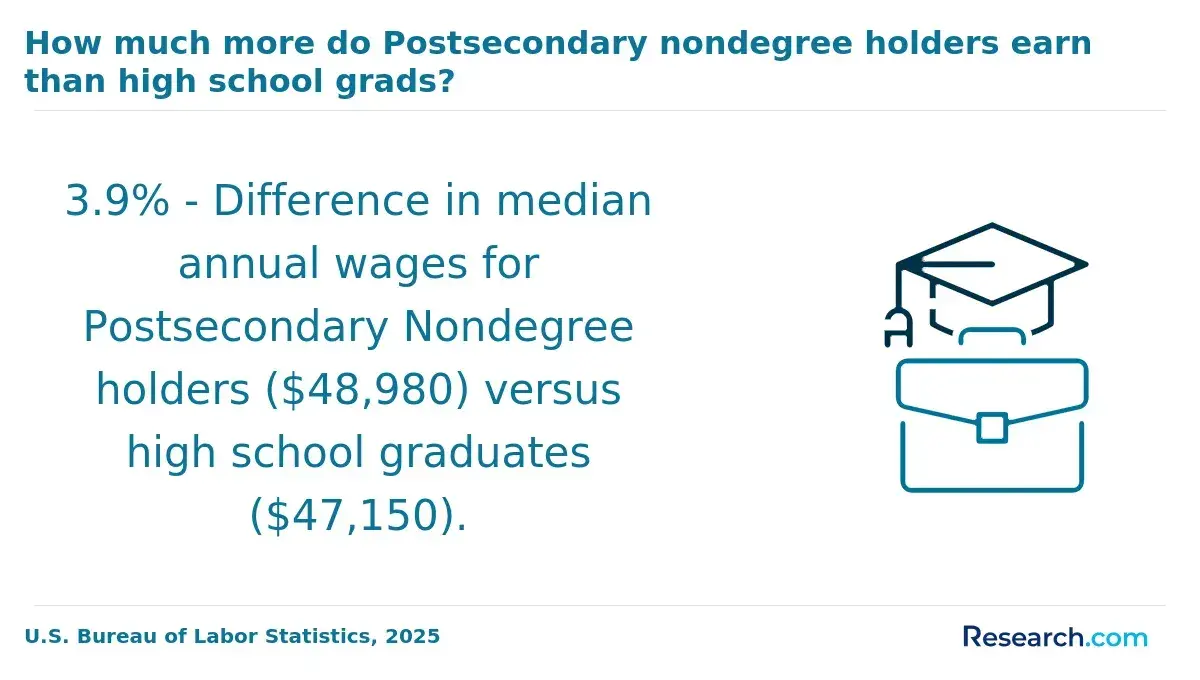
Admission into online homeland security programs reflects critical screening beyond academic credentials-candidates must balance eligibility with operational realities. Undergraduate entry usually requires a high school diploma or equivalent, while master's programs demand a bachelor's degree with a minimum GPA around 2.5 to 3.0, depending on the institution. However, meeting these criteria does not guarantee suitability for all career paths within this field.
Applicants targeting federal or state law enforcement roles tied to homeland security face rigorous background checks that can disqualify them despite academic success. Professionals already in the field must select programs offering flexible, asynchronous schedules to manage shift work effectively.
Employers particularly emphasize degrees from regionally accredited schools, aligning educational investments with recognized standards that influence median police and detective salaries, reported at $75,570 nationally.
International students or those without STEM backgrounds often encounter supplementary requirements such as English proficiency tests or foundational cybersecurity courses, reflecting workforce demands for technical competence. Clearance eligibility considerations further restrict admissions for candidates with unresolved legal issues or foreign ties.
How long does an online homeland security degree take to finish?
Completion times for an online homeland security master's program vary significantly, reflecting critical choices about pacing and professional demands. Full-time students typically finish within 18 to 24 months, covering 30 to 36 credits.
However, many working professionals extend this to three or more years, balancing coursework with job responsibilities. Accelerated options under 18 months exist but require continuous, intensive study, which can be unrealistic for active security personnel.
Cost and depth of learning are closely tied to credit requirements. For instance, St. John's University's 36-credit program charges $1,000 per credit, totaling roughly $36,000 before fees. Shorter programs with fewer credits might save time but often compromise the breadth and complexity of material essential to meet employer expectations in federal, state, and private sectors.
Overly extended timelines risk knowledge erosion and can delay the workforce reentry crucial for roles with rapid intelligence or counterterrorism demands.
Consider a federal analyst pivoting to homeland security: rushing the degree may expedite skill acquisition but reduce immersion needed for nuanced threat assessment. Conversely, prolonging studies could increase indirect costs and miss networking windows vital for stakeholder engagement.
Key considerations include:
- Balancing rapid credentialing against comprehensive skill mastery.
- Weighing tuition and non-tuition costs over program length.
- Planning for optimal pacing to maintain knowledge retention and relevant connections.
What do online homeland security degrees cost?
Costs for online homeland security master's degrees typically range from $15,000 to $45,000, reflecting the influence of institution type, residency, and credit load. Public universities charge between $500 and $1,200 per credit hour, while private schools often exceed $1,200. For a 30-credit program, this may mean paying roughly $18,000 at a public institution and upwards of $36,000 at a private one, exclusive of additional fees and textbooks.
Students need to weigh these tuition expenses alongside opportunity costs such as reduced working hours or career interruptions. Federal employers frequently require degrees from accredited programs but emphasize practical experience as equally important. Consequently, many professionals must assess whether reducing work commitments is sustainable without employer support.
Financial aid through federal loans is broadly available, yet targeted scholarships in homeland security remain scarce. Employer tuition assistance can mitigate costs but usually hinges on approval tied to job relevance. Key practical considerations include:
- Estimating total expenses including indirect costs beyond tuition.
- Confirming program alignment with agency hiring criteria, such as those at the Department of Homeland Security.
- Recognizing shorter certificate programs may reduce tuition but often lack the depth required for senior-level roles.
Online offerings like those from Penn State World Campus attract diverse students nationwide, illustrating persistent demand and the need to balance cost, reputation, and access. Students pursuing career pivots should prioritize programs providing both comprehensive coursework and applicable experience to sustain employability in the homeland security workforce.
What jobs can you get with an online homeland security degree?
A targeted online homeland security degree demands evaluating the balance between academic specialization and practical employability. Roles in intelligence analysis, counterterrorism, emergency management, and cybersecurity require both deep subject mastery and applied skills such as threat assessment and interagency coordination.
For instance, federal intelligence analysts must rapidly process large datasets to discern credible threats-an ability honed through programs incorporating real-world case studies and operational frameworks.
Programs like Nichols College's 18-month Master of Science in Counterterrorism emphasize focused expertise in violent extremism, terrorism tactics, and prevention strategies, aligning with a workforce trend toward specialized graduate education.
However, prospective students should anticipate challenges including mandatory government security clearances, which can delay hiring or exclude candidates with certain legal backgrounds.
Employers often value supplemental certifications and experience managing federal grants or protecting critical infrastructure, revealing a premium on combined credentials and practical know-how. Growth projections from the U.S. Bureau of Labor Statistics estimate a 10% increase in security management jobs through 2032, driven by intensifying national security priorities.
Advancement frequently depends on strategic specialization, with senior roles commanding salaries between $75,000 and over $120,000, varying by agency and location. Networking and continuous credential renewal remain critical in competitive sectors like private security consulting, where practical experience often weighs equally with formal education.
What salary and job outlook can homeland security graduates expect?
Salary outcomes for homeland security graduates depend heavily on role, experience, and geography, with median pay ranging from $60,000 to over $100,000 annually. For example, intelligence officers-common career paths for these graduates-can surpass $100,000, especially with experience and location advantages at institutions like the University of Texas at San Antonio.
Entry-level positions, including emergency management specialists or security analysts, usually start between $50,000 and $70,000, offering upward mobility as individuals gain security clearances and technical skills.
The field's job growth rate, projected at 7% by the Bureau of Labor Statistics through 2033, signals steady demand. However, candidates face stiff competition, particularly for federal roles where a combination of degree credentials, certifications, military or law enforcement experience, and specialized expertise in cybersecurity or data analysis is often required.
Choosing between federal employment and private or local sector roles requires weighing tradeoffs: federal jobs tend to pay more and offer benefits but may require relocation and involve lengthy security clearance processes that delay entry. Private and local agencies provide geographic flexibility with potentially lower salaries.
Maximizing employability relies on targeted steps such as pursuing internships, developing language proficiency, and mastering intelligence or emergency management software prioritized by employers. Understanding these practical constraints alongside salary trajectories is critical for mapping a career path in homeland security.
Which certifications help homeland security graduates advance?
Certification choices in homeland security directly influence career trajectories and must align tightly with targeted roles and employer expectations. Management positions with federal agencies demand credentials like the Certified Homeland Protection Professional (CHPP) for strategic oversight of counterterrorism initiatives, whereas roles focusing on physical security benefit from the Certified Protection Professional (CPP).
Cybersecurity-intensive positions, particularly within intelligence or emergency communications, prioritize qualifications such as the Certified Information Systems Security Professional (CISSP).
Projected growth in homeland-security-related management jobs approaches 8.0% from 2016 to 2026, with over one million projected positions, reinforcing the practical necessity of recognized certifications. Employers habitually require certifications obtained within five years to ensure current expertise, alongside ongoing continuing education commitments-elements that represent significant time and financial investments.
Students and professionals should consider these tradeoffs carefully. For example, choosing to pursue CISSP may open advanced cyber roles but demands rigorous technical preparation and maintenance, whereas CPP focuses on physical security risks relevant to state and local agencies.
Acquiring multiple certifications can accelerate progression but often prolongs credentialing timelines and increases costs. Candidates lacking contemporaneous certifications risk stagnation despite educational background, given the operational preference for validated, current credentials in hiring.
The practical impact of these credentials depends on a clear alignment between certification, job function, and agency mission. Prioritizing certification pathways that reflect specific agency needs yields the greatest leverage in employment and advancement opportunities.
Other Things You Should Know About Homeland Security
Employers value hands-on simulations in online homeland security degrees because they provide practical experience in crisis scenarios, making graduates more adaptable to real-world challenges. While policy analysis is crucial for strategic decision-making, simulations are seen as vital for immediate problem-solving skills which are highly regarded in counterterrorism roles.
Employers in homeland security increasingly accept online degrees if the program is accredited and includes relevant practical experience. However, agencies with strict vetting or security clearance processes may prefer candidates who have completed some in-person training. When evaluating programs, candidates should seek ones that integrate internships or fieldwork and offer strong alumni networks, since these elements improve employability beyond degree format alone.
Most online programs provide asynchronous coursework to fit working schedules but expect students to manage demanding reading, research, and project deadlines independently. Programs that require real-time participation or group collaboration can complicate scheduling for full-time workers. Selecting programs with clear time commitments and flexible deadlines will reduce dropout risk and ensure meaningful skill development without sacrificing job performance.
Federal agency-focused programs offer deep insight into national security protocols, beneficial for students targeting federal employment. However, state and local government roles require understanding localized threat landscapes and interagency coordination, which some broader programs emphasize more effectively. If your goal is career versatility, prioritize programs with curriculum spanning federal, state, and local perspectives rather than narrow federal agency models.
References
- University Catalog 2026-2027 https://catalog.tulane.edu/professional-advancement/emergency-security-studies/homeland-security-defense-certificate-graduate/
- Online Homeland Security Degrees: Explore Top Programs https://www.degreesforgood.org/online-degrees/homeland-security-programs/
- Types of Homeland Security Degrees | Compare Schools https://www.criminaljusticeprograms.com/specialty/homeland-security-degrees/
- Counter Terrorism Degree Programs https://www.criminaljusticedegreeschools.com/degrees/counterterrorism-degree/
- Homeland Security Degree Online | Find Top Programs & Information https://www.firescience.org/homeland-security-degree-programs-online/
- 2025 Most Affordable Homeland Security Degrees Online https://www.onlineu.com/most-affordable-colleges/homeland-security-degrees
- Online Bachelor's Degree: Homeland Security https://www.umgc.edu/online-degrees/bachelors/homeland-security
- Choosing a bachelor's in homeland security | edX https://www.edx.org/resources/how-to-choose-a-bachelors-in-homeland-security
- Homeland Security Requirements (Degrees, Jobs & Salary) https://www.allcriminaljusticeschools.com/federal-law-enforcement/homeland-security/