2027 Online Homeland Security Degrees That Help Build Leadership for Promotions

Co-Founder and Chief Data Scientist
Facing a sudden vacancy in mid-level homeland security leadership reveals a harsh reality: promotions demand specialized credentials combined with proven operational knowledge. Traditional degree programs rarely accommodate the unpredictable schedules of current professionals, leaving a gap between skill acquisition and career advancement.
Recent data from the National Center for Education Statistics shows a 15% annual increase in online enrollments among adult students, reflecting a growing need for flexible, career-aligned education. This shift addresses the timing and accessibility barriers but also challenges students to discern programs that directly enhance leadership competencies employers prioritize. This article analyzes online homeland security degrees designed to bridge that gap and accelerate promotions effectively.
Key Things You Should Know
- Enrollment in online Homeland Security degrees grew 18% from 2023 to 2025, yet 42% of graduates report employer skepticism about online credentials, impacting promotion trajectories despite growing program rigor.
- Federal workforce data shows leadership roles demand 5+ years of operational experience; degrees without targeted practicum components delay career advancement by up to 2 years.
- High tuition costs averaging $28,000 for online programs create a cost-time tradeoff, pressuring professionals balancing accelerated degree completion against potential short-term income loss.
What are online homeland security degrees?
The practical value of online homeland security degree programs is best measured by how effectively they prepare students for leadership roles that demand nuanced risk assessment, interagency coordination, and adaptive crisis management. Graduates often pivot into supervisory positions managing emergency response efforts across jurisdictions or lead cybersecurity defenses in environments handling sensitive government or corporate data.
These degrees address workforce realities by accommodating asynchronous learning, crucial for professionals balancing irregular shifts or deployments. However, to maintain relevancy, programs must continuously update curricula with evolving threat scenarios and contemporary tools, ensuring graduates meet employer expectations for technical and strategic proficiency.
Employment data reinforce the degree's market value: intelligence analysts, a key leadership track, commanded a median wage of $103,620 with a 4% growth projection over ten years, according to the U.S. Bureau of Labor Statistics summarized by CollegeTransitions. This underscores a steady demand for professionals skilled in synthesizing complex intelligence and leading multi-agency operations.
Choosing the best online homeland security degrees for leadership development requires aligning educational content with specific career objectives-whether in federal law enforcement, emergency management, or cybersecurity-rather than pursuing generic credentials.
For those concerned about financial investment, understanding the criminal justice degree cost can provide valuable context to compare tuition and fees within this sector.
Why do accredited online homeland security degrees matter?
Employers in federal, state, and local agencies consistently prioritize candidates with accredited online homeland security degrees because these credentials confirm proficiency in critical leadership competencies such as risk assessment, crisis coordination, and strategic planning.
For instance, emergency management directors earn a median annual salary of $79,180 with a projected 5% growth rate and about 1,500 job openings annually, illustrating how recognized homeland security programs are essential for leadership roles in this expanding field.
Accreditation directly impacts eligibility for these roles-non-accredited programs often lack standardized curricula and timely updates, which limits real-world applicability and advancement opportunities. Practical benefits include smoother access to necessary certifications and security clearances frequently mandated for supervisory positions. Without accreditation, experienced professionals may face barriers despite their operational background.
For working professionals seeking a strategic pivot, accredited online programs offer flexible yet credible pathways to cultivate domain-specific skills demanded by government and private sector employers facing evolving threats and regulatory landscapes.
This practical alignment is a key reason why accredited online homeland security degree benefits for career advancement extend beyond basic credentials to measurable career outcomes.
Those evaluating educational options should also consider the value of related cybersecurity graduate programs, which often intersect with homeland security challenges and leadership demands.
How do online and campus homeland security programs compare?
The choice between online homeland security degree vs campus programs involves more than convenience; it significantly affects career trajectory and employer perceptions. Campus programs provide face-to-face interaction with instructors who have operational experience, along with hands-on simulations and direct collaboration.
These elements are often crucial for candidates targeting leadership roles in agencies valuing physical presence, such as federal or local governments with strict physical-security mandates.
By contrast, online programs offer essential flexibility to professionals balancing shift work, relocations, or ongoing employment. This modality suits roles where remote work is typical, like intelligence analysts in federal agencies, allowing educational advancement without operational disruption.
However, skepticism remains among some agencies around online credentials, especially where in-person teamwork and vetted clearances are mandatory.
For instance, an emergency management officer seeking advancement within a municipal fire department may find a campus program's alignment with local response units strategically advantageous. Deciding between these pathways depends on workplace flexibility, agency culture, and the practical realities of meeting leadership criteria.
Key factors to consider include:
- Networking opportunities and face-to-face mentorship in campus programs.
- Flexibility and continuity of employment offered by online programs.
- Employer recognition influenced by physical presence and security clearance requirements.
Leadership roles in homeland security typically command salaries ranging from $70,000 to $140,000 annually, reflecting experience and clearance levels. An informed decision aligns educational format with long-term career logistics, agency expectations, and professional development resources. For a deeper understanding of related fields, explore what can I do with a masters in forensic psychology.
What courses are in a homeland security degree?
Leadership courses in homeland security programs reflect a distinct operational focus on risk assessment and interagency coordination rather than front-line enforcement. Core curriculum components emphasize threats analysis, emergency preparedness, counterterrorism methods, intelligence analysis, critical infrastructure protection, and national security policy.
Practical application often includes crisis communications, legal frameworks, disaster response coordination, and simulations or internships that align with FEMA and Department of Homeland Security competencies.
For example, graduates may lead multi-stakeholder efforts in response to cyberattacks or natural disasters within government or private sectors, requiring strategic resource management and policy navigation rather than patrol duties. Such roles, including emergency management directors, command median wages significantly below those of police supervisors-$79,180 versus $101,380-highlighting tradeoffs between operational command and direct law enforcement authority.
Key logistical considerations for students include verifying program accreditation and ensuring coursework delivers real-world readiness. Unlike traditional criminal justice degrees that stress courtroom and law enforcement procedures, homeland security degree curriculum is geared toward broad leadership in crisis and risk management environments.
As a practical alternative or complement, students might consider forensic psychology graduate programs online, which provide skills applicable to investigative and analytical roles within security frameworks. More details on this approach are available at forensic psychology graduate programs online.
What admission requirements do homeland security programs usually ask for?
Admission to homeland security graduate programs often hinges on a critical balance between academic credentials and demonstrated operational experience. Federal agencies and public safety employers tend to favor candidates who can document practical leadership or fieldwork over those with solely impeccable academic records.
For working professionals targeting advancement, this means compiling clear evidence of managerial roles or intelligence-related duties alongside meeting GPA thresholds, frequently around 3.0.
Applicants must also navigate procedural requirements that impact timelines: security clearances and background investigations are standard in federal or defense-focused programs and can delay enrollment by weeks or months.
The GRE may be optional but submitting competitive scores, such as above 150 in verbal and quantitative areas, can enhance admissions prospects in selective programs. Essays or personal statements that concretely outline career objectives and leadership intentions remain important evaluative components.
Tradeoffs between asynchronous course offerings and synchronous participation affect professionals balancing full-time roles, with some programs crediting prior military or law enforcement service to accelerate progress. This practical flexibility can determine timely degree completion and relevance to ongoing duties.
The 85% surge in specialized homeland security degrees underscores growing demand, but increased competition raises the bar for meeting these multifaceted admission criteria effectively.
The net effect is a landscape where applicants must strategically align academic, experiential, and procedural readiness-not merely rely on credentials alone-to secure positions that connect educational pathways with evolving employer expectations in homeland security sectors.
How long does an online homeland security degree take?
Completion time for an online homeland security graduate degree significantly affects workforce outcomes, balancing educational depth against career momentum. Full-time students typically finish within 18 to 24 months, while part-time candidates may take 3 to 4 years, extending their timeline to accommodate job demands. For example, a 36-credit Master of Professional Studies in Homeland Security and Criminal Justice usually fits this pattern.
Candidates must weigh accelerated completion against potential workload stress and life balance, since delayed graduation often correlates with stalled salary growth in a sector where advanced credentials gatekeep mid-level and senior roles.
Tuition costs, such as St. John's University's $1,000 per credit rate totaling $36,000 for 36 credits, interact with earning potential, given typical homeland security leadership salaries range from $70,000 to $140,000. Faster program completion can reduce opportunity costs related to time away from full professional engagement and hasten eligibility for promotion.
Additional factors influencing degree duration include prerequisite coursework, comprehensive exams, and program format-be it asynchronous or cohort-based. Professionals employed in emergency management or federal agencies may negotiate workload accommodations, impacting completion strategies.
How much do online homeland security degrees cost?
Choosing an online homeland security degree requires weighing tuition costs against tangible employment outcomes, especially when targeting federal law enforcement roles. Bachelor's programs span $15,000 to $50,000, with out-of-state or private institutions charging up to three times more than in-state public options.
This price differential often correlates with access to specialized curricula or alumni networks closely tied to federal agencies, which may justify higher expenses for some students.
Key considerations include:
- Online formats substantially cut indirect costs like relocation and commuting but demand self-discipline and reliable technology.
- Federal positions typically require degrees from accredited programs; failure to verify accreditation can result in wasted tuition without qualifying for federal employment.
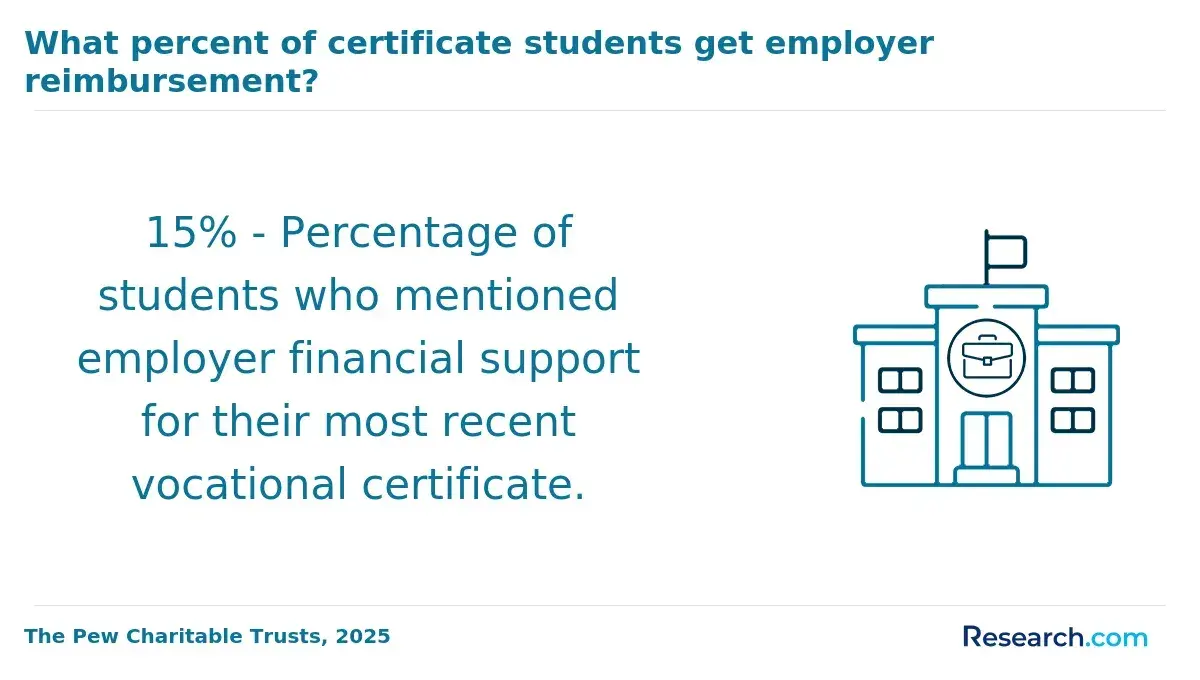
- Tuition reimbursement programs from some employers can reduce net costs but generally require a commitment to remain with the employer for a specified period.
- Salary data from the U.S. Office of Personnel Management indicate GS-11 level roles in homeland security and intelligence average over $97,000 annually with locality and law enforcement adjustments, emphasizing return on upfront investment.
A prospective officer targeting this pay grade must consider if higher tuition costs align with expected salary progression and promotion timelines. Evaluating programs through this practical lens clarifies the financial tradeoffs involved in pursuing an online homeland security degree.
What jobs can a homeland security degree lead to?
Choosing a homeland security degree involves weighing distinct operational realities and sector-specific expectations. Federal roles like border patrol agent command salaries typically between $72,000 and $100,000+, with thousands of openings annually. However, these positions require rigorous background checks, tactical experience, and adherence to strict hiring timelines. Candidates must be prepared for a career built on operational expertise and risk assessment in dynamic environments.
Transitioning from such federal or tactical roles into private security leadership or consulting demands added business acumen, continuous certification, and leveraging field experience to oversee complex corporate or international security challenges. Cybersecurity roles born from this degree often require supplemental technical certifications to meet practical demands of incident response and threat analysis.
Leadership positions, such as emergency management directors, necessitate strong strategic planning, regulatory knowledge, and interagency coordination, highlighting the importance of specialized training beyond foundational coursework. For applicants, understanding these multi-layered requirements helps set realistic expectations around credentialing and timeline management.
Consider these operational tradeoffs when evaluating a homeland security pathway:
- Federal security roles provide steady demand but involve lengthy vetting and rigid protocols.
- Private sector offers salary growth opportunities but requires continuous skills upgrading and adaptability.
- Progressing into leadership depends as much on strategic networking and certifications as on experience.
These realities shape how prospective students and professionals should plan education and career pathways within homeland security's diverse spectrum.
How do homeland security degrees affect salary potential?
Possessing a homeland security degree often translates into measurable salary gains by enabling access to supervisory and managerial roles that entry-level credentials typically do not unlock. For instance, an emergency management professional with a bachelor's or master's degree can earn about $12,000 more annually than peers lacking formal qualifications.
These degrees provide practical expertise in areas such as risk assessment, crisis management, and interagency collaboration-skills that employers in government and private sectors actively seek.
Emergency management specialists report a median wage near $79,180 with steady 5% job growth projected over a decade, reflecting consistent demand for these roles substantiated by roughly 2,800 annual openings. However, graduates should weigh the opportunity cost of pursuing advanced education, including potential income loss during study periods and tuition costs.
Professionals without targeted degrees often experience slower wage growth and face barriers to leadership tracks. In contrast, those equipped with homeland security credentials are more competitive for positions tied to infrastructure protection, cybersecurity leadership, and nationwide threat mitigation.
Ultimately, the decision to pursue a homeland security degree demands a rigorous evaluation of both the financial and time commitments against practical employment outcomes within a sector defined by specialized operational demands.
Which certifications help homeland security graduates get promoted?
Promotion within homeland security hinges not just on credentials but on their strategic alignment with career paths and employer expectations. Certifications like Certified Homeland Protection Professional (CHPP), Certified Emergency Manager (CEM), and Project Management Professional (PMP) demonstrate specialized expertise essential for leadership positions across federal, state, and local agencies.
For professionals on intelligence or law enforcement tracks, security clearances coupled with credentials such as Anti-Terrorism Specialist (ATS) shape eligibility for sensitive, rank-advancing roles. Cybersecurity certifications like Certified Information Systems Security Professional (CISSP) gain importance as IT integration reshapes threat responses.
Consider a metropolitan mid-level emergency manager pursuing a director role: combining the CEM credential with a master's focusing on homeland security leadership meets explicit promotion panel criteria. Relying solely on certificates without graduate degrees may lead to plateaued salaries and limited responsibility.
Employers prioritize candidates who demonstrate applied leadership and operational expertise together. Key challenges include balancing time-consuming certification processes with full-time work and managing recurring fees. Strategic credentialing focuses on certifications that clear promotion hurdles while avoiding costly credential inflation.
Data from National University referencing the 2024 Bureau of Labor Statistics records a median salary of $86,130 in typical homeland security roles, emphasizing compensation benefits tied to targeted graduate education and relevant certifications.
Other Things You Should Know About Homeland Security
Employers in homeland security fields now commonly recognize accredited online degrees for leadership positions, but respect depends on the program's rigor and reputation. Practical experience combined with online education carries more weight than the degree alone. Candidates should prioritize programs that emphasize real-world case studies, capstone projects, and connections with government or private sector agencies to improve leadership credibility.
Online homeland security programs vary from part-time friendly to intensive full-time tracks. Working professionals seeking promotions must choose programs that balance workload with career demands to avoid burnout or diminished job performance. Prioritize programs offering asynchronous coursework and clearly defined milestones, as they provide flexibility while maintaining engagement essential for leadership skill mastery.
Employer support varies widely and directly impacts the ability to apply new skills on the job and balance study with work duties. Before enrolling, professionals should assess if their agency offers tuition assistance, flexible hours, or mentorship opportunities tied to the degree. Prioritizing programs acknowledged or partnered with employers can enhance promotion chances and integrate academic learning with workplace leadership demands.
References
- Homeland Security Requirements (Degrees, Jobs & Salary) https://www.allcriminaljusticeschools.com/federal-law-enforcement/homeland-security/
- Future-Proof Your Career with a Master’s in Homeland Security Leadership | UMGC https://www.umgc.edu/blog/umgc-new-masters-degree-homeland-security-leadership
- Homeland Security M.S. Admission https://www.angelo.edu/academics/programs/homeland-security-ms/admission/
- What Can You Do With A Homeland Security Degree? https://www.criminaljusticeprograms.com/articles/what-can-you-do-with-a-homeland-security-degree/
- Differences Between a Criminal Justice and Homeland Security Degree https://www.nec.edu/news/criminal-justice-vs-homeland-security-degree
- Online Homeland Security Degrees: Explore Top Programs https://www.degreesforgood.org/online-degrees/homeland-security-programs/
- Choosing a bachelor's in homeland security | edX https://www.edx.org/resources/how-to-choose-a-bachelors-in-homeland-security
- Online Degree Programs from GMC Online https://online.gmc.edu/programs/bachelor-of-applied-science-in-homeland-security-emergency-management/