2027 Best Online Bachelor's in Homeland Security With Accelerated Terms

Co-Founder and Chief Data Scientist
Facing increasingly complex threats, homeland security professionals must often upgrade skills rapidly while balancing demanding schedules. Traditional semester timelines clash with urgent workforce demands, delaying critical career moves in a field where agility is paramount.
Enrollment data from the National Center for Education Statistics shows a 22% rise in adult learners choosing accelerated online bachelor's programs since 2023, reflecting growing pressure for flexible pathways that minimize downtime yet maintain academic rigor.
This trend signals a shift toward prioritizing swift credential completion alongside practical expertise. This article reviews the best online bachelor's in homeland security with accelerated terms, guiding strategic program selection to optimize timing, accessibility, and career advancement.
Key Things You Should Know
- Accelerated bachelor's in Homeland Security reduce completion time by up to 40%, but compressed terms increase cognitive load, potentially impacting retention and practical skill depth critical for federal agency hiring standards assessed by DHS.
- Employers prioritize candidates with experiential learning and security clearance pathways; programs lacking integrated internships or federal partnerships see 25% lower direct placement rates in 2024 FEMA workforce data.
- Upfront cost savings from accelerated formats often shift to increased per-credit fees and resource strain, creating access barriers for working adults balancing employment, shown in 2024 NCES tuition expense analyses.
What is an online bachelor's in homeland security with accelerated terms?
Online bachelor's degrees in homeland security with accelerated programs condense essential subjects-emergency management, cybersecurity, law enforcement, and risk assessment-into intensive 5 to 8-week terms. This format suits professionals who need speed without pausing their careers but demands disciplined scheduling and sustained weekly workloads.
For instance, an airport security officer might leverage fast track online bachelor's in homeland security completion to pivot more quickly into federal roles, bypassing the limits of traditional 16-week semesters.
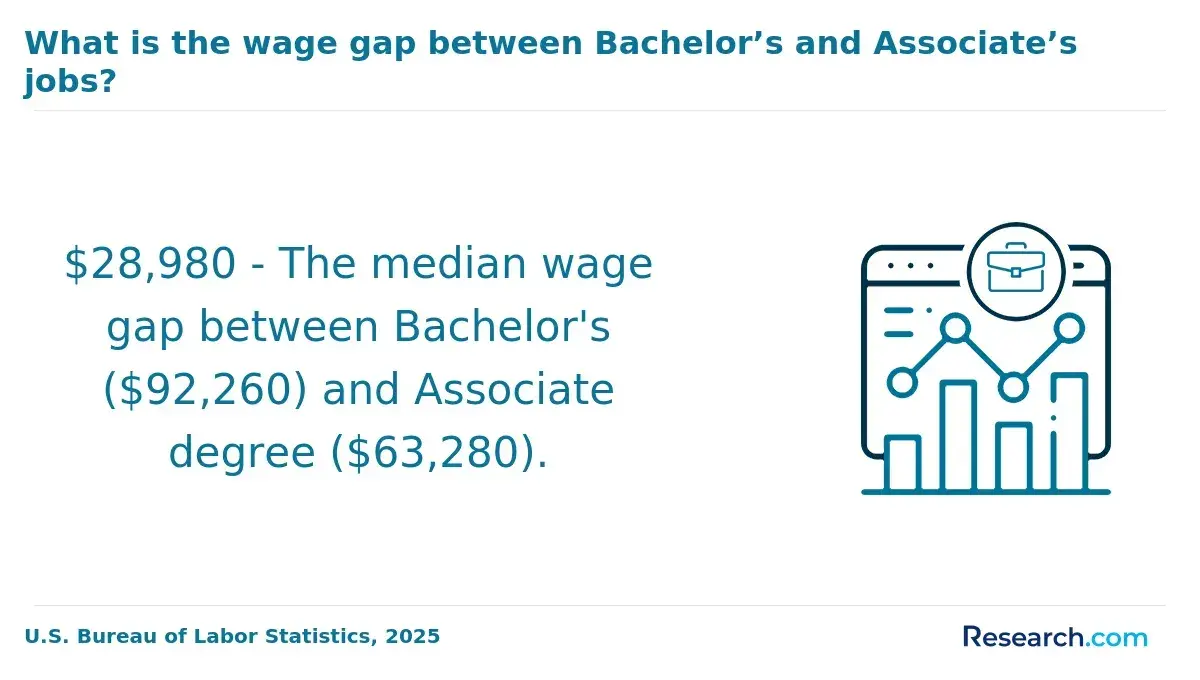
Costs vary extensively, from $4,200 to $22,800 annually, making it vital to scrutinize program reputation, graduation rates, and residency status for best ROI outcomes. A criminal justice degree online accredited can share many admission criteria, emphasizing relevant work experience or prior associate degrees in related fields.
Programs that integrate government partnerships and realistic simulations tend to yield better job placement by closing sector-specific skill gaps. Graduates face roles that require rapid decision-making and cross-disciplinary knowledge in intelligence and public safety coordination.
Without strong self-motivation and some employer leniency, accelerated terms risk burnout and compromised learning. Students should weigh these tradeoffs carefully when comparing this pathway to standard pacing, especially in relation to their personal and professional flexibility.
How do accelerated online homeland security degrees work and who are they best for?
Accelerated online homeland security degree programs compact traditional 15-week courses into roughly 11-week terms, demanding students cover the same material about 27% faster. This structure suits highly motivated professionals, particularly those already working in homeland security or related sectors like emergency management and federal agencies.
For instance, a federal analyst might leverage accelerated courses to meet promotion requirements rapidly without interrupting employment or risking skill degradation. However, this intensity can increase burnout risk and hinder mastery for students without prior experience or those balancing heavy external commitments.
The most effective accelerated programs integrate applied learning opportunities, recognizing employers expect practical experience beyond academic credits. Prospective students should assess their capacity for sustained focus and whether their workplace can accommodate compressed study schedules without compromising vital professional networking or depth of understanding in complex homeland security protocols.
Accelerated tracks respond to workforce needs by reducing time-to-hire and expanding the pool of qualified candidates ready for evolving threats and technologies.
Still, practical tradeoffs include heightened stress and potential gaps in experiential learning, which can affect certification success and long-term employment outcomes. This pathway is less suited for entrants lacking foundational understanding but beneficial for those targeting rapid credentialing aligned with immediate job functions.
Those exploring accelerated paths should also consider the distinctions among types of paralegals and their varied demands to ensure alignment with personal career objectives.
Are online homeland security bachelor's programs credible and properly accredited?
Accreditation is the essential differentiator in online bachelor's in homeland security programs, determining both academic integrity and workforce acceptance. Programs recognized by regional accrediting agencies such as the Northwest Commission on Colleges and Universities or the Southern Association of Colleges and Schools meet stringent educational standards that federal and state employers require.
Conversely, degrees from non-accredited institutions often fail to open doors to security clearances or specialized professional certifications, limiting practical job opportunities within homeland security fields.
Cost and student composition also shape outcomes. For example, Trident University charges $415 per credit, totaling $49,800, but active-duty military and select federal civilians benefit from a 40% tuition reduction to $250 per credit ($30,000 total). This discount creates a military-heavy student base typically supported by employer tuition benefits and defense-sector career pathways.
Prospective students seeking legitimate accelerated homeland security degree programs in the United States must assess how this alignment affects program flexibility, especially for civilian career pivots.
Key considerations include verification of accreditation alongside employer-recognized certifications that enhance credential value. Accelerated terms may compress depth of learning, which can impact competence in high-pressure decision-making required by homeland security roles. Institutions offering strong career services and alumni connections can improve navigation of the competitive workforce.
Because homeland security often overlaps with related fields, exploring adjacent pathways such as forensic careers may broaden employment options. Balancing accreditation, cost, program structure, and career support is critical for strategic decision-making in this field.
What courses and concentrations are typically offered in homeland security bachelor's programs?
Specialized coursework in bachelor's programs for homeland security demands navigating significant academic rigor while cultivating operational expertise. Upper-division requirements, such as National University's 76.5 quarter units, underscore the sector's emphasis on depth, integrating advanced topics like risk assessment, emergency management, and counterterrorism strategy.
These curricula are specifically designed to equip graduates with applicable skills for federal, state, and private security roles rather than broad theoretical knowledge alone.
Consider a state emergency manager seeking to pivot into cybersecurity within homeland security. Courses focused on network defense and cyber threat mitigation reduce retraining time and directly address employer priorities. This practical alignment is especially relevant when balancing the demands of accelerated terms in many courses in homeland security degree programs with accelerated terms, where maintaining workload and scheduling discipline becomes essential for success.
Typical coursework and concentrations offered in online homeland security bachelor's degrees cover:
- Risk assessment and mitigation techniques
- Emergency operations and crisis management
- Cybersecurity policies and defenses
- Intelligence gathering and analysis
- Counterterrorism and homeland defense strategies
- Infrastructure resilience and critical asset protection
Employers prioritize candidates with interdisciplinary knowledge augmented by applied learning-case studies, simulations, and internships are often decisive. Prospective students should carefully assess programs that offer these components alongside academic content to maximize employability.
Exploring accelerated options can further optimize the educational timeline; for comparison with other pathways, see architecture programs online, which illustrate how intensive degree completion strategies work across disciplines.
How do online homeland security degrees compare to campus-based programs?
Online homeland security degree programs often provide cost-effective, flexible education that suits working professionals, particularly when transferring prior learning credits significantly reduces overall tuition expenses-as illustrated by Southern New Hampshire University's rate of $354 per credit and savings exceeding $10,000 when applying 30 prior learning credits.
This flexible approach contrasts with campus-based degrees that usually require fixed semester schedules and residency, which can complicate balancing full-time employment and family responsibilities.
Campus programs maintain an edge in immersive, hands-on training through physical labs or fieldwork, appealing to students needing direct experience with security technologies or practical simulations. However, many online programs increasingly incorporate virtual labs and synchronous scenario-based training to mirror this experiential learning, aligning with employer expectations for applied skills.
Students targeting federal or specialized government roles face additional considerations, as some agencies mandate regional accreditation and substantial in-person components, requiring careful program selection to ensure eligibility. In emergency management or private sector contexts, accelerated online terms enable faster credential completion while maintaining employment, a benefit often inaccessible in traditional campus environments.
Employer preference typically emphasizes demonstrated analytical and problem-solving abilities over study mode, but proven competencies and verified professional experience remain essential. Thus, prospective students should rigorously evaluate program quality, practical training opportunities, and accreditation status to ensure alignment with their targeted workforce sector.
What are common admission requirements for online homeland security bachelor's programs?
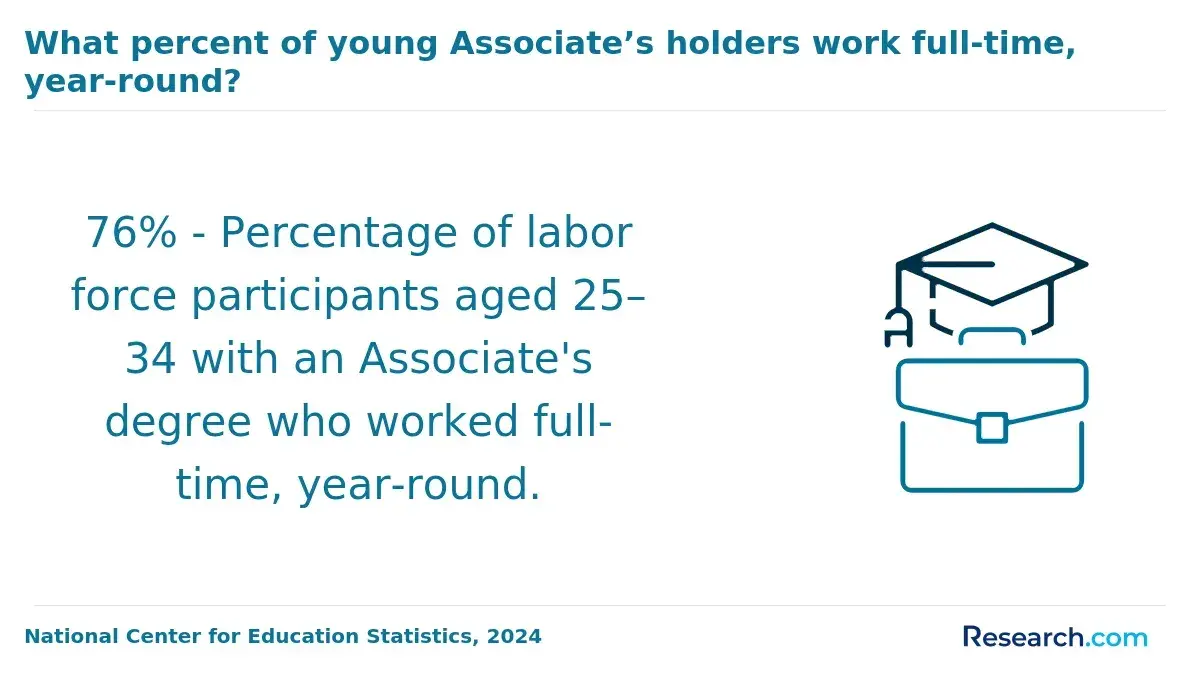
Securing admission to an online homeland security bachelor's program requires more than baseline academic credentials; it demands strategic navigation of criteria that signal readiness and relevance to employers. Most programs mandate a high school diploma or GED with a GPA threshold around 2.5 to 3.0.
While standardized tests like the SAT or ACT have grown optional, applicants relying on test waivers should offset this with substantive evidence of analytical and communication skills, such as strong personal statements or pertinent college credits.
Applicants with military or security service backgrounds often convert operational experience into academic credit, a significant advantage when competing for limited program slots. Beyond transcripts, a personal essay outlining clear career objectives becomes a critical differentiator, particularly when test scores are absent. Letters of recommendation add weight by verifying leadership and ethical aptitude sought in homeland security roles.
Employers and programs alike emphasize integrity and trustworthiness, often requiring background checks and proof of eligibility to work in the U.S. Meeting documentation deadlines is essential, especially for accelerated terms where administrative flexibility is minimal.
Given that the median wage for protective service occupations stands at $52,120, with supervisors earning around $60,590, choosing admissions routes that balance speed and rigor affects employability. Forgoing standardized tests may fast-track entry but places greater pressure on applicants to demonstrate sector-specific capabilities and commitment through other means.
How long does an accelerated online homeland security degree take and what does it cost?
The accelerated online homeland security bachelor's degree compresses traditional timelines into approximately 2.5 to 3 years by employing shorter, often eight-week terms and year-round enrollment, including summer sessions. This format suits professionals needing rapid credentialing without leaving employment, though it demands rigorous time management and sustained course loads that can strain students balancing work and family obligations.
Tuition costs at Columbia Southern University are $278 per credit hour, standardizing expenses across the program. Active-duty military receive a reduced rate of $250 per credit, adhering to DoD tuition limits. With around 120 credits required, total tuition approaches $33,360 without discounts. This pricing structure reflects the cost-efficiency of online delivery but requires candidates to secure funding early or balance expenses alongside work.
Compared to many on-campus programs, this university offers a more affordable option, as it has fewer additional fees and a potentially faster degree progression.
Employers, especially federal agencies, typically expect accredited degrees completed in continuous, coherent timeframes. Accelerated programs meet this but may reduce accessible internship or hands-on opportunities-an important consideration since practical experience often weighs heavily in homeland security hiring decisions.
What careers can you pursue with an online bachelor's in homeland security?
An accelerated online bachelor's degree in homeland security compresses a traditionally multi-year curriculum by 25-30%, enabling faster workforce entry or promotion but demanding strong self-discipline to manage intense schedules.
Graduates qualify for roles such as law enforcement intelligence analyst, emergency management coordinator, cybersecurity specialist, border security officer, and critical infrastructure protection manager. Each position requires a firm grasp of threat assessment, interagency coordination, and crisis response acquired through practical coursework and simulations.
Securing positions within agencies like the DHS, FBI, or FEMA often hinges on combining academic credentials with relevant experience and security clearances. For example, intelligence analysts must proficiently analyze classified data streams and coordinate operations across multiple agencies, skills honed in accelerated programs tailored to real-world scenarios.
Emergency management coordinators need operational readiness for disaster response and grant administration, areas where accelerated formats maintain depth despite shorter durations.
The rising demand for cybersecurity specialists, especially those bridging national security and data protection, highlights the degree's applicability beyond government roles into private sector risk management.
However, the compressed nature of accelerated programs can challenge students balancing work or family commitments. Employers appreciate timely application of current knowledge in dynamic contexts such as counterterrorism or pandemic logistics, making degree relevance contingent on rigor and currency.
What salary ranges and job outlook can homeland security graduates expect?
Earning a bachelor's degree in homeland security positions candidates within a salary range that varies significantly by sector and specialization, highlighting the need for informed career focus. Federal entry-level roles typically start at about $57,000 and can rise beyond $95,000 with experience and security clearance, whereas state and local government jobs begin lower but often reach mid-$70,000s over time.
Private sector jobs, particularly in cybersecurity or emergency management, start near $65,000, with senior roles exceeding six figures.
The workforce demand trajectory demands strategic specialization choices: cybersecurity roles are growing at over 25% annually due to increasing cyber threats, requiring continual certifications to maintain competitive pay and employability.
Emergency management expands modestly at roughly 8%, tying professional worth to incident command credentials often linked to grant-funded projects. Counterterrorism positions, although more limited geographically, require federal training and clearance, adding entry hurdles despite stable demand.
Degrees emphasizing multi-track specialization-combining cybersecurity, emergency management, and counterterrorism-align more closely with employer preferences for adaptable skill sets across threat domains. Candidates restricted to a single focus may find fewer opportunities, especially in the private sector, where operational agility is prized.
How can you choose a reputable online homeland security program that fits your goals?
Effective selection of an online homeland security program hinges on measurable graduate employment outcomes and clear alignment with your intended career trajectory rather than tuition cost alone. Accredited programs backed by recognized agencies provide necessary credential legitimacy, but verifying graduate placement in sectors like law enforcement or federal security offers essential evidence of practical value.
For example, OnlineU's 2026 data reveals that the ten lowest-cost online homeland security bachelor's programs, each averaging under $8,000 annually, maintain solid employment rates-challenging assumptions that affordability compromises workforce readiness.
Prospective students must weigh accelerated degree formats' time-saving benefits against increased weekly workload. While compressed terms can expedite transitions or promotions for working adults, such pacing requires sustained focus and reliable academic support to prevent burnout.
Curricula incorporating applied skills such as cybersecurity, risk assessment, and emergency response better prepare students for realistic agency demands. Programs linked with federal or state homeland security entities often adapt course content to evolving intelligence and policy frameworks, enhancing relevance.
Logistical variables-technology necessities, class scheduling options, and cross-state authorization-impact your ability to balance employment with study and maintain licensure compliance.
In sum, use data-driven assessment and institutional endorsements to navigate the tradeoffs between cost, curriculum rigor, and graduate outcomes; your choice directly affects career mobility within homeland security fields.
Other Things You Should Know About Homeland Security
Accelerated programs compress coursework into shorter terms, which increases the pace and workload intensity. This format demands strong time-management skills and discipline to absorb complex topics like emergency management, cyber threats, and policy analysis effectively. Students should prioritize programs that integrate practical exercises and real-world scenarios alongside condensed theory to ensure readiness for operational challenges employers expect.
Employers in homeland security prioritize practical skills and situational judgment, which academic programs alone may not fully provide. While an accelerated degree offers theoretical knowledge quickly, supplementing it with internships, part-time roles, or related employment dramatically enhances employability and career trajectory. Those seeking leadership roles should give equal weight to gaining hands-on experience during or soon after completing their degree.
Employers recognize the value of accelerated online degrees, especially when offered by accredited institutions with rigorous curricula. However, skepticism remains about candidates' ability to master complex material under compressed timelines. Graduates should demonstrate practical skills, relevant certifications, and evidence of sustained engagement in the field to overcome doubts about the program's intensity and depth.
In a 2027 context, while accelerated programs offer flexibility and speed, they require diligent time management and self-discipline, which can be challenging for working professionals. These programs condense a large amount of material into shorter terms, potentially leading to a more intense learning experience compared to traditional, longer programs.
References
- What Can You Do With A Homeland Security Degree? https://www.criminaljusticeprograms.com/articles/what-can-you-do-with-a-homeland-security-degree/
- Homeland Security Requirements (Degrees, Jobs & Salary) https://www.allcriminaljusticeschools.com/federal-law-enforcement/homeland-security/
- Online Degree Programs from GMC Online https://online.gmc.edu/programs/homeland-security-emergency-mgmt/
- Is a degree in homeland security worth it? | edX https://www.edx.org/resources/is-a-degree-in-homeland-security-worth-it
- Homeland Security Career And Salary Information https://www.criminaljusticedegreeschools.com/careers/homeland-security/
- Jobs for Veterans in Homeland Security | Jobs for Veterans | G.I. Jobs https://www.gijobs.com/jobs-for-veterans-homeland-security
- Emergency Management vs. Homeland Security: Which MPS Is Right for You? https://sopa.tulane.edu/blog/emergency-management-vs-homeland-security-which-mps-right-you
- Bachelor of Science in Homeland Security https://www.trident.edu/bachelors-online/homeland-security-degree/
- bachelor of science in homeland security https://www.calcoast.edu/news/the-bachelor-of-science-in-homeland-security
- Online Homeland Security Degrees: Explore Top Programs https://www.degreesforgood.org/online-degrees/homeland-security-programs/