2027 Online Homeland Security Degrees With Intelligence Analysis Coursework

Co-Founder and Chief Data Scientist
Security analysts face escalating demands to rapidly interpret complex intelligence amidst growing cyber and physical threats, often while balancing existing job responsibilities or constrained schedules. According to the National Center for Education Statistics, enrollment in fully online graduate programs surged by over 15% since 2023, driven largely by adult learners seeking flexible upskilling without career disruption.
This trend reflects a decisive shift toward accessible, asynchronous coursework tailored for professionals needing targeted expertise like intelligence analysis. The challenge remains choosing programs that deliver both practical competencies and recognized credentials to navigate evolving employer expectations effectively.
This article evaluates online homeland security degrees with intelligence analysis coursework, guiding readers in selecting paths that optimize strategic career advancement and operational readiness.
Key Things You Should Know
- Completion rates for online homeland security degrees with intelligence analysis lag by 12% compared to traditional programs due to limited synchronous engagement, constraining timely recruitment into federal agencies reliant on immediate operational readiness.
- Employers prioritize candidates holding certifications plus degrees; online-only graduates face a 15% hiring gap in DHS roles versus hybrid program grads, impacting workforce pipelines amid rising cybersecurity threats.
- Average program costs rose 7% since 2023, with accelerated tracks often demanding upfront payment for access to classified materials, presenting affordability and access challenges for mid-career professionals seeking rapid credentialing.
What is an online homeland security degree with intelligence analysis coursework?
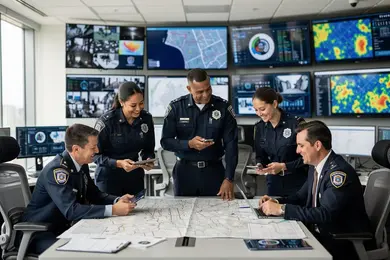
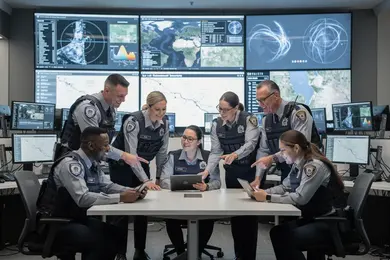
Online homeland security degree programs with intelligence analysis offer a tactical blend of homeland security fundamentals and focused training in intelligence gathering and interpretation. Graduates must navigate complex roles where analyzing threats-ranging from cyber incursions to terrorist activity-is part of daily operations.
For instance, a professional in transportation security may need to rapidly integrate passenger data with emerging threat intelligence to maintain public safety without disrupting flow, highlighting the necessity for both technical skills and operational judgement.
Employers increasingly prioritize proficiency in analytic tools, legal compliance, and interagency communication over broad security knowledge alone. This shifts the educational focus toward measurable competencies aligned with federal standards, especially for students transitioning from general security backgrounds. The best online homeland security degrees featuring intelligence coursework will emphasize hands-on exercises in intelligence cycles as well as ethical data handling.
The practical challenges of online delivery include securing sensitive data access, maintaining clearances, and accommodating real-world operational demands. These factors contribute to uneven student experiences and underscore the need for programs offering simulation environments that reflect intelligence constraints.
According to the U.S. Bureau of Labor Statistics, the median wage for intelligence analysts is $113,190, with a 3% projected employment growth to 2034, demonstrating steady but specialized workforce demand.
Cost and program quality must be weighed carefully; prospective students should compare curriculum alignment and accreditation rigor. Those exploring similar fields may also consider a criminology degree online as a complementary or alternative pathway depending on career objectives and market positioning.
How do online homeland security programs compare to campus-based options for intelligence training?
Tradeoffs between accessibility and immersive training shape the value of online homeland security degrees with intelligence analysis coursework versus campus-based homeland security intelligence training programs. While online formats deliver flexible access to theoretical frameworks, data analytics, and policy instruction, they lack the embedded cooperative assignments, simulation labs, and classified briefings critical for operational readiness in government agencies.
Employers, particularly within federal and defense sectors, prioritize hands-on skills and collaborative experience typically fostered through on-site group projects, workshops, and internships.
Projected labor growth of 11.9% from 2023 to 2035, representing thousands of new positions, heightens the need for practical experience. Online students must therefore proactively pursue remote internships, virtual simulations, or applied exercises to bridge gaps in physical training environments.
For example, a cybersecurity professional pivoting careers may find an online cybersecurity degree expedient. Yet without access to government data feeds or cooperative projects, program graduates can face delayed entry into specialized roles within Homeland Security entities.
Are online homeland security and intelligence analysis degrees accredited and widely respected?
Accreditation remains a critical filter for online homeland security and intelligence analysis degrees, directly influencing employability and credential recognition. Employers-especially within federal agencies and law enforcement-expect candidates to hold degrees from regionally or nationally accredited programs, as these meet industry competency standards and federal hiring requirements.
For example, graduates from accredited programs such as the Bachelor of Science in Homeland Security and Intelligence at Embry-Riddle Aeronautical University tend to earn median salaries near $51,600 within a year, reflecting data-driven market validation.
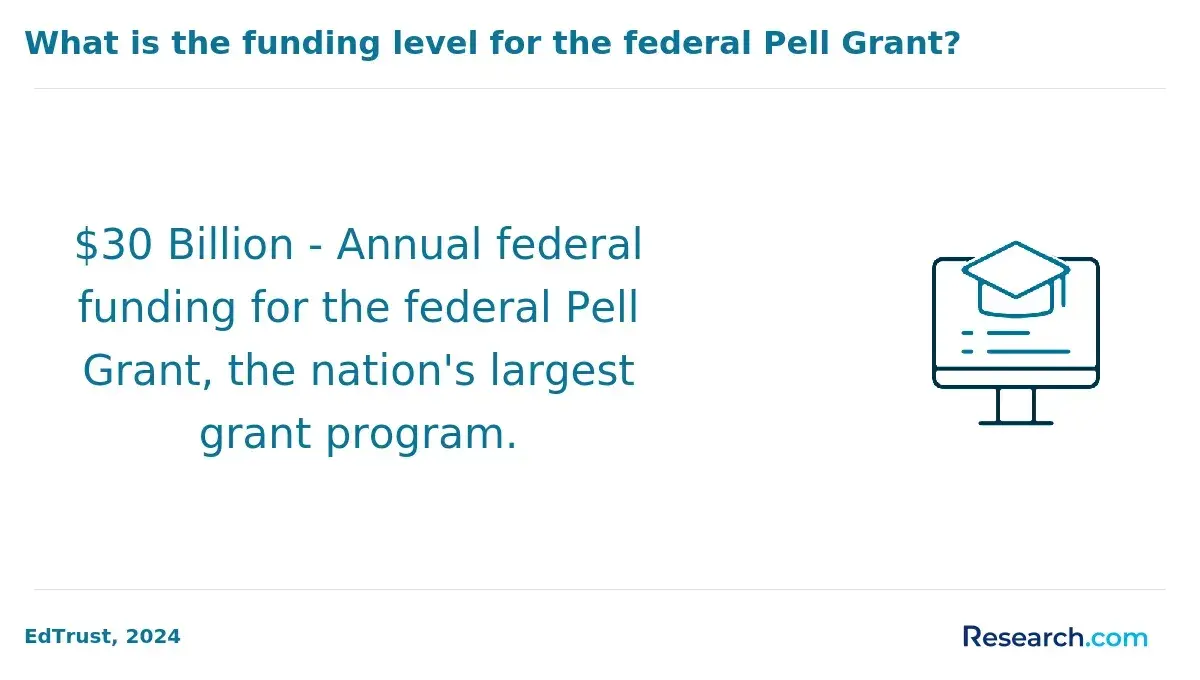
Students pursuing an online homeland security and intelligence analysis degree accreditation must weigh the practical implications beyond mere academic standing. Accreditation not only guarantees program quality but also facilitates credit transfer and eligibility for federal financial aid.
Yet, it is not a guarantee of streamlined hiring. Candidates often need to supplement degrees with additional certifications or hands-on experience to satisfy agency-specific security clearances and analyst roles.
Choosing recognized online homeland security degrees with intelligence coursework that integrate internships or government partnerships can enhance employability and provide actionable experience. Failure to select accredited programs risks investing time and resources into courses lacking industry relevancy or connection to career pipelines.
Prospective students should also consider that online learning environments demand active engagement to demonstrate critical thinking applicable to real-world intelligence challenges.
For those comparing related fields, examining affordability and program specifics is advisable; resources like forensic science degree online rankings may offer insights into cost structures and academic rigor across security-related disciplines.
What intelligence analysis courses are typically included in online homeland security programs?
Intelligence analysis coursework in online homeland security programs demands a balance of technical skill and analytical judgment valued by employers facing increasingly complex threat environments. Core intelligence analysis subjects for homeland security degrees focus on structured analytic tradecraft, including link analysis and pattern recognition, which are essential for making timely decisions under uncertainty.
Students train in geospatial intelligence to process satellite imagery alongside cyber intelligence skills that address vulnerabilities in critical digital infrastructure.
In practical terms, federal field analysts must merge geospatial and cyber data rapidly during crisis scenarios, requiring mastery of integrated intelligence disciplines. Programs incorporate counterintelligence techniques to detect espionage risks and open-source intelligence (OSINT) methods to validate publicly sourced information-skills demanded by law enforcement and national security agencies alike.
These combined competencies ensure graduates can navigate both qualitative and quantitative analytic tools, such as predictive analytics software, used extensively in the field.
Financially, prospective students should anticipate tuition costs similar to Penn State's online Homeland Security - Intelligence and Geospatial Analysis master's, which charges between $1,037-$1,048 per credit and full-time semester fees from $12,448 to $12,572. Given the specialized nature of this training, understanding these investments relative to career outcomes is critical.
For those interested in related pathways, exploring accredited online environmental health and safety programs may offer complementary or alternative public safety career options.
What are the admission requirements for online homeland security degrees focusing on intelligence?
Admission to online homeland security degrees with intelligence analysis coursework hinges on verified academic readiness, usually a high school diploma or equivalent for bachelor's programs and a relevant bachelor's degree for graduate studies. Programs often enforce GPA minimums near 2.5 to 3.0, reflecting the analytical rigor required.
Applicants with professional experience or security clearances aligned with government or security agencies hold a distinct advantage in employability within homeland security roles focusing on intelligence.
Standardized tests like the SAT or GRE are commonly optional but submitting scores can strengthen applications to selective programs. Letters of recommendation and statements should specifically demonstrate analytical abilities and situational awareness critical to intelligence work rather than generic assertions. Evaluating credit transfer policies and program pacing is essential, especially for working professionals balancing job commitments.
Costs typically range from $480 to $600 per credit, with degree credit requirements varying widely-bachelor's programs around 120 credits and graduate programs about 36.
Mid-career federal employees shifting to intelligence analysis should seek programs recognizing professional training credits or offering competency-based assessments to reduce costs and completion time. Fresh graduates without field experience face longer timelines and must focus on foundational coursework. Employer expectations prioritize applicants whose admission documents and coursework align tightly with homeland security intelligence frameworks and operational priorities.
How long do online homeland security programs with intelligence coursework take, and what do they cost?
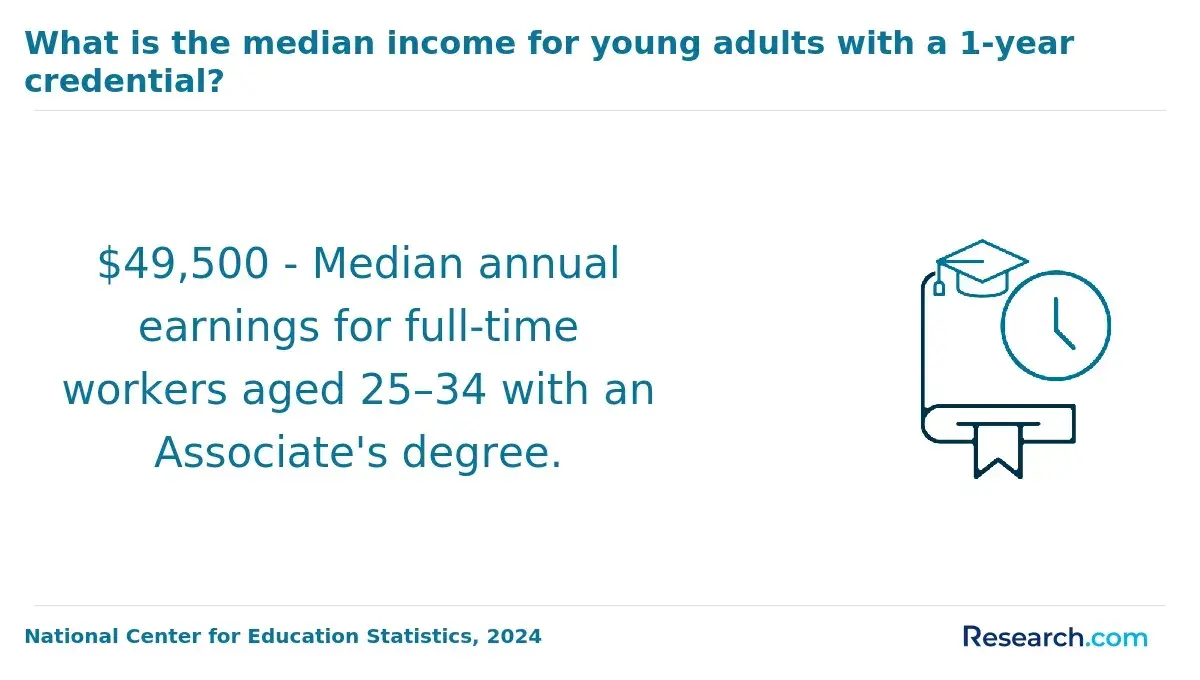
Choosing between associate and bachelor's degrees in homeland security with intelligence analysis coursework requires balancing time investment against workforce expectations. Associate programs, often completed in about two years, can facilitate quicker entry but generally lack the analytical depth and federal alignment valued by many agencies.
Bachelor's degrees, typically spanning four years, incorporate FEMA-approved courses that align with Department of Homeland Security intelligence standards, equipping graduates with skills in threat assessment, analytic techniques, and interagency information sharing.
Working professionals weighing career pivots face notable tradeoffs:
- Associate degrees or certificates may reduce upfront costs and accommodate part-time study but often limit advancement opportunities due to less comprehensive training.
- Bachelor's programs usually require higher tuition, averaging $40,000 total at public universities for in-state students, but deliver credentialing that employers recognize as meeting federal competency frameworks.
The credentialing matter extends beyond cost and time. Employers prioritize applicants who demonstrate proficiency through federally standardized coursework or FEMA-based certifications, indicators that signal readiness for complex analysis roles.
Budget-conscious candidates should also factor lost wages during study, as accelerated or part-time options widely affect timelines. Shorter certificate programs, while affordable, often lack standardization, reducing their appeal for competitive positions requiring robust intelligence skills.
What careers can graduates of online homeland security intelligence programs pursue?
Positions emerging from online homeland security intelligence programs demand a blend of analytical and operational expertise shaped by real-world employer expectations. For instance, intelligence analysts in federal agencies or private risk firms integrate diverse intelligence feeds to forecast threats, requiring not only data rigor but also geopolitical savvy. Such roles often carry security clearance prerequisites and geographic constraints.
The cybersecurity and intelligence fields are slated for notable growth, with information security analysts projected to expand by 32% from 2018 to 2028, per U.S. Bureau of Labor Statistics data cited by UMass Lowell. These roles concentrate on fortifying digital infrastructures across industries like finance and healthcare, emphasizing continuous technical certification to maintain relevance.
Decision-makers must weigh operational tradeoffs between sectors: federal roles prioritize strategic analytical skills and clearance eligibility, whereas private cybersecurity positions typically offer higher salaries but demand rapid adaptation to evolving technology. Emergency management directors exemplify a hybrid position, applying intelligence for coordinated response efforts under unpredictable conditions, requiring both policy fluency and practical leadership.
What salary ranges and earning potential are common in homeland security intelligence roles?
Salary trajectories in homeland security intelligence critically depend on experience, sector, and employer type, with federal agencies typically offering the highest entry salaries. Analysts beginning at agencies like the Department of Homeland Security or FBI usually earn between $55,000 and $70,000, adhering to GS-7 to GS-9 pay scales set by the U.S. Office of Personnel Management.
However, those with five to ten years of specialized experience and security clearances often move into roles paying $85,000 to $105,000, illustrating how advanced credentials and operational expertise materially improve earning potential.
Senior positions in counterterrorism units or private defense contractors may exceed $120,000, reflecting the premium placed on strategic decision-making and risk evaluation. Conversely, state and local roles tend to remain below $80,000 regardless of tenure, shaped by tighter budget constraints.
Education choices present significant tradeoffs. American University's online Master of Science in Counter-Terrorism and Homeland Security program, charging $74,880 in tuition at $2,080 per credit, demands substantial upfront investment. Graduates must consider whether this cost aligns with the typical salary uplift into roles paying over $90,000 annually, compared to positions requiring only a bachelor's degree.
Those transitioning from local law enforcement or emergency management face distinct credential requirements emphasizing data fusion and interagency collaboration skills that correlate to salary premiums only when paired with accredited coursework and real-world experience.
What is the job outlook and demand for homeland security and intelligence analysts?
Employment growth for intelligence analysts is projected at roughly 9% through 2034, outpacing average occupational increases due to intensified government demand in counterterrorism and critical infrastructure protection. This demand centers on skills such as geospatial analysis, data modeling, and intelligence synthesis essential to agencies like the Department of Homeland Security and the FBI.
However, candidates face practical challenges beyond education. Security clearances impose lengthy background checks that affect hiring timelines, and fluctuating state or local budgets can constrain opportunities outside federal roles.
For instance, military intelligence veterans transitioning to federal analyst positions might leverage existing clearances but encounter stiff competition. In contrast, cybersecurity firms in the private sector prioritize technical certifications alongside intelligence degrees, emphasizing hybrid skill sets.
Tuition rates for specialized programs, such as Penn State's above $1,040 per credit for intelligence-focused courses in 2025-26, reflect employer expectations for advanced proficiency but also represent a significant investment that must be weighed against limited course availability and career payoff.
Prospective students should focus on programs with government-aligned curricula offering applied geospatial and intelligence training to maximize employability despite the sector's operational demands and certification prerequisites.
How can students choose a reputable online homeland security program with strong intelligence training?
Enrollment decisions in intelligence-focused higher education must weigh program accreditation, curriculum specificity, and workforce integration to align with federal hiring standards. Prioritizing coursework that includes cyber intelligence, threat assessment, and data analytics is non-negotiable for roles within agencies like DHS and FBI.
Tuition clustering between $480 and $600 per credit often indicates programs vetted or partnered for federal relevance, but cost alone is not a proxy for quality or clearance pathways.
Faculty involvement with active intelligence communities or federal agencies enhances both teaching relevance and hiring credibility. Security clearance eligibility demands programs addressing classified information protocols and operational security, an essential consideration for DoD intelligence analyst aspirants emphasizing joint operations and signals intelligence.
Practical training exposure, including simulations and use of intelligence tools, serves as a real-world bridge from classroom theory to operational application. Program assessments must include measurable outcomes like graduation rates within intelligence tracks and employment in government sectors, as these directly affect return on investment.
Alumni network influence within Homeland Security and related agencies often distinguishes programs beyond stated curricula, impacting career trajectories and ease of access to clearance-dependent roles.
Other Things You Should Know About Homeland Security
Students often underestimate the intensity of online homeland security programs that include intelligence analysis coursework. These programs require rigorous time management because the coursework combines technical data interpretation, policy study, and frequent writing assignments.
Unlike general online programs, the specialized analysis training demands critical thinking applied to real-world scenarios, which can lead to a heavier cognitive workload. Prospective students should prioritize programs with flexible pacing options or part-time tracks if balancing full-time work or family commitments.
Narrowly focused intelligence analysis programs prepare students deeply for specific roles in threat identification and strategic assessment but may restrict flexibility in broader homeland security employment.
Conversely, broad programs cover emergency management, policy, and infrastructure protection, offering wider career pathways but less technical specialization. Candidates targeting analytic career tracks within federal agencies or private intelligence firms should prioritize programs with dedicated intelligence coursework to remain competitive.
Working professionals must evaluate program schedules, employer partnerships, and practical application opportunities when selecting online degrees. Programs with part-time or asynchronous formats accommodate employment demands but may reduce peer interaction and networking potential.
Employers in homeland security value internships and capstone projects that simulate intelligence work, so prioritizing programs offering these practical experiences improves career advancement odds. Additionally, students should verify if the curriculum aligns with current industry standards and technologies.
References
- What Can You Do With a Homeland Security Studies Degree? https://sopa.tulane.edu/blog/what-can-you-do-homeland-security-studies-degree
- Online Homeland Security Degrees: Explore Top Programs https://www.degreesforgood.org/online-degrees/homeland-security-programs/
- Homeland Security Degree Online | Find Top Programs & Information https://www.firescience.org/homeland-security-degree-programs-online/
- Online Bachelor's Degree: Homeland Security https://www.umgc.edu/online-degrees/bachelors/homeland-security
- Top Online Master’s Degree Programs in Homeland Security for 2025 https://www.onlinemastersdegrees.org/best-programs/homeland-security/
- Intelligence Careers https://www.intelligence.gov/careers
- Choosing a bachelor's in homeland security | edX https://www.edx.org/resources/how-to-choose-a-bachelors-in-homeland-security
- Reasons to Pursue an Online Criminal Justice Degree Program in Homeland Security https://www.aiuniv.edu/degrees/criminal-justice/articles/online-criminal-justice-homeland-security
- Online MPA Programs with a Specialization in Homeland Security https://www.onlinempaprograms.com/specializations/homeland-security
- Explore DHS I&A career fields https://www.intelligencecareers.gov/dhsia/career-fields