2027 Red Flags to Watch for in Online Homeland Security Degrees

Co-Founder and Chief Data Scientist
Consider a mid-career analyst aiming to pivot into homeland security amid a surge in on-demand, online degree offerings. While more than 40% of adult learners now choose flexible, fully remote programs according to the National Center for Education Statistics, many online homeland security degrees lack rigorous accreditation or specialized curricula aligned with federal agency requirements.
This misalignment risks wasting critical time and resources on credentials that employers in homeland security deem inadequate, especially given the sector's strict compliance and security clearance standards. Identifying key red flags in program design, accreditation, and practical applicability can prevent costly missteps.
This article details actionable warning signs in online homeland security degrees to safeguard career advancement and investment decisions.
Key Things You Should Know
- Over 45% of online homeland security degrees in 2024 lack accreditation recognized by the Council for Higher Education Accreditation, increasing risks of employer non-recognition and limiting federal security clearance eligibility.
- Employer surveys from the Department of Labor reveal a 28% preference drop for candidates with exclusively online degrees, emphasizing in-person internships and agency partnerships as decisive hiring criteria.
- Average total costs for online homeland security programs have surged 17% since 2022, with median completion times extending beyond typical 2-year estimates, amplifying opportunity costs for mid-career pivots.
What are the biggest red flags that an online homeland security degree isn't legitimate?
Accreditation status remains the foremost indicator distinguishing valid online homeland security degree accreditation issues from diploma mills.
Without regional or national accreditation recognized by the U.S. Department of Education or the Council for Higher Education Accreditation, employers, especially federal agencies and contractors, will likely question the legitimacy of credentials. Programs that promise expedited completion with minimal academic rigor often fail to equip students with real-world skills essential to homeland security roles.
Hidden costs beyond advertised tuition are another telltale sign of predatory practices. With average annual tuition exceeding $29,000 at many four-year U.S. institutions, transparency on fees for materials, technology, and exam proctoring is critical to prevent unexpected financial burdens that can outweigh career benefits.
Employers prioritize degrees anchored in applied knowledge areas such as risk assessment, emergency management, and cyber defense. Degrees lacking this focus risk limiting employment opportunities across federal, state, or private sectors.
Clear pathways to internships, security clearance advice, and industry partnerships are vital. For instance, candidates pursuing TSA or FEMA roles without appropriate experiential credentials will struggle to translate a degree into job-ready qualifications.
Prospective students should also review faculty expertise and assessment rigor carefully. Programs dependent on aggressive financial aid to mask rising tuition or lacking outcome reporting often signal questionable value. For those considering alternative but relevant pathways, exploring online associates in criminal justice can offer a practical entry point aligned with homeland security career demands.
How can you verify accreditation and avoid diploma mills in online homeland security programs?
Employers in federal and state homeland security roles often require degrees from accredited institutions; therefore, verifying legitimate online homeland security program accreditation is essential to avoid investing in credentials that lack professional value.
Unaccredited programs, commonly diploma mills, may promise rapid degree completion or vague career guarantees but fail to deliver recognized qualifications. Checking accreditation status through official sources like the Database of Accredited Postsecondary Institutions and Programs (DAPIP) can prevent falling victim to such deceptive offers.
Beyond accreditation, evaluating the program's alignment with labor market demand is vital. For example, information security analysts face projected employment growth of 33% from 2023 to 2033, whereas police officers and emergency management directors have more modest growth estimates around 4%, according to U.S. Bureau of Labor Statistics data. Programs that blur these differences in job prospects often mislead students, a tactic common among diploma mills.
Practical steps include contacting target employers about their degree preferences and seeking alumni insights into workforce preparation. If an online program prioritizes aggressive marketing over transparent accreditation disclosures and realistic career outlooks, proceed with caution. Students who balance accreditation verification with labor market realities can avoid wasted time and resources on irrelevant qualifications.
Those interested might also consider exploring options like the cheapest online cyber security degree, which intersects with homeland security skills and can offer viable, affordable educational pathways.
What signs indicate an online homeland security school is predatory or high-risk for students?
Many online homeland security degree programs with accreditation issues inflate salary expectations, often highlighting only select roles like information security analysts who earn a median $120,360 annually. However, commonly pursued careers such as emergency management directors ($83,960) and police officers ($74,910) fall well below this threshold, revealing a widespread disconnect between marketing and realistic outcomes.
Warning signs of predatory online homeland security schools include vague job placement claims lacking independent verification, promises of guaranteed employment, and steep tuition without meaningful financial aid or employer engagement. Students should be wary of programs without regional or nationally recognized accreditation, as these often equate to poor credit transferability and limited post-graduation mobility.
Programs failing to incorporate certification requirements or practical prerequisites such as law enforcement experience risk wasting professionals' time and resources. Unlike cybersecurity-specific degrees, many homeland security roles mandate state or federal credentials not addressed by purely academic curricula.
Prospective students must cross-reference salary claims with verified labor market data and align program content with recognized certifications. Consulting labor data relevant to state or agency-specific demand is crucial to avoid credential inflation and burdensome debt from programs of limited value. For those also evaluating credential cost efficiency, reviewing options like the cheapest paralegal certificate online may offer comparative insights.
How do online homeland security degrees compare to campus programs in quality and credibility?
Campus-based homeland security degrees consistently outpace online programs in perceived quality and employer credibility, a gap rooted in curriculum rigor, faculty expertise, and practical exposure.
For roles demanding security clearances or work within federal agencies, hiring managers prefer candidates with hands-on experience from immersive labs, simulations, and internships typically unavailable in many online formats. Cybersecurity specialists, for instance, benefit from campus environments that simulate evolving threats more effectively than remote settings.
Affordability variances also shape perceptions; online bachelor's offerings with tuition ranging from $4,500-$6,000 per year contrast starkly with national averages near $30,000. While lower costs reduce financial barriers, less expensive programs often fall short on faculty credentials, current methodologies, and career placement services, diminishing their standing in competitive federal and law enforcement hiring processes.
Prospective students evaluating online homeland security degree credibility compared to campus programs must weigh these tradeoffs carefully.
Key decision factors include accreditation, faculty experience, and industry partnerships. Campus degrees tend to provide clearer pathways to Department of Defense or Department of Homeland Security clearances via embedded internships and agency collaborations.
Online alternatives frequently cannot replicate these qualifying experiences, which can limit a candidate's competitiveness despite scheduling flexibility. Workforce suitability hinges on a program's alignment with homeland security career demands, balancing cost against hands-on learning and employer recognition.
Those exploring related fields might also consider a masters in forensic psychology online, where comparable affordability and program quality evaluations are equally critical.
What program features and faculty qualifications distinguish reputable homeland security degrees from low-quality options?
Not all homeland security degree programs prepare students for the realities of federal agency work or high-level operational roles. Degrees heavily focused on theoretical instruction by academic faculty without current government or field experience often fall short of employer expectations.
Law enforcement, emergency management, and intelligence sectors strongly prefer graduates who trained under instructors with active-duty backgrounds or valid government clearances, as these instructors deliver instruction aligned with today's operational demands.
Curricula emphasizing applied competencies, such as threat assessment, cybersecurity protocols, crisis response, and interagency coordination, and including internships or government-vetted simulation exercises better position graduates for tangible career outcomes. In contrast, programs relying largely on generic or unrelated online content typically fail to equip students with necessary skills or networks.
Transparency around graduate employment and salary data is critical. Despite high median salaries reported by the Department of Homeland Security, elite pay thresholds are rare and concentrated. For instance, in 2018, only 3 of 3,261 DHS employees earned more than $215,000 annually.
Prospective students should carefully evaluate job placement rates specifically within federal or state homeland security roles rather than accept vague claims of broad "federal career access."
Choosing programs aligned with industry certifications and offering clear pathways to professional security clearances significantly impacts employability and return on investment. Without such practical features, students risk limited career progress and financial setbacks in this competitive field.
Which curriculum gaps or outdated coursework in homeland security should concern prospective students?
Online homeland security programs often fail to equip students with the technical competencies demanded by today's employers, creating significant employability gaps. Curricula stuck on Cold War topics or generic emergency preparedness without integrating cybersecurity, threat analytics, and updated counterterrorism methods result in graduates who struggle to meet operational expectations.
Federal agencies and private-sector roles increasingly mandate familiarity with cybersecurity frameworks protecting critical infrastructure. The absence of courses on malware analysis, threat hunting, or secure communications puts graduates at a disadvantage when competing for technical or intelligence positions. Likewise, insufficient training on social engineering and misinformation challenges limits effectiveness in public safety communication roles.
Another critical shortfall is the limited use of applied, scenario-driven learning exercises. Employers consistently emphasize that readiness for multi-agency coordination and crisis decision-making hinges on hands-on practice, which many online programs overlook. This gap often forces new hires to develop essential skills post-graduation, delaying career entry and diminishing return on investment.
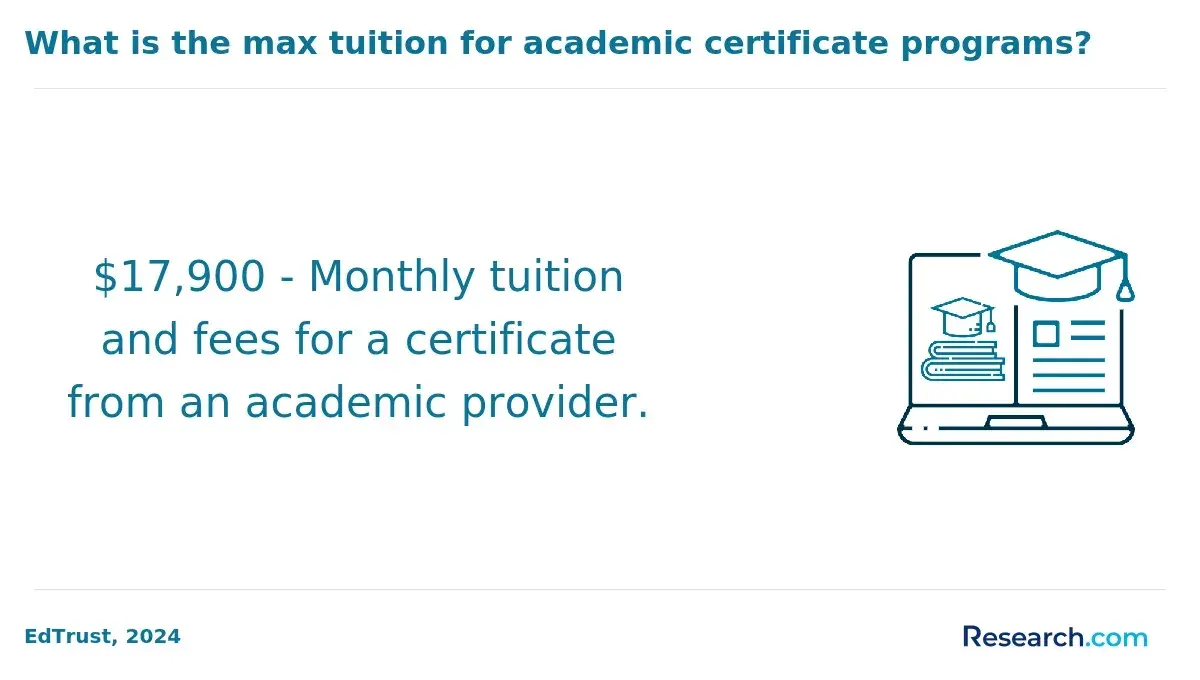
Financially, the lack of clear transparency between online and on-campus cost structures complicates prospective students' decisions. While top programs charge around $480-$600 per credit, online students may save significantly on housing and transportation, a factor that must be weighed against curriculum adequacy when assessing program value.
What admission policies and transfer credit practices signal potential problems in online homeland security programs?
Programs with lenient admissions and permissive transfer credit policies can undermine the academic rigor essential for Homeland Security careers that demand solid foundational knowledge. Accepting students with unrelated degrees or unvetted credits from non-accredited institutions often results in superficial curricula, reducing graduates' competitiveness for roles requiring federal clearance or specialized expertise.
For example, a student transferring credits from an unaccredited online program may face credit denial later, delaying graduation and increasing costs without enhancing employment prospects. Hiring managers frequently scrutinize transcript rigor and prefer candidates from programs with strict admission standards and transparent credit evaluation tied to accredited partnerships.
As at least 14 national distance-learning security-related degrees emerge, institutions expanding rapidly might sacrifice selectivity to boost enrollment. This growth-driven approach risks diluting program quality and creating credential skepticism among employers.
Prospective students and working professionals seeking to reposition in Homeland Security should:
- Request detailed transfer credit audits before enrollment to avoid surprises
- Prioritize programs emphasizing competency-based criteria over open access
- Consider how program policies affect clearance eligibility and employer confidence
In this context, navigating admission and credit policies strategically aligns educational investments with realistic workforce demands and career timelines.
How do tuition, hidden fees, and financial aid practices reveal red flags in homeland security degrees?
Opaque tuition structures in online homeland security master's programs create real challenges for students balancing budgets and career timelines. A program that advertises $500 per credit hour but adds over $1,000 in undisclosed fees across a two-year master's significantly inflates the cost, undermining straightforward financial comparisons.
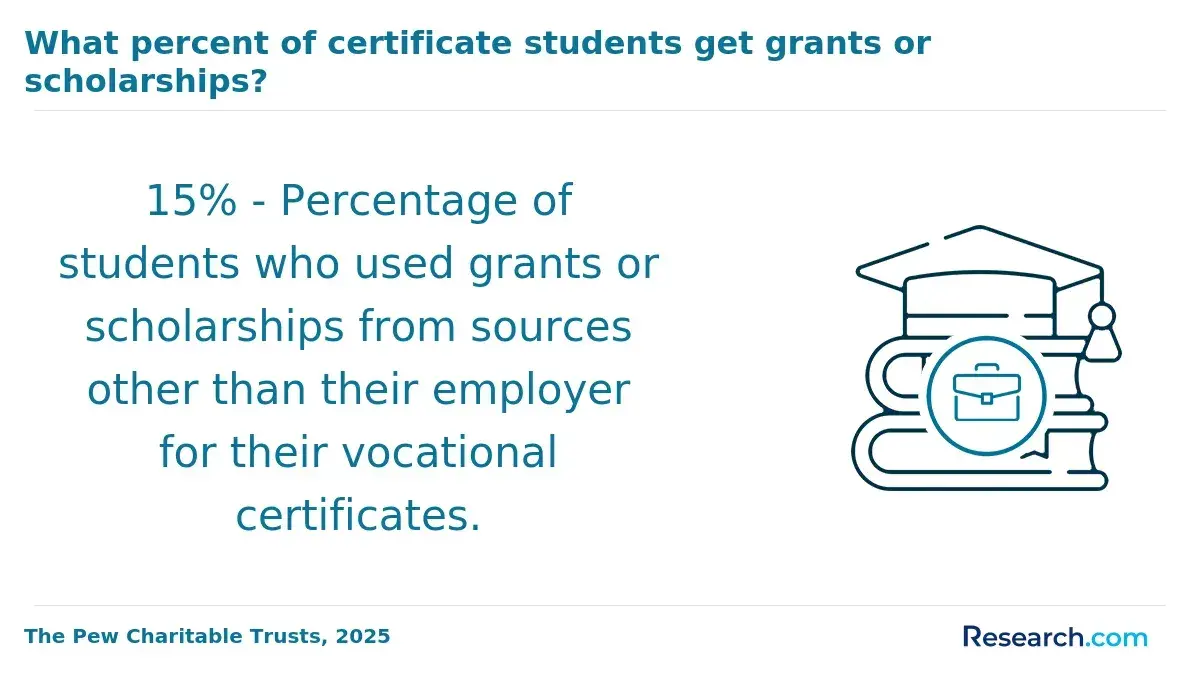
Financial aid marketing often compounds this issue. Scholarships or grants aggressively promoted may have strict eligibility or be limited in supply, meaning many applicants confront unexpected out-of-pocket expenses. Programs that clarify typical aid award rates and realistic borrowing expectations provide a more trustworthy basis for financial planning.
Time-to-degree estimates often skew toward optimistic full-time plans of 18 to 24 months. In reality, many part-time students take three to four years, stretching out tuition fees and delaying credential completion. This extended timeline can hinder timely reentry or progression in public safety leadership roles, where employers expect credentials within industry-relevant timeframes.
Deciding on an online homeland security degree requires scrutiny of both tuition transparency and realistic program pacing. Choosing longer part-time options may increase overall costs and postpone salary growth. Students must weigh these tradeoffs carefully, seeking verified information on fees and completion schedules to align educational investment with workforce demands.
What graduation, job placement, and salary outcomes should you review for homeland security programs?
A homeland security graduate program's value hinges on graduation rates exceeding 70%, indicating strong student support and accessible curricula. Job placement data must focus on roles directly tied to homeland security disciplines, like emergency management, cybersecurity, intelligence analysis, rather than broad public safety jobs. Employment outcomes should be measured within six months post-graduation, emphasizing full-time positions with relevant duties to avoid overstating value.
Salary figures require scrutiny of median incomes at entry and three years after graduation, benchmarked regionally and nationally for homeland security careers. For example, 2024 U.S. Bureau of Labor Statistics data show information security analysts earning median salaries above $100,000, providing a relevant baseline for comparison.
Graduates should temper expectations by recognizing that many homeland security jobs increasingly prioritize certifications or specialized training over full graduate degrees.
Decision-makers must balance program cost against alternatives, noting the National Center for Education Statistics cited an average graduate program cost of $19,749 for 2020-21, a critical figure against which to assess ROI. Reliable programs disclose verified, outcome-based data, ideally validated by independent sources or government records.
For instance, a professional transitioning from public administration into emergency management needs programs that demonstrate strong ties to local or state hiring trends or offer certifications employers prioritize. Without clear, outcome-driven evidence, prospective students should approach with caution and weigh practical career implications carefully.
How can you confirm an online homeland security degree will meet employer, certification, and security clearance expectations?
Online homeland security degrees rarely guarantee eligibility for security clearance without direct institutional support. Prospective students must confirm that programs hold recognized regional or national accreditation and that curricula align with federal standards such as those from the Department of Homeland Security or FEMA. Without this, certification and clearance pathways often become inaccessible.
Employers in government or defense sectors tend to prefer graduates from programs with clear ties to the public sector and verified graduate employment outcomes. For example, candidates aiming for emergency management roles should weigh the limited 4% job growth and median salary of $83,960, as reported by the U.S. Bureau of Labor Statistics, which indicates a slow expansion and constrained earning potential for graduates focused solely on these credentials.
In contrast, degrees emphasizing cybersecurity or intelligence analysis frequently lead to stronger market demand and higher return on investment.
Program formats that incorporate scenario-based learning rather than purely theoretical content typically yield better employer recognition. Additionally, verifying whether the program prepares students for certifications like Certified Emergency Manager (CEM) or meets Department of Defense clearance prerequisites is key, since many online degrees fall short of these standards.
Other Things You Should Know About Homeland Security
Many online homeland security programs market flexibility but vary widely in actual time demands. Intensive programs with frequent deadlines and group projects can conflict with full-time work schedules, causing burnout or delayed completion. When selecting a program, assess realistic weekly workload expectations and course pacing to ensure alignment with your professional and personal availability over the full term of study.
Employers prioritize applied skills such as risk assessment, incident response coordination, and familiarity with federal compliance frameworks over theoretical knowledge alone. Programs heavy on theory without simulation labs or real-world scenario training often leave graduates underprepared. Seek programs emphasizing hands-on experiences, case studies, and partnerships with agencies to develop immediately transferable competencies.
Specializations can enhance specific career paths but may also narrow your job market if too specialized or outdated. Prioritize programs offering concentrations aligned with current sector demands, such as cybersecurity or emergency management, and those updating tracks regularly to reflect evolving threats. If uncertain, a broad-based curriculum with electives may better support versatile career advancement in homeland security.
References
- Homeland Security Requirements (Degrees, Jobs & Salary) https://www.allcriminaljusticeschools.com/federal-law-enforcement/homeland-security/
- Types of Homeland Security Degrees | Compare Schools https://www.criminaljusticeprograms.com/specialty/homeland-security-degrees/
- Online Bachelor's Degree: Homeland Security https://www.umgc.edu/online-degrees/bachelors/homeland-security
- Homeland Security AS https://www.sunyjefferson.edu/academics/programs/homeland-security-as.php
- Urban Institute Report Reveals Hidden Costs of Higher Education and Calls for Policy Response https://www.higheredtoday.org/2024/02/26/the-housing-and-food-gaps-in-thousands-of-dollars-comparing-student-budgets-and-policy-solutions-across-institutions/
- Differences Between a Criminal Justice and Homeland Security Degree https://www.nec.edu/news/criminal-justice-vs-homeland-security-degree