2027 Online Homeland Security Degrees With Emergency Management Coursework

Co-Founder and Chief Data Scientist
Emergency managers and homeland security professionals increasingly face scenarios where rapid, well-coordinated responses to complex threats hinge on specialized knowledge across both domains. The Bureau of Labor Statistics projects a 7% growth in homeland security employment over the next decade, signaling rising demand for multi-skilled practitioners. However, balancing shift work, evolving federal requirements, and continuing education presents a significant timing and accessibility challenge. Meanwhile, the National Center for Education Statistics reports that online enrollment among adult learners has grown by 9% since 2023, reflecting a shift toward more flexible learning suited for working professionals.
The following article evaluates online homeland security degrees integrating emergency management coursework, focusing on program structure, career relevance, and practical tradeoffs to aid strategic educational decisions for those targeting advancement or career shifts within this demanding field.
Key Things You Should Know
- Emerging DHS workforce data from 2024 shows 18% of roles require emergency management coursework, pressuring programs to prioritize applied scenario-based training over theory, impacting curriculum design tradeoffs.
- Federal employer surveys reveal 42% prefer candidates with integrated cybersecurity and emergency management skills, forcing applicants to balance specialization depth versus broader operational competence.
- Median tuition inflation of 6.3% annually for online programs since 2022 limits timely degree completion for mid-career professionals, affecting enrollment patterns and ROI timelines in Homeland Security sectors.
What is an online homeland security degree with emergency management coursework?
An online homeland security degree program with emergency management coursework equips students with integrated skills essential for roles in disaster mitigation and crisis leadership. This educational pathway combines operational security principles with emergency preparedness, risk assessment, and recovery planning, offering adaptability across sectors like government agencies, healthcare, and critical infrastructure. Practical application is critical; for instance, a graduate embedded within a hospital emergency preparedness team uses these competencies to craft evacuation protocols, lead coordination with local authorities in real-time emergencies, and manage recovery efforts that directly influence patient safety and service continuity.
Employers in emergency management emphasize expertise in threat analysis, policy execution, and interagency coordination, underlining the value of curriculum elements such as cybersecurity and incident command system (ICS) protocols. Graduates are expected to contribute effectively in environments ranging from emergency operation centers to private sector risk management. Workforce demand prioritizes multifaceted skills for frontline and managerial positions, reflected in labor data where emergency management directors earn a median wage of $84,130 annually, with top earners exceeding $144,620, demonstrating the economic benefits of this combined knowledge.
Prospective students must weigh key tradeoffs when selecting programs, including balancing theoretical learning with practical simulations or internships-some requiring local facilitation despite online coursework. Accreditation, faculty expertise, and strong industry connections become decisive factors influencing job placement and long-term career resilience. Access to transparent data on tuition and costs, such as via the cost of criminal justice degree resources, helps contextualize investment against expected outcomes.
Online homeland security degree programs with emergency management strategically serve candidates targeting senior roles in federal emergency agencies, municipal public safety offices, or private security firms where comprehensive disaster resilience capabilities are essential.
How do online homeland security programs compare to campus-based degrees?
Choosing between online homeland security degree programs vs traditional campus degrees hinges on practical readiness and employer expectations rather than just theoretical knowledge. Campus degrees often offer invaluable hands-on training through simulation labs and coordinated crisis drills, experiences that employers in emergency management prioritize for candidates coordinating real-time responses. Conversely, online programs provide flexible curricula suited for working professionals seeking career pivots but place the burden on students to secure comparable fieldwork independently.
The U.S. Bureau of Labor Statistics projects a modest 3% growth in emergency management director roles from 2022 to 2032, with most job openings due to workforce replacement. This stable demand favors applicants demonstrating operational competence, often more accessible through campus internships and co-op opportunities. Prospective students should critically assess if target employers value online credentials equally and whether virtual platforms incorporate scenario-based learning or local agency partnerships to bridge practical gaps.
Online programs can be especially effective in areas like cybersecurity or threat assessment, where virtual tools simulate real-world conditions. For a detailed exploration, consider the fastest online cyber security degree, which reflects these growing opportunities. Students must weigh tradeoffs around accreditation, experiential learning access, and alignment with local labor markets when deciding the best path to earn a homeland security degree online compared to on-campus.
Which accredited schools offer credible online homeland security degrees?
Choosing an online accredited homeland security degree program requires more than accreditation; it hinges on career alignment and workforce demands. Graduates targeting federal roles must prioritize curricula emphasizing criminal justice, intelligence analysis, and cybersecurity, while those focused on emergency management should seek programs integrating disaster preparedness and public administration. For example, the University of Massachusetts Lowell offers degrees with strong connections to emergency response agencies, supporting practical internships and applied learning opportunities.
Employers favor candidates from regionally accredited schools like those recognized by the Higher Learning Commission or Middle States Commission on Higher Education. This recognition not only ensures academic rigor but directly impacts eligibility for federal positions where credentials are increasingly scrutinized by the Office of Personnel Management. The financial stakes are clear: federal special agents earn a median annual wage of $88,060, compared to $34,990 for protective roles not requiring degrees.
Successful enrollment decisions balance faculty expertise rooted in homeland security practice, transfer credit policies, and program flexibility. Candidates must be wary of non-accredited institutions that often lack employer recognition and do not facilitate access to critical career paths. Additionally, some students may enhance their credentials by supplementing homeland security studies with online forensic science courses to widen skill applicability.
Among the best schools offering online homeland security degrees in the US, programs tailored to working professionals within federal, state, and local agencies-such as those by American Public University System-reflect practical challenges and real-world workforce integration.
What emergency management courses are typically included in these programs?
Emergency management curriculum in homeland security programs centers on high-stakes decision-making skills grounded in risk assessment, incident command systems, and hazard mitigation policies. For example, coordinating emergency personnel during events like Hurricane Katrina demands not only theoretical knowledge but also real-time practical expertise that these courses aim to develop. Graduates must navigate complex crisis communications and public information management to maintain operational effectiveness under media and stakeholder pressure.
Students encounter practical challenges in financial and grant management, often operating within constrained government or nonprofit budgets, requiring legal acumen for resource allocation. Legal and ethical education prepares professionals to address liability issues inherent in emergency interventions. Programs increasingly embed simulation-based training or case studies-such as the 9/11 response-to enhance analytical skills under pressure while fostering proficiency with specialized tools like geographic information systems (GIS) used for spatial disaster data analysis.
One critical tradeoff in selecting online homeland security emergency management courses is balancing tuition cost against program depth and hands-on opportunities. For instance, Georgia Military College's online bachelor's tuition averages $8,415 annually, below the national public four-year average of $11,000, but employers emphasize that practical incident management experience significantly outweighs coursework completion alone. Prospective students must weigh these factors strategically within their career goals and workforce demands.
Informed financial planning matters since tuition impacts total investment and long-term returns; insights from marketing graduate programs analyses reveal that cost efficiency combined with relevant skills determines employability prospects more than credential prestige.
What are the admission requirements for online homeland security degrees?
Admission for online homeland security degrees balances academic readiness with rigorous background vetting, reflecting employer demands for security clearance and relevant operational skills. Most programs require a high school diploma, but stronger candidates present a GPA of 2.5 to 3.0 in social sciences or government courses, sometimes supplemented by standardized test scores unless waived under current policies. For those targeting emergency management tracks, credentials like first responder training or disaster response certification improve admission outcomes.
Employers expect candidates to demonstrate not only technical knowledge but alignment with public safety roles, often evidenced through detailed personal statements. Background checks focused on criminal history and legal residency are standard prerequisites that affect enrollment eligibility.
Professionals re-entering education benefit from accelerated pathways contingent on prior official transcripts and references that confirm security clearance or related work experience. Mid-career civilian or military candidates must often prove professional background or clearance eligibility, ensuring the program's relevance to operational realities and workforce capability.
Logistical preparedness-stable internet, reliable video communication, punctual paperwork submission-directly influences start dates and competitiveness. Delays in these areas can hinder entry into a sector where timeliness and dependability carry significant weight.
How long do online homeland security programs take and what do they cost?
Choosing an online homeland security program with emergency management coursework requires evaluating time-to-completion against career goals and financial constraints. Bachelor's degrees typically take 18 to 24 months full-time, while master's degrees require 12 to 18 months depending on prior credits and enrollment intensity. Part-time study extends this timeline but maintains income for working professionals, creating a critical tradeoff between faster entry into $75,000-$90,000 median salary roles (like intelligence analysts or federal special agents) and ongoing earnings.
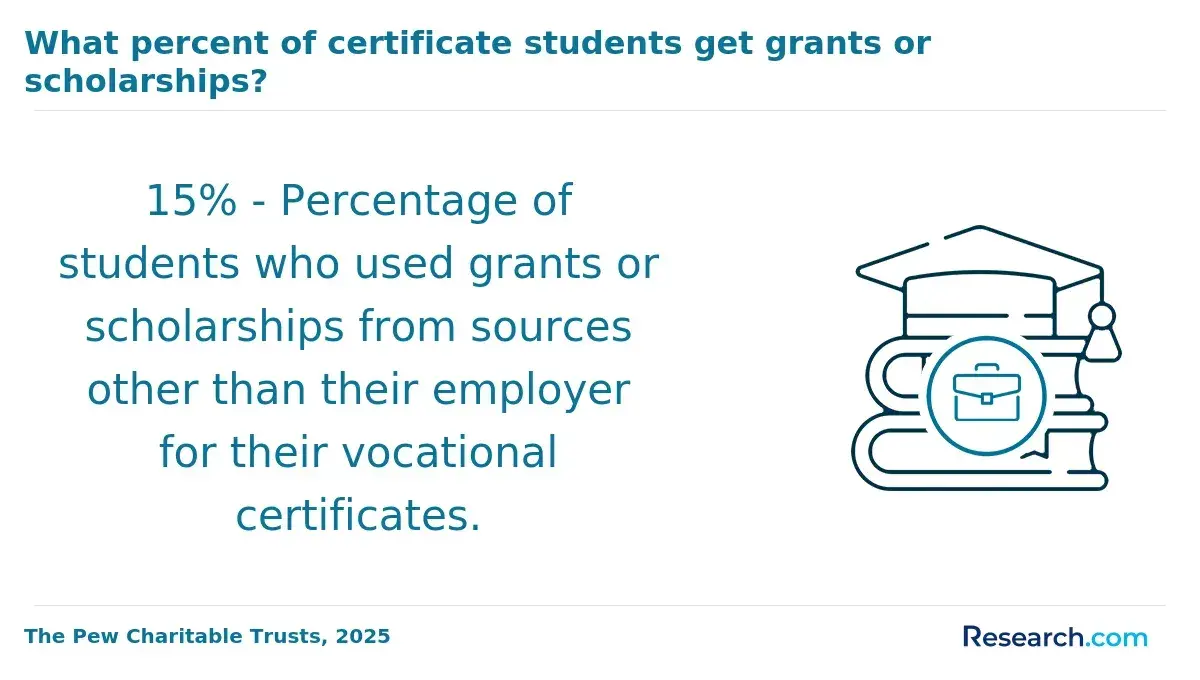
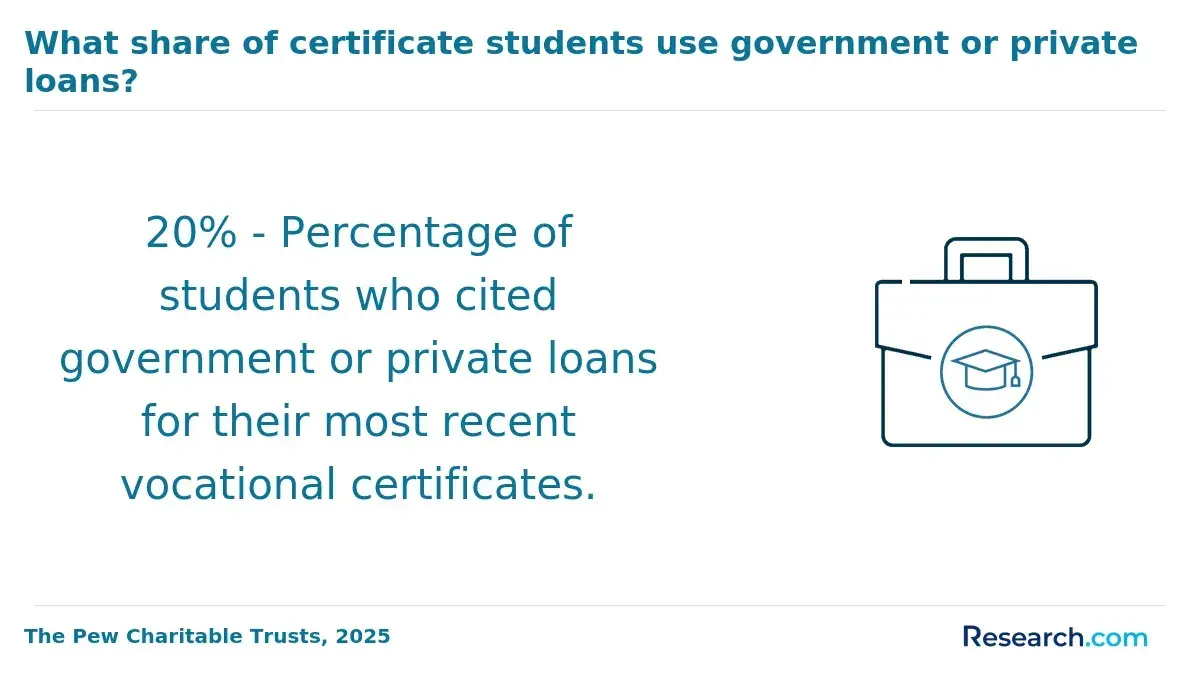
Tuition varies significantly by institution and residency: public universities charge $8,000 to $15,000 annually for in-state students, whereas out-of-state or private schools can demand $20,000 to $35,000 per year. Graduate programs cost more, often totaling $15,000 to $40,000. Ancillary expenses such as fees, books, and technology add thousands more. These financial variables must be weighed against employer tuition assistance if available.
Working professionals aiming for federal career advancement should prioritize accredited online programs recognized by the Department of Homeland Security to meet strict federal qualifications and reduce retraining risks. Aligning coursework with certifications like Certified Emergency Manager enhances professional credibility in a competitive job market.
What careers can graduates of online homeland security and emergency management programs pursue?
Graduates from online homeland security and emergency management programs enter fields where patience and specialized skills outweigh rapid hiring. Federal agency roles-including FEMA, DHS, and TSA-demand navigating lengthier hiring cycles and stringent security clearance processes, factors that profoundly affect employment timing and career mobility. State and local emergency management offices require professionals adept at managing regional hazards and coordinating across jurisdictions, often in high-pressure disaster scenarios. Private sector roles target infrastructure and corporate security, emphasizing cybersecurity, business continuity, and regulatory compliance expertise.
Applied competencies such as risk analysis, crisis communication, and command system knowledge are non-negotiable for candidates. Certification in the National Incident Management System (NIMS) and embedded practical training enhance employability, particularly for emergency operations center assignments. Budget-driven hiring patterns in government necessitate proactive networking and realistic timelines.
Financially, active-duty military personnel benefit from substantially reduced tuition rates-often $250 per credit or less-compared to civilian rates that exceed $450 per credit, influencing their debt load and salary negotiation leverage post-graduation. Understanding these cost differentials and hiring dynamics is essential when selecting program coursework aligned with intended career sectors.
What salary ranges and earning potential exist in homeland security and emergency management?
Salary prospects in homeland security and emergency management depend heavily on role specificity, employer type, and geographic factors. Entry-level salaries begin around $45,000 annually, while senior professionals often surpass $100,000. For instance, emergency management directors earn a median annual wage near $80,000, demonstrating how advanced experience and education translate into meaningful financial returns.
Key workforce considerations include the distinct compensation patterns between federal, state, and local jobs. Federal roles usually offer higher pay and benefits but carry the requirements of security clearances and relocation, which may not align with all candidates' circumstances. State and local positions trade off lower salaries-commonly $50,000 to $90,000 for law enforcement officers with homeland security expertise-against increased community stability.
Practical career mobility is visible when comparing job path salary trajectories. For example, an intelligence analyst progressing to a supervisory emergency management director can expect a salary increase exceeding 25% within five years, contingent on targeted certifications and leadership experience. Specialized emergency management coursework broadens eligibility for multifaceted roles, with New England College data noting over ten distinct career paths for graduates, enhancing market adaptability.
Decision-making should weigh:
- Employer expectations around flexibility and clearances
- Geographic salary variations and cost-of-living factors
- Tradeoffs between immediate stability and longer-term earning growth
Students and professionals must align educational investments with these realities to optimize outcomes in homeland security careers.
What is the job outlook and demand for homeland security and emergency management professionals?
Demand for emergency management professionals is steady but highly contingent on combining formal education with practical experience. Employment for emergency management directors is expected to grow 6% from 2024 to 2034, aligning with average occupational growth nationally. However, employers increasingly seek candidates who pair a bachelor's degree with years of hands-on experience in risk assessment, interagency coordination, and policy execution.
A sole focus on emergency management coursework without related skills-such as cybersecurity or public administration-limits advancement opportunities. For example, professionals aiming to lead metropolitan emergency services must showcase experience managing multi-agency disaster responses and a firm grasp of federal regulations. This dual competence often distinguishes candidates in a competitive marketplace.
Ongoing professional development is essential as threats evolve rapidly. Successful emergency managers consistently update credentials and diversify skills to address complex crises spanning infrastructure failures, climate disasters, and pandemics. Integrating homeland security education with emergency management studies and real-world problem solving yields a robust foundation for leadership roles.
How can students evaluate and choose a reputable online homeland security program?
Selecting an online homeland security program without accredited credentials often leads to a curriculum misaligned with employer expectations and evolving field demands. Accreditation from recognized bodies such as the Department of Homeland Security's National Centers of Academic Excellence or regional accreditors ensures academic rigor and validation by industry stakeholders. For example, programs that incorporate FEMA-aligned modules in intelligence analysis, risk assessment, and cybersecurity equip students to address operational realities shaped by frequent federally declared disasters-over 60 since 2010 according to FEMA data.
Practical training components like virtual simulations or partnerships with emergency services serve as critical differentiators, converting theoretical knowledge into actionable skills for real-world crisis scenarios. Without such immersion, graduates risk underperformance in response coordination or operational roles. Faculty expertise also matters; instructors actively engaged in homeland security or government roles provide context-sensitive insights that static academic content cannot.
Working professionals must assess a program's delivery format to ensure compatibility with irregular schedules common in emergency response roles. Asynchronous courses paired with accessible advisor support accommodate shift work better than rigid synchronous models. Alumni outcomes data-specifically job retention, sector diversity, and promotion rates-should influence enrollment decisions, indicating the program's tangible impact on career trajectories within homeland security.
Other Things You Should Know About Homeland Security
Online programs designed for working adults vary widely in intensity. Programs with asynchronous coursework offer flexibility but require disciplined time management to handle complex topics like risk assessment and policy analysis. Overloading on credits can jeopardize performance and practical comprehension, so professionals should prioritize programs with balanced pacing to ensure mastery without burnout.
Specializing in emergency management narrows focus to disaster response and crisis coordination, which suits roles in local, state, or federal emergency agencies. Broad homeland security programs cover intelligence, cyber threats, and policy, offering wider but less deep expertise. Choosing specialization should align with targeted career environments-emergency management is preferable for operational response roles, while a broad curriculum prepares for strategic or analytical positions.
These programs can facilitate such pivots if the curriculum includes policy, law enforcement coordination, and national security frameworks relevant to federal agencies. However, federal employers also highly value experience and security clearances, which education alone cannot substitute. For mid-career transitions, integrating degree completion with targeted internships or clearance processes enhances employability more than education in isolation.
References
- Online Master of Science in Homeland Security at UMFK https://online.umfk.edu/homeland-security/
- Types of Homeland Security Degrees | Compare Schools https://www.criminaljusticeprograms.com/specialty/homeland-security-degrees/
- Bachelor of Science inEmergency Management and Homeland Security Online or On Campus https://www.albany.edu/cehc/programs/bs-emergency-management-homeland-security
- What Can You Do With a Homeland Security Studies Degree? https://sopa.tulane.edu/blog/what-can-you-do-homeland-security-studies-degree
- Online Homeland Security Degrees: Explore Top Programs https://www.degreesforgood.org/online-degrees/homeland-security-programs/
- Online Bachelor's Degree: Homeland Security https://www.umgc.edu/online-degrees/bachelors/homeland-security
- Emergency Management https://www.algonquincollege.com/online/program-info/emergency-management/
- Online Degree Programs from GMC Online https://online.gmc.edu/programs/bachelor-of-applied-science-in-homeland-security-emergency-management/
- Homeland Security & Emergency Management | Mercer University https://professionaladvancement.mercer.edu/academic-programs/undergraduate/homeland-security-and-emergency-management/
- Training & Certification https://www.ncdps.gov/our-organization/emergency-management/em-operations/training-certification