2027 How to Choose an Online Homeland Security Degree With Strong Outcomes

Co-Founder and Chief Data Scientist
Facing tight schedules and evolving credential expectations, many homeland security professionals struggle to identify online degree options that genuinely enhance career prospects without imposing unrealistic time commitments. Enrollment trends from the National Center for Education Statistics indicate a 15% rise in adults choosing fully online programs since 2023, reflecting demand for flexibility paired with workforce relevance. Yet, not all programs deliver outcomes aligned with this shift, risking costly detours or stalled advancement. Understanding which online degrees balance accreditation, curriculum rigor, and employer recognition is essential. This article examines practical evaluation criteria to help students select online homeland security degrees that align with career progression and real-world impact.
Key Things You Should Know
- Only 45% of online homeland security degree graduates meet the 12-month employment benchmark per the 2024 National Student Clearinghouse, forcing candidates to weigh accelerated programs against extended job-search risks.
- Employers prioritize certifications aligned with specific agencies, like FEMA or TSA, over generic degrees, implying that programs incorporating sector-recognized credentials yield 30% higher hire rates according to the Bureau of Labor Statistics.
- Average tuition for fully online homeland security degrees rose 8% from 2023 to 2024, outpacing inflation and pressuring prospective students to assess ROI versus local community colleges offering targeted training pathways.
What makes an online homeland security degree reputable?
Successful entry into homeland security hinges on genuinely accredited online programs aligned with employer demand. Accreditation by recognized bodies such as the Middle States Commission on Higher Education (MSCHE) ensures academic rigor and workforce credibility. The best online homeland security degree accreditation standards emphasize outcome transparency; programs with at least 70% graduate employment in homeland security, cybersecurity, emergency management, or federal agencies within 12 months reflect meaningful labor market relevance. These metrics matter given that information security analysts, a central role in homeland security, earned a median salary of $120,360 in 2023 with a 33% projected growth through 2033, as reported by the U.S. Bureau of Labor Statistics via Southern New Hampshire University.
Curriculum must include not only cyber defense, risk assessment, and counterterrorism but also robust practical experience. Students lacking validated internships or practicum exposure risk underperformance in real-world high-pressure environments. For example, a mid-career professional shifting to homeland security may face significant delays in job placement without these hands-on opportunities.
Faculty expertise further distinguishes program quality; instructors holding active security clearances with government or private sector experience deliver critical insights. Flexibility in program scheduling and interactive, reliable online platforms is equally vital for working professionals balancing education with employment.
Those researching universities offering quality online homeland security programs should consider program outcomes critically alongside academic credentials. For a comprehensive comparison focused on criminal justice pathways that intersect with homeland security, visit best online associate degree programs in criminal justice.
How do you verify accreditation for online homeland security programs?
Regional accreditation from established U.S. Department of Education-recognized bodies such as the Middle States Commission on Higher Education or the Southern Association of Colleges and Schools is a practical baseline when determining how to check accreditation for online homeland security degrees. This validation not only safeguards academic rigor but directly impacts eligibility for federal aid and professional credentials that employers value.
Specialized accreditation or endorsements linked to homeland security can further affect a graduate's job market acceptance and the program's alignment with operational standards in the field. Use trusted resources like the Database of Accredited Postsecondary Institutions and Programs (DAPIP) or the Council for Higher Education Accreditation (CHEA) to verify that the accreditation is legitimate. Diploma mills, often backed by unrecognized agencies, undermine career trajectories and should be avoided.
Employers, especially within federal agencies or contractors, prioritize degrees from regionally accredited programs demonstrating tangible workforce outcomes. Programs like George Washington University's online bachelor's completion in homeland security show median salaries around $95,000, signaling effective market preparation. These considerations also impact mid-career professionals assessing how best accreditation agencies for online homeland security programs influence clearance eligibility, credit transfer, and promotion potential.
For individuals targeting a strategic pivot into cybersecurity or homeland security, exploring an accelerated cybersecurity degree may offer an alternative route with comparable demand and faster timelines.
Which homeland security jobs can a degree help you get?
Securing jobs in the homeland security degree careers in the United States requires more than graduation credentials; alignment with employer expectations is essential. Candidates must integrate applied knowledge with technical skill sets, especially in roles like intelligence analysts, cybersecurity specialists, and emergency management coordinators. For instance, cybersecurity analyst positions within municipal governments demand both IT proficiency and an understanding of homeland security policies, a combination attained through targeted online programs. Conversely, emergency management coordinators benefit from training in disaster response and recovery to handle multi-agency coordination effectively.
Resilience in federal roles often hinges on specialized coursework or certifications in intelligence analysis or cybersecurity, while state and local positions emphasize crisis management and public safety expertise. Additionally, programs offering internships or practicums enhance hands-on experience, a decisive factor in employability and career trajectory within this field.
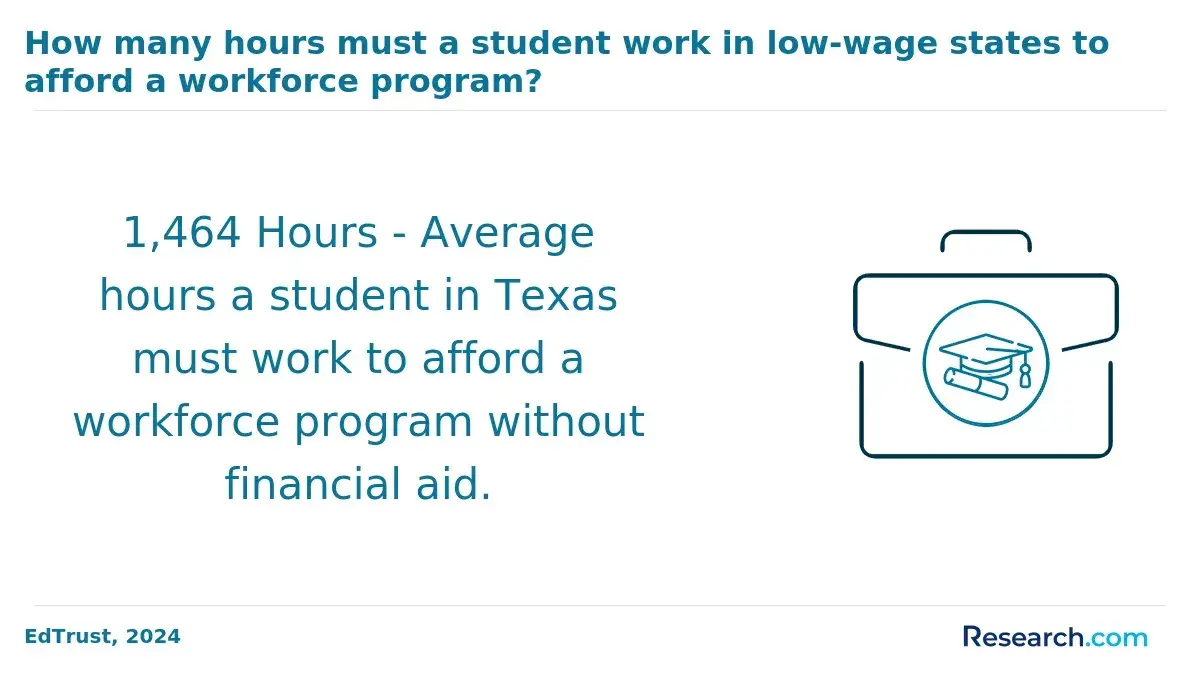
The economics of pursuing a homeland security degree must consider per-credit tuition rates, which typically fluctuate between $200 and $475, accumulating to total tuition costs ranging from $43,000 to $55,000. Given entry-level salaries between $45,000 and $65,000 that usually require years of experience for advancement, prospective students should perform a rigorous cost-benefit analysis reflecting realistic ROI expectations.
Comparing degrees across disciplines can also offer perspective on career alignment. For those weighing options with fields intersecting security and behavioral science, reviewing perspectives on the pros of being a forensic psychologist may provide additional insight.
Ultimately, selecting the best homeland security jobs for degree holders depends on how well the educational pathway translates into operational competence and meets job market demands across government layers.
What coursework is included in an online homeland security degree?
Employers in federal law enforcement and security agencies expect homeland security graduates to master an interdisciplinary skill set that bridges technical, regulatory, and operational domains. The online homeland security degree curriculum frequently incorporates core courses in online homeland security programs such as risk analysis, emergency management, cybersecurity, counterterrorism, and intelligence operations-each integral for evaluating vulnerabilities and crafting mitigation strategies across critical infrastructure and urban environments.
Practical exercises simulating disaster response and homeland defense are particularly valued, developing rapid decision-making under pressure. For example, cybersecurity coursework targets defense against digital threats, a necessity for protecting government networks or supporting intelligence roles. Real job market data show median salaries at $76,290, rising to $115,280 in the top quartile, affirming the economic relevance of selecting specialized electives like chemical, biological, radiological, nuclear, and explosive (CBRNE) threats or crisis communication.
Graduates must understand the legal frameworks that govern national security employment, including constitutional and regulatory compliance, which directly affects federal and state hiring eligibility. The absence of internships or federal law content can limit career progression despite steady projected job growth of 3.1% through 2034. Students should balance theoretical coursework with experiential learning and carefully vet program accreditation and opportunities for hands-on training.
Considering the specialized nature of homeland security education, some may also evaluate related disciplines for broader risk mitigation roles, such as environmental health and safety. Resources for those exploring alternative paths can be found by reviewing online EHS degree programs.
Should you choose an online, hybrid, or campus program?
Choosing among online, hybrid, or campus homeland security programs involves weighing tangible tradeoffs tied to career goals, accessibility, and financial impact. Online options provide unmatched flexibility and cost predictability; for example, American InterContinental University Online charges a flat annual tuition of $11,650 plus $660 in fees regardless of residency (College Factual, 2022-2023). This structure supports professionals who cannot pause work or relocate, offering uninterrupted progress without geographic limitations.
Hybrid formats suit candidates needing occasional experiential training-such as incident command exercises-but who cannot commit to full-time campus attendance, balancing hands-on preparedness with ongoing job or family responsibilities. Campus-based programs traditionally excel for roles demanding immersive, physical skills and in-person networking, such as border security officers or federal law enforcement recruits, who benefit from direct mentorship and local employer connections enhancing job placement.
Employers increasingly accept online credentials if programs demonstrate clear accreditation and outcomes yet often require in-person experience for some operational roles. Candidates must carefully assess job requirements and personal constraints to align pathway choice with long-term employability and upfront cost. Key practical considerations include:
- Online's cost efficiency and flexibility versus potentially limited hands-on training.
- Hybrid's middle ground for skill application without full campus presence.
- Campus immersion's advantage in specialized training and local demand-driven networking.
What admissions requirements do online homeland security programs usually have?
Entry requirements for online homeland security programs reflect pragmatic hiring standards and workforce alignment rather than academic formalities alone. While most bachelor's programs ask for a high school diploma or GED plus official transcripts evidencing foundational knowledge in government, criminal justice, or emergency management, professional experience often replaces strict academic records-particularly for mid-career law enforcement or military candidates.
Graduate-level tracks typically demand a related bachelor's degree, a minimum 3.0 GPA, and occasionally GRE scores, but also value certifications or letters of recommendation highlighting specialized skills. Candidates targeting fields like emergency management should anticipate proving operational familiarity with disaster response, relevant given emergency management directors' median salary of $82,530 and expanding job demand driven by climate and disaster risks, according to the U.S. Bureau of Labor Statistics.
Security clearance and citizenship documentation requirements create a distinct barrier for intelligence-focused programs, narrowing access yet aligning closely with employer prerequisites. This tradeoff limits candidate pools but matches federal eligibility standards. Students without professional history should prioritize clear prerequisite pathways and active program relationships with government or employer entities.
Key points to consider include:
- Professional experience can substitute standardized tests but requires relevant work history.
- Programs with strict security protocols may limit accessibility but enhance employability in intelligence sectors.
- Verification of articulation agreements with employers boosts real-world job placement potential.
How long does an online homeland security degree take?
Pursuing an online homeland security degree presents distinct tradeoffs in time commitment and specialization, particularly between associate, bachelor's, and master's pathways. Associate degrees require about 60 credits and typically take two years full-time, positioning graduates for entry-level roles but limiting exposure to advanced cybersecurity skills essential for growing market demands.
Bachelor's programs, averaging 120 credits, traditionally span four years but can be accelerated through continuous enrollment or recognition of previous coursework, sometimes completing in three years or less. This faster timeline may benefit those balancing work but risks compressing technical depth, especially in cyber-related areas crucial for increasingly specialized roles.
Master's degrees concentrate on advanced competencies such as crisis management and intelligence analysis, usually requiring one to two years post-bachelor's. Many professionals opt for part-time study to maintain employment, though this extends total program length.
Employers in information security, projected to grow 33% between 2023 and 2033, favor candidates demonstrating up-to-date cyber expertise beyond general homeland security knowledge. Programs that integrate hands-on cyber experience or certification pathways tend to produce more workforce-ready graduates, mitigating common limitations of online formats.
- Completion time varies significantly by degree level and enrollment pace.
- Accelerated bachelor's options may reduce comprehensive cybersecurity training.
- Master's degrees emphasize specialization critical to advanced positions.
- Accredited programs with cyber emphasis better align with labor market trends.
How much does an online homeland security degree cost?
Cost differences among online homeland security bachelor's programs reflect admissions rigor, institutional ties, and practical workforce alignment. Programs priced above $30,000 typically expect GPAs above 3.5 and offer stronger connections to federal law enforcement sectors, which can enhance post-graduation job placement and command higher starting salaries. In contrast, lower-cost options around $12,000 often admit candidates with GPAs closer to 2.0 but may lack robust career services or essential curriculum depth.
For a working professional seeking to pivot into federal roles, investing in a selective program may yield faster advancement despite higher upfront costs. Beyond tuition, budgeting for certifications-ranging from $1,000 to $3,000-is necessary since employers prioritize practical skills and recognized credentials embedded within coursework. Additional expenses may include technology fees, textbooks, and occasional travel for required residencies or internships.
Key decision drivers include:
- Institutional selectivity correlating with network access and career outcomes
- Certification integration as a workforce credential benchmark
- Overall net price versus expected return in competitive homeland security roles
Prospective students should evaluate programs on net costs alongside admissions criteria and credential relevance rather than defaulting to less expensive options that might impose longer or more fragmented career trajectories. Recent insights from All Criminal Justice Schools reinforce the importance of comparing transparent outcomes data when selecting a credible degree path in this specialized field.
What salary can homeland security graduates expect?
Compensation in homeland security markedly depends on employer sector and specialization, with federal roles typically offering higher entry salaries than local government or private firms. Entry-level positions at federal agencies align with GS-7 to GS-9 pay grades, translating roughly to $50,000-$65,000, while private sector or municipal entry jobs may start near $45,000. Mid-career professionals often see $75,000 to $100,000, reflecting niche skill sets in intelligence analysis, risk assessment, or emergency management.
Advancing to supervisory or specialized technology roles can push earnings beyond $110,000 within 5 to 10 years, especially in complex federal or metropolitan environments. However, progression rarely occurs without supplementary certifications or operational experience, as employers prioritize demonstrated competencies aligned with federal frameworks over generalist academic credentials.
Choosing between accelerated online degrees focusing on core homeland security competencies and longer multidisciplinary programs presents a significant tradeoff. Programs with measurable outcomes tied to job-relevant skills improve employability but may sacrifice broader contextual understanding. Candidates must weigh rapid workforce entry against comprehensive preparation.
Key workforce implications include:
- Salary variance linked to employer type and role complexity
- The necessity of certifications or validated experience for senior positions
- The impact of program design on skills alignment and job readiness
- Potential tradeoffs between specialized competency-focused education and wider multidisciplinary training
Source: Homeland Security Affairs Journal
Which certifications strengthen a homeland security career?
Choosing certifications within homeland security requires weighing their direct impact on employment trajectories against the demand for interdisciplinary skills and practical experience. Cybersecurity certifications such as CISSP, CEH, and CPP distinctly influence opportunity scopes but diverge in focus and employer expectations. CISSP typically serves as a foundational benchmark for cybersecurity roles by validating expertise in risk management and incident response protocols. CEH emphasizes hands-on penetration testing, crucial for cyber defense assignments where proactive threat identification is prioritized. CPP credentials, administered by ASIS International, address physical security management-a sector often underfunded but indispensable for safeguarding critical infrastructure.
Information security analysts illustrate the value of cyber-focused certifications given their projected 33% job growth through 2033, translating to substantial workforce expansion. However, emergency management or intelligence roles commonly prioritize operational readiness and analytical certificates like CEM or intelligence community endorsements, underscoring the need for specialized credentials aligned with role requirements.
Employers frequently favor candidates combining cyber and physical security credentials to address layered threats, yet candidates must consider time and financial commitments alongside clearance prerequisites favoring relevant professional experience. Aligning certification renewal demands and practical applicability to target roles mitigates credential obsolescence, fostering sustained employability. This nuanced balance often determines how certifications translate into career mobility rather than credentials alone.
Other Things You Should Know About Homeland Security
Hands-on experience, such as simulations, case studies, and sometimes fieldwork, is critical for employer readiness in homeland security. Many online programs attempt to replicate this through virtual exercises, but absence of in-person components can limit practical skill application. Prospective students should prioritize programs that integrate robust experiential elements or partner with local agencies for internships, as real-world practice is essential to developing operational competence valued by federal and state employers.
Specializations like cybersecurity, emergency management, or intelligence analysis offer targeted skills aligned with specific job markets but may narrow flexibility for future career shifts. A generalist degree provides a broad foundation that supports diverse roles but can lack depth in competitive subfields. Candidates should weigh their career goals: select specialization if clear about a niche role requiring technical expertise; choose generalist if seeking adaptability across multiple homeland security sectors or uncertain about exact career path.
Employers in homeland security often prioritize degrees from programs with a strong reputation for producing graduates who demonstrate applied knowledge and critical thinking under pressure. Purely theoretical programs may limit job prospects despite accreditation. Prospective students should research alumni outcomes and employer partnerships of programs to ensure the curriculum aligns with real-world operational demands and that graduates have pathways to security clearance opportunities where applicable.
References
- Types of Homeland Security Degrees | Compare Schools https://www.criminaljusticeprograms.com/specialty/homeland-security-degrees/
- Homeland Defender (Immigration Services Officer) https://www.usajobs.gov/job/847041700
- Difference between Hybrid, Online & In-Class Degree Programmes | BSBI https://www.berlinsbi.com/blog/what-is-the-difference-between-hybrid-online-and-in-class-degree-programmes
- Bachelor's in homeland security | edX https://www.edx.org/bachelors/homeland-security
- Online vs Hybrid vs Campus Learning in Healthcare: Which Is Right for You? https://www.edumed.org/articles/online-vs-hybrid-vs-campus/
- Online Bachelor's Degree: Homeland Security https://www.umgc.edu/online-degrees/bachelors/homeland-security
- ACADEMY | C4SEM | GLOBAL https://www.c4sem.org/homeland-security
- Your Guide to Homeland Security Certification - ARES Security https://aressecuritycorp.com/2025/01/30/homeland-security-certification/
- Online vs. On-Campus: Which Mode of Learning Is Best for You? https://www.onlinemastersdegrees.org/student-resources/which-mode-of-learning-is-best/
- Homeland Security Requirements (Degrees, Jobs & Salary) https://www.allcriminaljusticeschools.com/federal-law-enforcement/homeland-security/