2027 Homeland Security Careers With the Best Long-Term Stability

Co-Founder and Chief Data Scientist
Security analysts tasked with identifying evolving domestic threats face a paradox: the urgency to upskill versus limited time and rigid program schedules. The U.S. Department of Education's 2024 data reveals a 27% surge in adult enrollment in flexible, online cybersecurity and related security programs-a response to workforce pressure and the need for immediate applicability. This trend signals a shift where career pivots demand education that matches operational tempo and personnel constraints.
Choosing a pathway that balances recognized credentials with accessibility is vital for sustainable employment. This article evaluates long-term stability in homeland security careers, guiding candidates through strategic educational and occupational decisions to overcome these barriers.
Key Things You Should Know
- Federal workforce projections from the U.S. Office of Personnel Management show a 12% increase in cybersecurity roles through 2030, demanding advanced certifications that delay entry by 1-2 years but yield 25% higher median salaries.
- Private sector agency reliance on candidates with interdisciplinary experience complicates hiring, privileging candidates with demonstrated cross-domain skills over single-focus graduates, reducing direct pipeline efficiency by 18% according to RAND analyses.
- The National Science Foundation notes that intensive, multimodal training programs cost 30% more upfront but increase job retention rates by 22% in critical infrastructure protection roles, creating a timing-cost tradeoff for career pivots.
What Homeland Security careers offer the most long-term stability?
Careers in cybersecurity, intelligence analysis, and federal law enforcement represent some of the most stable long-term employment opportunities in the homeland security sector. Sustained federal investment supports a workforce of roughly 271,000 DHS employees, creating a labor market less vulnerable to economic shifts than many private-sector roles. Cybersecurity professionals mitigate evolving threats to critical infrastructure, requiring continuous skill updates to maintain relevance. Intelligence analysts contribute essential situational awareness through geospatial and data analytics capabilities, which are increasingly prioritized in today's hiring practices. Federal law enforcement officers, including Transportation Security Administration agents and Customs and Border Protection officers, face rigorous physical and background standards but benefit from persistently steady demand across political cycles.
Those seeking these top guaranteed stable careers in homeland security sector should recognize the importance of specialized certifications and familiarity with federal hiring protocols, particularly security clearances. Individuals without clearance eligibility or technological expertise often encounter barriers that delay or preclude hiring. While federal roles offer superior job security, candidates must weigh the tradeoff of potentially long recruitment processes and restrictive geographic assignments near federal installations. Professionals can also leverage DHS workforce diversity to pivot between cybersecurity and intelligence functions, enhancing career durability.
Prospective students considering a strategic shift into homeland security careers with best long-term job stability may benefit from a criminal justice bachelor degree focused on federal frameworks and technological integration, reflecting practical workforce demands rather than generic credentials.
What education is needed for Homeland Security jobs with strong job security?
Long-term stability in homeland security careers hinges on completing a bachelor's degree in cybersecurity, information technology, criminal justice, or a related STEM field. The 2024 federal cyber workforce strategy from the U.S. Office of Personnel Management confirms a persistent shortage of skilled cybersecurity professionals, especially within homeland security roles. This structural scarcity directly impacts job security, making a technically rigorous education combined with hands-on experience essential for employers.
Hiring managers favor candidates from accredited programs providing practical training in network defense, risk management, and incident response. A cybersecurity analyst at a federal agency, for example, must demonstrate the ability to secure systems against sophisticated threats, often requiring certifications such as CISSP or Security+ alongside a degree. While certifications enhance qualifications, they do not replace the foundational value of a bachelor's degree in this space.
Entry-level homeland security careers education requirements in the United States sometimes allow associate degrees or military experience, but these paths usually limit upward mobility. Mid- to advanced-level roles typically demand at least a bachelor's degree, with some positions benefitting from a master's in cybersecurity or homeland security policy. Programs that integrate intelligence analysis or emergency management expand opportunities beyond technical roles but demand a blend of technical acumen and policy understanding for stable employment.
Balancing program cost against employer demand is a key tradeoff; degrees from schools with government or defense ties offer superior hiring prospects. To avoid overly theoretical qualifications, students should ensure their education includes practical labs, internships, or cooperative placements that reflect real-world requirements. Those seeking affordable pathways to these stable careers can explore options like the cyber security degree listed on research.com.
Which accredited Homeland Security degree programs best support career growth?
Employers in federal and state sectors increasingly demand homeland security degree programs that deliver applied skills alongside academic credentials, a critical factor for candidates seeking tangible career advancement. Accredited homeland security degree programs for career advancement excel when they offer interdisciplinary coursework combined with direct collaboration opportunities with emergency management and public safety agencies. This combination ensures alignment with operational realities and emerging threats.
Students targeting leadership roles benefit from bachelor's or master's programs integrating internships, scenario-based training, and professional certifications like the Certified Emergency Manager (CEM). These practical elements correspond to roles where median annual wages exceed $86,000, reflecting the premium placed on applied expertise over theoretical knowledge alone.
For those pursuing long-term stability, especially in cybersecurity or chemical-biological-radiological-nuclear defense sectors, degrees with strong STEM components and vendor-neutral certifications are essential. Graduates from generic programs lacking these specialized credentials often encounter slower career trajectories and diminished entry-level pay. This dynamic underscores the need for deliberate program selection based on employer-relevant outcomes rather than brand or proximity.
Responsive programs also accommodate working professionals through flexible learning formats and facilitate security clearances or direct hiring pipelines with partner agencies. Candidates evaluating options may also consider related fields to broaden opportunities, such as the best paralegal certificate programs, which sometimes intersect with Homeland Security roles requiring legal and compliance expertise.
These practical criteria distinguish top homeland security degrees supporting long-term job stability from those that merely provide academic credentials without actionable workforce integration.
Is an online Homeland Security degree respected by employers?
Employers assess online homeland security degrees primarily on accredited program quality and alignment with operational demands rather than learning format. Practical skills-cybersecurity proficiency, risk mitigation, and emergency response competence-are decisive factors, particularly among federal agencies and law enforcement. Those earning an online homeland security degree recognition by employers heavily depends on curriculum relevance, accreditation status, and inclusion of experiential elements such as labs or internships.
For example, information security roles that show a projected 33% growth rate require candidates to exhibit both theoretical knowledge and hands-on experience. Integrating capstone projects or cooperative training alongside certifications like CISSP or CEH substantially enhances employment prospects and credibility in the job market.
However, the value of online homeland security education in job market scenarios diminishes if programs lack recognized accreditation or fail to foster industry connections, posing barriers in sectors with rigorous vetting or security clearance requirements. Students must often complement their online education with in-person experiences or specialized training to meet these standards. This is especially relevant for veterans and remote learners navigating these challenges.
Decision criteria for evaluating programs include:
- Validation of regional or national accreditation with homeland security or cybersecurity endorsements
- Curriculum matching federal preparedness goals and cybersecurity frameworks
- Availability of immersive simulations and incident case studies
- Pathways to relevant professional certifications concurrent with degree delivery
Prospective students should also assess how their chosen program supports practical skill development, a critical factor that distinguishes merely credentialed individuals from qualified professionals. For disciplined information on related fields, compare costs and durations with alternatives like a masters degree in marketing for strategic career decisions.
What coursework is typical in a Homeland Security program?
The practical value of homeland security programs lies in their focus on blending interdisciplinary knowledge with skills that address dynamic threat landscapes. Coursework such as emergency management, cybersecurity fundamentals, intelligence analysis, and risk assessment directly target employer needs in sectors where managing both physical and digital threats is essential. For instance, cybersecurity training emphasizes network defense tactics crucial for protecting infrastructure, aligning with hiring preferences in government and private industries confronting sophisticated cyberattacks.
Complementary courses in counterterrorism, legal and ethical frameworks, and crisis communication equip students to navigate complex regulatory environments and maintain operational compliance in federal agencies like the Department of Homeland Security. This legal and strategic grounding supports roles demanding quick decision-making under pressure.
Employers prioritize candidates with proven hands-on experience, making internships and simulation-based training decisive factors in employability. Students should weigh programs offering advanced simulation tools or cybersecurity labs amid evolving technological and threat conditions, as continuing education becomes a necessity post-graduation.
A key workforce implication is visible in median wages-$78,040 in relevant security and protective service jobs-illustrating the premium placed on interdisciplinary technical, analytical, and communication skills. Selecting a program that balances technical rigor with practical application better positions graduates to meet real-world demands and shifting priorities across public and private security sectors.
What are the admission requirements for Homeland Security degree programs?
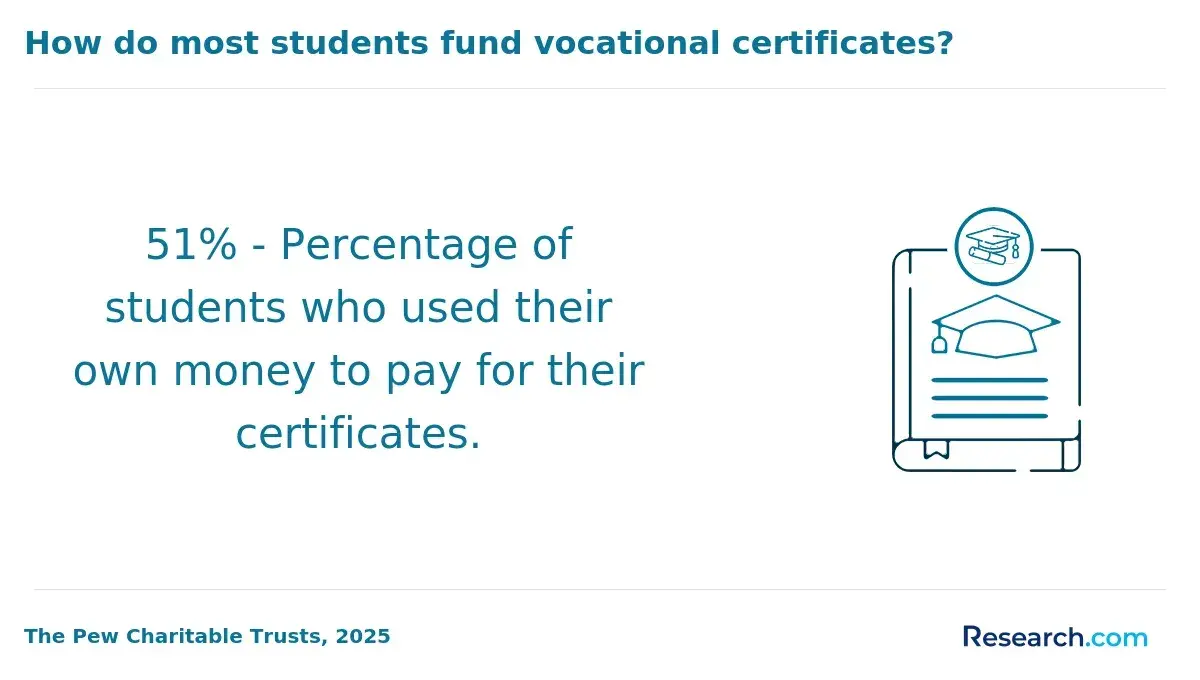
Admission into homeland security degree programs involves balancing academic credentials with operational and security demands that directly affect career pathways. Bachelor's programs typically require a high school diploma with a GPA between 2.5 and 3.0, sometimes including standardized test scores-though an increasing number of institutions adopt test-optional policies. Graduate-level admission expects a relevant bachelor's degree and commonly a minimum GPA of 3.0, alongside professional experience in public safety, military, or law enforcement roles. This prerequisite aligns with employer expectations for candidates who can navigate real-world crisis scenarios.
Security clearance eligibility represents a significant gating factor. Candidates with certain criminal histories or financial vulnerabilities may be disqualified early in the process, impacting transitions from private security jobs to federal homeland security positions. For example, applicants seeking federal roles must proactively assess their clearance prospects before committing to a program.
Online programs increase accessibility for working adults but maintain firm admission standards, including verified academic history and, often, supervisory references attesting to security-related experience. These programs correspond with workforce stability demonstrated by agencies like the Transportation Security Administration, which screened over 900 million passengers in 2024, highlighting ongoing demand for qualified personnel.
Applicants must also verify critical thinking and crisis management abilities, as these skills are integral to program success and employer requirements. Preparing for admission thus involves a comprehensive portfolio of academic performance, relevant work experience, and compliance with clearance protocols.
How long does a Homeland Security degree usually take to complete?
The typical pathway into homeland security roles requiring strategic influence involves completing a four-year bachelor's degree, balancing comprehensive theory with practical skill development. While associate degrees offer quicker entry points, their limited scope often restricts eligibility for mid-level federal positions, especially in agencies like U.S. Customs and Border Protection, which demands at least a bachelor's degree or equivalent experience for many roles.
Educators and employers recognize that part-time or online study options extend timelines by up to two additional years, impacting how soon candidates can engage in operational environments or meet recruitment cycles tied to security clearances. Accelerated programs exist but necessitate significant time commitments and reduce opportunities for experiential learning through internships, which are vital in a field reliant on applied knowledge.
Working professionals pivoting into homeland security must weigh:
- Degree duration versus depth of specialized expertise gained
- Alignment of program completion with federal hiring and clearance procedures
- Tradeoffs between rapid entry and slower but more credentialed progression
Certification supplements validate specific competencies but do not replace the foundational breadth provided by bachelor's degrees, which remain the prevailing standard for long-term stability and upward mobility. Candidates neglecting these realities may face slower advancement or narrower career options.
What are the highest-paying Homeland Security career paths?
The most financially rewarding pathways in homeland security prioritize cybersecurity, intelligence analysis, and operational leadership roles, each shaped by distinct educational and professional hurdles. Cybersecurity positions demand technical certifications and degrees in computer science or IT, with median salaries above $110,000 reflecting acute needs to safeguard critical infrastructure. Intelligence careers, offering $90,000 to $130,000 depending on clearance level, typically require expertise in political science, foreign languages, or analytics coupled with security clearances-an often time-intensive barrier.
Operational roles like emergency management directors or special agents earn between $80,000 and $120,000, benefiting from experience coordinating multi-agency crisis responses but often requiring law enforcement backgrounds or relevant degrees. A key workforce reality is the tradeoff between immediate credentialing demands and long-term salary prospects across these streams.
For professionals pivoting into homeland security, clearance transferability is critical. For instance, military intelligence veterans gain faster entry and higher initial pay compared to civilians who must obtain clearances and domain knowledge from scratch. This disparity emphasizes the practical advantage of leveraging existing security credentials.
- Cybersecurity: specialized certifications plus bachelor's in tech fields, $110,000+
- Intelligence analysis: clearance plus liberal arts or analytics background, $90,000-$130,000
- Operational management: experience or degrees in emergency management or law enforcement, $80,000-$120,000
Targeting an educational path therefore requires balancing realistic timelines for credential acquisition against field-specific employability and salary structures-an essential consideration for those seeking strategic, skill-aligned entry or advancement in this complex domain.
What job outlook do Homeland Security roles have?
Prospective professionals evaluating homeland security roles must recognize that entry barriers extend beyond academic credentials to include security clearances and specialized training. This sector demands adaptability to rapidly shifting threats and government priorities, which can delay hiring and complicate transitions for outsiders without relevant experience. Operational roles such as Border Patrol agents offer wage parity with traditional law enforcement-median annual earnings near $74,910 serve as a practical salary benchmark-while cybersecurity and intelligence positions require advanced technical skills and typically yield higher compensation.
Job stability fluctuates with funding cycles and geopolitical shifts. Federal hiring often spikes post-crisis, contrasting with slower local growth, creating an unpredictable employment environment. Candidates must weigh the rigorous background checks and protracted onboarding against long-term benefits like pensions and public-sector job security.
Distinct workforce demands characterize homeland security pathways:
- Tactical positions emphasize physical fitness, ongoing drills, and maintaining clearance eligibility.
- Technical roles necessitate continuous upskilling in cybersecurity tools and analytic methodologies.
- Both require resilience amid evolving policies and emergent threats.
Choosing between these paths depends heavily on personal aptitude and tolerance for bureaucratic complexity versus dynamic technological challenges, with funding and contracting cycles directly influencing career longevity and advancement opportunities.
Which certifications strengthen a Homeland Security career?
Certifications in homeland security carry distinct operational tradeoffs and workforce implications that influence career trajectories more than general credential counts. For instance, the Certified Protection Professional (CPP) targets candidates ready for leadership in security management by validating skills in risk assessment and security design, positioning holders for roles overseeing complex security operations.
Cybersecurity credentials like the Certified Information Systems Security Professional (CISSP) address critical infrastructure protection amid evolving digital threats, a specialization that increasingly differentiates candidates but demands continuous technical upskilling. Physical security professionals gain practical advantage through the Physical Security Professional (PSP) certification, which prioritizes threat mitigation in sensitive government and private sector facilities.
The sector's median annual wage of $47,650 reflects a broad spectrum of roles, but holding multiple relevant certifications, such as combining CPP with Transportation Worker Identification Credentials (TWIC), strengthens compliance with operational and regulatory requirements, thereby improving job security and promotion opportunities.
However, balancing multiple credentials requires managing renewal fees and training demands, which can strain resources and candidate focus. Pursuing interdisciplinary certifications like the Certified Emergency Manager (CEM) can create advancement pathways but may divert attention from core homeland security competencies.
- Successful candidates actively plan continuing education to maintain up-to-date qualifications.
- Employers prioritize certifications demonstrating both situational readiness and regulatory familiarity.
- Strategic credential combinations enhance resilience against shifting homeland security staffing needs.
Other Things You Should Know About Homeland Security
Practical experience in homeland security agencies or related fields often carries more weight with employers than formal education alone, especially for mid-to-senior level roles. While a degree may be a baseline requirement, demonstrated proficiency in operational environments, such as emergency response or intelligence analysis, significantly impacts promotion potential. Candidates should prioritize gaining relevant experience alongside education to position themselves for long-term stability and advancement.
In 2027, homeland security careers with the best long-term stability include cybersecurity analysts, emergency management directors, and intelligence analysts. The increasing need for national and cybersecurity measures ensures consistent demand for these roles, providing long-term career stability and growth.
Technical skills such as cybersecurity, data analytics, and surveillance system management currently offer more direct pathways to stable employment due to rising demand in technology-driven security. However, policy knowledge remains essential for roles involving strategy, compliance, and interagency coordination. For career longevity, prioritize developing technical competencies while maintaining a working understanding of policy frameworks to enhance flexibility across job functions.
While federal and state government jobs often provide the highest stability, significant opportunities exist in the private sector, especially in firms specializing in risk assessment, security consulting, and critical infrastructure protection. However, private sector roles may have more variability in job security tied to contracts and funding cycles. For stability, prioritize government roles but consider private sector expertise as a supplement or transition option when aligned with market needs.
References
- Top Recession-Proof Careers That Actually Offer Long-Term Stability https://girlboss.com/blogs/read/top-recession-proof-careers-that-actually-offer-long-term-stability
- Homeland Security Careers: DHS Jobs Guide 2026 https://www.jobtestprep.com/blog/homeland-security-careers-assessment-guide
- Search icon https://waldorf.edu/degree-programs/bachelors/ba-homeland-security/
- ACADEMY | C4SEM | GLOBAL https://www.c4sem.org/homeland-security
- Online Bachelor's Degree: Homeland Security https://www.umgc.edu/online-degrees/bachelors/homeland-security
- Is a degree in homeland security worth it? | edX https://www.edx.org/resources/is-a-degree-in-homeland-security-worth-it
- Types of Homeland Security Degrees | Compare Schools https://www.criminaljusticeprograms.com/specialty/homeland-security-degrees/
- Your Guide to Homeland Security Certification - ARES Security https://aressecuritycorp.com/2025/01/30/homeland-security-certification/
- Homeland Security Requirements (Degrees, Jobs & Salary) https://www.allcriminaljusticeschools.com/federal-law-enforcement/homeland-security/
- Homeland Security Degree Programs https://www.criminaljusticedegreeschools.com/degrees/homeland-security-degree/