2027 Online Homeland Security Degrees With the Best Cost Transparency

Co-Founder and Chief Data Scientist
Professionals aiming to enter or advance within homeland security increasingly confront a labyrinth of opaque tuition fees, hidden costs, and inconsistent financial disclosures across online programs. The challenge intensifies as employers demand specific certifications paired with flexible learning formats suited to shift work or deployment schedules. According to the National Center for Education Statistics, over 40% of adult learners prioritize clear cost structures and flexible enrollment in their decision-making, reflecting a shift away from traditional, rigid academic calendars. This data highlights the tension between accessibility and affordability that can delay or deter critical workforce upskilling.
This article examines online homeland security degrees that deliver rigorous education alongside transparent pricing, providing a practical guide to navigating cost clarity without compromising academic or career outcomes.
Key Things You Should Know
- Online homeland security degrees with transparent costs reduce unexpected financial burdens; however, programs disclosing full fee structures often have higher per-credit rates, forcing students to weigh short-term payment clarity against long-term affordability.
- Employers increasingly prioritize practical cybersecurity and emergency management skills over generalist credentials, with 67% of DHS-related hiring managers as of 2024 favoring candidates from programs featuring federally aligned competency frameworks, shaping curriculum impact on job prospects.
- Acceleration options tied to clear, upfront pricing correlate with faster degree completion-average 18 months versus 30 in traditional paths-yet intensive pacing can limit concurrent work opportunities, influencing income continuity during study.
What is an online homeland security degree and how does it compare to campus programs?
An online homeland security degree program with cost transparency allows professionals to maintain their careers without relocation or full-time campus attendance, but this flexibility requires significant self-discipline for managing asynchronous coursework. In practice, working adults often face challenges balancing secure exam technology and less direct faculty interaction compared to campus settings.
Tuition for online homeland security degree programs can vary widely; the 10 most affordable bachelor's degrees in this area in 2026 range from $41 to $350 per credit hour, indicating an 8.5x pricing spread. This variability contrasts with campus programs, which may add unpredictable expenses like housing and commuting. These cost structures profoundly affect financial aid calculations and return-on-investment assessments.
Employers in government, emergency management, and cybersecurity emphasize hands-on experience, certifications, and clearances. Campus programs typically provide enhanced access to internships and security clearance pipelines, which can be decisive for hiring. Conversely, online pathways serve those prioritizing career continuity and flexible scheduling.
Key factors decision-makers should weigh include:
- The need for immersive, practical components usually linked to campus environments
- Personal ability to stay motivated within online learning frameworks
- Alignment of costs with financial aid options and employer partnerships
- Availability of internship and clearance programs in their intended delivery mode
Professionals seeking related credentials might also consider the best online criminal justice associate degree programs, which sometimes provide strategic stepping stones before bachelor's-level specialization.
How can students evaluate cost transparency and total tuition for online homeland security degrees?
Cost transparency in online homeland security degree programs reveals significant disparities between public and private institutions that directly affect total tuition. Public universities often charge in-state students as low as $41.67 per credit, while private institutions can exceed $350 per credit. Evaluating the online homeland security degree total cost comparison requires more than per-credit rates; mandatory fees, technology surcharges, and course-specific expenses frequently inflate the final price without clear upfront disclosure.
Prospective students must obtain detailed tuition breakdowns, as published rates may differ based on enrollment status-part-time, full-time, or accelerated-and affect financial aid eligibility. Students utilizing federal benefits or employer tuition assistance need explicit cost documentation to satisfy reimbursement requirements. Comparing programs against transparent tuition rates for online homeland security programs can prevent unexpected financial burdens.
Consider a first responder evaluating an online homeland security certification: private school premiums rarely translate into higher employer compensation unless paired with superior practicum or internship experience. Employers emphasize accredited programs but analyze return on investment through real-world career advancement, not institutional prestige alone.
Out-of-state tuition penalties and average credit completion time also impact total expenses. Institutions publishing graduation rates and historical credit loads enable more precise budgeting, essential for those balancing work and study. For a broader perspective on related degree pathways and earnings, see paralegal studies associate degree analyses that underscore workforce alignment considerations.
Which accredited online homeland security programs offer the clearest, most upfront pricing?
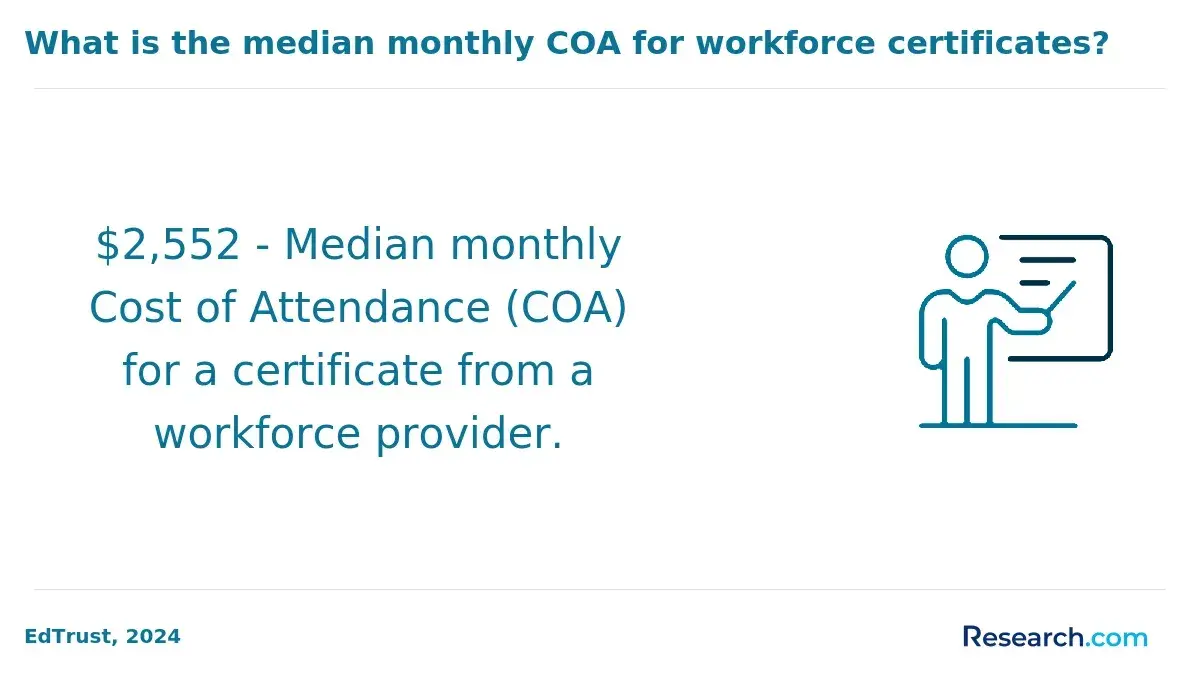
Transparent pricing in accredited online homeland security degree programs is indispensable for securing a strategic financial commitment, especially for military personnel and first responders balancing job demands with budgeting. Public state universities often set more predictable tuition, with active-duty military rates capped around $250 per credit hour, notably lower than standard fees exceeding $300. This upfront clarity enables students to assess value relative to job-specific financial assistance and employer tuition reimbursement options.
Programs that clearly itemize mandatory fees, instructional costs, and transfer credit policies reduce unexpected expenses and simplify financial planning. This straightforward approach contrasts sharply with private, for-profit providers that may layer variable or contingent fees, complicating cost forecasting and elevating debt risk.
From a workforce perspective, emergency management coordinators and homeland security professionals weigh tuition transparency against the immediate return on investment tied to federal or state employment qualifications. The practical advantage lies in knowing exact tuition structures to avoid surprises mid-program and to align education choices with long-term career trajectories.
In evaluating online options, prospective students may also consider related pathways such as online paralegal certificate programs that offer competitive, accelerated credentials in adjacent fields.
Affordable online homeland security programs with upfront cost details help reduce administrative burdens by applying military and first responder discounts before enrollment rather than requiring complex reimbursements. This consistency supports more informed decisions based on tangible educational and employment outcomes.
What types of online homeland security degrees are available and which level do you need?
Selection among online homeland security degree programs available requires balancing immediate job demands with longer-term career trajectories. An associate degree suits technicians focused on infrastructure protection but typically limits advancement, especially where employers increasingly expect bachelor's credentials. For federal analyst or intelligence roles, the best degree level for homeland security careers is usually a bachelor's degree, combining core homeland security topics with cybersecurity or public administration, totaling around 120 credits. This credential aligns with hiring standards in federal, state, and private sectors contending with complex threats and compliance issues.
Master's programs targeting mid-career professionals offer specialized training in areas such as risk assessment and policy advising; however, they require 30 to 40 graduate credits and relevant experience, making them a practical choice primarily for those pursuing leadership roles rather than entry-level positions. Prospective students must evaluate tuition structures critically: some programs, like those under the NC Promise Tuition Plan, offer rates as low as $41.67 per credit, contrasting with others charging $43,000-$55,000 in total tuition. Affordability must be weighed alongside accreditation, curricular focus, and articulation agreements to prevent wasted effort.
Employers often prioritize candidates with tailored homeland security education over generic criminal justice degrees, underlining the importance of specialized online homeland security degree programs available. A public safety official aiming to transition into an analyst role needs a bachelor's degree to meet prerequisites and enhance upward mobility. Considering these dynamics helps clarify practical tradeoffs and strategic pathways for students intent on entering or advancing within the homeland security workforce.
For further comparative analysis on graduate options in related fields, review this online forensic psychology masters resource.
What admission requirements and prerequisites do online homeland security programs typically have?
Admission to online homeland security master's programs typically hinges on a bachelor's degree from an accredited institution, with preference for related majors like criminal justice or emergency management. Many programs also require applicants to submit professional resumes and recommendation letters to validate relevant experience, especially since employers prioritize practical skills demonstrated through work history.
Standardized tests such as the GRE are becoming less mandatory but remain a factor for more selective institutions. Prospective students without a directly related background often face prerequisite coursework or bridge classes, designed to build foundational knowledge in research methods, statistics, or homeland security principles before accessing core graduate material.
Timing and format of participation can impact eligibility; some programs mandate synchronous participation due to accreditation or agency collaboration, posing challenges for working professionals managing irregular schedules. Document verification often adds weeks to enrollment, an important consideration for those in active public safety roles.
The workforce implication is clear: candidates with both academic preparation and demonstrable field experience align best with employer expectations, enabling smoother transitions or advancement in homeland security careers. For example, graduates from recognized programs report median earnings near $80,450, highlighting tangible return tied to meeting admission and professional criteria.
How long do online homeland security degrees take and what factors affect completion time?
Completion timelines for online homeland security degrees vary significantly based on enrollment intensity and program design. While associate degrees typically require about two years of full-time study, bachelor's programs often extend to four years. However, part-time study, common among working adults, frequently elongates completion to five years or more. Accelerated formats and credit transfers-particularly military experience or prior coursework-can reduce this duration but usually demand higher pacing or supplemental effort.
Critical factors shaping timeline include:
- Credit load per term-heavier loads shorten time but increase academic demands.
- Program scheduling-year-round or accelerated terms can expedite progress.
- Transfer credits-which can eliminate redundant coursework but require thorough evaluation.
- Field experience mandates-internships or practicums might slow academic pace while improving job readiness.
- Time management and outside responsibilities-balancing work, family, and study often dictates realistic pacing.
For instance, a professional transitioning into emergency management might take three to four years part-time to maintain steady income while gaining credentials valued in the field. Conversely, a recent high school graduate may opt for a full-time, traditional four-year bachelor's track to access supervisory roles sooner. Employers prioritize not just credentials but demonstrated operational competence, so students should weigh completion speed against practical experience to match career goals effectively.
What core courses and specializations are included in most online homeland security curricula?
Online homeland security programs center on operational knowledge crucial for varied sector roles, emphasizing threat analysis, risk assessment, and emergency management. Specializations in cybersecurity versus emergency management illustrate divergent workforce expectations: cybersecurity tracks prioritize network defense and incident response skills essential for government cyber units or private firms, while emergency management prepares students for crisis communication and resource coordination in frontline public safety settings.
Employers expect graduates who can navigate current legal and ethical frameworks alongside evolving regulatory protocols. Programs integrating situational exercises and up-to-date compliance content increase job readiness, especially for federal roles where standards shift frequently. However, students must weigh the tradeoff between technical specialization and broader operational understanding based on their target employment sector.
Tuition stability is a practical concern affecting long-term planning. For instance, Liberty University's decade-long freeze on online undergraduate tuition through 2025-2026 offers predictable costs, a rare advantage in a field with fluctuating credential demands and often unpredictable funding streams. This cost transparency can significantly impact working professionals' ability to budget education alongside career commitments.
- Key coursework covers terrorism studies, intelligence analysis, and infrastructure protection aligned with sector-specific skills
- Practical training includes compliance, ethics, and data methods to meet employer standards
- Long-term tuition stability helps manage financial risks amid variable credentialing requirements
What careers can you pursue with an online homeland security degree and in which sectors?
Graduates holding an online homeland security degree face distinct workforce realities depending on sector alignment and specialized expertise. For example, a cybersecurity analyst will must navigate technical certifications and evolve with rapidly changing threats, whereas an emergency management director focuses on coordinating multi-agency disaster preparedness and response, often requiring extensive operational experience and intergovernmental collaboration.
Decisions about program selection should consider tuition variability-ranging roughly from $500 to $1,000 per credit-and weigh these against the credential's resonance with targeted employers. A 30-credit master's program costing $15,000 more at one institution can significantly affect return on investment, especially when federal roles demand additional certifications and clearances beyond academic qualifications. The federal government remains the largest employer, particularly agencies such as the Department of Homeland Security, FBI, TSA, and FEMA, where roles emphasize threat analysis, policy implementation, and crisis coordination.
In contrast, private sector opportunities concentrate in corporate risk management and supply chain security, often with different hiring criteria and less emphasis on security clearance. State and local emergency management positions revolve around disaster preparedness planning, necessitating practical program tracks aligned with operational leadership or cybersecurity specialization to reduce redundant training and credentialing.
The selection of an online homeland security master's degree should be guided by concrete employment pathways, required certifications, and realistic timelines for entering competitive fields rather than general program reputation alone.
- Federal roles prioritize certifications and practical experience alongside education
- Tuition costs vary broadly, impacting ROI and necessitating strategic cost-benefit analysis
- Private and local government sectors have distinct hiring demands from federal agencies
What are typical salaries and job outlook for homeland security graduates in the United States?
Salary outcomes for homeland security graduates in the U.S. are tightly linked to sector choice and geographic context, with median earnings spanning roughly $50,000 to $85,000 annually. Entry-level roles in municipal agencies tend to cluster near $50,000 to $55,000, while positions such as emergency management directors command closer to $79,000. Security analysts and intelligence officers fall in between, typically earning $60,000 to $75,000. These figures reflect a tangible split where federal jobs, though higher paying, often require navigating challenging onboarding processes, including background checks and security clearances.
The projected 6% growth rate in security-related occupations through 2032 highlights sustained demand, particularly for candidates with specialized competencies in cybersecurity, counterterrorism, and risk assessment. However, practical factors significantly influence long-term retention and advancement: irregular schedules, operational security requirements, and sector-specific vetting can limit flexibility and elevate job friction.
Considering education costs, annual expenses for full-time online homeland security programs-including textbooks-average around $8,400. This investment supports acquisition of foundational knowledge and certifications valued by both government agencies and private employers. Prospective students should weigh this cost against expected salary ranges and the often demanding work conditions associated with federal and private roles.
- Federal positions offer higher pay but necessitate extensive background screening and longer onboarding.
- Local and private sector jobs provide quicker placement but with generally lower salaries.
- Specialized skills in cybersecurity and counterterrorism improve marketability and wage potential.
Transparent budgeting aligned with realistic employment conditions optimizes decision-making for serious candidates aiming to pivot or advance within homeland security fields.
How do accreditation, background checks, and certifications impact homeland security career options?
Employers in homeland security place strict emphasis on accreditation and background checks because these factors directly influence workforce eligibility and clearance. Degrees lacking accreditation from recognized bodies-such as the Department of Homeland Security's Center of Excellence-likely disqualify candidates from federal roles, making accreditation a non-negotiable foundation. Background checks are often decisive; even candidates with strong education or experience can be removed from contention due to issues revealed through these screenings, especially for intelligence or law enforcement positions.
Certifications like Certified Protection Professional (CPP) or Certified Homeland Protection Professional (CHPP) frequently complement or in some cases outweigh academic credentials, particularly in specialized sectors such as cybersecurity. Candidates without these certifications may face delayed clearance or missed promotion opportunities.
Cost considerations affect pathways into these roles. Online homeland security bachelor's programs priced between $480 and $600 per credit can be more cost-efficient than traditional on-campus options when factoring eliminated housing and commuting expenses, a distinction that often makes accredited and certification-aligned programs more accessible.
Candidates must approach education with strategic intent, balancing accreditation, certification, and cost to optimize employability and clearance timelines. Neglecting any one element narrows opportunities, prolongs hiring cycles, and reduces advancement potential within homeland security.
Other Things You Should Know About Homeland Security
Many online homeland security programs are designed to accommodate working professionals with flexible schedules. However, balancing full-time employment and coursework can be challenging due to the intensive research, writing, and project-based assignments typical in these programs. Students should prioritize programs that offer asynchronous courses and manageable credit loads per term to avoid burnout and ensure steady progress.
In 2027, the best cost transparency for online homeland security degrees is achieved through clear tuition breakdowns, disclosure of any additional fees, and straightforward financial aid options. Schools that openly communicate these details enable prospective students to make informed financial decisions about their education.
Federal agencies generally accept online homeland security degrees if they originate from accredited institutions, but the reputation of the granting school and program rigor matters. Programs that include comprehensive security clearances or emphasize intelligence and emergency management components tend to be valued more. Candidates should verify if the program meets federal hiring standards and consider supplementing with certifications favored by agencies.
Workload in online homeland security degrees often includes extensive reading, policy analysis, and scenario-based exercises requiring substantial time investment. Programs differ in pacing, with some requiring multiple simultaneous courses and others allowing part-time study. Prioritize programs with transparent workload expectations and try to align course schedules with your personal and professional commitments to reduce risk of falling behind.
References
- Homeland Security Requirements (Degrees, Jobs & Salary) https://www.allcriminaljusticeschools.com/federal-law-enforcement/homeland-security/
- Top Online Master’s Degree Programs in Homeland Security for 2025 https://www.onlinemastersdegrees.org/best-programs/homeland-security/
- Is a degree in homeland security worth it? | edX https://www.edx.org/resources/is-a-degree-in-homeland-security-worth-it
- Homeland Security Career And Salary Information https://www.criminaljusticedegreeschools.com/careers/homeland-security/
- Your Guide to Homeland Security Certification - ARES Security https://aressecuritycorp.com/2025/01/30/homeland-security-certification/
- Differences Between a Criminal Justice and Homeland Security Degree https://www.nec.edu/news/criminal-justice-vs-homeland-security-degree
- Online MPA Programs with a Specialization in Homeland Security https://www.onlinempaprograms.com/specializations/homeland-security
- Online Homeland Security Degrees: Explore Top Programs https://www.degreesforgood.org/online-degrees/homeland-security-programs/
- 2025 Most Affordable Homeland Security Degrees Online https://www.onlineu.com/most-affordable-colleges/homeland-security-degrees
- Homeland Security Degree | Programs & Career Options https://www.learnhowtobecome.org/best-online-bachelors-in-homeland-security-degree-programs/