2027 Online Homeland Security Degrees With the Best Salary-to-Cost Potential

Co-Founder and Chief Data Scientist
Facing an urgent need to upskill while managing full-time responsibilities, many professionals in homeland security confront a thorny challenge: selecting an online degree that balances affordability with meaningful salary outcomes. With workforce demand growing and federal reports indicating a 25% surge in cybersecurity and emergency management job openings over the past two years, timing and accessibility are paramount.
Yet, not all programs deliver the same return on investment, especially when tuition costs and completion timelines vary widely. This article analyzes contemporary online homeland security degrees, emphasizing salary-to-cost potential to guide informed choices that optimize career mobility and financial viability.
Key Things You Should Know
- Graduates of homeland security degrees with strong cybersecurity specialization report 15% higher starting salaries, but programs emphasizing broad policy over technical skills yield lower salary-to-cost ratios, per 2024 DHS workforce data.
- Federal agencies prioritize candidates with active security clearances and internships, making degree reciprocity and hands-on operational experience critical; academic pedigree alone weakens candidacy despite degree affordability.
- Accelerated bachelor's tracks reduce tuition outlay by up to 25% and entry lag by a year, yet compressed curricula may limit exposure to complex threat analysis, affecting readiness for leadership roles in evolving security threats.
What is an online homeland security degree and how does it differ from campus programs?
Choosing between an online homeland security degree benefits compared to campus programs hinges on how students balance the tradeoffs between flexibility and experiential depth. Online degrees deliver identical core curricula but replace in-person labs and crisis exercises with virtual simulations and asynchronous learning, which may restrict hands-on skill development crucial for some security roles. For example, a working professional in emergency management can benefit from the convenience of remote classes while maintaining their job, but a newcomer without field experience might find the lack of on-site mentorship and direct networking a significant obstacle.
Employers acknowledge both online and on-campus degrees, yet they often favor candidates who combine academic credentials with verifiable practical experience. This reality shapes how students should approach their educational path, aligning it with their current career stage and learning preferences. The differences between online and on-campus homeland security education become most apparent in access to specialized facilities, direct faculty interaction, and immersive training opportunities-elements that can influence job readiness in critical security functions.
Practical factors influence this decision:
- On-campus programs offer direct access to industry professionals and simulations not easily replicated online
- Online formats provide essential flexibility for those balancing work and family
- Success with online study often depends on a student's self-discipline and prior field exposure
- Keen consideration of future employer expectations about hands-on skills versus academic credentials is required
Beyond educational format, labor market data shows emergency management directors earn a median salary of $84,280, rising above $144,250 in the top tier. Prospective students should review resources such as the online associate degree in criminal justice pathways to evaluate how program choice can impact workforce entry and progression.
Which online homeland security degrees offer the strongest salary-to-cost value?
Cost differences between public and private online master's degrees in homeland security heavily shape salary-to-cost value, with public programs averaging near $11,000 annually versus $25,000 at private institutions. Given median emergency management director salaries around $84,280, these tuition disparities create significant ROI gaps. For professionals focused on the best salary-to-cost value homeland security degrees online, prioritizing accredited public institutions backed by employer recognition is crucial. Such programs typically offer rigorous curricula in risk assessment, disaster preparedness, and counterterrorism without the financial burden of private tuition, often allowing tuition to be recouped within 18 months post-graduation.
Private university programs may provide networking advantages and specialized tracks, but these seldom lead to proportionately higher starting salaries, making their cost premiums harder to justify for many mid-career pivots. Graduates targeting federal agencies or critical infrastructure roles benefit most from applied skills training, practical certifications, and experiential learning integrated into public program offerings. This alignment optimizes long-term career sustainability, especially for those weighing online homeland security degrees with highest salary potential.
For learners balancing cost with outcomes, exploring options like an accelerated cyber security degree online can provide complementary technical skills, enhancing employability in evolving security environments.
What careers can you pursue with an online homeland security degree?
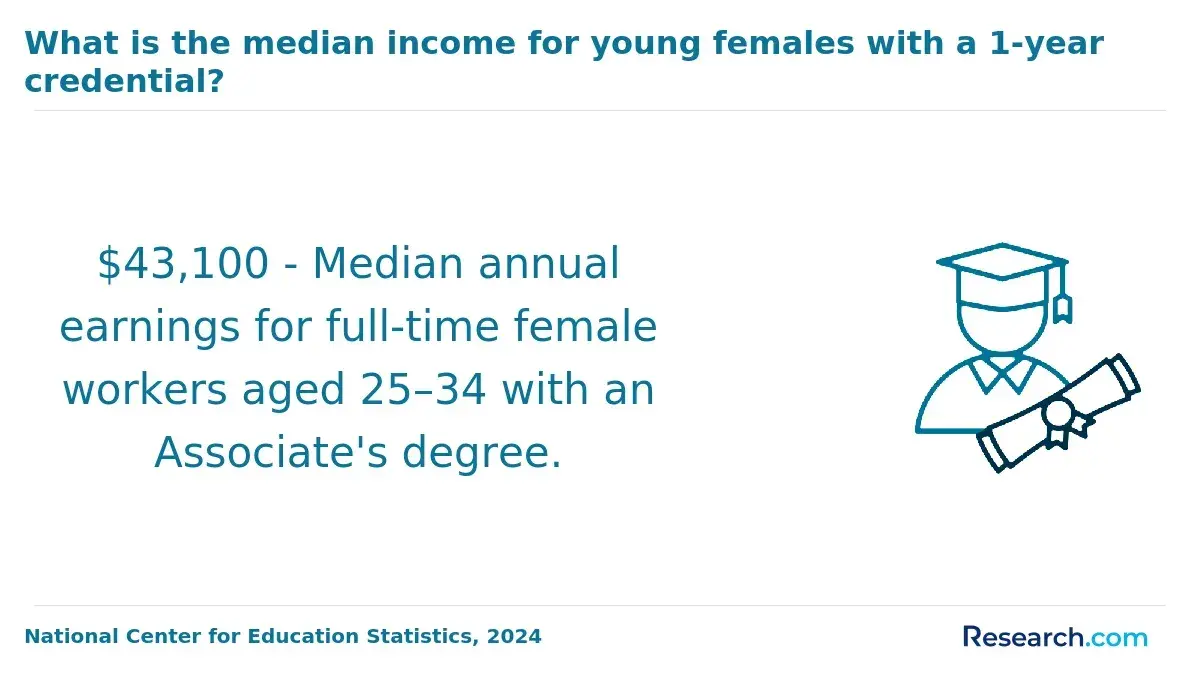
Choosing an online homeland security degree requires careful assessment of both job market realities and program costs. Median salaries, such as $61,600 for police officers, often surpass total tuition expenses ranging from $43,000 to $55,000 for a bachelor's-level degree, revealing a reasonable financial tradeoff. However, employment pathways in federal and state law enforcement typically demand rigorous background checks and security clearances, which can delay entry despite academic qualifications.
Fields like emergency management favor candidates with hands-on experience; internships or volunteering with local agencies often prove essential to develop situational judgment skills. Cybersecurity analyst roles increasingly emphasize technical certifications that complement the online homeland security degree, enhancing immediate job readiness and marketability.
Mid-career professionals shifting into homeland security face the challenge of pairing academic credentials with specialized field training-areas such as counterterrorism, risk assessment, or intelligence gathering offer critical added value when agencies prioritize practical expertise. Job security and salary potential depend heavily on clearance level and targeted specialization within this diversified sector.
Students must weigh program expenses against demand in their regional labor markets, as urban centers typically present more opportunities. Strategic development of skills such as language proficiency or data analytics alongside the degree fosters long-term growth in online homeland security degree careers in the United States.
For individuals with barriers to traditional education, exploring degrees felons can get may also broaden viable options within this sphere.
How much do homeland security professionals typically earn by role and education level?
Salary variation in homeland security professional salaries by role notably hinges on education level and operational focus. Master's-level practitioners typically earn around $11,000 more annually than bachelor's degree holders, with entry-level analysts or emergency management specialists at the bachelor's level earning median salaries between $55,000 and $65,000. Those advancing to supervisory or policy positions often require a master's degree and command salaries ranging from $70,000 to $85,000, especially within federal jurisdictions where specialized roles such as cybersecurity or intelligence officers can exceed $90,000.
Employers emphasize graduate education for candidates aiming at mid- and upper-tier roles involving analytical rigor, leadership, and interagency coordination. For example, advancing from an entry-level analyst to a federal program manager supervising interdepartmental security initiatives generally demands a master's degree paired with 5-7 years' experience, qualifying for salaries above $80,000. This progression highlights practical workforce implications tied to enhanced policy expertise and operational oversight.
When evaluating average earnings for homeland security degrees by education level, prospective students must consider tradeoffs between degree cost, duration, and salary premiums. Those targeting niche fields like critical infrastructure protection or intelligence analysis may see greater returns. State and local roles tend to offer 15-20% lower salaries but provide career advancement paths where higher education still positively influences income. Exploring accredited online environmental health and safety programs can be a strategic option for flexible upskilling while balancing real-world constraints.
What are the admission requirements for online homeland security associate, bachelor's, and master's programs?
Admission standards for online homeland security programs distinctly reflect the practical realities of each credential level, with a strong bias toward applicants demonstrating relevant experience and academic readiness. Associate programs often admit candidates with a high school diploma or GED, sometimes requiring standardized tests like the ACT or SAT, though exemptions are common for prior work or military service. This flexibility acknowledges that practical experience can substitute for formal testing.
Bachelor's degree applicants face more stringent criteria, including GPA minimums, prerequisite coursework in disciplines such as criminal justice or technology, and occasionally letters of recommendation or personal statements. In practice, candidates with documented experience in law enforcement or emergency response improve their admission prospects, especially if academic records are borderline.
Master's level admission demands a completed bachelor's degree with an academic focus aligned to public administration, STEM, or related fields. Institutions generally require a minimum 3.0 GPA and prioritize professional experience in homeland security, intelligence, or emergency management. GRE submission is often optional, with some programs preferring demonstrated field expertise. English proficiency tests remain a factor for international candidates.
The typical tuition cost ranges from $400 to $900 per credit, making a full 30-credit degree an investment of roughly $12,000 to $27,000. Candidates considering federal employment must verify whether the program supports security clearance eligibility or embeds relevant clearance standards, as these factors significantly affect employability in government roles.
- Associate programs prioritize practical experience or military service to offset minimal academic prerequisites.
- Bachelor's applicants benefit from blend of academic qualifications and frontline experience, influencing admission decisions.
- Master's admissions focus on an academic foundation coupled with professional background; GRE tests may be waived in favor of work history.
- Financial commitment at the master's level is substantial, often necessitating employer or veteran tuition support.
- Security clearance compatibility remains a critical determinant for federal career pathways post-graduation.
How long do online homeland security degrees take and what do they cost to complete?
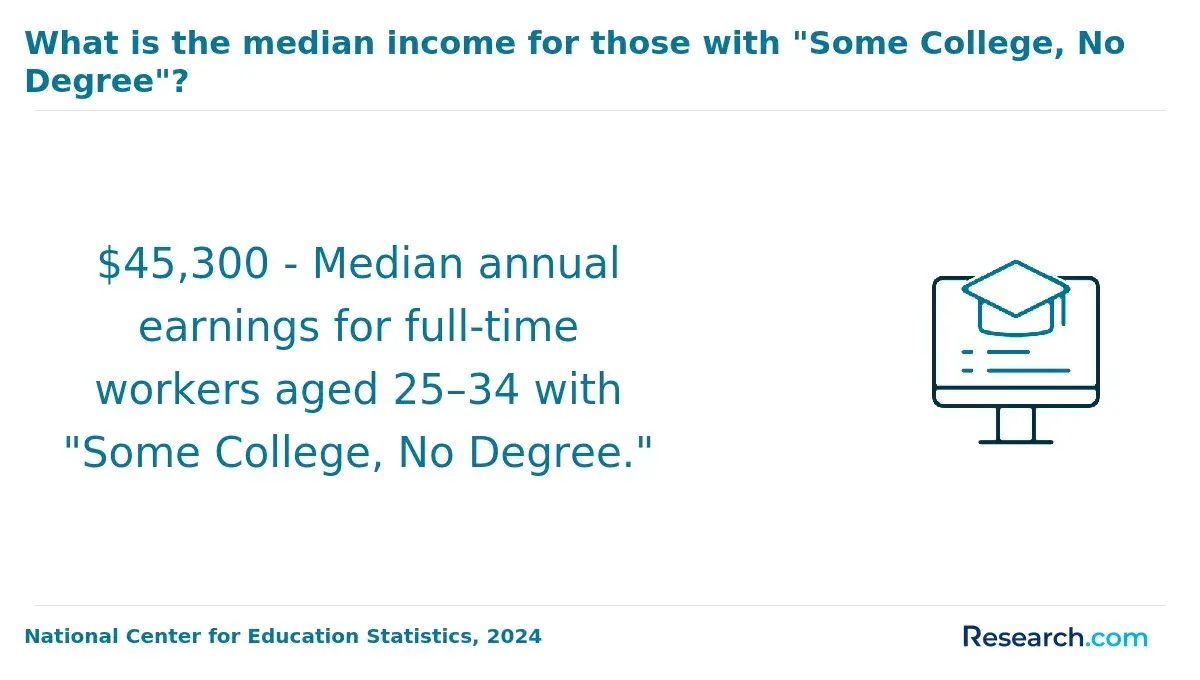
Choosing an online homeland security bachelor's degree involves balancing cost, duration, and real-world applicability against professional aims. While standard programs span four years full-time, many working professionals must extend this timeline to five or six years, given shift work or other commitments. Tuition rates vary broadly, with public in-state students averaging $9,139 annually and private institutions charging over $31,000, driving total degree costs from about $36,500 to more than $124,900.
Employers in federal security roles often value practical certifications and government training over expensive private degrees that may lack specialized credentials. Out-of-state public tuition frequently undermines return on investment unless offset by scholarships or employer reimbursement.
Asynchronous coursework accommodates non-traditional schedules typical in emergency management or intelligence, but this flexibility may extend degree completion times and affect content depth. Prospective students should critically evaluate whether accelerated programs maintain sufficient academic rigor to meet employer expectations in specialized homeland security fields.
Key considerations include:
- Institution type and residency status substantially influence total education cost and time to completion
- Certification offerings and alignment with federal workforce requirements affect employability more than brand-name tuition premiums
- Asynchronous options offer scheduling flexibility but may prolong study duration and impact program rigor
What core courses and specializations are included in online homeland security programs?
Choosing a specialization within online homeland security programs involves balancing technical skill demands against salary potential and job function realities. For instance, cybersecurity tracks-which cover network defense, cryptography, and incident response-prepare students for roles with median pay near $98,350, reflecting higher complexity and technical expertise. In contrast, foundational positions such as security guards offer median wages around $38,640 but require less technical training.
Core curricula typically include threat assessment, emergency management, disaster response, and policy analysis, with additional emphasis on legal frameworks, ethics, and communication. These elements matter for roles like emergency management directors, who earn a median of $74,420 and rely on understanding federal and state regulatory environments alongside logistics for efficient crisis coordination.
Online formats face practical obstacles; securing realistic simulations or fieldwork poses challenges that programs often address by integrating case studies of recent incidents. This method enhances analytical skills around real-world responses and failures.
Prospective students must weigh specialization tradeoffs realistically: cybersecurity demands advanced technical aptitude but offers stronger financial returns, while crisis management emphasizes human factors and policy knowledge within tighter budget settings. Aligning course selection with employer expectations and recognized certifications is essential, given the Department of Labor's wide salary range across homeland security roles.
- Core competencies: threat assessment, emergency management, cybersecurity fundamentals, disaster response, policy analysis
- Key specializations: cybersecurity, critical infrastructure protection, intelligence analysis, counterterrorism
- Workforce implications: distinct salary tiers based on technical versus foundational roles
- Curriculum: includes legal frameworks, ethics, communication, risk management, homeland security law
- Practical program challenges: limited access to simulations mitigated by case study analysis
- Decision impact: career trade-offs between technical skill demands and salary potential
How do you verify accreditation and program quality for online homeland security degrees?
A critical factor in evaluating homeland security programs is institutional accreditation, which ensures both educational quality and access to federal financial aid. Confirm regional or national accreditation through the U.S. Department of Education's Database of Accredited Postsecondary Institutions and Programs (DAPIP) or the Council for Higher Education Accreditation (CHEA). Specialized accreditation or endorsement by agencies like the Department of Homeland Security signals a program's alignment with sector-specific standards and can impact employer recognition.
Program rigor is best judged by curriculum content and experiential opportunities. Programs featuring case studies tied to current threats, simulations in emergency management, or direct internships with agencies such as state emergency offices tend to offer a practical edge. This hands-on training is increasingly indispensable as security roles demand operational readiness beyond theoretical knowledge.
Faculty credentials also affect program relevance. Instructors engaged in ongoing homeland security research or consulting provide insights that reflect evolving policy and threat landscapes. Active faculty publication records correlated with federal agency reports indicate curriculum currency, which feeds into graduate preparedness.
Graduate employment outcomes provide measurable workforce impact. Programs connected to federal, state, or local security hiring pipelines offer tangible pathways to employment. With emergency management director roles projected to grow only 3% through 2032 according to the U.S. Bureau of Labor Statistics, lack of clear placement data or stagnant curriculum content can extend job searches and limit career agility.
Are licenses, certifications, or security clearances needed for homeland security careers?
Security clearances remain a non-negotiable barrier for most federal homeland security jobs, such as those at Customs and Border Protection or TSA. Without government-issued clearances-which involve stringent background checks and ongoing monitoring-prospects cannot access sensitive information or secured facilities, effectively disqualifying them from key operational roles.
Beyond clearances, certifications like Certified Protection Professional (CPP) or Certified Homeland Security Professional (CHSP) serve as practical demonstrations of expertise valued by employers, especially in cybersecurity and emergency management domains. These credentials frequently enhance salary potential and mobility, notably in private sector and local government roles that may not require clearances but emphasize verified skills.
Licensing requisites depend heavily on state regulations and job functions. For instance, armed security officers must secure state-specific firearms permits, while non-armed roles often rely on certifications or training credentials as portable proof of capability.
Financially, a traditional homeland security bachelor's degree averages about $90,000 in tuition nationwide. For many, pairing online degree options with targeted certifications offers a faster, cost-effective route into the workforce, particularly since employer recognition of certifications can vary widely.
Key hiring tradeoffs persist: candidates lacking clearances or appropriate certifications face longer onboarding and restricted career progression. Employers consistently seek a combination of formal education, relevant credentials, and active clearances where applicable to align with operational demands and security protocols.
How can you compare and choose the best online homeland security program for your goals?
Aligning online homeland security programs with defined career outcomes requires prioritizing federal standards and applied competencies like cybersecurity, emergency management, and intelligence analysis. For instance, candidates aiming for analytical roles should seek curricula emphasizing data interpretation and risk management, while those targeting supervisory or policy functions need content grounded in leadership and legal frameworks.
Evaluating graduate employment rates in government agencies and relevant certifications offers a clearer picture of program value than tuition alone. Tuition must be weighed against median federal salaries-$76,290 for typical law enforcement roles and $97,190 near the 75th percentile-serving as a practical baseline for return on investment. Programs lacking alignment with key competencies or certifications risk diminishing salary-to-cost effectiveness.
Institutional accreditation and adherence to Department of Homeland Security standards are critical, as is access to internships or practicums within federal or state law enforcement. Without these applied experiences, even completed degrees often fail to translate into top-tier roles earning up to $115,280, limiting upward mobility and salary growth.
Prospective students balancing current employment benefit from part-time or asynchronous formats that maintain workflow continuity while advancing credentials. Ultimately, programs delivering proven salary improvement, federal agency alignment, and flexible delivery structure optimize educational investment against federal workforce realities.
Other Things You Should Know About Homeland Security
Employers in homeland security evaluate online degrees mainly on accreditation and program reputation, not just delivery mode. Degrees from regionally accredited institutions offering robust curriculum and practical application carry similar weight. Programs lacking hands-on training or industry connections may limit job prospects despite being online, so prioritize programs with internships or partnerships with agencies.
In 2027, the best online homeland security degrees for salary-to-cost potential include programs from Penn State World Campus, American Public University, and Southern New Hampshire University. These institutions offer affordable tuition rates paired with high potential salaries, balancing cost and earning prospects effectively.
Specializations like cybersecurity or emergency management enhance immediate employability in targeted roles but can narrow career flexibility if chosen too early. For students uncertain about their exact career path, a broader generalist curriculum offers better adaptability across federal, state, and private sectors. Prioritize specialization only if it matches a clear, defined career goal aligned with market demand.
Online degrees provide comprehensive knowledge and open leadership pathways that certifications alone often cannot. However, certifications are faster, less costly, and more focused, suitable for skill upgrades or specific job requirements. For substantial career pivots or advancement to management, an accredited degree delivers better ROI; for incremental skills boosts, targeted certifications suffice.
References
- Homeland Security Requirements (Degrees, Jobs & Salary) https://www.allcriminaljusticeschools.com/federal-law-enforcement/homeland-security/
- Top Online Master’s Degree Programs in Homeland Security for 2025 https://www.onlinemastersdegrees.org/best-programs/homeland-security/
- Online Bachelor's Degree: Homeland Security https://www.umgc.edu/online-degrees/bachelors/homeland-security
- High-demand jobs for people with security clearances https://jobs.boeing.com/top-industries-hiring-security-cleared-professionals
- Homeland Security Career And Salary Information https://www.criminaljusticedegreeschools.com/careers/homeland-security/
- Differences Between a Criminal Justice and Homeland Security Degree https://www.nec.edu/news/criminal-justice-vs-homeland-security-degree
- Online Homeland Security Degrees: Explore Top Programs https://www.degreesforgood.org/online-degrees/homeland-security-programs/
- Homeland Security Salary https://www.homelandsecurityedu.org/salaries/
- Intelligence Community security clearance process https://www.intelligencecareers.gov/security-clearance-process