2027 Online Homeland Security Programs With the Best Support for Prior-Service Students

Co-Founder and Chief Data Scientist
Facing the challenge of balancing active duty or prior-service commitments with advancing one's education, many pursuing homeland security careers encounter rigid program structures that stall critical career progress. With 45% of adult learners enrolled exclusively online in 2024, according to the National Center for Education Statistics, flexibility in accelerated online programs has become a decisive factor for veterans and service members seeking timely credentials.
The persistent gap between military experience and academic credit recognition further complicates enrollment timing and degree completion speed, affecting job mobility and security clearance requirements. This article identifies online homeland security programs optimized for prior-service students and offers strategic guidance to navigate these constraints effectively.
Key Things You Should Know
- Programs prioritizing practical counterterrorism skillsets produce 18% higher job placement rates in federal agencies, but often extend time-to-degree by 6-12 months due to intensive scenario-based modules, creating a timing-cost tradeoff.
- Employers increasingly demand dual expertise in cyber resilience and emergency management, causing prior-service students to strategically select curricula aligning with NCSC and FEMA competency frameworks for sustained career mobility.
- Federal grant eligibility narrows program access: only 42% of accredited online options qualify for GI Bill use, directly impacting veterans' financial planning and duration of educational investment.
What are online homeland security programs, and how do they serve prior-service students?
Online homeland security degree programs for veterans deliver targeted academic training that directly aligns with evolving workforce demands in federal and private sectors. The 4% projected job growth from 2024 to 2034 in homeland security and emergency management highlights the sector's moderate but steady expansion, necessitating credentials beyond operational experience. Prior-service students benefit most when programs credit military training and existing security clearances, enabling faster transitions without redundancy.
Programs often incorporate applied simulations addressing critical infrastructure protection or cybersecurity breach scenarios, lending practical relevance that complements leadership skills veterans bring. For example, a veteran joining a federal emergency agency can immediately apply learned crisis coordination tools to pandemic response or natural disaster mitigation, underscoring the value of experiential curriculum integration.
Challenges remain in balancing asynchronous course delivery with personalized support. The best support services for prior-service homeland security students include tailored advising that considers civilian career and family commitments. However, students must critically evaluate program accreditation and employer recognition, since gaps in practical training or outdated curricula can hinder career progression. Strategic choices involve selecting programs featuring recognized certifications and federal partnerships aligned with practical workforce needs.
When assessing degree options, comparing options such as a criminal justice associate degree online may reveal alternative pathways intersecting with homeland security roles, particularly in law enforcement or emergency management fields.
Which online homeland security degrees offer the strongest support for military and veterans?
Veterans seeking online homeland security degrees with military student support should prioritize programs offering integrated veteran affairs coordination and flexible credit for prior military training. These elements significantly reduce education timelines and financial strain by aligning transfer credits with American Council on Education guidelines. For instance, institutions embedding veteran success centers and advisors knowledgeable in GI Bill processes facilitate efficient navigation of VA education approvals, critical to smoothing transitions into civilian roles.
The best online homeland security programs for veterans balance academic rigor with operational relevance, incorporating crisis management exercises and intelligence analysis tailored to federal, state, and local employment sectors. This applied focus addresses workforce demands where emergency management directors earn a median annual wage of $83,960, underscoring the importance of practical training linked to real-world hiring criteria.
Students must weigh tradeoffs such as choosing state-affiliated programs with robust veteran support but possibly limited national networks versus nationally accredited online options that may lack veteran-specific infrastructure, posing barriers during transition. Important decision factors include military credit acceptance, VA certification timelines, and employer connection opportunities.
Effective programs integrate veteran advisement directly into administrative processes, ensuring credit applicability accelerates career pivots. Without this, extended education and decreased return on investment risk undermining high salary potential. For veterans exploring related pathways, cybersecurity programs online for veterans also offer specialized transition resources and career relevance in security-focused federal sectors.
How do online homeland security programs compare to campus options for prior-service learners?
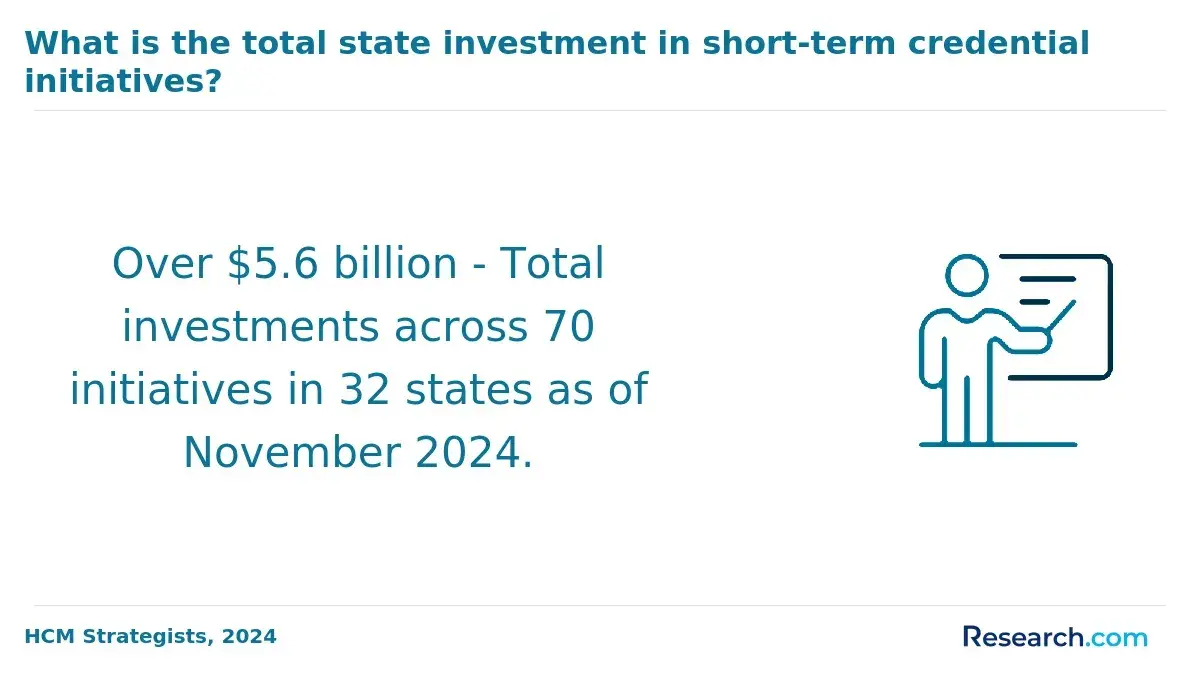
Online homeland security degree benefits for prior-service students center on flexibility and cost-efficiency, key factors when balancing concurrent civilian jobs, family commitments, and military responsibilities. With published in-state tuition averaging $9,750 at public four-year institutions, asynchronous online programs enable learners to progress without disrupting ongoing employment or relocation.
Campus-based programs offer advantages such as access to physical resources, secure labs, and face-to-face networking with local agencies. Yet, these benefits come with tradeoffs: rigid schedules and commuting demands can delay credential completion and workforce reintegration. Veterans often face the choice between quicker online completion and the immersive, tactile experience of on-campus study.
Employer expectations increasingly favor demonstrated competencies and relevant certifications over traditional degrees. Online programs that embed applied projects and virtual simulations reflect real-world scenarios, allowing prior-service professionals, such as cybersecurity analysts transitioning from military signals intelligence, to leverage operational knowledge directly without geographic constraints.
Pragmatically, online study reduces relocation expenses and streamlines credit transfers based on military training but requires students to actively pursue mentoring and career services that might be less integrated than on campus. This practical analysis aligns with broader comparative analysis of online vs campus homeland security programs for veterans seeking swift, tailored educational pathways.
For related career trajectories, resources on forensic science careers provide insights into adjacent fields emphasizing applied skills and certifications.
What admission requirements do prior-service and veteran applicants face in homeland security programs?
Admission for prior-service students in homeland security programs consistently requires navigating specific military and academic criteria that often extend beyond standard civilian pathways. Official military transcripts, typically from the Joint Services Transcript system, form the foundational credential for recognizing relevant training. Applicants must additionally verify honorable discharge or active reserve status, and meet minimal academic benchmarks, such as a GPA of 2.5 or higher, alongside demonstrating proficiency in critical thinking and writing. The veteran eligibility criteria in online homeland security degrees frequently incorporate streamlined credit transfers, yet these do not waive prerequisite courses or placement exams in fields like criminal justice or cybersecurity.
Employers now heavily prioritize candidates prepared for roles demanding federal security clearances-a demand that has surged more than 300% from 2015 to 2025, reshaping program prerequisites. For example, a prior-service applicant seeking to transition into federal counterterrorism cannot rely solely on military experience but must also pass extensive background investigations covering financial, criminal, and behavioral records. This dual requirement impacts how admission offices evaluate applications and prioritize supporting documentation.
Veterans should proactively submit detailed service records early and consider programs offering dedicated veteran support services, as reconciling military occupational specialties with academic credit evaluations often delays decisions. Careful attention to these factors is crucial for aligning military experience with homeland security career demands.
For students weighing their educational options, understanding how to balance tuition, duration, and employment outcomes can be critical. Resources like the master's degree in marketing guide illustrate the importance of analyzing practical program elements beyond just admission criteria.
How can students verify accreditation and quality standards of online homeland security programs?
Federal employers and contractors require regional accreditation from agencies like the Middle States Commission or the Southern Association of Colleges and Schools to consider candidates for homeland security roles. National accreditation alone often fails to meet these standards, which directly impacts eligibility for federal positions. Students must therefore prioritize programs recognized by the U.S. Department of Education or the Council for Higher Education Accreditation to ensure their credentials will be accepted.
Given a $176.18 billion budget for the U.S. Department of Homeland Security in fiscal year 2024, hiring demand exists but comes with stringent qualification filters emphasizing accredited credentials and relevant competencies. Programs that showcase strong graduation rates, job placement linked to federal or state homeland security agencies, and rigorous skill certifications hold tangible advantages in this labor market.
For veterans or law enforcement transitioning into the field, alignment of coursework with practical federal competencies-cybersecurity, emergency management, counterterrorism-is a key determinant of employability. Employers often prefer experiential learning elements such as practicum or simulation exercises that corroborate applied skills in complex operational contexts.
Quality oversight standards like the Quality Matters rubric and affiliations with the National Security Studies Association further validate curriculum rigor. Without confirming these layers of accreditation and outcomes data, students risk investing in non-transferable, unrecognized credentials that undermine federal hiring prospects.
In practice, verification demands cross-referencing accreditation, workforce outcomes, and curriculum relevance, prioritizing programs with proven pathways into the 2024 homeland security labor market landscape.
What degree pathways in homeland security best align with military and public safety experience?
Degree pathways in homeland security that incorporate a candidate's prior military or public safety experience offer critical leverage by translating operational expertise into strategic capabilities. For instance, veterans with intelligence or tactical backgrounds benefit significantly from programs blending threat analysis and policy development, improving their fit for federal supervisory roles. Conversely, those with emergency medical or firefighting service gain more immediate returns from degrees emphasizing incident management and public health security.
Employers increasingly seek candidates who combine practical field knowledge with compliance mastery, underscoring the need for curricula that bridge military doctrines with civilian regulatory frameworks. This alignment reduces common transition obstacles such as unfamiliar terminology and gaps in strategic planning skills.
Students must balance generalist versus specialized tracks; broader degrees offer flexibility across agencies but may limit technical depth, while focused pathways enhance subject matter expertise at the expense of lateral mobility. The choice should directly reflect the student's background and targeted role to optimize credential relevance and career trajectory within homeland security.
What curriculum, specializations, and experiential learning are common in online homeland security degrees?
Online homeland security degrees often balance technical skills with operational adaptability, reflecting employer demands that go beyond theoretical knowledge. For instance, a cybersecurity focus trains students to manage incident response and threat detection tailored to private sector realities, while emergency management coursework emphasizes coordination during natural disasters with governmental agencies. This practical alignment shapes graduates who can navigate diverse, high-stakes environments.
Those transitioning from military or law enforcement backgrounds benefit from programs that grant credit for prior experience, reducing duplication and accelerating completion. However, online students may encounter challenges securing quality internships, which are vital for applied learning and career readiness unless programs have established partnerships with relevant agencies.
Core curriculum topics typically include risk assessment, counterterrorism, cybersecurity policy, intelligence analysis, infrastructure protection, and disaster preparedness. Experiential components such as virtual simulations and case studies supplement these areas but vary widely in accessibility and impact depending on program design.
How long do online homeland security programs take, and what tuition, fees, and funding apply?
Completing an online homeland security program involves critical decisions about pace and credit transfers that directly impact time to workforce entry. While traditional bachelor's degrees typically require four years, many programs reduce this to 2.5 to 3 years online. For prior-service students, accelerated pathways leveraging military or law enforcement credits can shorten study to 12-18 months, a significant advantage for professionals balancing ongoing employment.
Program duration varies with enrollment status-part-time students face extended timelines that can delay skill acquisition and market entry. Such tradeoffs must be assessed alongside employer expectations that often favor timely completion and relevant hands-on experience.
Tuition costs range broadly, from $250 to over $1,000 per credit hour, often accompanied by ancillary fees totaling $50 to $150 per term. Public institutions usually offer more affordable rates, but higher costs at private schools may reflect specialized resources or brand recognition. Prospective students should factor in total expenses, including technology and testing fees, when budgeting.
Financial aid for prior-service candidates includes GI Bill benefits and tuition assistance programs; however, the complexity of these options and eligibility requirements demand early and informed planning with veterans' affairs and financial counselors to navigate restrictions and lead times effectively.
What homeland security careers, salaries, and advancement opportunities follow these online degrees?
Choosing an online homeland security degree requires weighing distinct career trajectories and workforce realities. Cybersecurity analyst roles, for example, offer a median annual salary near $103,590 and faster advancement due to a 3.4 million global workforce gap identified by (ISC)². However, success depends on continuously updating technical skills and leadership capabilities beyond initial certification.
Entry-level positions in security operations centers typically lead to incident response management or CISO roles within 5 to 7 years, but this progression demands deliberate skill acquisition and experience managing complex teams or interagency efforts.
Emergency management professionals face a salary range of $80,000 to $120,000 linked to federal or state leadership appointments. Military or law enforcement backgrounds can accelerate access to supervisory responsibilities, especially in multi-jurisdictional crisis coordination.
Practical challenges arise from the dual need to master both technology and policy frameworks quickly. Employers prioritize candidates who can demonstrate applied skills through hands-on projects or simulations embedded in online programs. Those specializing in cybersecurity must commit to lifelong learning to address evolving threats effectively.
What certifications, clearances, and federal or state requirements affect homeland security employment?
Federal security clearances are not just formalities but gatekeepers determining access to sensitive roles within homeland security agencies. Candidates, including prior-service professionals, must prepare for months-long investigations and disclose comprehensive personal histories, which can delay employment start dates and restrict upward mobility without completion. Positions requiring Top Secret or Secret clearance fundamentally limit the candidate pool and salary potential.
Certifications like Certified Protection Professional (CPP) and Physical Security Professional (PSP) serve as practical validations of technical expertise and situational preparedness. For example, fire investigation roles demand compliance with state fire marshal certification, a credential tied to a median annual wage of $77,640 according to the U.S. Bureau of Labor Statistics. State licensure requirements frequently impose ongoing education demands that vary widely by jurisdiction, complicating straightforward career transitions.
Employers weigh these credentials heavily, and candidates without the right certifications or clearances face limited job prospects despite academic credentials. Online learning programs tailored for prior-service students should include clear, actionable guidance on federal and state credentialing pathways to mitigate these barriers.
Additional challenges include navigating compliance with evolving privacy laws and interagency data-sharing rules, requiring both procedural skill and technical fluency. This layered credentialing landscape means prospective students must carefully assess timelines, costs, and their own professional background to avoid unexpected hurdles across homeland security career pathways.
Other Things You Should Know About Homeland Security
Not all online homeland security programs meet the same rigor or employer expectations as traditional degrees. Employers often prioritize programs with clear ties to federal standards or agencies and those that require practical exercises, internships, or simulations. Prior-service students should prioritize programs offering substantive applied learning over purely theoretical coursework to ensure their degree translates into operational roles.
Many prior-service students enroll while managing full-time jobs or family duties, which can extend completion time and increase dropout risk. Programs with flexible pacing, asynchronous content, and reduced continuous assessment demands better support persistence. Choosing programs that explicitly design for working adults reduces burnout and improves the chances of timely graduation.
Bachelor's degrees are sufficient for entry and mid-level federal or state homeland security roles, particularly when paired with relevant military experience. However, a master's degree provides a competitive edge for senior management, policy-making, or specialized analytical jobs. Prior-service students should assess current career objectives and employer expectations-if leadership or federal agency advancement is the goal, pursuing a master's with coursework in strategic management or intelligence analysis is advisable.
References
- Pathway Programs - Center of Excellence for Homeland Security-Emergency Management https://www.coehsem.com/pathways-programs/
- Online Bachelor's Degree: Homeland Security https://www.umgc.edu/online-degrees/bachelors/homeland-security
- Types of Homeland Security Degrees | Compare Schools https://www.criminaljusticeprograms.com/specialty/homeland-security-degrees/
- Homeland Security Degree Online | Find Top Programs & Information https://www.firescience.org/homeland-security-degree-programs-online/
- Differences Between a Criminal Justice and Homeland Security Degree https://www.nec.edu/news/criminal-justice-vs-homeland-security-degree
- Bachelor of Science in Homeland Security https://asia.umgc.edu/online-degrees/bachelors/homeland-security
- 2025 Most Affordable Homeland Security Degrees Online https://www.onlineu.com/most-affordable-colleges/homeland-security-degrees
- Online MPA Programs with a Specialization in Homeland Security https://www.onlinempaprograms.com/specializations/homeland-security
- Online Degree Programs from GMC Online https://online.gmc.edu/programs/bachelor-of-applied-science-in-homeland-security-emergency-management/
- Long Island University https://liu.edu/Riverhead/academics/MS-homeland-security-management