2027 Homeland Security Roles That Often Lead to Leadership Positions

Co-Founder and Chief Data Scientist
Professionals entering homeland security often confront a competitive field where frontline operational roles carry high visibility yet limited promotion bandwidth. With nearly 70% of adult learners juggling work and study, according to the National Center for Education Statistics in 2024, the ability to strategically choose early career positions that serve as stepping-stones toward leadership becomes crucial.
Many must weigh hands-on experience against flexible program enrollment options, since progressing into roles like intelligence analyst or emergency management coordinator often demands specific skill sets alongside practical exposure. This article identifies key homeland security roles that reliably lead to leadership tracks and provides actionable guidance to optimize career trajectory and educational investment amidst evolving workforce demands.
Key Things You Should Know
- Roles requiring advanced analytic competencies show 12% faster promotion to leadership, yet the time and cost of specialized certifications constrain access for mid-career entrants, limiting upward mobility despite demand, per 2024 DHS workforce data.
- Employers prioritize candidates with cross-agency operational experience, reflected by 67% of federal leadership hires having multi-branch assignments, creating intense competition that favors diverse military or intelligence backgrounds over singular technical skills.
- The surge in cybersecurity threats forced a 20% increase in DHS leadership openings from 2023-2026, accelerating career progression but stressing sourcing pipelines, which may dilute leadership quality without strategic educational investments, according to recent GAO reports.
What homeland security roles lead to leadership positions?
Intelligence and analysis roles offer the clearest homeland security career paths to leadership positions, especially where threat assessment and cyber defense intersect. Information security analysts, with a projected job growth of 29% from 2024 to 2034, exemplify the demand pipeline that leads toward managing cybersecurity strategies and operational oversight. This growth creates tangible opportunities for those combining technical acumen with leadership capabilities.
Key roles in homeland security management advancement also include emergency management coordinators, border protection supervisors, and counterterrorism specialists. For instance, an emergency management coordinator demonstrating effective crisis management in multiple disaster responses may advance to regional leadership within federal or state structures, reflecting how operational command experience enhances promotional prospects.
The workforce dynamic demands a blend of technical expertise and soft skills such as interagency communication and strategic planning. Educational programs focusing solely on technical training risk limiting leadership readiness unless paired with management education or real-world leadership exposure. Candidates who pursue rotational assignments or joint task force roles gain cross-disciplinary visibility, an essential factor in overcoming career stagnation.
Employers prioritize leaders capable of integrating multi-source intelligence with efficient resource allocation in dynamic threat environments. Critical skills elevating leadership candidacy include advanced threat intelligence synthesis, incident command certifications, and familiarity with federal regulations. Prospective students evaluating a criminal justice online degree should weigh the balance between technical training and leadership development for long-term advancement.
What degree do you need for homeland security leadership jobs?
A bachelor's degree in homeland security degree requirements for leadership positions typically includes fields such as homeland security, emergency management, criminal justice, or public administration.
However, advancing beyond mid-level roles almost always requires graduate credentials. Emergency management directors, one of the fastest-growing leadership groups with 3% growth projected through 2034 by the U.S. Bureau of Labor Statistics, often require master's degrees combined with extensive operational experience.
Critical workforce realities show that qualifications alone do not guarantee advancement. For example, candidates aiming for director roles often need supplemental certifications such as FEMA or hands-on incident command system expertise, especially when their degrees focus on criminal justice rather than emergency management.
Border security leadership demands knowledge rooted in law enforcement or federal administration, while cybersecurity-focused positions benefit from degrees mixing IT and homeland security. Prospective students can find targeted skills through a cyber security course online.
Employers in federal agencies favor candidates with master's degrees due to stronger demonstrated strategic planning, resource management, and policy implementation skills. Master's tracks specialized in counterterrorism or disaster resilience include practical training elements like emergency simulations and grant management, directly correlating with salary benchmarks and leadership placement rates.
The best degrees for homeland security management careers balance the time and financial costs of graduate education against immediate labor market entry, as bachelor's holders are often limited to lower supervisory roles without further applied experience in government or private-sector emergency operations.
Is an online homeland security program respected by employers?
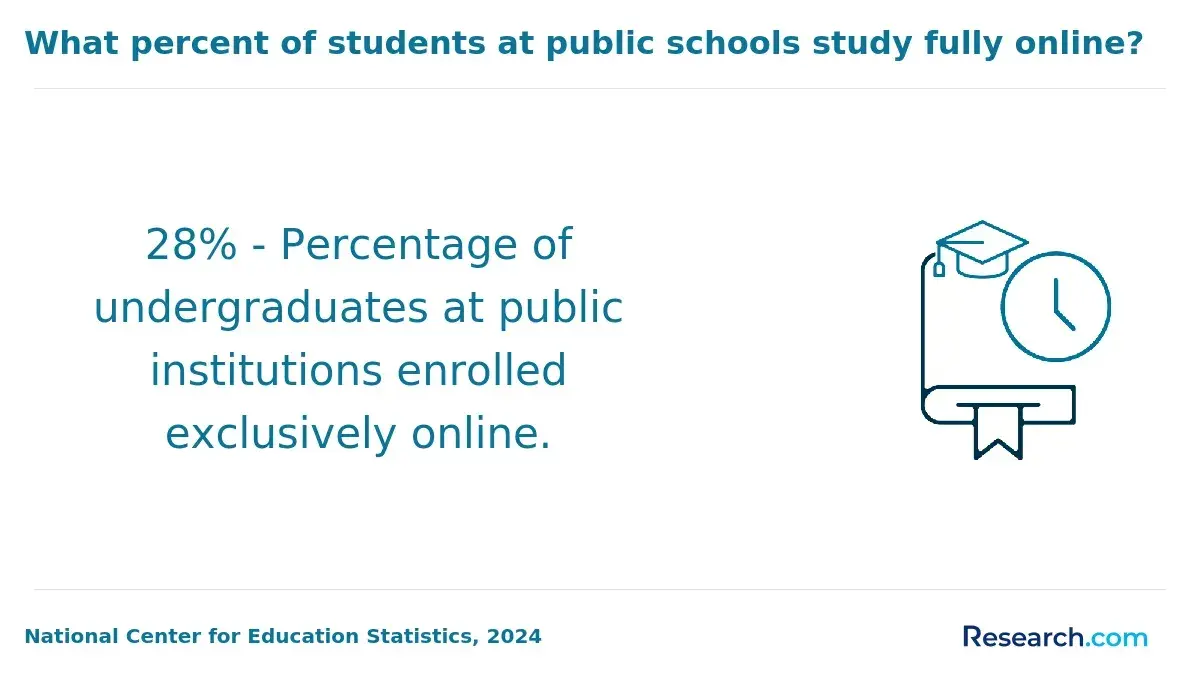
Employer perception of online homeland security programs hinges on tangible evidence of applied skills over delivery format. Programs that integrate accredited coursework with internships, capstone projects, or collaborations with agencies offer critical validation of practical readiness. Without such hands-on components, degrees risk being seen as purely theoretical, limiting advancement in leadership roles that demand competencies in risk assessment, emergency management, and cybersecurity.
Cybersecurity leadership exemplifies this practical emphasis. Information security analysts earned a median wage of $120,360 in 2024, reflecting demand in both public and private sectors.
Candidates with online degrees who secure certifications like CISSP or CISM and demonstrate relevant experience can compete effectively with traditional degree holders. However, federal employers often prioritize accreditation and prior experience over program format, especially for roles requiring security clearances, while private sector employers weigh demonstrable outcomes more heavily.
Prospective students evaluating an online homeland security degree value to employers should scrutinize a program's ability to blend rigorous academics with experiential learning. Networking opportunities and real-world simulations matter for mitigating employer bias against online credentials.
As a practical comparison, federal agencies may tolerate online degrees more if paired with recognized certifications and security clearances, whereas private firms focus on verified skills and project experience.
Decision-makers in this field should consider how applied curricula affect career trajectory and choose pathways aligned with workforce expectations. Additional interdisciplinary perspectives in related areas such as psychology can be relevant; for example, students interested in broader security contexts might explore a forensic psychology degree to complement their expertise.
Which homeland security careers offer the strongest promotion paths?
The most rapid promotion opportunities in homeland security careers typically arise within federal law enforcement branches, especially U.S. Customs and Border Protection (CBP), which employs over 60,000 people. This scale creates formalized and frequent pathways into supervisory and executive positions usually inaccessible in smaller agencies.
For those targeting top leadership roles in US homeland security agencies, line enforcement positions such as Border Patrol Agent, Import Specialist, and Customs Officer offer clear rank progressions from entry-level to supervisory roles within approximately 5 to 7 years, contingent on performance and further qualifications.
Advancement beyond mid-management often requires specialized leadership training, operational experience, and demonstrated success in roles such as Patrol Agent in Charge, who manages staff, allocates resources, and coordinates across agencies.
Success in these roles can lead to senior management titles like Assistant Chief or Sector Chief with broad strategic responsibilities. Candidates with advanced education in criminal justice or public administration, combined with federal leadership credentials, tend to move faster through these ranks.
Tradeoffs include the demanding and mobile nature of fieldwork, which requires relocation for many leadership roles. Agencies focusing on intelligence analysis or emergency management, by contrast, have slower promotion tracks due to smaller teams and less hierarchy. Individuals prioritizing rapid growth should therefore consider federal enforcement roles, where promotion pipelines are more structured and operational demand sustains upward mobility.
Those evaluating homeland security careers with fastest promotion opportunities should also assess how education level and practical leadership credentials align with agency expectations. For those exploring flexible educational options, it is worth considering whether can you become an architect online is relevant to your broader career pivot strategies, as principles of disciplined, accelerated learning apply across technical professions.
What courses are common in homeland security degree programs?
Homeland security degree programs must be evaluated through the lens of operational relevance and workforce integration rather than traditional academic breadth. Candidates preparing for leadership roles-particularly within large agencies like the Transportation Security Administration, which employs over 50,000 personnel-need coursework that aligns tightly with actionable skills and real-world problem solving.
Core classes typically cover threat and vulnerability assessment, counterterrorism tactics, cybersecurity principles, and crisis communication, equipping students to manage multi-agency responses under dynamic security challenges.
Key practical competencies arise from scenario-based training in disaster response and critical infrastructure protection. Emerging requirements emphasize GIS applications, data analytics, and risk communication technologies, directly impacting the readiness of students for technologically evolving operational environments.
The legal and ethical curriculum, including policy development and constitutional law, addresses the jurisdictional complexities encountered in federal and state agencies, crucial for advancing into administrative leadership roles that demand navigating multifaceted regulatory frameworks.
Tradeoffs exist for those choosing programs: prioritizing experiential simulations and leadership modules can enhance employability within established government pipelines but may limit exposure to broader policy analysis desired in think tanks or private security sectors.
For professionals aiming at a strategic career pivot, selecting a program that balances practical operational training with organizational behavior insights offers a more immediate return on investment. Program outcomes relevant to these considerations can be found in resources related to homeland security degrees.
What admissions requirements do homeland security programs usually have?
Candidates aiming for roles in homeland security must navigate a complex mix of academic prerequisites and security considerations that influence both program eligibility and long-term employability. At minimum, programs require a high school diploma or equivalent, but transfer or advanced standing often depends on prior completion of related associate degrees or college credits.
This layered educational foundation reflects an operational reality: agencies favor entrants who already possess foundational knowledge coupled with vetted backgrounds.
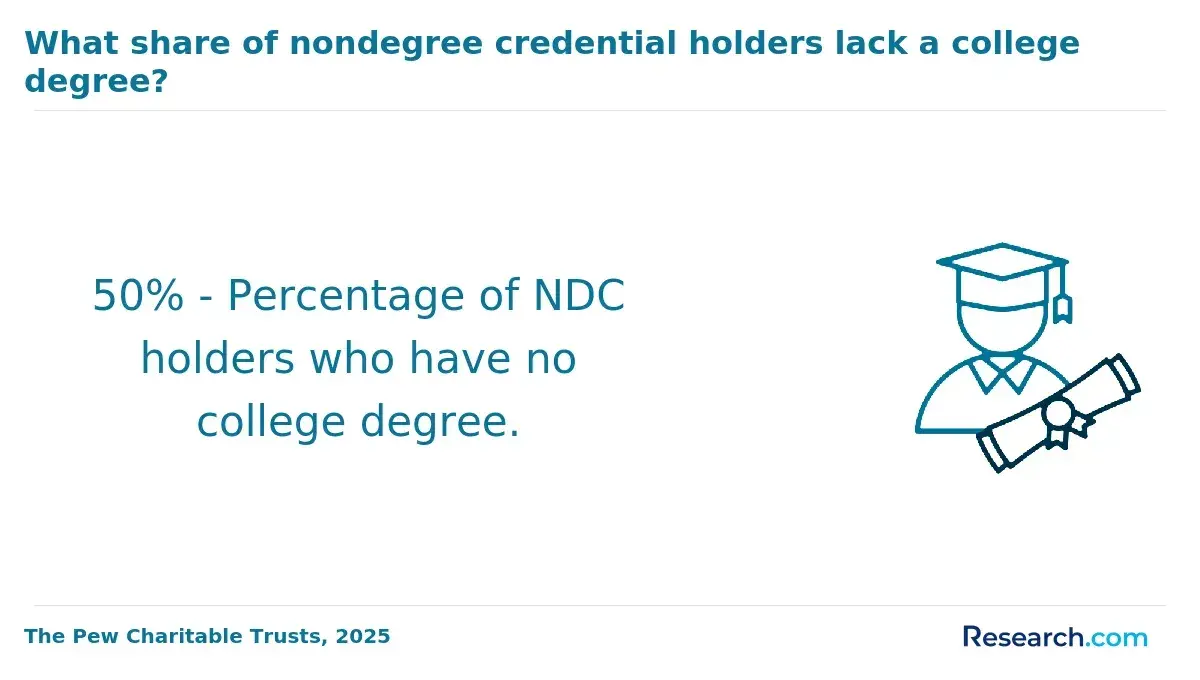
Applicants without prior law enforcement, military, or public safety experience face added challenges, as real-world exposure remains a significant factor in admissions, especially for graduate leadership tracks. Programs supplement these expectations with stringent background checks and US citizenship requirements linked to security clearance-a frequent bottleneck that can delay or restrict progress for otherwise qualified candidates.
Prospective students should weigh the advantages of curricula offering courses in emergency management, cybersecurity, and immigration policy. These areas align directly with workforce shifts such as multiple senior appointments in U.S. Immigration and Customs Enforcement, underscoring the value of specialized training.
Careful selection of programs featuring strong federal agency connections and experiential learning opportunities, like internships or mentorships, can ease transition into senior roles, especially for professionals pivoting into immigration enforcement leadership. Navigating these factors demands strategic choices beyond mere credential accumulation, focusing instead on practical integration with evolving homeland security workforce demands.
How long does a homeland security degree take and what does it cost?
Pursuing a homeland security degree demands balancing educational time, cost, and actual field readiness. Bachelor's degrees typically span four years, costing $10,000 to $25,000 annually at public universities for in-state students, while private institutions often exceed $35,000 per year. Accelerated programs or associate degrees shorten completion to two years but tend to restrict eligibility for senior roles, creating a tradeoff between speed and long-term advancement potential.
Federal hiring practices favor candidates with extensive operational experience. For instance, roles such as Chief Counsel at FEMA generally require almost two decades of disaster response work, indicating that academic qualifications alone are insufficient. Practical field skills and sustained federal experience weigh heavily in candidate evaluation, often more than degree duration or tuition expense.
Degree formats and costs influence career entry timing and professional growth:
- Full-time bachelor's students incur higher upfront costs but enter the workforce sooner.
- Part-time or online options offer flexibility for working professionals but delay earnings and experience accumulation.
- Attending in-state schools and securing internships within federal agencies can reduce financial burdens while building crucial experience.
Employers expect mastery in crisis response, legal frameworks, and interagency coordination, especially for leadership roles, which often require a master's degree combined with significant operational tenure. Aligning educational investment with these expectations is critical for strategic career development in homeland security.
Which certifications help advance homeland security careers?
Advanced certifications targeting leadership and specialized analysis are essential for moving beyond mid-level roles in the homeland security sector. Credentials like Certified Emergency Manager (CEM) and Certified Homeland Protection Professional (CHPP) signify operational command capability and crisis coordination expertise, directly supporting eligibility for executive tracks.
For intelligence-focused careers, qualifications such as Certified Information Systems Security Professional (CISSP) and Certified Intelligence Analyst (IA) are often hard prerequisites, aligning closely with the skill sets federal agencies prioritize.
Practically, personnel advancing toward Senior Executive Service (SES) positions must combine technical proficiency with credible managerial credentials. For example, a border security officer seeking leadership must invest deliberately in risk management and incident command certifications, since field experience alone rarely suffices for executive selection.
Similarly, cybersecurity officers face stringent demands for federal compliance certifications before entering restricted SES leadership pipelines.
Key considerations for candidates include balancing the time and financial burdens of certification against their immediate employment needs and longer-term leadership ambitions. Employers weigh federal recognition heavily; thus, investing in widely accepted credentials delivers measurable career dividends, whereas generalist or less recognized certifications provide limited practical hiring advantage.
What salaries do homeland security leadership roles pay?
Leadership roles in homeland security demonstrate marked salary variability from $75,000 to exceeding $140,000 annually, shaped by geographic setting, agency size, and job function. For instance, emergency management directors typically report median annual earnings near $101,000, while information security analysts-who frequently work at the intersection of cybersecurity and homeland security-earn about $105,000, with federal positions or high-demand regions pushing salaries beyond $160,000.
Choosing between state-level and federal employment involves more than salary comparison. Federal roles often offer higher compensation but require stringent security clearances and confront steeper competition.
Conversely, state and local agencies may present quicker leadership ascents but with comparatively lower pay and different benefit structures. For example, an emergency manager in a metropolitan state agency might opt for earlier operational leadership opportunities despite a salary tradeoff.
Employers expect tangible expertise in crisis management, cybersecurity protocols, or intelligence analysis, supported by accredited degrees and relevant certifications. Job growth projections through 2034 validate continued demand but counsel candidates to align educational paths closely with targeted leadership roles to optimize employability and compensation.
Educational investment in homeland security management or cybersecurity specializations requires rigorous evaluation of these tradeoffs to ensure practical career trajectory alignment rather than relying solely on abstract institutional promises.
What should you look for in an accredited homeland security school?
Effective leadership development is critical given documented management weaknesses within DHS components. Graduates of homeland security programs must be prepared to address these deficits through advanced training in organizational leadership, crisis management, and accountability systems that directly align with DHS mandates.
Without this, students risk entering a workforce where theoretical knowledge falls short of operational demands, especially in environments requiring swift, coordinated responses to complex threats like cyber incidents or multiagency emergencies.
Programs offering simulation-based training and real-world case studies better prepare candidates by replicating these practical scenarios, building trust with employers looking for immediate competency in frontline and strategic roles. Key considerations for prospective students include accreditation that confirms curriculum meets federal operational standards and faculty with active practitioner experience.
Tradeoffs exist between programs emphasizing theory versus applied skills; the latter are essential for navigating DHS reform efforts centered on risk assessment and resource management. Employment outcomes provide a vital benchmark-schools with strong alumni placement in DHS leadership within five years indicate alignment with sector expectations and the capacity to perform under reform pressures.
Other Things You Should Know About Homeland Security
Operational experience carries substantial weight with employers when evaluating candidates for leadership in homeland security. While formal education provides essential theoretical frameworks and strategic insight, real-world experience demonstrates an individual's ability to manage crises, coordinate across agencies, and apply protocols under pressure.
For those seeking leadership roles, prioritizing roles that allow for progressive operational responsibility alongside continuing education is an effective strategy to meet employer expectations and stand out in promotion decisions.
Leadership positions in homeland security favor a balanced portfolio of specialized credentials and broad strategic skills. Certifications in niche areas like cybersecurity or emergency management demonstrate technical expertise but can limit mobility if too narrowly focused.
Conversely, broad-based knowledge fosters adaptability for varied leadership challenges. Prioritizing certifications that complement a wide understanding of homeland security systems and policy will provide stronger long-term career flexibility and alignment with leadership demands.
Employers increasingly expect homeland security leaders to combine technical competence with soft skills, such as communication, interagency collaboration, and decision-making under uncertainty. Candidates who develop leadership traits through cross-functional assignments and formal training programs gain a competitive advantage.
This means career development should emphasize diverse role exposure and deliberate skill-building beyond technical qualifications to address complex organizational needs effectively.
References
- Homeland Security Requirements (Degrees, Jobs & Salary) https://www.allcriminaljusticeschools.com/federal-law-enforcement/homeland-security/
- Online Bachelor's Degree: Homeland Security https://www.umgc.edu/online-degrees/bachelors/homeland-security
- Your Guide to Homeland Security Certification - ARES Security https://aressecuritycorp.com/2025/01/30/homeland-security-certification/
- What does the head of Homeland Security do? https://resources.aferm.org/erm_feed/what-does-the-head-of-homeland-security-do/
- Homeland Security Career And Salary Information https://www.criminaljusticedegreeschools.com/careers/homeland-security/
- Redefining Homeland Security: A New Framework for DHS To Meet Today’s Challenges - Center for American Progress https://www.americanprogress.org/article/redefining-homeland-security-new-framework-dhs-meet-todays-challenges/
- How Long Does it Take to Complete a Degree in Homeland Security? https://legalcareerpath.com/how-long-to-complete-a-degree-in-homeland-security/
- Choosing a bachelor's in homeland security | edX https://www.edx.org/resources/how-to-choose-a-bachelors-in-homeland-security
- Types of Homeland Security Degrees | Compare Schools https://www.criminaljusticeprograms.com/specialty/homeland-security-degrees/