2027 Online Homeland Security Degrees With Scholarships for Working Professionals

Co-Founder and Chief Data Scientist
Facing unpredictable shift schedules and escalating responsibilities, many homeland security professionals struggle to balance advancing their education with full-time work. The Department of Education reports a 22% rise in enrollment among adult learners in online programs since 2022, underscoring a growing demand for flexible, remote study options that fit erratic workflows. This trend highlights both the accessibility challenges and strategic timing considerations for those seeking to upskill without career interruption. Understanding which accredited online degrees offer robust scholarship opportunities can critically influence a professional's ability to secure advancement amid tightening budgets. This article examines practical online homeland security degree options featuring scholarships tailored to working professionals' needs.
Key Things You Should Know
- Online homeland security degrees exhibit a median salary premium of 12% over non-degree counterparts, but Department of Labor data shows wage gains concentrate predominantly in federal agency hires, limiting broader market impact.
- Employer surveys from 2024 reveal 63% of homeland security managers prioritize candidates with specialized cybersecurity or emergency management certificates over generalist online degrees, influencing curriculum choices.
- Cost inflation averaging 8% annually for accredited programs paired with a 14-month average completion time delays workforce reentry, emphasizing the value of scholarships tied to contract or agency partnerships.
What are online homeland security degrees and how do they work for working professionals?
A significant consideration for working professionals pursuing online homeland security degree programs for working professionals is their ability to integrate new competencies directly into operational roles. For instance, a mid-career federal law enforcement officer studying incident command asynchronously can apply updated emergency protocols in real time, enhancing both job performance and learning retention.
The U.S. homeland security workforce, estimated at 3.5 million, faces a projected 7% job growth through 2034, outpacing many sectors. This dynamic creates pressure on professionals to upskill rapidly without interrupting their careers, making flexible online formats particularly valuable. They reduce logistical challenges like commuting and fixed schedules but require disciplined self-motivation and adaptiveness to limited face-to-face networking opportunities.
Employers prioritize candidates who combine relevant, applied knowledge with practical experience; therefore, programs emphasizing capstone projects aligned with industry standards tend to deliver higher employer recognition. Selection criteria should include program accreditation, curriculum relevance to prevailing certification requirements, and tangible post-graduation outcomes.
Remote study also necessitates strategic assessment of quality and fit to avoid misaligned expectations. For those weighing options, the recent analyses of affordable accredited pathways suggest considering a criminal justice degree online accredited that closely maps to homeland security roles, broadening employability beyond purely theoretical training.
Are online homeland security degrees as credible as campus programs, and how is accreditation verified?
Degrees in online homeland security hold equivalent credibility to on-campus programs only if their accreditation is verifiable through recognized regional agencies like Middle States, WASC, or HLC, or via specialized accreditation linked to homeland security or cybersecurity. Employers and federal agencies place heavy emphasis on this accreditation, particularly to ensure compliance with security clearance standards such as Department of Defense 8570 requirements. For instance, an information security analyst applying within government sectors must have an accredited degree to be eligible for roles demanding official clearance.
Working professionals seeking to pivot into homeland security must proactively verify accreditation through official accreditor databases or the Department of Education, as unaccredited programs often lack recognized credentials and disqualify candidates from federal financial aid and critical certifications. This verification is crucial for those transitioning roles-for example, a security analyst moving into homeland security needs an accredited online degree to facilitate clearance eligibility and secure wage growth tied to certification.
The practical outlook for such degrees reflects tangible workforce demand, with information security analyst roles projected to increase by 32% over the next decade, paired with a median annual salary exceeding $120,000. This growth underscores the necessity of rigorous, accredited programs to match industry standards. Those interested should also consider supplements like the best cybersecurity courses to deepen practical expertise and enhance employability.
What types of online homeland security degrees and certificates can adults earn while working?
Selection of online homeland security degree programs for working adults should hinge on balancing credential value with job market requirements and personal constraints. Bachelor's degrees remain essential for most federal positions and include critical skills like crisis communication and interagency coordination, supporting the reported $87,190 median wage by the U.S. Bureau of Labor Statistics. In contrast, flexible online homeland security certificates for professionals offer targeted, expedited skill-building suited to sector-specific challenges, such as healthcare emergency preparedness or cyber terrorism, allowing quicker transitions without multi-year commitments.
Mid-career professionals eyeing leadership roles often pursue master's degrees, which provide in-depth policy analysis, cyber security strategy, and emergency response planning knowledge-components less emphasized in certificates or bachelor programs. However, employers consistently prioritize credentials from accredited programs featuring applied training like simulations, a factor critical for operational readiness.
Decision-making also involves tradeoffs between asynchronous learning flexibility, scholarship availability, and employer tuition assistance, particularly for adults balancing work and family. Realistically, professionals pivoting fields-such as cybersecurity analysts moving into public safety-may gain more immediate benefit from a specialized certificate, while those targeting career advancement in federal agencies usually require degrees.
Prospective students should also consider evaluating other options by researching degrees felons can get to fully understand how credential choices relate to workforce access and long-term growth.
How do online homeland security programs compare with campus-based programs in flexibility, cost, and outcomes?
Flexibility and cost are decisive factors when comparing online homeland security degree options to campus-based programs. More than 60% of online graduate students in criminal justice and homeland security fields simultaneously work full time, making the asynchronous structure crucial for balancing professional responsibilities. This real-world dynamic highlights how online homeland security degree flexibility and cost comparison favor working professionals who cannot accommodate rigid campus schedules.
Online formats typically reduce expenses tied to commuting, housing, and campus fees. Tuition is often more competitive due to lower overhead and scaled digital delivery. Still, prospective students must carefully assess accreditation and total cost of attendance, as some online programs incur hidden fees inflating the sticker price beyond expectations.
Outcomes between online and campus-based homeland security programs show limited employability disparity when rigorous, accredited curricula and relevant certifications are present. Federal agencies seeking homeland security analysts prioritize applicants with verified practical skills, such as risk assessment, cybersecurity, and emergency management, more than degree delivery mode. However, campus-based programs retain advantages in networking, on-site internships, and faculty mentorship, vital in sectors demanding security clearances and close professional relationships.
Those weighing campus-based versus online homeland security program outcomes should consider how direct engagement complements credentials versus the online model's operational convenience. Professionals pursuing rapid, flexible credentialing might also explore accelerated alternatives like an online architecture degree, which demonstrate how some fields offer expeditious, work-compatible paths.
What courses, specializations, and skills are covered in online homeland security curricula?
The practical value of homeland security educational programs hinges on how well they prepare students for complex operational demands, not just theoretical knowledge. Professionals face a pivotal choice between broad-based curricula and specialized tracks like cybersecurity or counterterrorism, with employers favoring demonstrated, role-specific skills over generic credentials. For instance, IT specialists moving into homeland security benefit from cybersecurity-focused courses that translate network defense capabilities to national asset protection.
Key skill development encompasses analytical interpretation of diverse intelligence, effective crisis communication with first responders and policymakers, and hands-on experience anticipating supply chain or transit vulnerabilities. These competencies align directly with employer expectations for actionable risk mitigation amid evolving threats, including electromagnetic warfare and emerging technologies.
Tradeoffs involve balancing program comprehensiveness against the need for adaptable, continuously updated expertise that addresses real-time challenges such as drone threat detection or AI-enhanced surveillance. Financial strategies also influence enrollment decisions; merit scholarships-such as those reducing tuition for counterterrorism-oriented degrees-mitigate cost barriers for working professionals navigating educational investments while employed.
- Core curriculum areas: intelligence analysis, cybersecurity fundamentals, legal frameworks, crisis communication, infrastructure protection
- Specializations: cyber defense, disaster resilience, counterterrorism strategy
- Employer-driven focus: practical skills, adaptability, demonstrable competencies
What admissions requirements and professional experience are needed for online homeland security programs?
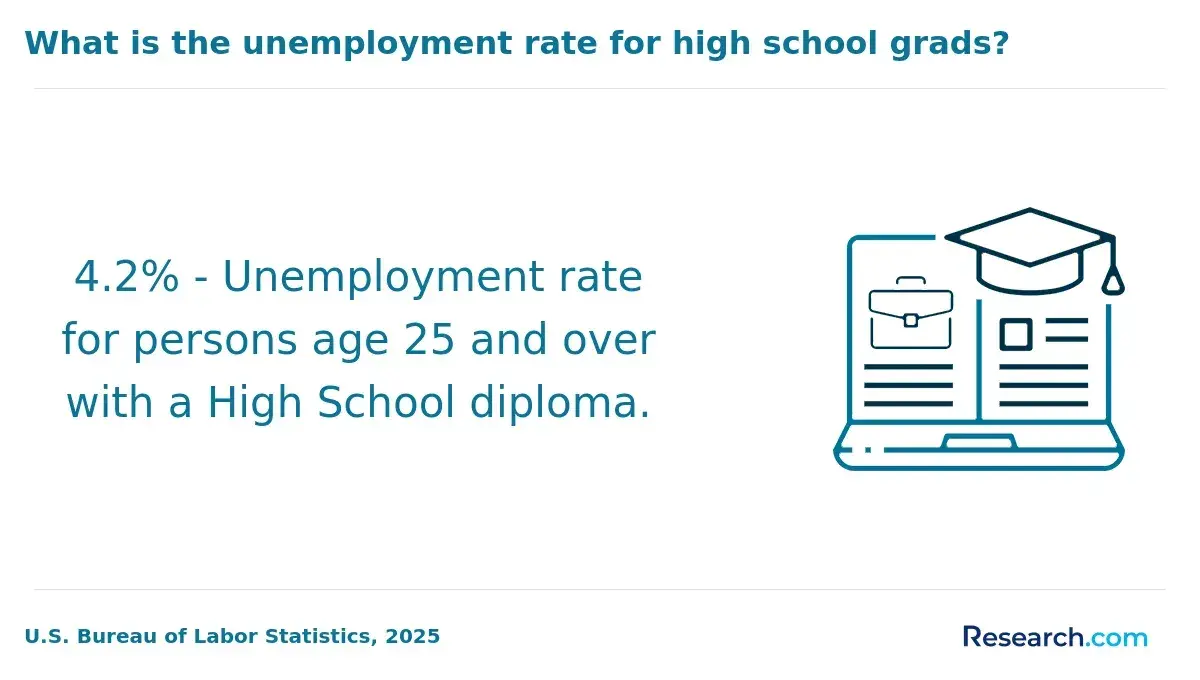
Admission requirements for online homeland security programs reflect divergent entry points that align with both career-stage and educational investment. Certificate tracks typically require only a high school diploma or equivalent, catering to rapid credentialing or skill augmentation without prior occupational experience. In contrast, degree programs demand accredited undergraduate degrees in relevant fields, plus 1-3 years of practical work experience in roles such as law enforcement, emergency management, or cybersecurity.
Graduate-level programs commonly insist on a bachelor's degree with at least a 3.0 GPA, and while some ask for GRE scores, candidates possessing substantial professional experience often receive waivers. For federal agency professionals progressing mid-career, demonstrating leadership on homeland security initiatives or cross-disciplinary collaboration is crucial for acceptance, reinforcing that admissions committees value measurable, domain-specific competence over mere academic benchmarks.
Licenses or security clearances are not standard admission requirements but significantly enhance a candidate's profile by validating operational readiness. Applicants with limited direct experience can improve prospects by completing foundational certificates shown to increase earnings by 12-20%, according to U.S. Census Bureau data.
Programs increasingly assess soft skills such as crisis communication alongside technical expertise, recognizing their effect on real-world performance. Balancing flexible schedules with documented experience poses a persistent challenge for working professionals seeking advancement without employment interruption.
How long do online homeland security degrees take, and what do they cost with available scholarships?
Choosing an online homeland security master's program involves balancing duration, cost, and employer expectations with real-world constraints. Typically, completion takes two to three years, but working professionals often stretch this timeline through part-time study to manage workload alongside operational demands.
Tuition rates vary widely, from $600 to $2,080 per credit hour, with total costs between $22,000 and $75,000. This broad spectrum reflects differences in program depth, accreditation, and specialization. Candidates should carefully evaluate whether longer programs with heavier credit loads justify their financial and time investments, especially when juggling simultaneous career responsibilities.
Scholarships and employer tuition assistance can offset costs, sometimes covering 10% to 50% of tuition. For example, a counter-terrorism analyst might combine workplace benefits and institutional awards to make a $30,000 program more manageable over several years.
Employers in homeland security seek candidates who demonstrate both practical acumen and academic rigor. Prioritizing programs that offer asynchronous learning, credit for prior experience, and strong alignment with current security challenges helps mitigate common barriers like unpredictable work hours and intensive coursework.
- Program length affects specialization depth but can increase opportunity costs.
- Financial aid options require proactive research and timely application.
- Flexibility in pacing and credit policies improves completion odds for full-time practitioners.
What scholarships, tuition assistance, and employer benefits support working adults in homeland security studies?
Employer tuition assistance remains the most accessible financial support for working adults pursuing online homeland security degrees, especially within agencies and private firms confronting acute workforce shortages. For instance, organizations addressing the cybersecurity gap of some 350,000 openings in 2024 prioritize tuition reimbursement or direct sponsorship for targeted training in cybersecurity, emergency management, or counterterrorism.
Federal and state grants offer supplemental scholarships, often restricted to public safety personnel or applicants linked to relevant government roles. These awards typically range from $2,000 to $10,000 annually. Professionals outside the public sector must navigate a complex funding landscape by seeking foundations or nonprofits with homeland security or cybersecurity mandates.
Critical to this financial calculus is understanding employer eligibility and repayment conditions. Many assistance programs require a minimum service commitment, and early career shifts may trigger reimbursement obligations, complicating immediate job mobility.
For veterans and reservists, leveraging military education benefits like the GI Bill can substantially offset tuition if programs meet VA accreditation standards, reducing out-of-pocket expenses.
Online degree pacing and structure also heavily impact cost and workflow balance. Accelerated programs reduce lost wages by shortening study periods, while credit transfer and competency-based pathways can optimize total investment and alignment with employer tuition strategies.
What homeland security careers, advancement paths, and employers are available after these degrees?
Graduates with online homeland security degrees typically move beyond entry-level roles by pairing operational experience with credential advancements. Positions often evolve from analysts and field operatives into supervisory or strategy-focused roles in federal agencies like the Department of Homeland Security or private security firms.
Practical advancement frequently hinges on factors such as:
- Security clearances and physical readiness, which limit entry routes for some applicants.
- Specialized expertise in cybersecurity or counterterrorism that mid-career professionals bring to career transitions.
- Continuous professional development requirements, including certifications or graduate credentials, to access senior roles.
For instance, a municipal security analyst aiming to become an emergency manager must supplement their degree with actual crisis leadership experience. Conversely, cybersecurity graduates targeting senior threat analyst positions need relevant industry certifications to be competitive.
A 2024 survey shows that over 70% of online homeland security students balance caregiving alongside work and study. This highlights how flexibility and employer recognition of workforce reliability often outweigh pure academic credentials in hiring decisions. Students should evaluate how geographic location, clearance status, and work-life balance intersect with advancement opportunities before enrolling in programs.
What are the salary expectations, job outlook, and certification options in homeland security fields?
Salary potential in homeland security reflects distinct job tiers and certifications rather than uniform growth. Entry-level roles such as emergency management coordinators often start near $50,000, whereas positions requiring specialized expertise-like cyber threat analysts or federal agents-commonly surpass $90,000 annually. For example, a security manager holding the Certified Homeland Protection Professional (CHPP) credential typically gains a competitive advantage not only in pay but also hiring prospects compared to non-certified peers. However, candidates must balance certification costs and ongoing education requirements against immediate income needs and employer support.
Workforce trends show a 5% to 7% projected job growth through 2032 in homeland security-related occupations, outpacing many industries due to persistent investments in cybersecurity and infrastructure resilience. Online program enrollment surged 24% from 2019 to 2024, underlining a shift toward flexible credentialing environments accommodating working adults.
Choosing between a certification-centric route and a degree-based path involves tradeoffs: government positions typically require formal degrees plus certifications, while private sector roles often value applied experience combined with targeted technical certifications. Prospective students should evaluate these factors in the context of their career goals, existing qualifications, and financial constraints to optimize employability and long-term returns.
Other Things You Should Know About Homeland Security
Online homeland security degrees demand disciplined time management as coursework often runs concurrently with full-time jobs. Programs with asynchronous formats provide more flexibility but require self-motivation and organizational skills. Prospective students should evaluate program pacing, assignment frequency, and employer support to realistically balance work, study, and personal commitments without risking burnout.
Employers increasingly accept online degrees for homeland security roles if the program is accredited and the candidate demonstrates applicable skills and certifications. However, leadership positions often require a combination of advanced education, professional experience, and security clearances. Candidates should complement their online degree with tangible accomplishments and networking to strengthen their candidacy for supervisory or management tracks.
Choosing a specialized program benefits professionals targeting niche roles, such as cyber security or emergency management, by deepening expertise in high-demand areas. Broader programs suit those seeking managerial positions overseeing diverse homeland security functions. Working adults should base their choice on current job requirements, career goals, and market demand in their region, prioritizing specialization if aiming for rapid advancement in a focused domain.
References
- Search icon https://waldorf.edu/degree-programs/bachelors/ba-homeland-security/
- Homeland Security Career And Salary Information https://www.criminaljusticedegreeschools.com/careers/homeland-security/
- Tuition Assistance Financing Options for Working Adult Students at SNU https://www.snu.edu/pgs/tuition-assistance
- Accreditation | CAEMHSE https://www.caemhse.education/accreditation
- Homeland Security Requirements (Degrees, Jobs & Salary) https://www.allcriminaljusticeschools.com/federal-law-enforcement/homeland-security/
- Types of Homeland Security Degrees | Compare Schools https://www.criminaljusticeprograms.com/specialty/homeland-security-degrees/
- Online Bachelor's Degree: Homeland Security https://www.umgc.edu/online-degrees/bachelors/homeland-security
- College Programs https://www.nsa.gov/Academics/National-Cryptologic-University/College-Programs/
- Differences Between a Criminal Justice and Homeland Security Degree https://www.nec.edu/news/criminal-justice-vs-homeland-security-degree
- Online Homeland Security Degrees: Explore Top Programs https://www.degreesforgood.org/online-degrees/homeland-security-programs/