2027 Homeland Security Degrees That Work Best for State and Local Government Workers

Co-Founder and Chief Data Scientist
State and local government workers increasingly face complex threats requiring rapid adaptation, yet many struggle to find degree programs that align with irregular schedules and immediate job-relevant skills.
With the National Center for Education Statistics reporting a 21% rise since 2023 in enrollment by adult learners in online and hybrid public safety programs, flexibility has emerged as a decisive factor in education choices. This shift reveals a growing demand for credentials that balance rigorous training with accessibility, responding to workforce shortages and urgent upskilling needs in homeland security roles.
This article evaluates the best homeland security degrees tailored to state and local professionals, focusing on program structure, career impact, and practical applicability to help navigate these critical educational decisions.
Key Things You Should Know
- Homeland security degrees emphasizing cybersecurity certifications currently yield 27% higher state government hiring rates but demand significant upfront technical training, creating a cost-versus-speed tradeoff for mid-career transitions, per 2024 DHS workforce data.
- Agencies increasingly prefer candidates with dual expertise in emergency management and intelligence analysis, with 63% of local employers favoring such combined skill sets for promotion eligibility, driving curriculum integration pressures.
- Degree programs with asynchronous online formats reduce time-to-credential by 15% on average, yet graduates report 22% lower initial salary offers due to perceived lower networking opportunities affecting long-term advancement prospects.
What types of homeland security degrees are best suited to state and local government careers?
The best homeland security career paths in regional government require degrees tailored to the operational realities of state and local agencies. Emergency management programs stand out for preparing candidates in disaster preparedness and response coordination, skills essential for managing crises like natural disasters or public health emergencies at the local level. These programs also emphasize compliance with federal frameworks such as FEMA protocols, which remain mandatory in government roles.
Homeland security degree programs for state and local government that focus on policy equip graduates with expertise in legal structures, interagency collaboration, and intelligence analysis. This background directly supports positions involving regional threat assessment and policy implementation, where coordinating multi-jurisdictional efforts is a persistent challenge, especially between municipal and state entities.
Meanwhile, cybersecurity degrees address the growing vulnerability of critical infrastructure to digital threats. Graduates often fill gaps in local agencies with limited IT resources, protecting law enforcement databases and public utilities. The tradeoff between broad policy knowledge and technical specialization is clear: a flood control emergency manager benefits more from emergency management education, whereas cyberthreat roles demand specialized cybersecurity skills.
The U.S. Bureau of Labor Statistics projects a 3% growth for emergency management directors, many employed at state and local levels, with a median salary near $84,280. Navigating state certification or continuing education requirements remains a critical step for maintaining eligibility in these government positions.
Individuals exploring specialized security roles can find detailed insights on how to become a criminal profiler, which illustrates the intertwined nature of education, certification, and practical workforce demands.
How do homeland security roles differ between federal, state, and local government agencies?
Differences in homeland security roles across federal, state, and local agencies reflect distinct operational realities and workforce expectations, notably affecting educational requirements and career trajectories.
Compared with federal positions, which demand advanced clearances and specialized postgraduate expertise, particularly in strategic intelligence or cybersecurity, state and local roles emphasize practical emergency management, public health crises, and resource coordination within decentralized frameworks. This distinction shapes the demand for degrees tailored to these settings, as highlighted in homeland security career differences in state and local agencies.
For example, during a public health emergency, federal authorities handle overarching policy and strategic resource mobilization; state agencies enforce quarantine protocols and treatment plans across jurisdictions, while local teams focus on hospital capacity management and community-level evacuation.
Such varied responsibilities require corresponding educational pathways. Federal workers often pursue cybersecurity-focused postgraduate credentials, including cybersecurity programs online for veterans, whereas state/local professionals benefit from interdisciplinary skills combining emergency management and public administration.
Salary data reinforce these role-based disparities. Master's-level homeland security degrees at the state and local levels yield median salaries from $55,000 to $115,000, nearly double the $39,000 to $75,000 range typical of bachelor's degrees. This reflects employer prioritization of advanced analytical and leadership capabilities within decentralized agencies.
Pragmatically, candidates must weigh the broader specialization and slower advancement in federal pathways against accelerated promotion and interdisciplinary demands at state and local agencies, reflecting a clear homeland security roles comparison federal vs state government in workforce planning.
Which homeland security degree levels and majors align with common state and local job titles?
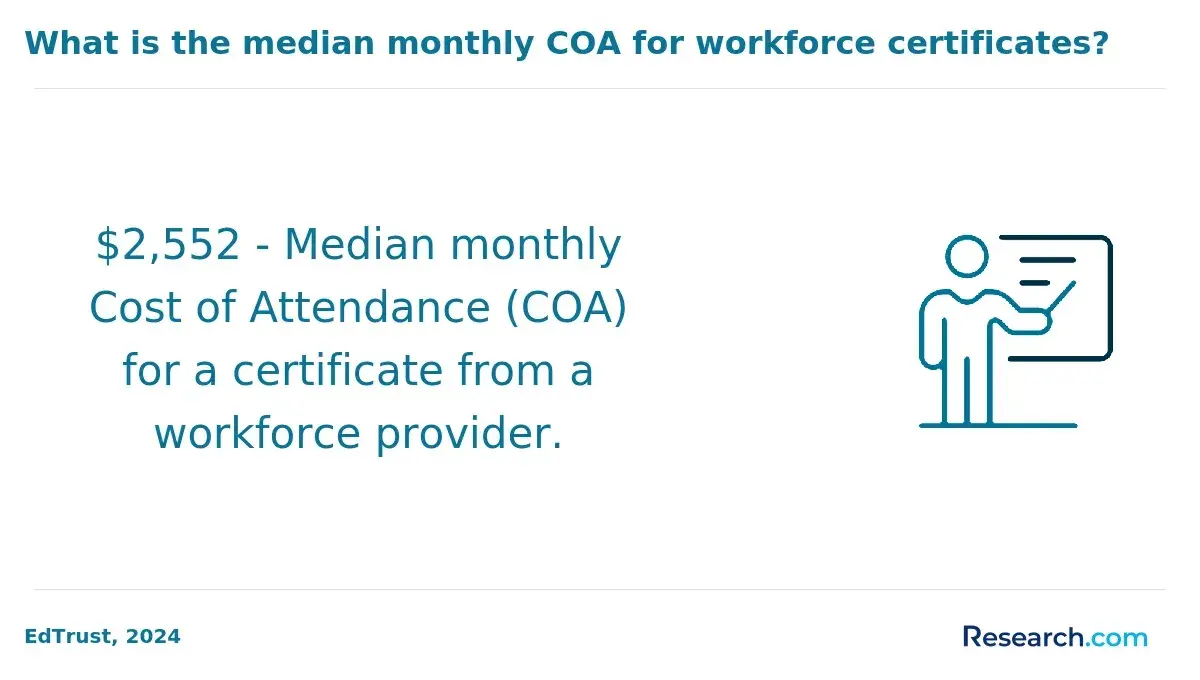
Choosing between associate, bachelor's, and master's degrees in homeland security degree programs for state and local government jobs involves weighing immediate employability against long-term role requirements. Entry positions such as emergency dispatchers or public safety aides often accept associate degrees emphasizing practical skills with limited financial and time investment.
However, ascending to roles like emergency management coordinators or public information officers generally requires bachelor's degrees in homeland security or related fields like public administration or cybersecurity, aligning education with technical and managerial competencies.
State-level roles demand specialized majors with an emphasis on interagency coordination and crisis strategy, while local governments prioritize operational logistics and community resilience. For example, fire marshals and homeland security officers in city departments benefit from coursework that blends criminal justice investigative techniques with homeland security, enhancing their prevention and response efficacy.
The Naval Postgraduate School Center for Homeland Defense and Security's tuition-free master's degree program removes financial barriers for qualified government employees, reflecting a workforce trend toward advanced education for leadership roles. Yet, those outside eligibility should consider the return on investment carefully, since a master's may increase median wages by about 20% compared to bachelor's holders in this sector.
Because security clearances are often mandatory, selecting programs that integrate clearance-compatible internships or hands-on government partnerships is crucial for candidates targeting intelligence or counterterrorism. Those focused on emergency preparedness may prioritize practicum opportunities within local emergency operations centers.
Incorporating interdisciplinary approaches, students might also explore complementary fields such as a forensic psychology major to enhance investigative skills applicable in homeland security contexts.
What admission requirements do homeland security programs typically have for working public-sector adults?
Admission criteria for homeland security degree admission criteria for government workers prioritize prior education and professional experience, reflecting the sector's operational demands. Associate-level applicants typically need a high school diploma or GED, while advanced study requires an accredited bachelor's degree.
Beyond academic credentials, programs often insist on relevant backgrounds in public safety, emergency management, law enforcement, or military service to benefit from accelerated tracks or credit waivers.
State and local public-sector homeland security program requirements frequently include flexible pathways recognizing military training or professional certifications, such as FEMA credentials.
This integration shortens the time to degree completion and ensures that academic content aligns with practical workplace responsibilities, accommodating adult learners balancing shift work and unpredictable schedules. Demonstrable time-management skills and access to digital resources are common prerequisites for programs with online or hybrid components.
Admissions committees weigh candidates' potential to combine field experience with academic research, favoring programs with applied projects or capstone requirements. This alignment reflects employer preferences and real workforce expectations. Financial aid availability varies but is influenced by projected return on investment, with recent graduates' starting salaries averaging $68,089 and stretching from $27,387 to $165,273 depending on the career path.
For working professionals assessing degree options, understanding these nuances can inform strategic choices. Programs with flexible entry points and strong practical integration may better suit public-sector workers juggling complex schedules. For comparative clarity, those exploring alternative pathways might explore architecture programs online to gauge how accelerated online degree models function in related fields.
How do online homeland security programs compare to campus-based options for government workers?
Online homeland security programs provide workforce flexibility essential for full-time government employees balancing operational duties and education. Unlike campus-based options, which often require relocation or commuting that can disrupt shift work common in law enforcement, emergency management, or public safety roles, online formats offer asynchronous access allowing learners to engage around irregular schedules.
Costs for bachelor's level programs vary widely, typically between $36,000 and $125,000, reflecting differences in program scope, resources, and institutional reputation. While online degrees are increasingly accepted by government employers as equivalent to on-campus credentials for promotions or lateral moves, candidates must compensate for reduced access to in-person scenario training and physical security exercises valued in tactical positions.
Professionals pursuing online degrees should proactively secure local internships or applied projects through agency partnerships or relevant alliances, since these programs lack natural campus networks. This approach helps maintain necessary experiential learning, particularly for roles requiring hands-on security skills.
For strategic or policy-track careers, online curricula often emphasize critical thinking and interagency coordination without geographic constraints.
What core courses and skills do homeland security degrees teach for state and local practice?
Core courses in homeland security degrees emphasize operational risk assessment and interagency coordination, directly linking academic content with real-world challenges faced by state and local officials. For instance, emergency managers in hurricane-prone coastal regions must tailor response plans that synchronize local police, fire, and health agencies, demonstrating the necessity of applying learned incident command structures to area-specific threats.
This curriculum goes beyond theory, incorporating critical elements like cybersecurity fundamentals and crisis communication alongside legal and ethical frameworks that govern emergency response operations. Proficiency in data analysis and geospatial intelligence is essential for threat identification and evacuation planning, demanding analytical rigor tied to actionable decision-making during fast-moving events.
Students develop leadership and adaptive skills to manage incomplete intelligence and shifting scenarios, preparing graduates for roles such as emergency management directors, who currently earn a median salary near $79,000 with consistent job market growth projected.
Yet, practical training, including simulations or internships, is necessary to bridge the gap between classroom knowledge and field exigencies where procedural discipline and quick judgment must coexist.
Understanding these aspects allows prospective students to assess whether specific programs align realistically with their state or local government career goals within homeland security.
How long do homeland security degrees take and what do they cost at accredited U.S. schools?
Choosing a homeland security degree requires balancing time, cost, and workforce expectations, especially for employed state or local government workers. Associate programs typically span 2 years, bachelor's degrees 4 years, and master's degrees add 1 to 2 years beyond that. Part-time or online formats extend completion time, sometimes beyond 5 years, affecting when salary increases tied to credentials become feasible.
Tuition widely varies. Public in-state students pay $7,000 to $15,000 annually, with out-of-state rates often doubling, while private schools range from $25,000 to over $45,000. Accelerated options may reduce total duration and expenses but increase workload, creating a tradeoff between immediate financial strain and time invested.
Beyond degrees, employers frequently demand specific homeland security certifications for pay raises or promotions, adding cost and time considerations to the education pathway.
The field's best returns come from cybersecurity and infrastructure security specializations, where median wages reach $112,000 with projected job growth at 32%. However, prospective students must weigh upfront commitments versus stretched-out, lower-cost routes that ease short-term burdens but delay workforce benefits.
What is the salary outlook for state and local homeland security professionals with relevant degrees?
State and local homeland security salaries reflect a clear premium for specialized education combined with operational experience. Graduates from bachelor's degree completion programs report median earnings around $95,000, significantly higher than average public safety salaries. However, this advantage depends on local government pay scales and agency budgets, which vary widely by region and position level.
For instance, a mid-level emergency management coordinator with a relevant degree can expect salary increases from roughly $65,000 to beyond $90,000 when advancing into supervisory or analytical roles involving grant management or inter-agency collaboration. Yet, such jumps require more than credentials. Hands-on experience, security clearances, and targeted certifications aligned with FEMA or state frameworks are often expected.
Decision-making about pursuing a homeland security degree should factor in:
- Regional salary disparities-metropolitan hubs offer the best returns
- Time and financial investment versus realistic advancement timelines
- The competitive hiring environment, especially for federal-adjacent roles
Without integrating degree attainment with practical skillsets and understanding local labor markets, graduates may face delayed or limited financial benefits. Programs emphasizing applied skills and certifications yield stronger outcomes than those focused purely on theory.
What certifications, clearances, or professional standards apply to homeland security roles in government?
Access to sensitive government roles in homeland security increasingly hinges on securing specific clearances such as the Department of Defense Secret clearance or Common Access Card (CAC). These credentials are often a gating factor that supersedes educational background alone, with clearance processing times stretching over several months and potentially disqualifying candidates who cannot meet stringent background investigations.
Beyond clearances, employers demand certifications tailored to distinct operational roles. For instance, emergency management professionals typically require FEMA's Professional Development Series credentials to fulfill National Incident Management System (NIMS) standards, while cybersecurity positions prioritize certifications like Certified Information Systems Security Professional (CISSP) or Certified Ethical Hacker (CEH). This alignment reflects agencies' emphasis on role-specific expertise rather than generic qualifications.
Salary data from BLS figures indicate a median annual wage of $76,290 in the homeland security sector, with advanced certifications and active clearances correlating to higher earning brackets—$97,190 at the 75th percentile and $115,280 at the 90th percentile. Candidates must weigh the financial and temporal costs of maintaining these credentials alongside scenario-based training requirements that underscore operational readiness.
This dynamic creates a career progression landscape where operational proficiency, active credential maintenance, and targeted certifications collectively reduce hiring risk and open access to top-tier roles within local, state, and federal agencies.
How can state and local government employees evaluate and choose a reputable homeland security program?
Choosing a homeland security degree for state and local government work requires evaluating accreditation rigor, curriculum relevance, and graduate outcomes with an eye on practical application and job market realities.
Programs accredited by recognized agencies like the Council for Higher Education Accreditation or specialized justice and security reviewers ensure foundational quality. Yet, the curriculum must directly address cyber threats, emergency management, and interagency coordination to align with evolving government responsibilities.
Internships and partnerships with law enforcement or government security agencies are pivotal for acquiring applicable skills and vital professional networks. For example, a student working with a municipal emergency operations center gains context unavailable through coursework alone, positioning them more competitively on job markets that forecast an 8.0% growth in homeland security roles through 2026.
Prospective students should also scrutinize institutional reports on graduate placement and salary data, prioritizing programs with demonstrated success placing alumni within relevant agencies. Flexible scheduling options, such as online or weekend classes, are essential to maintain employment during study, but beware: programs lacking synchronous engagement risk diminishing interactive learning and practical mentorship access.
Faculty expertise closely tied to active government work can enrich learning with current operational insights, a critical factor often overlooked but essential for bridging academic knowledge with on-the-ground policy and practice. Selecting a program with measurable outcomes in employment prepares students to meet government sector demands pragmatically and sustainably.
Other Things You Should Know About Homeland Security
In 2027, employer partnerships and internships in homeland security programs greatly enhance hiring prospects, providing real-world experience and networking opportunities. They align academic learning with practical skills, making graduates more appealing to state and local government employers who seek candidates with hands-on training.
Many homeland security programs expect significant weekly time commitments, including group projects and asynchronous coursework, which often conflict with public sector shift schedules or on-call responsibilities. Working professionals should select programs offering flexible pacing or modular formats while confirming employer support for study time. Overcommitting without program flexibility risks burnout and incomplete credential attainment.
Multidisciplinary degrees provide broader exposure to related fields like emergency management and public administration but may dilute technical expertise employers seek for specialized roles. Specialized programs focusing on areas such as cybersecurity or intelligence analysis better prepare students for specific job functions and credentialing pathways. Candidates should prioritize specialization when targeting niche positions and consider multidisciplinary degrees only if aiming for flexible, generalist roles.
Programs with established ties to local agencies and embedded internship pipelines improve job placement rates by providing relevant experience and networking directly aligned with employer hiring priorities. Candidates should favor programs that facilitate practical internships within their target jurisdiction to build trusted reputations and practical knowledge. Without these connections, graduates often face longer waits for entry-level roles and uncertainty navigating government hiring processes.
References
- Online Bachelor's Degree: Homeland Security https://www.umgc.edu/online-degrees/bachelors/homeland-security
- Understanding the Homeland Security Grant Program https://www.techandciviclife.org/understanding-the-homeland-security-grant-program/
- Security Clearances Explained | Types of Clearances and Getting Clearance https://www.cyberdegrees.org/resources/security-clearances/
- Intelligence Community security clearance process https://www.intelligencecareers.gov/security-clearance-process
- A Breakdown of the Security Clearance Process for Government Jobs https://sopa.tulane.edu/blog/breakdown-security-clearance-process-government-jobs
- Redefining Homeland Security: A New Framework for DHS To Meet Today’s Challenges - Center for American Progress https://www.americanprogress.org/article/redefining-homeland-security-new-framework-dhs-meet-todays-challenges/
- What Is a Homeland Security Degree? https://www.trident.edu/articles/what-is-a-homeland-security-degree/
- Types of Homeland Security Degrees | Compare Schools https://www.criminaljusticeprograms.com/specialty/homeland-security-degrees/
- Homeland Security Requirements (Degrees, Jobs & Salary) https://www.allcriminaljusticeschools.com/federal-law-enforcement/homeland-security/