2027 How to Choose an Online Homeland Security Degree for Emergency Management Careers

Co-Founder and Chief Data Scientist
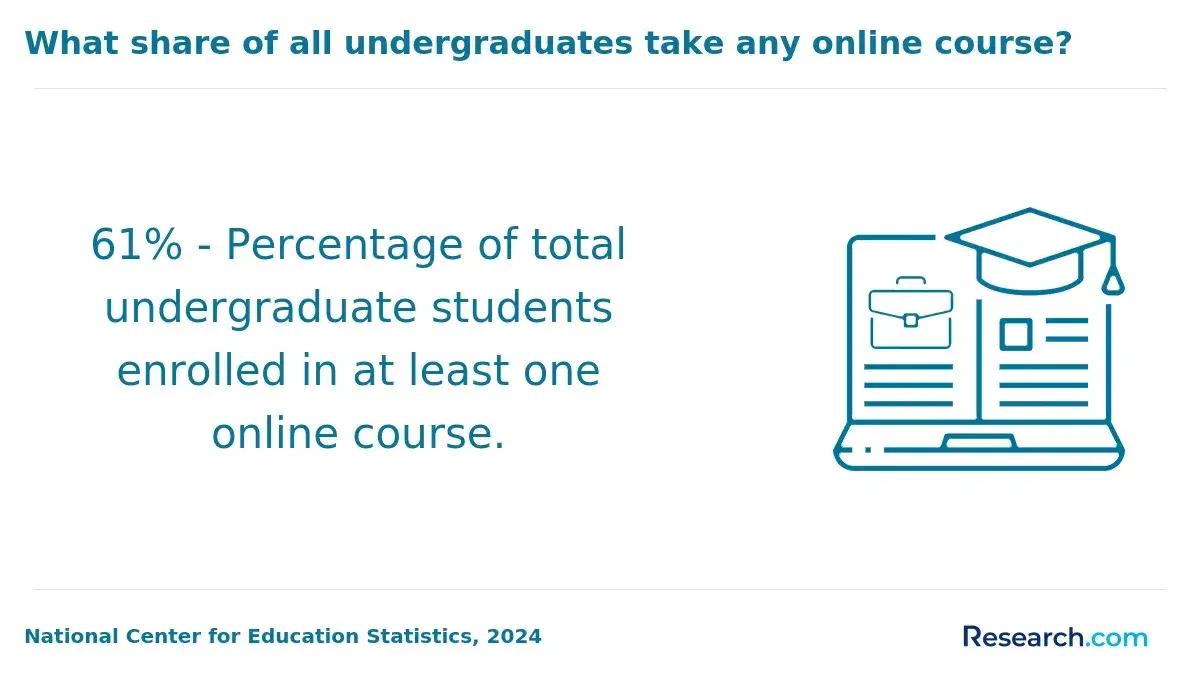
An emergency management professional juggling unpredictable schedules and the need for advanced credentials often confronts a critical dilemma: how to find an online homeland security degree that balances rigorous curriculum with flexible access and credible career outcomes. Nearly 60% of adult learners enrolled in online programs in 2024, according to the National Center for Education Statistics, signaling a shift toward accessible education tailored for working professionals.
This trend reflects growing employer emphasis on adaptability and relevant skill acquisition over traditional campus attendance. Selecting a program without strategic insight can lead to wasted time and missed career advancement.
This article breaks down key factors in choosing an online homeland security degree suited for emergency management careers, focusing on program structure, accreditation, and alignment with workforce expectations to sharpen decision-making and safeguard professional investments.
Key Things You Should Know
- The 13% projected growth in homeland security jobs through 2031 from the U.S. Bureau of Labor Statistics shifts employer preference toward candidates with practical disaster response certifications alongside degrees, limiting purely academic online programs' appeal.
- Institutions accredited by bodies recognized by the Council for Higher Education Accreditation report 20% higher graduate employment rates in emergency management roles, underscoring credential legitimacy as a decisive employer filter in digitally delivered degrees.
- Online programs averaging $18,000 total cost versus $35,000 for hybrid options influence accessibility; however, accelerated paths reduce workforce gap exposure by 6-9 months, critically affecting midcareer students' earnings trajectory.
What is an online homeland security degree and how does it prepare you for emergency management careers?
Candidates pursuing online homeland security degree programs for emergency management must navigate a curriculum designed to develop tactical skills in risk assessment, crisis response, and intelligence analysis aligned with job realities. These programs condition learners to manage complex disaster response logistics, coordinate interagency communication during high-pressure events, and operate within established legal and policy frameworks.
For instance, integrating GIS mapping and real-time data analytics into emergency planning is critical for timely, effective public safety management.
A common challenge is balancing the online format's inherent distance learning constraints with the need for scenario-based training, which employers demand for immediate operational competence. Graduates often face workforce environments that value demonstrated incident command knowledge and adaptability amid evolving threats, as highlighted by sector growth projections rising from $623.1 billion in 2019 to $846.5 billion by 2025.
This growth sustains demand for professionals who can apply actionable intelligence and technical skills across natural disasters, cyber incidents, and infrastructure protection.
Tradeoffs when selecting programs include verifying accreditation rigor and the presence of career placement or practicum partnerships, which significantly affect employer reception and field readiness.
Students must critically evaluate curricula to ensure alignment with their targeted sector, whether federal agencies, private security firms, or nonprofit disaster relief organizations. Those weighing alternative pathways may also compare with options such as online criminal justice associate degree programs to calibrate their foundational knowledge and career alignment.
What types of homeland security and emergency management degrees are available online and which level should you pursue?
Selecting the appropriate degree level in online homeland security degree programs for emergency management careers requires assessing immediate job demands against future leadership roles. Associate degrees typically prepare candidates for entry-level support functions but limit progression into decision-making positions.
Bachelor's degrees dominate as the practical credential for mid-tier supervisory roles, combining applied skills like risk assessment and crisis communication with foundational theory.
Master's degrees, preferred by employers hiring emergency management directors, address the need for seasoned professionals positioned for policy development and strategic leadership. This level also allows specialization in evolving threat domains such as cybersecurity and public health preparedness, which aligns with industry shifts.
Median wages reported by the U.S. Bureau of Labor Statistics highlight a substantial earnings gap between Bachelor's and advanced degree holders, reflecting expanded responsibilities.
Doctoral programs cater primarily to academic, consulting, or specialized federal roles, where demand is limited relative to time and resource investment. Practical tradeoffs include balancing flexible pacing and industry relevance versus program length and cost. Working professionals often benefit most from bachelor's or master's programs incorporating real-world simulations tied to sectors like utilities or urban planning, critical for operational readiness and salary growth.
Alongside these considerations, it is valuable to compare this pathway with other public safety credentials such as types of paralegals, which also represent distinct specialization trajectories with their own labor market characteristics.
How do you compare online vs campus homeland security programs for flexibility, cost, and career impact?
Choosing between campus and flexible online homeland security degree programs is a decision shaped by real-world constraints and workforce expectations. Online options excel in accommodating professionals with irregular schedules or family commitments, offering asynchronous coursework that campus programs rarely match.
However, campus programs deliver direct networking opportunities and hands-on crisis simulations often required for emergency management roles emphasizing collaborative and practical skills.
For instance, a mid-career emergency services coordinator aiming for promotion may favor an online degree to maintain full-time employment and minimize income disruption. Conversely, a recent graduate seeking entry-level federal roles might gain more from campus programs, given their focus on immersive field exercises and access to local government internships.
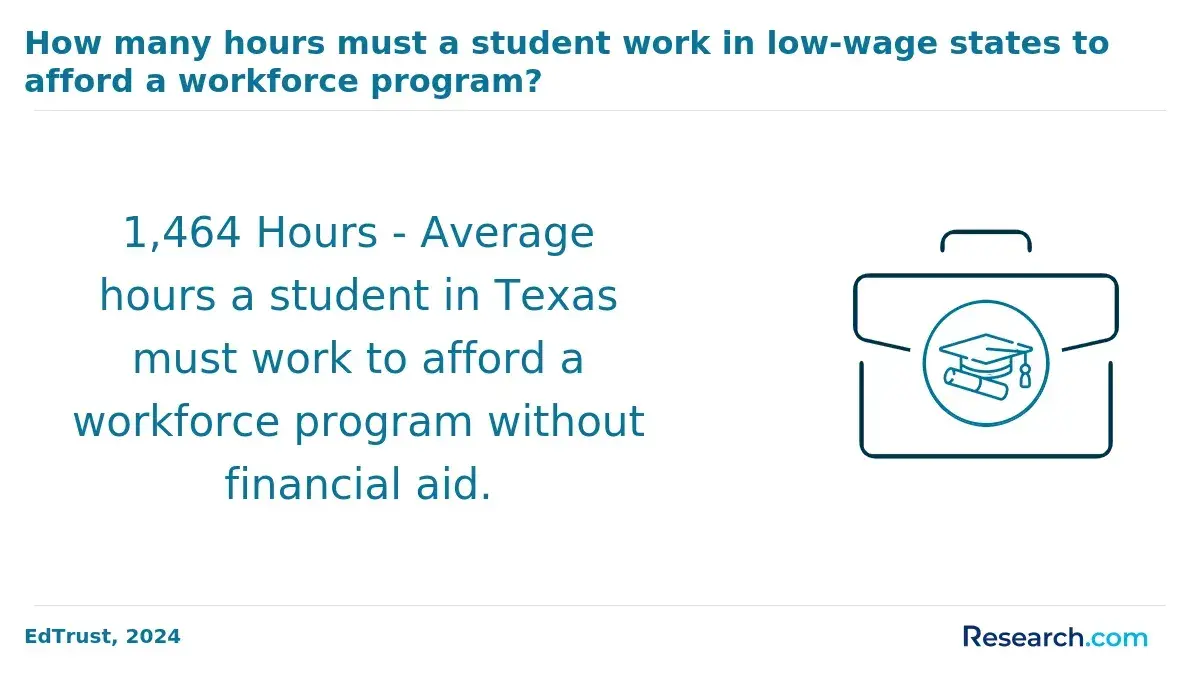
Cost comparison of campus versus online homeland security degrees often shows lower total expenses for online study by eliminating commuting, housing, and ancillary fees. Tuition per credit varies widely, so candidates should evaluate the overall cost-effectiveness rather than sticker price. The career impact is largely influenced by program reputation and accreditation rather than delivery mode, although some regions prioritize in-person internships.
Employment projections indicate a steady 3% growth for emergency management directors over the next decade, with about 1,000 openings annually. This dynamic favors those balancing cost efficiency and flexibility against the need for in-person field exposure and professional networking. Prospective students can explore the cheapest online forensic science degree as a reference point for affordable digital study options in related security fields.
What accreditation should an online homeland security program have to support emergency management careers?
Accreditation stands as a critical filter for students targeting emergency management roles within homeland security sectors. Regional accreditation from bodies such as the Middle States Commission on Higher Education or the Western Association of Schools and Colleges is non-negotiable for programs aiming to satisfy federal and employer expectations.
Beyond this baseline, specialized endorsements-like those from the Academy of Criminal Justice Sciences (ACJS) or approval by the Department of Homeland Security (DHS)-signal alignment with federal operational standards, which are essential for verifying curriculum relevance.
Federal employers, including agencies like FEMA, explicitly favor candidates from accredited online homeland security programs for emergency management that incorporate DHS-approved curricula. Such certifications not only improve eligibility for security clearances but also fulfill ongoing education requirements critical for sustained agency employment. Conversely, degrees without these credentials frequently place graduates at a disadvantage, limiting their practical career mobility.
The scrutiny intensifies when comparing online versus on-campus options: regional accreditation requirements for homeland security degrees become a decisive factor amid lingering employer skepticism about online delivery.
The considerable salary spectrum in this field-from approximately $27,387 to $165,273 annually, with an average starting salary near $68,089-underscores the need to assess credentials carefully against cost and delivery format. For students evaluating optimal pathways, program-specific accreditation strongly correlates to return on investment and long-term workforce integration.
Prospective students should also explore diverse degree options to find financially viable routes to their goals; for example, affordable, condensed programs such as bachelor's in Spanish online illustrate how cost-effective online degrees can be mapped to specific career aspirations.
What core courses and concentrations are included in online homeland security degrees focused on emergency management?
Emergency management degrees within homeland security emphasize operational readiness over theoretical breadth, focusing on risk assessment, disaster response planning, and crisis communication frameworks essential for coordinated action at local, state, and federal levels.
Graduates must navigate the balance between analytical intelligence and field coordination, where specialization influences job outcomes-analysts gravitate toward intelligence analysis with median salaries near $90,000 and steady growth, while field roles demand hands-on crisis management skills.
Realistic scenarios, such as collaborating with FEMA during natural disasters or handling cyber incidents in energy infrastructure, illustrate the necessity of interagency cooperation and proficiency in tools like GIS and emergency logistics. Programs that lack current FEMA-aligned content or interactive labs risk underpreparing students for evolving threat landscapes.
Choosing a degree pathway hinges on assessing how curricula integrate certified technical skills with situational training simulations, reflecting employer demand for practical competencies. Consider these factors:
- Concentration alignment-intelligence analysis versus public safety technology.
- Program delivery-interactive versus passive online coursework.
- Application of case studies on federal emergency operations for operational limits.
For students prioritizing actionable skills linked directly to workforce expectations, targeted emergency management courses within homeland security programs offer strategic advantage, provided program content remains current and contextually relevant.
What are typical admission requirements for online homeland security bachelor's and master's programs?
Admission to online homeland security programs requires aligning academic qualifications with employer expectations, especially given the specialized nature of the field. Bachelor's applicants typically need a high school diploma or equivalent, sometimes supported by standardized test scores and a GPA around 2.5 to 3.0.
Demonstrated interest through personal statements or essays that detail emergency management experience can differentiate candidates, particularly as transfer credits from prior study or military service may reduce time and cost burdens.
Master's applicants face a higher bar, demanding a completed bachelor's degree with a minimum GPA between 3.0 and 3.5, official transcripts, and letters verifying both professional and academic competence. Relevant work experience in homeland security or comparable sectors is often mandatory, serving as evidence of an applicant's ability to bridge theory with practice. Resumes emphasizing prior leadership in crises or security operations also strengthen candidacies.
The regional job outlook near Thomas Edison State University-with 5.2% projected growth and nearly 10,000 openings annually-underscores the need to evaluate how admission criteria translate into workforce readiness. Candidates who can demonstrate applied analytical skills and documented field experience will be better positioned to meet the operational demands behind median salaries near $92,300.
How long do online homeland security programs take to complete and what do they cost?
Completion time in homeland security programs influences both workforce outcomes and personal logistics more than raw credential value. Associate degrees require about two years full time, doubling to three or four years for bachelor's degrees unless students pursue accelerated tracks. Certificate programs, often designed for employed professionals, typically condense study into under a year, balancing intensiveness against schedule flexibility.
Tuition costs vary widely: community college credentials usually fall under $10,000 total, offering a cost-effective route for entry-level roles, while public university bachelor's degrees range from $15,000 to $40,000, representing a significant financial investment. Online program delivery reduces indirect expenses such as commuting, but prospective students must consider additional fees, technology needs, and possible income loss if study requires reducing work hours.
Trade-offs include:
- Part-time study preserves income but prolongs credential attainment and delays advancement.
- Accelerated programs facilitate quicker entry into supervisory roles but demand concentrated effort upfront.
- Balancing tuition against regional wages and financial aid options shapes net lifetime earnings.
Employers in emergency management prioritize verified skill sets and certifications more than time spent in programs, yet longer completion can delay promotions and mid-level eligibility. In California's Inland Empire/Desert region, community college-qualified personnel earn $23.30-$28.13 per hour, exceeding the local $21.78 hourly self-sufficiency benchmark-a critical metric for assessing credentials' economic return.
What emergency management and homeland security jobs can you pursue with an online degree?
Pursuing an online degree in emergency management and homeland security involves navigating a complex labor market where practical skill sets and security clearances carry significant weight. For example, transportation security screener roles in areas like the Inland Empire/Desert offer clear entry opportunities, with approximately 38 annual openings through 2024, but these are operationally routine and require specific certifications rather than broad academic credentials.
This contrasts with intelligence analyst roles demanding advanced analytical capabilities, often requiring graduate education and clearance protocols. Employers emphasize familiarity with incident command systems, risk communication, and interagency coordination, competencies best acquired through programs offering hands-on simulations or internships, not just theoretical instruction.
Graduates seeking competitive positioning should align their studies with local labor market dynamics and develop dual expertise in technology alongside emergency response frameworks. Many roles, especially in cybersecurity or critical infrastructure protection, necessitate federal security clearances and a combination of academic achievement and verifiable experience.
What salary ranges and job outlook can you expect in homeland security and emergency management roles?
Salary outcomes for roles tied to homeland security and emergency management reflect a complex interplay of operational demands, sector, and seniority. Supervisory positions, such as police and detective supervisors, demand extensive field experience coupled with leadership capacity, yielding a median salary near $93,100. These roles require balancing frontline command with administrative oversight within urban or regional law enforcement contexts.
Emergency management directors earn a median salary around $82,570, driven by responsibilities in strategic disaster response and inter-agency coordination. Success here hinges on skills in risk analysis and certifications like those from FEMA's Emergency Management Institute, which supplement academic credentials with applied expertise.
The labor market projects steady growth in emergency management employment due to persistent threats from natural disasters and evolving national security requirements. However, candidates face a strategic choice:
- Accept entry-level analyst or administrative roles with immediate employment but lower pay and slower advancement.
- Invest in ongoing specialized training and leadership experience to access director-level positions offering higher compensation but requiring sustained career development.
Understanding these tradeoffs shapes an education investment strategy that aligns with long-term workforce realities in homeland security. The College Factual 2025 Homeland Security Degree Guide integrates government labor statistics from 2024+ to provide transparent salary benchmarks for industry decision-making.
How do professional certifications and security clearances fit into your homeland security career plan?
Professional certifications and security clearances function as gatekeepers within homeland security careers, shaping eligibility and access to critical roles. Certifications such as Certified Emergency Manager (CEM) or Physical Security Professional (PSP) validate skills necessary for areas like risk analysis or infrastructure protection and are often mandatory for mid-to-senior positions.
Conversely, security clearances control access to classified information, primarily impacting roles with federal agencies or government contractors.
Consider a cybersecurity professional aiming for a position at the Department of Homeland Security: obtaining a Secret clearance requires an extensive background check that can delay hiring by weeks or months. This timeline demands strategic planning, including maintaining a clean personal record and anticipating bureaucratic hurdles.
In contrast, local emergency managers or first responders typically value certifications more than clearances, reflecting their operational focus on coordination rather than classified intelligence.
Graduates from online homeland security programs must evaluate how certification and clearance requirements align with employer expectations across federal, state, and private sectors. Given that relief services roles are projected to employ over 180,600 professionals by 2026, the tradeoff between certification costs and clearance wait times impacts employability and career trajectory.
Students should prioritize foundational certifications to enter the field promptly, then prepare for clearance processing when targeting sensitive government positions. Continuous credential renewal and clearance maintenance are ongoing considerations directly influencing long-term career stability.
Other Things You Should Know About Homeland Security
While flexibility supports balancing work and study, program reputation strongly influences employer perceptions and networking opportunities. If your current schedule allows, lean toward nationally recognized programs with strong employer connections, as these enhance hiring prospects and salary outcomes.
Conversely, prioritize flexibility only if personal or professional constraints make rigorous attendance impossible, but be aware that some flexibility may come at the cost of reduced employer recognition.
Not all online degrees align with federal hiring standards, especially regarding compliance with federal training frameworks and security clearance prerequisites. If your goal is a federal role, choose programs that explicitly integrate federal guidelines and have faculty or partnerships tied to government agencies. Missing this alignment risks coursework irrelevance and could require additional, separate training before qualifying for clearance-dependent positions.
Longer programs with heavy workloads may provide deeper expertise but delay entry or progression within the workforce and increase opportunity costs. For working professionals aiming to pivot quickly, shorter programs with concentrated curricula offer faster upskilling but may limit subject depth. Weigh your current job demands and career urgency carefully against the program's intensity and duration to avoid burnout or prolonged unemployment during study.
References
- Security Clearances Explained | Types of Clearances and Getting Clearance https://www.cyberdegrees.org/resources/security-clearances/
- Bachelor of Science inEmergency Management and Homeland Security Online or On Campus https://www.albany.edu/cehc/programs/bs-emergency-management-homeland-security
- Online Homeland Security Degrees: Explore Top Programs https://www.degreesforgood.org/online-degrees/homeland-security-programs/
- High-demand jobs for people with security clearances https://jobs.boeing.com/top-industries-hiring-security-cleared-professionals
- Emergency Management vs. Homeland Security: Which MPS Is Right for You? https://sopa.tulane.edu/blog/emergency-management-vs-homeland-security-which-mps-right-you
- Intelligence Community security clearance process https://www.intelligencecareers.gov/security-clearance-process
- Homeland Security Requirements (Degrees, Jobs & Salary) https://www.allcriminaljusticeschools.com/federal-law-enforcement/homeland-security/
- Top Online Master’s Degree Programs in Homeland Security for 2025 https://www.onlinemastersdegrees.org/best-programs/homeland-security/
- Online Bachelor's Degree: Homeland Security https://www.umgc.edu/online-degrees/bachelors/homeland-security
- Online MPA Programs with a Specialization in Homeland Security https://www.onlinempaprograms.com/specializations/homeland-security