2027 Best Online Homeland Security Degrees for Adults Reentering College

Co-Founder and Chief Data Scientist
Mid-career professionals aiming to pivot into homeland security face urgent challenges balancing current job demands with rigorous educational commitments. As agencies increasingly seek candidates with both practical experience and formal qualifications, adults reentering college must navigate limited program flexibility while ensuring credentials translate into measurable career advancement.
The National Center for Education Statistics reports a 17% rise in adult enrollment in fully online programs since 2022, signaling growing demand for adaptable formats but also heightened competition for specialized fields like homeland security. This article evaluates the best online homeland security degree options tailored for adults managing work, family, and certification expectations, providing clear guidance for strategic educational choices.
Key Things You Should Know
- Online homeland security degrees show a 12% wage premium by year three post-completion but demand extended course loads, increasing total financial and time investment compared to shorter certification alternatives.
- Employers prioritize applicants with accredited program completion and practical cyber defense training, which narrows viable degree options and affects hiring in federal agencies, per recent DHS workforce analyses.
- Adult learners face enrollment timing constraints due to cohort-based schedules in 62% of top programs, limiting immediate labor market reentry despite urgent sector workforce shortages highlighted by 2024 GAO reports.
What is an online homeland security degree and how does it work for adult learners?
Online homeland security degree programs for adult learners present clear tradeoffs between flexibility and the rigor needed to meet federal employment standards. These programs predominantly serve professionals balancing work with study by offering asynchronous coursework, virtual case studies, and scenario-based exercises that simulate real threat environments.
For instance, a mid-career IT specialist pivoting into cybersecurity benefits from specialized online modules tailored to incident response and compliance with federal regulations-avoiding broader curricula that could delay job readiness. However, ensuring a program supports clearance eligibility remains crucial because some agencies mandate specific training standards.
Adult learners reentering college in homeland security must navigate challenges such as allocating study time around full-time jobs and verifying program relevance to evolving federal security policies. Employers now expect mastery of both strategic and technical competencies, often demonstrated through accreditation and scenario-based learning integrated within these degrees.
Reliable internet, self-discipline for self-paced courses, and faculty with real-world security experience critically influence successful outcomes.
Programs offering mentorship or direct networking with government or private contractors create tangible advantages, easing transition from education to employment. Students should carefully assess how degrees address clearance preparation, incorporate current security protocols, and are recognized across state and federal agencies.
Financial considerations also matter-any candidate evaluating options should consult resources detailing criminal justice degree cost to align budget with program quality.
How do online homeland security programs compare to campus-based degrees in quality and outcomes?
Employer acceptance of online homeland security programs increasingly hinges on tangible practical training rather than delivery format alone. Programs with scenario-based exercises, virtual simulations, and live practicums replicate critical campus experiences, facilitating skill development essential to fields like emergency management and counterterrorism.
For example, professionals balancing irregular work hours or relocations can complete asynchronous courses without diluting instructional quality, a factor that distinctly influences the online homeland security degree quality comparison.
Networking and experiential learning remain variable. Traditional campus degrees often link students to internships and direct law enforcement contacts, advantages especially relevant for entry-level candidates.
Online programs attempt to fill this gap, sometimes requiring partnerships with local agencies, though geographic and institutional limitations can affect outcomes. These factors directly impact the career outcomes of campus versus online homeland security programs.
Data affirms that advanced online credentials hold market value. Graduates of certain master's programs report median earnings near $100,000, indicating recognition of online degrees in leadership and analytical roles. Yet, prospective students must weigh self-motivation demands, reliable internet access, and limited on-site support when choosing between modalities.
Employers are prioritizing demonstrated competencies and industry certifications over educational mode. This trend suggests prospective students explore comprehensive curricula aligned with workforce needs and consider related cyber security courses online that complement homeland security expertise.
Which accreditation standards should online homeland security degrees meet in the United States?
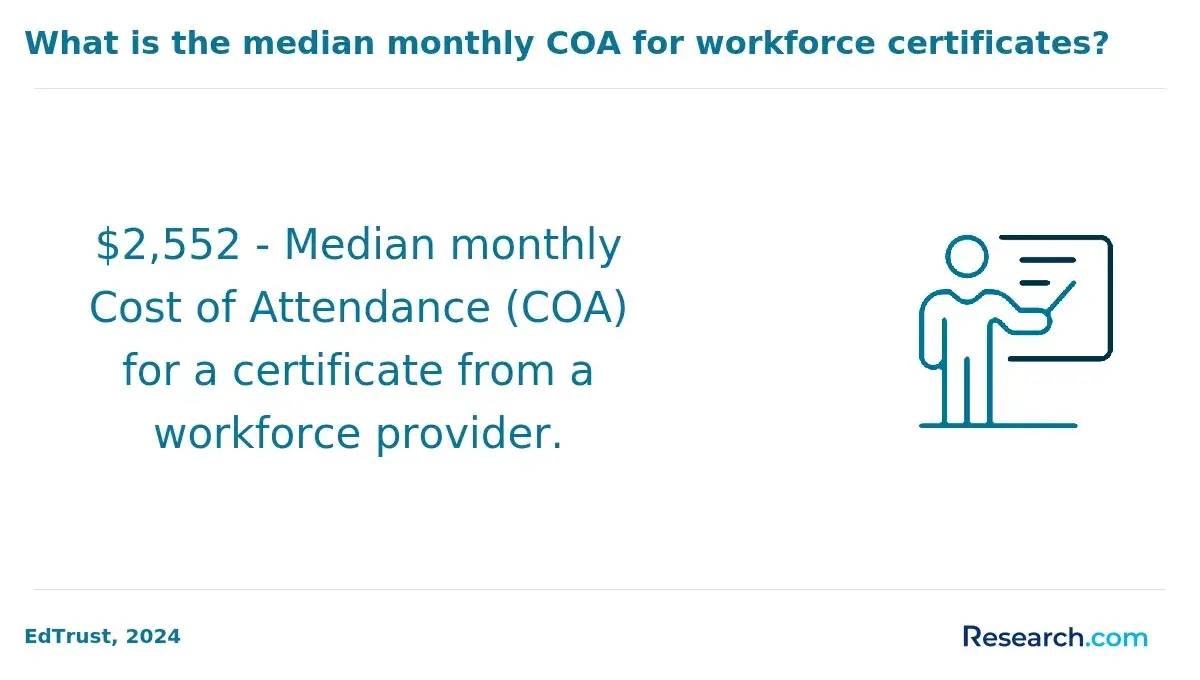
Accreditation standards for online homeland security degrees in the United States directly affect graduates' eligibility for federal financial aid and recognition by employers, especially within federal and private sector security roles.
Candidates should prioritize programs accredited by recognized US accrediting bodies for homeland security programs, such as the Higher Learning Commission or the Middle States Commission on Higher Education, as these institutions uphold academic rigor and institutional integrity. Without such accreditation, degree holders often encounter barriers to employment or security clearances.
Beyond general accreditation, alignment with specialized homeland security standards from organizations like the American Society for Industrial Security (ASIS) or endorsements from the National Security Agency (NSA) and Department of Homeland Security (DHS) signals a curriculum grounded in contemporary threat analysis and emergency management protocols. Such alignment ensures practical relevance in a rapidly evolving security landscape.
For adults returning to education, transfer credit acceptance linked to these accreditation standards can determine how quickly they resume progress without duplicating coursework, which is vital in this credential-sensitive labor market.
Graduates of accredited programs, like Bellevue University's online homeland security bachelor's degree, report median earnings near $73,896 annually, indicating measurable return on investment compared to non-accredited alternatives, as noted in OnlineU's 2026 ranking.
Prospective students balancing timing and credential legitimacy should also consider vetted pathways available from paralegal school online options, which often mirror the same accreditation challenges and employer expectations, offering a comparative lens on program quality and workforce impact.
What types of homeland security degrees and certificates can you earn fully online?
The practical value of fully online homeland security degree programs with certificate options hinges on their alignment with both workforce demands and the logistical constraints adult learners face. Programs range from associate's to master's degrees and specialized certificates, each serving distinct career trajectories.
While associate and bachelor's degrees provide foundational knowledge in areas like emergency management and counterterrorism, bachelor's programs often include concentrations such as intelligence analysis, which prepare graduates for operational roles with greater responsibility.
Master's degrees deepen strategic and policy expertise, appealing to professionals aiming for leadership positions or federal agency roles. Certificates, including niche offerings like cyber incident response, offer targeted skills but frequently require supplementary technical certifications to meet employer expectations in cybersecurity domains within homeland security.
This dynamic illustrates a tradeoff: certificates may accelerate qualification but lack the broad employability of a full degree.
Fully online formats accommodate working adults through asynchronous coursework, yet must be scrutinized for practicums that can present regional access challenges-especially where local agencies or internship opportunities are scarce.
Tuition affordability is critical; for instance, Columbia Southern University charges $278 per credit hour for undergraduate homeland security courses, reduced to $250 for active-duty military, aligning with Department of Defense caps. Such pricing decisions materially affect working professionals leveraging military benefits or seeking cost-effective pathways.
Students evaluating these programs should prioritize degree recognition, practical experience components, and career support. Employers place strong emphasis on accredited credentials and relevant project work. For additional context on related fields, consider accredited online environmental health and safety programs as complementary pathways relevant to homeland security roles.
Fully online homeland security degrees for adult learners often reflect a balance between flexibility and real-world applicability, underscoring the importance of informed scrutiny over program design and outcomes.
What courses and specializations are typically included in online homeland security curricula?
Online homeland security degree programs must balance theoretical knowledge with practical skills to meet employer demands for workforce readiness. Graduates are often expected to quickly transition into roles requiring operational competence, which explains the rising use of simulation tools and virtual labs within curricula. This practice reduces the training lag commonly faced by new hires, particularly those shifting careers later in life.
Specializations serve as a critical decision point for students, given the distinct skill sets and employment sectors they target. For example:
- A cybersecurity track emphasizes network defense, cryptography, and digital forensics, preparing graduates for protecting sectors like energy and finance against increasingly sophisticated threats.
- An emergency management focus prioritizes incident command systems and disaster recovery techniques, aligning with roles in municipal or state emergency operations centers.
These choices inherently shape employability and career trajectory, especially given the varied nature of threats and response protocols within both public and private sectors.
The high graduation numbers from certain online programs, such as Southern New Hampshire University Online's homeland security bachelor's concentration producing 895 graduates recently, indicate strong adult learner demand tied to workforce needs, though program rigor and real-world applicability remain paramount considerations.
Prospective students should weigh the tradeoffs of specialization against their career goals, employer expectations, and the evolving threat landscape, recognizing that degree acquisition alone rarely substitutes for field experience in this domain.
What admission requirements and prior experience do online homeland security programs expect from adults?
Adult students pursuing online homeland security degrees face realistic barriers driven by employer expectations and academic prerequisites. Prior federal, state, or local security experience significantly strengthens applications by compensating for limited formal education, reflecting the workforce demand for candidates who combine theoretical knowledge with verified operational skills.
Applicants lacking direct homeland security backgrounds often must supplement transcripts with certificates in cybersecurity or risk analysis, or complete foundational criminal justice or IT courses, creating a clear tradeoff between time investment and eligibility for advanced study.
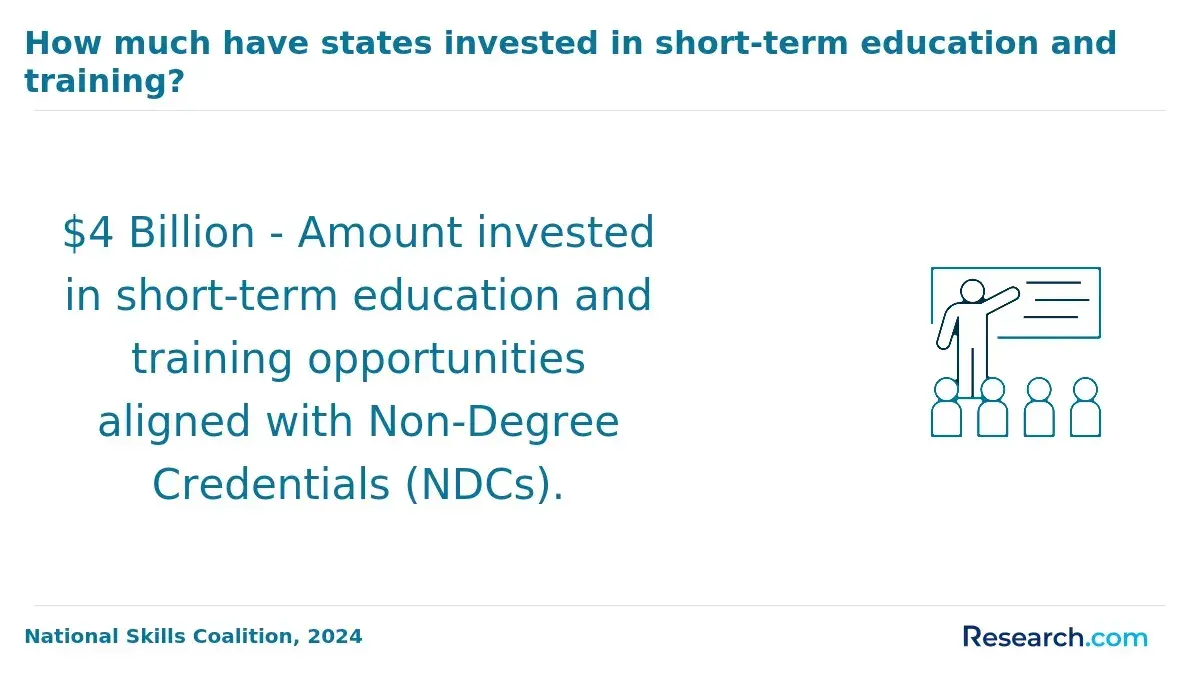
Programs that accept prior learning credits can notably reduce financial strain and accelerate completion. For example, transfer policies allowing up to 30 credits at rates like $354 per credit, reducing overall tuition to around $31,860, offer tangible cost savings. However, navigating credit acceptance requires careful documentation of military or occupational training, adding administrative complexity.
Employers prioritize candidates demonstrating both verified academic credentials and operational competence, influencing admission committees to rigorously evaluate prior training. Adults shifting careers must therefore plan for supplemental coursework and comprehensive record-keeping to align education with employer standards and financial constraints.
Critical practical considerations include balancing eligibility requirements, transfer credit utilization, and workforce readiness to make informed decisions about degree pathways tailored to specific career trajectories within homeland security.
How long do online homeland security degrees take, and what do they cost?
Completing an online homeland security master's degree demands careful balance between time, cost, and career impact. Full-time pathways take 18 to 24 months, but working professionals often extend this to 3+ years to maintain steady employment and benefits. Accelerated programs can cut completion to 12-15 months but typically require intensive commitment that conflicts with many adult schedules.
The cost per credit varies widely-from about $1,027 to $2,652-resulting in total tuition between roughly $37,000 and $95,000 for a 36-credit program. These figures exclude additional fees and materials, and real expenses fluctuate based on tuition assistance, residency, and financing approach.
For example, a federal employee leveraging education benefits may incur significantly lower net costs than a private-sector individual self-funding their study.
The steep per-credit charges correlate with access to specialized faculty and networking important for roles in counterterrorism, cybersecurity, or emergency management. However, candidates targeting regional agencies or entry-level positions might prioritize accredited, lower-cost programs to maximize return on investment.
Students should pragmatically assess their employer's tuition support, the timeline for salary improvements, and opportunity costs like income loss or family time. Tactical planning helps align degree completion with job market requirements and minimizes debt burden, a critical consideration for sustainable career pivots in the homeland security job market.
What homeland security careers can you pursue with an online degree, and in which sectors?
Careers in homeland security demand specialized education paired with practical experience and often require navigating strict hiring clearances, especially in federal roles. For instance, positions in agencies like the FBI or FEMA typically mandate background investigations and sometimes relocation, reflecting operational security priorities that extend beyond academic credentials.
Online homeland security degrees provide access to targeted knowledge crucial for roles in intelligence, emergency management, cybersecurity, and border security. Yet, graduates aiming for advancement must complement their degrees with certifications such as CEM or CISSP and accumulate interagency operational experience to meet employer expectations effectively.
Employment opportunities span distinct sectors, each with nuanced demands:
- Government careers prioritize crisis communication, infrastructure protection, and disaster coordination, requiring adaptability to bureaucratic and rapid-response environments.
- The private sector emphasizes risk assessment and business continuity within critical industries like healthcare and telecommunications, balancing security principles with regulatory compliance.
- Nonprofits focus on policy analysis and community preparedness, merging research with practical outreach.
Candidates who balance full-time work and education benefit from the scalability of online programs, but must consider tradeoffs between speed of completion and depth of applied skills relevant for supervisory or analytic roles.
The high number of graduates from programs such as Arizona State University Online illustrates market demand but also signals increasing competition, underscoring the value of combining credentials with security clearances and hands-on experience.
What are the typical salaries and job outlook for homeland security roles requiring a degree?
The salary range for homeland security roles requiring a bachelor's degree generally spans from $60,000 to $75,000 at entry-level, rising to $80,000-$110,000 mid-career depending on the sector and job function. Notably, specialized positions in corporate risk management-focusing on cybersecurity threat analysis, physical security, and regulatory compliance-tend to command salaries at the upper end of this scale due to their niche expertise.
In contrast, roles like emergency preparedness coordinators within municipal or state agencies often face more applicant competition and offer moderate salaries between $65,000 and $85,000.
Employment growth projections from the U.S. Bureau of Labor Statistics estimate a steady 6% increase in related security analyst and emergency management jobs through 2032. Geographic location exerts a significant influence, with urban and high-threat areas frequently paying 10-20% above the national average.
Candidates with practical experience or internships have a distinct advantage, underscoring that academic credentials alone may not suffice for immediate employability.
Federal positions such as TSA or FEMA roles impose additional barriers, including rigorous security clearances that often delay hiring but come with higher long-term pay and benefits.
Adults returning to college should prioritize programs integrating actionable skills and real-world projects to align with employers' expectations for versatile candidates adept at blending homeland security expertise with broader corporate risk management frameworks.
How can adults returning to college choose a reputable, flexible online homeland security program?
Adult learners selecting an online homeland security degree must weigh accreditation, employer demands, and scheduling flexibility against practical career outcomes. Accreditation from bodies like the Council on Education for Public Health or the Middle States Commission on Higher Education signals rigorous curricula and smoother credit transfers, which can be vital for professionals needing to pivot fields or leverage prior credentials.
Employers in federal agencies and private security sectors prioritize candidates with demonstrated competencies in threat assessment, emergency management, and cybersecurity. Programs offering certifications or concentrations aligned with current job market needs-such as advanced incident command system training adhering to FEMA standards or digital forensics for cybersecurity specialists-offer clearer pathways to relevant roles.
Flexibility in course delivery significantly affects working adults managing family and shift commitments. Truly asynchronous formats with multi-term enrollment and options for accelerated or paused progression better accommodate real-world schedules compared to rigid cohort models. Weekend intensives and condensed modules further serve shift workers in critical infrastructure roles.
Cost considerations demand scrutiny beyond sticker prices. Some programs exceed $400 per credit hour, while others maintain affordability without compromising quality. Access to federal aid and employer tuition reimbursement can alter net program costs substantially, impacting return on investment.
Independent rankings, such as those noted for Angelo State University, offer quantifiable reputational insight, yet evaluating curriculum relevance and faculty expertise remains critical. Mid-career emergency management professionals should engage program advisors early to align offerings with operational requirements and career goals.
Other Things You Should Know About Homeland Security
Many online homeland security programs expect 15 to 20 hours per week for coursework, which can challenge adults balancing full-time jobs and family. Programs with asynchronous classes and self-paced options better accommodate these constraints. Prioritize programs with flexible deadlines and strong academic support to avoid intense scheduling conflicts and burnout.
Employers in critical infrastructure sectors often prefer degrees that include specialized training in cyber defense and emergency management. Degrees focusing solely on policy or theory may not meet these industry expectations. When choosing a program, prioritize curricula with applied skills and sector-specific specializations to improve job market competitiveness.
If you have related experience or a bachelor's in another field, a master's degree offers deeper specialization and stronger advancement potential. However, if you lack prior relevant education or experience, starting with a bachelor's online may ensure essential basics and credentials. In either case, prioritize accredited programs with career services aligned to homeland security employers.
References
- MA Homeland Security Programs - Rosemont College https://rosemont.edu/college/academics/professional-studies/graduate/homeland-security-emergency-management-ma/
- Homeland Security Career And Salary Information https://www.criminaljusticedegreeschools.com/careers/homeland-security/
- 2025 Most Affordable Homeland Security Degrees Online https://www.onlineu.com/most-affordable-colleges/homeland-security-degrees
- Homeland Security Degree | Programs & Career Options https://www.learnhowtobecome.org/best-online-bachelors-in-homeland-security-degree-programs/
- Homeland Security Degree Online | Find Top Programs & Information https://www.firescience.org/homeland-security-degree-programs-online/
- Homeland Security Requirements (Degrees, Jobs & Salary) https://www.allcriminaljusticeschools.com/federal-law-enforcement/homeland-security/
- Bachelor of Science in Homeland Security https://asia.umgc.edu/online-degrees/bachelors/homeland-security
- Online Homeland Security Degrees: Explore Top Programs https://www.degreesforgood.org/online-degrees/homeland-security-programs/
- Online Bachelor's Degree: Homeland Security https://www.umgc.edu/online-degrees/bachelors/homeland-security