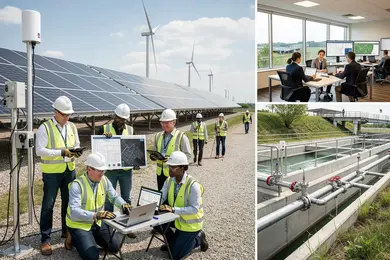
2027 Hybrid vs Fully Online Environmental Engineering Bachelor's Degree Programs

Co-Founder and Chief Data Scientist
Picture a working parent in a rural town deciding whether to log into Environmental Engineering classes after a long day or commute hours for occasional campus labs. The struggle between embracing the schedule flexibility of a fully online program and gaining hands-on experience in a hybrid format is common.
With over 45% of Environmental Engineering bachelor's degree students opting for online or hybrid formats, this choice impacts not just convenience but also mastery and career networking. This article explores how hybrid and fully online Environmental Engineering programs differ in flexibility, engagement, and accessibility to guide students toward the best fit for their goals.
Key Benefits of Hybrid vs Fully Online Environmental Engineering Bachelor's Degree Programs
- Hybrid programs offer moderate flexibility, combining scheduled on-campus sessions with online coursework, supporting better hands-on learning than fully online formats.
- Fully online programs provide minimal in-person interaction, ideal for students prioritizing remote access and self-paced study in environmental engineering fields.
- Hybrid formats often better accommodate working professionals by integrating face-to-face networking opportunities while allowing remote completion of theoretical components.
What Is a Hybrid vs Fully Online Environmental Engineering Bachelor's Degree?
Hybrid and fully online environmental engineering bachelor's degree programs differ primarily in how they deliver content, the degree of in-person interaction, and their overall learning structure. A 2023 survey by the National Center for Education Statistics found that over 45% of U.S. undergraduates took at least one online course, highlighting the growing role of digital education. The following overview compares these two popular formats to help students choose the option that fits their lifestyle and educational goals.
Hybrid Programs
- Combine online lectures and assignments with scheduled on-campus activities such as labs and group projects.
- Require students to attend specific face-to-face sessions periodically, enhancing hands-on learning.
- Demand structured time management as students balance in-person attendance with asynchronous online work.
- Offer more opportunities for direct interaction with professors and peers, improving immediate feedback and collaboration.
- Often appeal to those seeking a blend of flexibility and traditional classroom experiences within hybrid environmental engineering bachelor's degree programs.
Fully Online Programs
- Deliver all coursework entirely through digital platforms with no physical attendance required.
- Provide maximum schedule flexibility, allowing students to access lectures, discussions, and assessments anytime before deadlines.
- Rely mainly on virtual communication tools like video lectures and discussion boards for interaction.
- Suit learners who prioritize remote access and convenience over in-person engagement.
- Are sometimes highlighted in specialized online MSW programs affordable contexts but share similar accessibility benefits in STEM fields such as environmental engineering.
How Does a Hybrid vs Fully Online Environmental Engineering Bachelor's Degree Program Work?
Both hybrid and fully online environmental engineering bachelor's degree programs offer structured academic pathways that equip students with essential knowledge and skills. These programs differ mainly in their methods of course delivery and the ways students engage with instructors and peers. In fact, enrollment in fully online courses rose by over 20% between 2019 and 2022, highlighting the increasing acceptance of digital learning. Exploring the specific operational models of hybrid and fully online programs clarifies how each format supports student learning.
Hybrid Programs
- Hybrid environmental engineering bachelor's degree program structure blends online coursework with periodic in-person classes to combine flexibility and face-to-face learning.
- Students complete lectures and assignments primarily through learning management systems featuring multimedia content and interactive elements.
- On-campus sessions for labs, exams, or group projects usually happen weekly, biweekly, or monthly depending on the institution.
- Class participation involves asynchronous discussion boards alongside synchronous face-to-face interactions during campus visits.
- Communication occurs via email, video conferencing, and in-person meetings, fostering varied engagement with instructors and peers.
Fully Online Programs
- Fully online environmental engineering degree delivery methods provide all coursework remotely without required campus visits, maximizing accessibility.
- Instructional materials and assessments are hosted on digital platforms accessible anytime to support self-paced study.
- Students engage in asynchronous forums combined with scheduled live virtual sessions to encourage collaboration and interaction.
- The schedule follows semester-based or accelerated formats with specific deadlines but flexible daily engagement times.
- Instructor and peer communication relies on discussion boards, email, video chats, and web conferencing technologies.
Students exploring options in related fields might also consider accelerated social work programs, which share some flexible online and hybrid delivery features with environmental engineering degrees.
Are Admission Requirements Different for Hybrid and Fully Online Environmental Engineering Bachelor's Degrees?
Admission criteria for hybrid and fully online environmental engineering bachelor's programs tend to share many similarities, but they can differ somewhat based on how the program is delivered and institutional expectations. Variations often reflect the balance between hands-on experiences and digital learning tools. Below are key distinctions to consider.
- Academic Qualifications: Hybrid programs generally ask for evidence of practical lab experience or coursework related to physical sciences, given the necessity of some on-campus sessions. Fully online programs might offer more flexibility, often substituting virtual labs or simulations to fulfill these academic prerequisites.
- Technical Requirements: Fully online applicants are frequently required to demonstrate access to reliable computers and internet service, reflecting the program's complete reliance on digital platforms. Hybrid students usually need less stringent proof of technical readiness, as some instruction occurs face-to-face.
- Application Materials: Those applying to hybrid programs may need to provide additional documents showing their ability to attend in-person classes, such as proof of local residency or scheduling availability. In contrast, fully online candidates typically submit standard applications without such requirements.
- Program-Specific Expectations: Hybrid programs often emphasize prior experience or coursework in lab-heavy subjects, while fully online programs might prioritize adaptability and self-motivation due to the remote learning environment. Some hybrid programs also include mandatory interviews, either in-person or virtual, to assess fit, a step less common for fully online options.
One student in a fully online environmental engineering bachelor's program shared that the tech readiness check felt like a crucial first step in their journey. She noted, "I was asked to verify my computer setup and internet capability, which gave me confidence that the program was designed with remote learners in mind." Although she missed the chance for face-to-face interaction initially, the streamlined application removed uncertainties about travel and scheduling. Reflecting on the process, she appreciated the program's clarity and flexibility, saying it allowed her to focus on mastering the course content without logistical distractions.
Is the Learning Experience Better in Hybrid vs Online Environmental Engineering Bachelor's Degrees?
Hybrid environmental engineering bachelor's programs blend face-to-face classes with online learning, offering students direct access to instructors that can clarify complex topics and provide prompt feedback. This structure encourages interactions with classmates both in-person and virtually, helping to build a collaborative academic community. On-campus resources like laboratories and libraries remain accessible, supporting hands-on experiments vital to mastering environmental engineering skills. The hybrid format adapts to different learning preferences by combining practical experiences with flexible study components. Such an approach often results in a richer educational experience by leveraging diverse teaching methods and peer engagement.
Fully online environmental engineering degrees emphasize convenience and adaptability, enabling students to attend classes from any location without geographic restrictions. While real-time discussions and virtual office hours help maintain contact with instructors and peers, the online setting relies heavily on self-motivation and effective time management. Although it may reduce spontaneous face-to-face interaction, many online programs utilize advanced tools like virtual labs to simulate practical exercises required in the field. Ultimately, the success of a fully online learning environment depends on the student's discipline and the program's ability to foster meaningful virtual engagement, balancing flexibility with educational quality.
Which Is More Flexible: Hybrid or Fully Online Environmental Engineering Bachelor's Degree?
Hybrid environmental engineering programs offer a structured approach that blends online coursework with mandatory on-campus sessions, such as labs or group projects. This model requires students to plan their schedules around specific in-person commitments, which may reduce overall flexibility but provides important hands-on experience and face-to-face interaction. The coordination between remote lectures and fixed campus visits demands careful time management to meet these dual requirements.
While this format limits some scheduling freedom, it suits those who benefit from direct engagement and practical learning environments. Such programs are a key option for students seeking flexible learning options for environmental engineering bachelor's degree programs that still include campus resources. Fully online environmental engineering degrees prioritize convenience by enabling students to complete all coursework remotely, often through asynchronous formats that let learners access content anytime.
This arrangement removes geographic constraints and rigid class hours, allowing students to balance their studies with personal or professional obligations efficiently. Although some programs might require occasional live sessions or proctored exams, about 87% of online students value the freedom to set their own pace as a major advantage. Those seeking maximum schedule autonomy can explore programs like a MSW degree for comparison in flexible delivery. Fully online options appeal especially to students desiring the highest level of control over their education.
What Is the Workload for Hybrid vs Fully Online Environmental Engineering Bachelor's Degrees?
Hybrid and fully online environmental engineering bachelor's degree programs usually meet comparable academic standards, but their pacing, structure, and time management requirements can vary due to differences in content delivery. Research shows that students in online formats often dedicate about 15% more weekly hours to coursework than those in traditional settings, underscoring the need for effective self-discipline. These factors influence how students approach their studies in each format.
In hybrid programs, the workload is split between scheduled in-person classes and online activities. Students must attend regular on-campus sessions that provide a fixed schedule, helping to establish consistent study habits. This structure often promotes better time management since classroom meetings create accountability. Meanwhile, the online portion involves completing readings, projects, and assessments remotely, offering some flexibility but still following a clear rhythm dictated by class attendance.
Fully online environmental engineering programs rely mainly on asynchronous learning, requiring students to engage with lectures and submit assignments digitally on their own schedules. The absence of fixed class times offers convenience but places greater responsibility on students to set and maintain study routines. Many online learners find they spend additional hours collaborating and conducting research outside typical classroom hours, making strong self-regulation and motivation essential to keep up with coursework and deadlines.
How Does Tuition Compare for Hybrid vs Online Environmental Engineering Bachelor's Degrees?
Tuition for hybrid and fully online environmental engineering bachelor's degree programs varies based on delivery format, institutional policies, credit requirements, and additional fees. Generally, fully online programs offer a slightly lower overall tuition cost, with some universities providing online credits at discounted rates. Data shows that per-credit tuition for online courses can be up to 15% less expensive than hybrid counterparts, reflecting reduced campus facility usage.
- Per-Credit Costs: Online environmental engineering courses typically have lower per-credit tuition than hybrid programs. Hybrid formats include in-person sessions and charge higher rates to cover facility upkeep and staffing.
- Technology and Campus Fees: Students in hybrid programs often faceadditional campus or lab fees related to physical resource access. Meanwhile, fully online students usually pay modest technology fees supporting digital platforms.
- Residency or Facility Charges: Some hybrid programs impose fees tied to campus residency or lab usage, increasing total expenses. Fully online learners avoid these charges by studying remotely.
- Payment Flexibility: Online programs are known for flexible payment plans tailored to remote learners' needs, enabling more adaptable financial arrangements than many hybrid programs.
A graduate of a hybrid environmental engineering bachelor's degree shared that managing unexpected campus fees was challenging at times. He recalled, "I wasn't fully prepared for extra lab fees that came due each semester, which added to the stress of budgeting." Despite these hurdles, he appreciated the in-person lab experience but noted the financial unpredictability meant carefully tracking expenses throughout his studies. "Balancing the convenience of hybrid classes with also covering all the fees required some real planning," he said, highlighting the importance of understanding tuition details before committing to a hybrid format.
Do Employers Prefer Hybrid or Fully Online Environmental Engineering Bachelor's Degrees?
Employer attitudes toward hybrid and fully online environmental engineering bachelor's degrees have evolved significantly as online education gains wider acceptance. A 2023 survey by the National Association of Colleges and Employers found that nearly 80% of employers now view online degrees as equally valid to traditional ones. This growing acceptance sets the stage to compare how employers perceive hybrid versus fully online environmental engineering degree formats.
- Hands-On Experience: Hybrid programs combine in-person and online coursework, offering practical lab work and direct collaboration. Employers often prefer this balance as it better replicates real-world engineering environments.
- Flexibility and Accessibility: Fully online degrees provide convenience, accommodating students from diverse locations or schedules. This flexibility is valued but sometimes raises concerns about the depth of practical training.
- Reputation and Curriculum: Employers focus more on the institution's reputation and the rigor of the curriculum than the delivery method. Both degree types can demonstrate candidate competence if program quality is high.
- Employment Opportunities: Graduates with hybrid degrees often have a slight edge in job prospects due to perceived hands-on skills, but fully online graduates are gaining ground as industry needs evolve.
Students weighing degree options should prioritize accredited programs that offer practical engineering skills and real-world experiences. Those seeking 6 week college courses online might find hybrid formats particularly beneficial for balancing diverse learning preferences and schedules. Evaluating which degree format leads to better employment opportunities in environmental engineering fields depends largely on how well the program aligns with workforce demands and student goals.
Who Should Choose a Hybrid vs Fully Online Environmental Engineering Bachelor's Degree?
The choice between hybrid and fully online environmental engineering bachelor's degree programs depends largely on individual learning preferences, schedule flexibility, and lifestyle needs. Selecting the right format can significantly affect a student's success and satisfaction. Understanding which type of student benefits most from each option helps clarify this decision.
- Collaborative Learners: Students who thrive on regular in-person interaction with professors and peers find hybrid programs ideal. The face-to-face engagement enriches their understanding through hands-on labs and real-time discussions.
- Flexible Schedulers: Individuals seeking a balance between structure and convenience benefit from hybrid options. They can attend essential on-campus sessions while managing other commitments remotely.
- Remote Workers: Fully online programs suit working professionals who need maximum flexibility. These students can study from any location and adjust their pace to fit full-time jobs and family responsibilities.
- Rural Residents: Students living far from campuses or in areas where commuting is impractical often turn to fully online degrees. This option reduces travel burdens while providing access to quality education.
- Self-Motivated Learners: Those who excel in digital environments and maintain discipline without direct supervision are well-suited for fully online study. They embrace independence and time management skills.
- Hands-On Experience Seekers: Learners desiring practical, real-world exposure enjoy hybrid environmental engineering bachelor's degree programs that incorporate labs and fieldwork into the curriculum.
Prospective students weighing these options should also explore specialized educational resources such as ASHA approved SLP programs for understanding how program structures vary across fields and institutions. Whether prioritizing flexibility or engagement, clearly evaluating one's priorities is essential when choosing between hybrid and fully online formats in environmental engineering.
How Can I Succeed in a Hybrid vs Fully Online Environmental Engineering Bachelor's Degree Program?
Success in hybrid versus fully online Environmental Engineering bachelor's programs involves adapting to their distinct structures and interaction levels. Hybrid formats combine in-person sessions with online coursework, while fully online programs require independent engagement without scheduled classroom time. These differences shape how students manage study routines, communicate, and use technology to excel.
- Consistent Attendance: Hybrid students should maintain reliable campus presence to benefit from face-to-face discussions and hands-on labs, enhancing comprehension and networking.
- Dedicated Workspace: Fully online learners need a quiet, distraction-free area to focus during virtual lectures and assignments, fostering better concentration.
- Time Management: Both formats require organized scheduling-hybrid students juggle mixed deadlines, while online learners must create structured study blocks to avoid procrastination.
- Active Engagement: Regular interaction with instructors and classmates through emails, forums, or in-person meetings helps deepen understanding and build support, vital for all students.
- Digital Tool Use: Leveraging project management apps, collaboration platforms, and simulation software aids both hybrid and online students, with hybrid learners also balancing physical and virtual resources.
- Self-Motivation: Online students especially benefit from strong discipline to stay on track without fixed class times, while hybrid students manage transitions between modalities efficiently.
What Graduates Say About Hybrid vs Fully Online Environmental Engineering Bachelor's Degree Programs
- Taylor: "Choosing a fully online environmental engineering degree was crucial for me since I needed a flexible schedule to balance work and family. The program's interactive virtual labs and resource accessibility truly made the learning experience seamless despite the distance. Graduating has opened doors to innovative environmental consulting roles that value my self-motivation and technical skills developed remotely."
- Cruz: "Pursuing a hybrid environmental engineering bachelor's allowed me to engage in hands-on fieldwork while benefiting from the convenience of online lectures. Navigating this mix sometimes meant juggling intense study sessions with in-person labs, but it reinforced my problem-solving abilities. Professionally, this blend made me more adaptable, giving me confidence in both collaborative and independent project environments."
- Luka: "As someone passionate about sustainability but living in a remote area, the fully online environmental engineering program was my best option. The supportive faculty and well-structured curriculum helped me stay on track without feeling isolated. Today, I apply the advanced data analysis and design techniques I mastered in my role as an environmental project manager."
Other Things You Should Know About Environmental Engineering Degrees
In 2027, hybrid programs generally offer more hands-on learning opportunities, including lab work and field studies, which can be crucial for an environmental engineering career. Fully online programs may incorporate virtual labs but might lack the depth of practical experience available in hybrid formats.
Hybrid environmental engineering programs often require students to attend on-campus sessions ranging from a few days to several weeks per semester in 2027. These residency sessions typically involve lab work and interactive seminars, providing essential hands-on educational experiences.
In 2027, hybrid programs may offer more robust international study options due to in-person components, while fully online programs might provide virtual global classrooms. Availability varies by institution, so prospective students should check specific program offerings for international opportunities.
Fully online programs require reliable internet access, a capable computer, and often specific software for simulations and data analysis. Hybrid programs share these requirements but also expect students to attend campus sessions, so transportation and schedule coordination are necessary. Additionally, hybrid students might use on-campus resources such as specialized lab equipment, which are unavailable in fully online formats.
References
- Environmental Engineering (B.Eng.) IU Distance Learning - flexible & recognised https://www.fernstudi.net/en/onlinestudies/technology/civilengineering/18040
- Environmental Engineering: Bachelor, Associate & Online Degree Info https://learningpath.org/articles/Environmental_Engineering_Bachelor_Associate_Online_Degree_Info.html
- Environmental Engineering vs Civil https://talk.collegeconfidential.com/t/environmental-engineering-vs-civil/1144371
- Environmental Engineering Degree - Online Guide https://typesofengineeringdegrees.org/environmental-engineering/
- Environmental/Environmental Health Engineering Graduate Program Tuition https://www.collegetuitioncompare.com/amp/graduate/environmental-environmental-health-engineering/
- Difference between Hybrid, Online & In-Class Degree Programmes | BSBI https://www.berlinsbi.com/blog/what-is-the-difference-between-hybrid-online-and-in-class-degree-programmes
- Hybrid class vs. online: Choosing the best for your student https://www.asuprepdigital.org/blog/hybrid-class-vs-online/
- Environmental Engineering (B.Eng.) https://www.hof-university.com/studying-at-hof-university/our-degree-programs/environmental-engineering-beng.html