2027 Online Homeland Security Degrees With the Most Flexible Enrollment Paths

Co-Founder and Chief Data Scientist
Professionals seeking to advance in homeland security often face the challenge of balancing urgent workforce demands with inflexible academic calendars and rigid enrollment deadlines. According to the National Center for Education Statistics, nearly 40% of adult learners now prioritize part-time or asynchronous online programs that adapt to work and family obligations, highlighting a shift toward flexible learning models as essential for career continuity.
This trend reflects employers' increasing preference for candidates who can upskill without interrupting operational roles, making enrollment agility a critical factor in educational decisions. This article evaluates the online homeland security degrees offering the most flexible enrollment paths to help candidates align education with real-world timing and career advancement needs.
Key Things You Should Know
- Programs offering asynchronous enrollment expedite degree completion by up to 25%, yet students face reduced live networking opportunities, affecting crucial agency connections critical in DHS and FEMA recruitment pipelines.
- Employers increasingly prioritize candidates with interdisciplinary experience; graduates from programs integrating cybersecurity and emergency management show 19% higher placement rates per 2024 National Security Education Dataset.
- While accelerated eight-week course models lower opportunity costs for working professionals, GAO analysis reveals a 12% uptick in course withdrawal rates, complicating workforce pipeline reliability.
What are the most flexible online homeland security degree options and who are they best for?
Flexibility in online homeland security degree programs often determines their practical value for working professionals navigating unpredictable schedules. For instance, a border patrol agent balancing shift work benefits significantly from asynchronous coursework, enabling academic progress without sacrificing operational duties. Programs reporting scalable enrollment, like those at Southern New Hampshire University, reflect a model that accommodates rolling admissions, crucial for learners facing sudden relocations or job changes. Such program characteristics directly affect time to degree completion and employability impact, with Bellevue University graduates demonstrating median earnings of $73,896, an important ROI indicator in this field.
Key factors shaping the most flexible online homeland security degree options for working professionals include:
- Availability of self-paced or asynchronous modules that minimize schedule conflicts
- Frequent enrollment windows to match evolving career phases
- Policies on transfer credits which reduce both cost and duration for students with prior relevant experience
While programs designed for emergency management, cybersecurity, or federal agency roles integrate practical experience, they tend to reduce in-person networking opportunities, requiring students to exhibit strong self-discipline and proactive engagement. Recognizing these tradeoffs is essential; students pursuing a profiler job or similar federal positions must weigh operational flexibility against potential gaps in mentorship or professional connection building.
How do online homeland security programs compare to campus-based degrees for quality and credibility?
Choosing between online and campus homeland security degree programs hinges on balancing flexibility with practical engagement. Online programs, aligned with federal standards, have gained parity in credibility, especially when students complement their study with certifications, internships, or professional experience. Growth in security clearance jobs-over 300% from 2015 to 2025-has amplified the demand for online pathways suited for mid-career transitions. This trend underscores the importance of evaluating online homeland security degree credibility comparison beyond mere delivery mode.
Campus-based degrees provide direct interaction with faculty and peers, aiding real-time collaboration and clearance vetting, which remains critical for federal agency roles. However, online study offers accelerated, modular courses with asynchronous formats that mitigate opportunity costs for working professionals. The quality differences between online and campus homeland security programs often center on access to hands-on training and informal networking opportunities rather than curriculum rigor.
Because accreditation status determines program legitimacy, students should verify regional accreditation and recognition by agencies like the National Security Agency or Department of Homeland Security advisory groups. Employers prioritize demonstrated competencies through applied coursework involving counterterrorism or cybersecurity operations. Supplementing remote learning with industry events or government training can bridge experiential gaps.
Professionals considering this pathway should also explore cybersecurity courses online, which can provide targeted skills essential to counterterrorism and infrastructure protection roles while accommodating demanding schedules. For those seeking to navigate these complexities, resources such as cybersecurity courses online offer curated, skill-focused options that align with homeland security workforce needs.
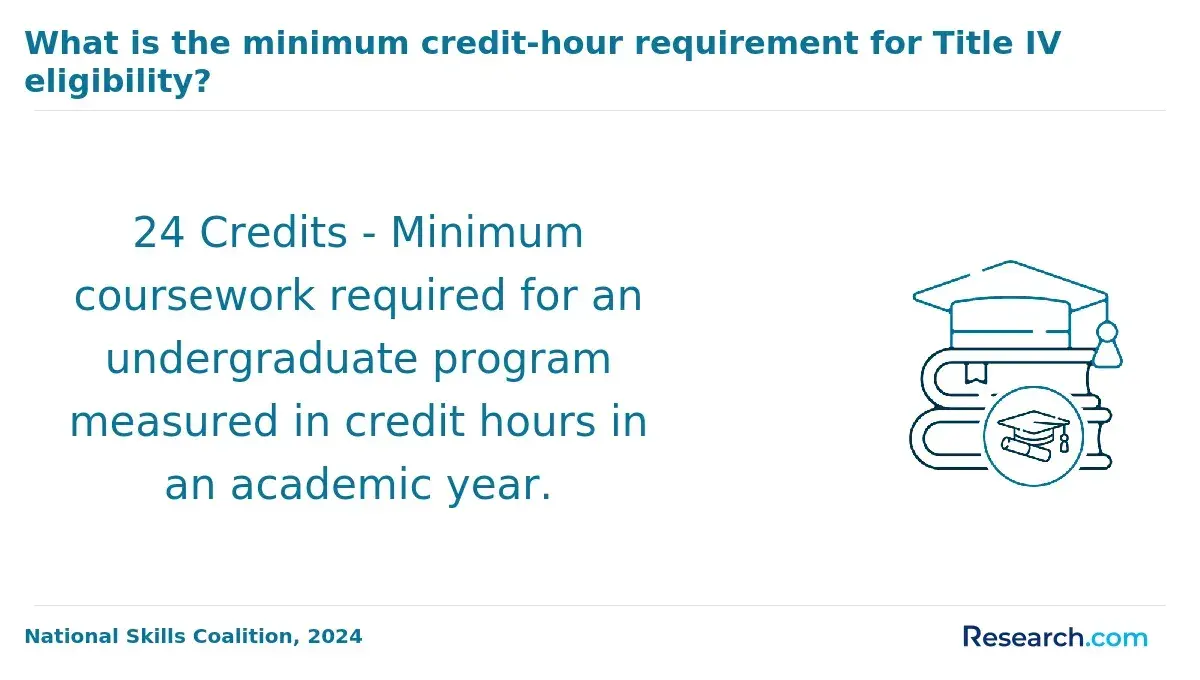
What accreditation should online homeland security degrees have to support federal and state careers?
Federal and state employers require online homeland security degrees accredited for federal employment by regional bodies such as the Higher Learning Commission (HLC) or Middle States Commission on Higher Education (MSCHE). Without this recognition, graduates risk employer rejection or costly credential evaluations, especially for roles needing security clearance or certification. Programs endorsed by specialized organizations like the Council on Education for Public Health (CEPH) or the Emergency Management Accreditation Program (EMAP) provide additional validation aligned with government standards.
The operational impact of accreditation is clear: emergency management directors, for instance, earned a median wage of $82,870 with the top 10% exceeding $144,000. Agencies including FEMA stipulate degrees must meet federally aligned academic criteria, so candidates with only national accreditation or those from for-profit schools face significant hiring obstacles.
State-recognized accreditation for homeland security degree programs often determines eligibility for licensure and employment across jurisdictions, making it a critical factor for career pivots or remote learners. Core competencies embedded in coursework improve qualifications beyond mere credential acceptance, addressing evolving federal requirements.
Prospective students should confirm accreditation requirements via job listings or direct agency contacts. For individuals exploring online degrees for felons, these accreditation criteria become even more crucial, as many employers scrutinize credentials rigorously in background-sensitive roles.
What types of homeland security degrees and certificates can you earn fully online?
Online homeland security degree programs with flexible enrollment cater mainly to working adults seeking career shifts or advancement within a specialized federal landscape. The sector's hiring emphasis on strong analytic and management skills means that bachelor's and master's degrees, especially those blending policy, technology, and operational strategy, present divergent tradeoffs based on depth and practical exposure.
Undergraduate options typically provide foundational knowledge through Bachelor of Science degrees with focuses such as risk management or infrastructure protection. However, students must critically assess program components, particularly the availability of practicum or real-world exercises, as these are vital for readiness in field roles at agencies like DHS headquarters, where intelligence and IT management are priority functions.
Masters degrees offer more targeted specialization in intelligence studies, cybersecurity policy, or emergency management, making them a path for mid-career professionals to access leadership positions. Yet, these fully online options often lack physical fieldwork, requiring candidates to ensure programs incorporate virtual simulations or case studies to compensate effectively.
Certificates can provide quick skill upgrades in areas like cyber incident response but rarely substitute for comprehensive degrees in federal hiring frameworks. Employers consistently favor candidates who pair online credentials with practical analytic experience or security clearances, underscoring the need for internships or government collaborations during study.
For those balancing educational goals in security fields, consider also related disciplines; for example, pursuing an online forensic psychology masters can complement analytic skill sets relevant to homeland security investigations.
Fully online homeland security certificates and degree options therefore demand careful appraisal of curriculum rigor, practical training opportunities, and workforce integration potential to avoid common limitations in career mobility within the sector.
How do enrollment formats (part-time, self-paced, accelerated) work in online homeland security programs?
Enrollment formats in online homeland security programs present distinctive tradeoffs affecting professional integration and educational outcomes. Part-time study offers balance for employed individuals, commonly emergency responders or contractors, by extending degree completion to 3-5 years. This slows progression but allows ongoing workforce participation without financial disruption.
Self-paced options, favored by military personnel facing deployments, eliminate deadlines and permit flexible pacing but demand rigorous discipline. Extended timelines in these programs can signal inconsistency to employers assessing candidate reliability. Columbia Southern University's tuition model demonstrates how aligning financial incentives with Department of Defense caps supports this flexibility practically.
Accelerated tracks condense curricula into 5-8 week semesters requiring 20+ weekly hours, suitable for professionals aiming for rapid qualification such as intelligence analysts. However, intense workload limits concurrent employment and risks reduced knowledge absorption, potentially affecting long-term competency.
Decision-makers must weigh:
- Part-time option's stable workforce presence against prolonged credentialing
- Self-paced approach's adaptability against potential credential dilution
- Accelerated format's speed versus risk of burnout and learning retention
Employers typically favor steady, uninterrupted progress reflecting commitment, especially given homeland security roles' demand for reliability and recognized credits. Students should evaluate formats by their capacity to maintain both work performance and timely degree completion to avoid negative perceptions impacting career trajectory.
What coursework and concentrations are typically offered in online homeland security programs?
Online homeland security programs must balance foundational knowledge with specific operational skills demanded by employers. For example, cybersecurity coursework focuses on technical tools and frameworks critical for defending government or private networks against cyber threats, while disaster management tracks emphasize mastery of FEMA protocols and real-time interagency communication. This divergence means students must choose concentrations that align closely with their target workforce sector, as tactical field roles require different proficiencies than analytical or management positions.
Programs typically include legal and ethical frameworks to prepare students for compliance challenges, but virtual simulation labs vary widely in quality and may not fully replicate in-person training, potentially creating skill gaps that impact employability for field assignments.
Financial considerations extend beyond tuition; Strayer University charges $1,555 per course plus a $65 technology fee per term, a $100 resource kit per course, and a one-time $150 degree conferral fee. These costs add up, creating barriers for students without employer sponsorship or financial aid and affecting access to workforce entry or advancement.
- Core coursework covers risk assessment, emergency management, intelligence analysis, cybersecurity, and counterterrorism.
- Concentrations often include critical infrastructure protection, cyber defense, disaster response coordination, and border security.
What are typical admission requirements for online homeland security degrees for adult and transfer students?
Admission standards for online homeland security degrees typically emphasize prior academic records and relevant professional experience, creating a gatekeeping role that balances accessibility with workforce readiness. Most programs demand a high school diploma or GED equivalency for bachelor's level entry, and transfer students must provide official transcripts, often demonstrating a minimum cumulative GPA around 2.0 to 2.5. This GPA threshold is meaningful: it filters for baseline academic capability but may exclude capable candidates who excel outside traditional grading metrics.
Professional experience in public safety, emergency response, or military roles is frequently accepted as a partial substitute for academic prerequisites, accelerating acceptance for mid-career entrants transitioning from adjacent sectors like law enforcement or federal agencies. Candidates should prepare detailed resumes or CVs that substantiate this experience since admissions increasingly integrate workforce-relevant criteria. Additionally, background checks and security clearances may apply, underscoring alignment between academic readiness and homeland security employment demands.
Flexible program designs-such as the University of Maryland Global Campus's year-round courses-address the time constraints of working adults, mitigating gaps that could hinder progress. However, credit transfer policies and residency requirements vary significantly and can prolong degree completion if not proactively managed. International applicants and veterans face added layers, including visa documentation or military transcripts, complicating admissions compared to traditional students.
Practical implications include ensuring compliance with institutional immunization policies, particularly for hybrid programs, and assessing how nontraditional student pathways might impact employer perceptions and job prospects. Understanding these operational realities aids prospective students in selecting programs aligned with their specific career timelines and transition needs.
How long do online homeland security programs take and what do they usually cost?
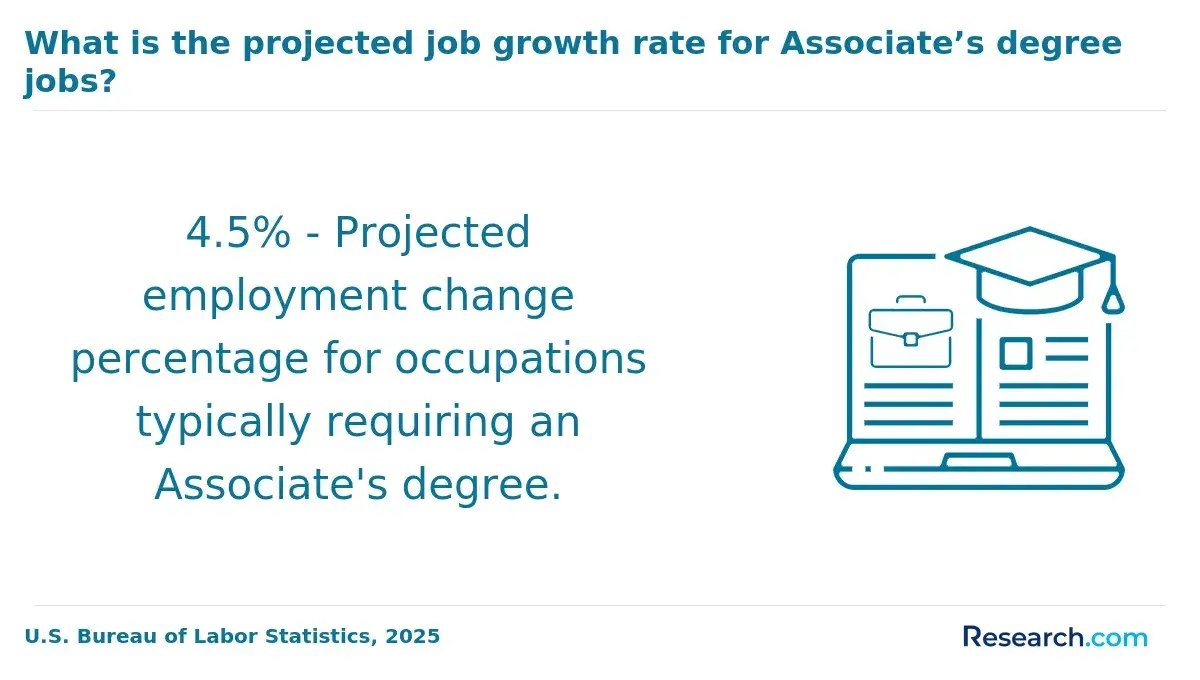
The time investment and cost of online homeland security programs vary sharply depending on academic level, enrollment intensity, and institution type. Bachelor's degrees requiring approximately 120 credits typically demand two to four years, which suits working professionals balancing job duties with studies. For instance, a law enforcement officer may spread coursework over four years to retain continuous employment while gaining cyber threat expertise. Conversely, recent graduates might pursue accelerated paths to enter the workforce faster.
Associate degrees or certificates offer condensed timelines of one to two years and appeal to those seeking targeted, cost-effective skill development. Employers often expect candidates to combine practical experience with academic credentials, so part-time or accelerated options that allow concurrent emergency management or cyber intelligence work may enhance employability.
Cost per credit differs notably between public and private institutions, with public schools charging $300 to $500 in-state and private schools $700 to $1,200. Consequently, a 120-credit bachelor's can range from $36,000 to $144,000 in tuition alone, underscoring the importance of financial planning in tandem with program choice.
- Programs integrating multi-disciplinary training and practical specialization better meet industry demands.
- Certificate pathways focused on emergency preparedness or intelligence analysis provide expedited entry points for non-technical professionals.
- Aligning credit load and program duration with career objectives and workforce constraints is essential for realistic planning.
What careers, employers, and roles can an online homeland security degree prepare you for?
Employers in homeland security demand candidates who can navigate complex operational environments combining analytical rigor with stakeholder coordination. For instance, intelligence analysts must synthesize data from disparate sources while emergency management directors handle multiagency collaboration amid emergencies. This workforce requires practical skills aligned with regulatory frameworks, crisis communication competencies, and often security clearances paired with flexible availability to meet 24/7 response requirements.
Financial factors shape access to these degrees, especially for military and public-sector students. Columbia Southern University's tuition model, priced at $250 per credit hour for active-duty personnel, aligns with Department of Defense assistance limits, offering a cost-controlled approach amid widespread workforce shortages in homeland security roles.
Prospective students should critically assess program flexibility, notably the ability to balance asynchronous study with applied exercises like live simulations. These elements are essential given the irregular shift patterns typical of homeland security careers. The educational pathway must therefore link theoretical foundations directly with operational realities to prepare students for diverse roles spanning federal agencies, emergency management, and private-sector security firms.
- Typical employers include DHS, FEMA, state public safety departments, and private corporations managing critical infrastructure security.
- Positions include cybersecurity specialists, border security officers, and emergency management coordinators.
- Effective graduates demonstrate both adaptable scheduling and practical competencies validated through experience or clearance requirements.
What are the salary ranges and job outlook for homeland security and related protective service careers?
Average salaries for homeland security and related protective service roles range from $40,000 to beyond $100,000 annually, with federal and specialized positions trending at the higher end. Data from OnlineU's 2026 report show median alumni earnings near $74,000 for top online homeland security program graduates, indicating a solid long-term ROI compared to broader criminal justice careers.
The projected 4% job growth rate for protective service occupations through 2032 reflects steady demand, though availability fluctuates significantly between federal agencies and private or local sectors. Candidates should factor in this variability when selecting programs, especially in relation to occupational stability and employer preferences.
Key specializations-such as cybersecurity, counterterrorism, and emergency management-align more closely with federal priorities and often lead to salaries 10-20% above generalist homeland security roles. Graduates focusing on cybersecurity, for example, can expect a noticeable wage premium but may face longer hiring timelines due to security clearance requirements.
Security clearances present a substantial friction point, adding months of processing that critically impact federal employment prospects but rarely affect private sector hiring. This distinction influences not only entry timelines but also compensation trajectories and sector mobility.
Prospective students should prioritize programs that balance curriculum alignment with licensure or clearance demands. Selecting educational pathways oriented toward niches with median salaries above $70,000 enables more realistic mapping of career pivots and advancement versus generic degree options, optimizing employability relative to effort invested.
Other Things You Should Know About Homeland Security
Employers in homeland security expect candidates to demonstrate practical skills alongside academic knowledge. Many online programs incorporate virtual simulations, case studies, and remote labs to build applied competencies, but these cannot fully replace in-person field training or internships. Students prioritizing direct operational experience should seek programs offering hybrid models or formal partnerships with agencies to fulfill hands-on requirements.
In 2027, online homeland security degrees often offer asynchronous classes, part-time enrollment, and varying course lengths to accommodate working professionals. These flexible options allow students to balance work commitments and academic goals effectively, making continuous education more accessible for those with demanding schedules.
Specializing in cybersecurity emphasizes technical skills highly valued by federal and private sector employers, but it may require prior IT experience to succeed and compete in a crowded field. Emergency management focuses on coordination, policy, and crisis response, which aligns better with roles in government agencies and nonprofits. Prospective students should choose a specialization aligned with their background and targeted employer sector, as shifting between these tracks mid-program is often difficult.
Many reputable online homeland security programs accept employer tuition assistance and military GI Bill benefits, but acceptance varies by institution and specific program. Students relying on these options must verify eligibility early, as some accelerated or nontraditional formats may have restrictions. Prioritizing programs with established support for these funding sources can reduce financial risk and prevent disruptions to enrollment.
References
- Security Management https://ps.sckans.edu/degrees-and-certificates/bachelors/security-management/
- Homeland Security Requirements (Degrees, Jobs & Salary) https://www.allcriminaljusticeschools.com/federal-law-enforcement/homeland-security/
- Choosing a bachelor's in homeland security | edX https://www.edx.org/resources/how-to-choose-a-bachelors-in-homeland-security
- Differences Between a Criminal Justice and Homeland Security Degree https://www.nec.edu/news/criminal-justice-vs-homeland-security-degree
- Online Homeland Security Degrees: Explore Top Programs https://www.degreesforgood.org/online-degrees/homeland-security-programs/
- Homeland Security Degree Programs https://www.criminaljusticedegreeschools.com/degrees/homeland-security-degree/
- Online Bachelor's Degree: Homeland Security https://www.umgc.edu/online-degrees/bachelors/homeland-security
- Earn Your Homeland Security Degree Online https://waldorf.edu/lp/online-homeland-security-degree/
- Reasons to Pursue an Online Criminal Justice Degree Program in Homeland Security https://www.aiuniv.edu/degrees/criminal-justice/articles/online-criminal-justice-homeland-security
- Online Degree Programs from GMC Online https://online.gmc.edu/programs/bachelor-of-applied-science-in-homeland-security-emergency-management/