2027 Homeland Security Degrees That Work Best for Prior-Service Professionals

Co-Founder and Chief Data Scientist
Experienced professionals leaving military or law enforcement roles face a pressing challenge: securing a homeland security degree that advances their career without sacrificing current employment or family time. With adult learners making up over 40% of postsecondary enrollments nationwide, according to the National Center for Education Statistics, this signals a clear shift toward flexible, often online, programs tailored to working students.
Such trends reshape access by reducing barriers tied to location and scheduling, yet not all degrees translate equally into enhanced job prospects or clear career transitions. This article evaluates which homeland security degrees best align with prior-service professionals' needs for flexibility, credential value, and employment outcomes.
Key Things You Should Know
- Only 42% of prior-service learners complete homeland security degrees within four years, per the National Center for Education Statistics, revealing a tradeoff between accelerated career pivoting and academic intensity.
- Employers in federal agencies prioritize candidates with degrees emphasizing cybersecurity or counterterrorism analytics, creating workforce entry barriers for graduates from broadly scoped programs with less technical depth, according to DHS hiring data.
- The average total cost for bachelor's credentials tailored to veterans is 15-20% higher than general tuition rates due to required certifications and tech labs, impacting timing and financial planning for transitioning service members, as shown by VA education benefit analyses.
Which homeland security degrees best match prior-service military and law enforcement experience?
Cybersecurity and information security degrees provide the most direct employment pathway for prior-service military and law enforcement veterans seeking homeland security roles. These programs translate operational expertise-such as threat analysis, intelligence gathering, and technical investigations-into civilian qualifications aligned with employer demand.
For example, information security analyst positions are expected to grow 32% from 2022 to 2032 with a median annual wage of $112,000, demonstrating tangible workforce leverage for professionals with these credentials.
Veterans benefit when degrees integrate fundamentals like incident response, risk management, and digital forensics, as their prior experience often matches these core competencies. Conversely, homeland security degrees focused on intelligence studies or counterterrorism require supplementary training in data analytics and cybersecurity to maintain relevance.
Leadership-oriented degrees in public safety or emergency management suit those pivoting towards disaster response roles but historically offer lower salary potential compared to cybersecurity-focused programs.
Non-technical individuals should weigh the demands of continuous certification and evolving technical prerequisites inherent in cybersecurity fields. Military or law enforcement backgrounds that included computer network operations accelerate transition into these careers, reducing friction.
To assess total educational investment from a cost perspective, prospective students can consult resources such as the criminal justice degree cost guide, which contextualizes expenses alongside program outcomes.
Overall, the best homeland security degrees for military and law enforcement veterans balance practical skill application with labor market growth, factoring in realistic personal and professional tradeoffs.
How does prior service translate into transfer credit and advanced standing in homeland security programs?
Transfer credit evaluation for prior military service in homeland security programs is a critical factor shaping veterans' academic and career timelines. Many institutions grant advanced standing opportunities for veterans in homeland security degrees by assessing Joint Services Transcript (JST) records and ACE credit recommendations, allowing exemptions from foundational courses aligned with military occupational specialties.
For instance, a veteran with intelligence analysis experience may skip basic cyber defense classes and proceed directly to advanced electives, effectively reducing both degree duration and tuition expenses.
This process, however, is uneven across institutions and demands detailed documentation and coordination with military education offices and university registrars. Technical competencies tend to receive more credit recognition than leadership or operational planning skills, which often require further academic validation.
Without explicit transfer credit policies, veterans risk duplicative coursework and delayed workforce entry, impacting financial sustainability and career momentum in homeland security roles.
The U.S. Department of Homeland Security notes that over 20% of veterans hired in FY2024 qualified through focused veteran recruitment initiatives, demonstrating a preferential pipeline for those with practical skills backed by relevant credentials. For mid-career military professionals, prioritizing programs with clear military credit articulation reduces redundancies and optimizes employability.
Veterans aiming to accelerate their transition should also consider an accelerated cyber security degree online, combining military experience with targeted academic qualifications to meet the evolving demands of homeland security employers.
What homeland security career paths are most accessible and rewarding for prior-service professionals?
Prior-service veterans aiming to pivot into homeland security career opportunities benefit most by focusing on roles where their military skills offer direct operational advantages. Emergency management, cybersecurity, and intelligence analysis stand out because they closely align with prior experience, enabling a smoother transition and faster progression.
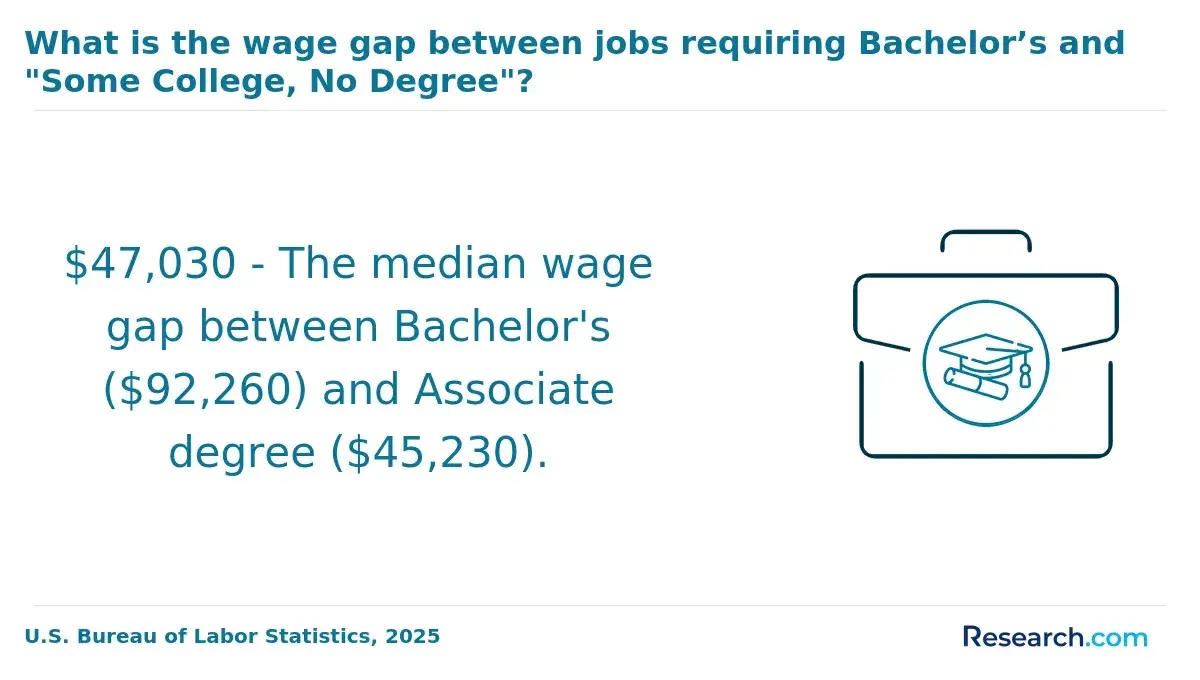
Those pursuing the best homeland security degree paths for military veterans should recognize that holding a bachelor's degree typically positions candidates for entry-level or support roles that limit upward mobility. Conversely, master's programs broaden access to strategic and leadership positions with median salaries ranging roughly from $55,000 to $115,000, compared to $39,000 to $75,000 for bachelor's holders.
For example, transitioning military personnel with IT or signals intelligence backgrounds find cybersecurity analyst roles demanding advanced competencies in threat detection-skills often developed in graduate studies. Similarly, intelligence analysis careers leverage military intel experience but require advanced data fusion and counterterrorism expertise to meet federal and private sector standards.
Practical considerations also shape outcomes: accreditation for federal employment, flexibility of delivery formats, and alignment with certifications like FEMA's Professional Development Series materially influence career trajectory and return on investment.
For individuals evaluating specialized or adjacent fields, understanding what can you do with a master's in forensic psychology may broaden interdisciplinary opportunities within homeland security applications.
What are the key admission requirements for homeland security degrees aimed at experienced veterans?
Admission criteria for homeland security degrees heavily favor experienced veterans by leveraging prior military service as a foundational qualifier. Programs typically require proof of honorable discharge or current active duty status, combined with 24 to 60 transferable undergraduate credits. This accommodates veterans' unique academic backgrounds and minimizes redundant coursework, facilitating faster completion and improved professional relevance.
Required qualifications for prior-service professionals in homeland security programs often include a minimum GPA of 2.5, official transcripts, and completion of general education prerequisites such as English and mathematics.
Real-world experience is frequently validated through skill assessments or professional recommendations related to security, intelligence, or emergency management, which weigh heavily in admissions decisions. Candidates with specialized federal law enforcement backgrounds may bypass basic courses, allowing them to focus on advanced areas like cyber defense or counterterrorism, a practical tradeoff considering time constraints and career pivot efficiency.
Veterans should assess programs that align admission standards with their service history to avoid unnecessary repetition while meeting employer expectations for credentials. For instance, graduates of The George Washington University College of Professional Studies' homeland security bachelor's degree completion program achieve median salaries of $95,000, highlighting economic incentives tied to selecting rigorous, veteran-tailored curricula.
Those exploring allied fields may also benefit from considering an environmental health and safety bachelor degree online as a complementary option, broadening career pathways within the security and safety spectrum.
How do online homeland security degrees compare to campus programs for working prior-service adults?
Choosing an online homeland security degree demands weighing significant tradeoffs between flexibility, cost, and experiential depth. Online formats afford working prior-service adults the ability to maintain employment and family commitments while applying coursework directly to their current roles-this real-time skill integration is a distinct advantage. However, these programs require strong self-discipline and time management without the structured environment of campus study.
Cost differentials are considerable: private bachelor's programs average over $31,000 annually, more than triple the $9,139 in-state tuition at public institutions, which often qualify for GI benefits and federal aid. Yet, public programs usually require physical presence, potentially disrupting work schedules and family life.
Employers in homeland security increasingly accept accredited online degrees, but subfields like cyber defense or emergency management often prefer candidates with hands-on training available through campus labs and internships.
For example, a retired military professional pivoting to federal emergency management might gain more from campus-based programs with agency partnerships, while a security analyst focused on policy development can capitalize on fully online coursework without pausing their career.
What core courses and specializations in homeland security build on military or policing skills?
Core courses in homeland security degrees translate military or law enforcement skills into frameworks for managing complex responses involving multiple agencies. Subjects like incident command systems, intelligence analysis, risk assessment, and crisis communication retool operational knowledge for strategic leadership roles.
Specialized tracks-counterterrorism, cyber defense, infrastructure protection-expand expertise into evolving threat landscapes, bridging gaps for veterans moving into civilian cybersecurity or resilience functions. For instance, a former military intelligence analyst can leverage advanced intelligence fusion coursework to enhance real-time data synthesis and interagency coordination.
Transitioning professionals face challenges adapting from tactical roles to coordination and policy functions, necessitating training in legal frameworks, intergovernmental relations, and emergency management. Cybersecurity specializations require foundational IT skills often absent in traditional military or policing backgrounds, creating a learning curve that impacts employability.
Decision-making on specialization should weigh labor market realities and personal goals. Emergency management offers stable growth, with a median salary of $84,280 and a projected 3% increase through 2032, reflecting steady demand for disaster response and resilience experts.
Pragmatically, military police or law enforcement professionals often benefit most from coursework emphasizing legal aspects of homeland security, critical incident response, and transnational crime prevention. Combat arms veterans, conversely, gain advantage by specializing in critical infrastructure security or counterterrorism. Employers consistently favor candidates who combine technical knowledge upgrades with leadership and strategic planning capabilities.
How long do homeland security degrees typically take and what do they cost for prior-service students?
Prior-service students pursuing homeland security degrees must navigate variable timelines and costs shaped by credit transfer policies and program format. Associate degrees typically require around two years, while bachelor's degrees take four years full-time but can be reduced to 2.5-3 years with military credits.
Master's programs generally last 1.5 to 2 years full-time. Part-time or online options lengthen duration but offer essential flexibility for working professionals balancing employment obligations.
Cost is a critical deciding factor, ranging widely from roughly $5,000 to $15,000 annually at public in-state institutions versus upwards of $20,000 at private universities. Students with military experience should strategically evaluate programs based on the extent of credit recognition to minimize both time and financial investment. Employers in homeland security prioritize candidates who streamline credential acquisition while maintaining minimal student debt.
Consider a veteran transitioning into homeland security program management: leveraging transferred credits can allow degree completion in three years or less without giving up income. This can translate to more than $10,000 in tuition savings compared to entering as a freshman.
Given the median annual wage of $95,290 for management analysts in homeland security and a 10% forecasted job growth through 2032, selecting a credit-heavy, cost-effective program aligns with optimizing career trajectory within the sector.
How can prior-service professionals identify accredited, reputable homeland security schools in the U.S.?
Prior-service professionals face a pivotal decision when selecting Homeland Security programs: accreditation and employer recognition directly influence career trajectory and credit transferability.
Regional accreditation by agencies like the Middle States Commission on Higher Education or the Western Association of Schools and Colleges confirms institutional rigor, while specialized endorsements from bodies such as the Center for Homeland Defense and Security (CHDS) align curricula with sector demands.
Employment data reveal a sharp cost-to-outcome dynamic: public universities charging about $11,000 annually often yield placement rates comparable to private institutions with $25,000+ tuition, challenging assumptions that higher cost equates to better job prospects. This tuition gap-exceeding 120%-substantially affects long-term return on investment and debt levels for those transitioning from military or related careers.
Critical to employability are experiential learning and agency partnerships. Programs offering internships or collaborations with DHS, FEMA, TSA, or local security entities not only enhance practical skills but also improve clearance eligibility and network access necessary for federal roles. Transparency about such affiliations and support for professional certifications must be scrutinized, as gaps here can limit post-graduation mobility in this security-sensitive field.
Prospective students should weigh these elements carefully, ensuring their selected program balances accreditation, realistic employment outcomes, and meaningful applied training over brand or cost assumptions.
What certifications, clearances, and professional standards matter most in homeland security careers?
Security clearances and certifications serve as gatekeepers in homeland security careers, especially for prior-service professionals seeking rapid integration. The Department of Defense Security Clearance (Secret or Top Secret) is often a non-negotiable baseline; without it, access to classified data-and thus eligibility for roles in intelligence, federal law enforcement, or cybersecurity-is effectively blocked.
Certifications like Certified Protection Professional (CPP) and Certified Information Systems Security Professional (CISSP) validate specialized skills and align with distinct operational demands:
- CPP supports physical security functions in federal and local agencies, providing recognized credibility.
- CISSP is increasingly critical where cybersecurity intersects with infrastructure protection, ensuring candidates meet evolving threat environments.
Additionally, adherence to professional standards such as the National Incident Management System (NIMS) and completion of FEMA's Incident Command System training prove a candidate's readiness for frontline emergency roles. Employers actively value the layering of military or federal experience with these credentialing benchmarks, reducing onboarding friction and clearance adjudication delays.
For example, a veteran applying for a cybersecurity analyst role must typically hold both a relevant security clearance and certifications like CISSP or CompTIA Security+ to be competitive, underscoring the practical necessity of combining credentials. This multi-tiered credentialing strategy narrows candidate pools to those who can seamlessly assume mission-critical duties.
What salary ranges and job outlook can prior-service graduates expect in homeland security roles?
Graduates entering homeland security roles with prior service backgrounds typically see salaries between $39,000 and $75,000, which presents a substantial return compared to the average annual in-state tuition of $9,139 for public bachelor's programs. This suggests an earnings multiple of roughly 3 to 8 times the tuition cost, a crucial factor when weighing the financial viability of this educational path.
Salary outcomes vary significantly by role-emergency management specialists, transportation security officers, and cybersecurity analysts show different earning potential-while federal positions generally align pay with government scales and offer premium compensation.
Job growth in homeland security-related fields is projected at 5-7% through 2031, reflecting steady demand driven by infrastructure protection, counterterrorism, and cyber defense efforts. Prior-service candidates benefit from existing security clearances and disciplined risk management experience, which often accelerates hiring in federal, state, and local agencies.
Key variables affecting employability include the necessity for ongoing specialized certifications, especially in cyber and intelligence sectors, and geographic market disparities. Metropolitan and border areas typically provide more opportunities and greater pay, whereas rural regions might offer less competition but also fewer jobs.
For transitioning military personnel, strategic alignment of tuition investment with credential completion speed and existing skill sets is essential to securing positions within 12 to 18 months post-graduation, balancing cost against timely employment outcomes.
Other Things You Should Know About Homeland Security
A Homeland Security degree in 2027 offers prior-service professionals advanced knowledge in risk assessment, emergency management, and policy implementation, enhancing their qualifications for civilian roles in government and private security sectors. These degrees bridge military experience with civilian applications, providing a strategic advantage in the job market.
Blended programs that combine online coursework with in-person simulations or workshops typically deliver better skill retention and practical experience than fully online options. Prior-service students benefit from face-to-face interaction because it mirrors collaborative environments in homeland security roles. Programs that are entirely online may reduce networking and hands-on opportunities, which can be a disadvantage in a field where relationship-building and field exercises are critical.
Homeland security degrees are often demanding, requiring mastery of complex, cross-disciplinary subjects such as risk analysis, policy, and emergency management. Working students should expect consistent weekly commitments of 15-20 hours for coursework and study, with intensified periods during simulations or capstone projects. Time management is crucial, and programs with flexible pacing or modular scheduling help manage workload without sacrificing depth or quality.
Employers prioritize candidates who demonstrate competencies in critical incident response, intelligence analysis, and cybersecurity fundamentals, alongside leadership and communication skills. Prior-service students should leverage their operational experience but also seek certifications and hands-on training that align with emerging threats and technologies. Focusing on applied skills over academic theory increases competitiveness in a market that values readiness and adaptability.
References
- Reasons to Pursue an Online Criminal Justice Degree Program in Homeland Security https://www.aiuniv.edu/degrees/criminal-justice/articles/online-criminal-justice-homeland-security
- 2025 Most Affordable Homeland Security Degrees Online https://www.onlineu.com/most-affordable-colleges/homeland-security-degrees
- Homeland Security Degree Online | Find Top Programs & Information https://www.firescience.org/homeland-security-degree-programs-online/
- Online Bachelor's Degree: Homeland Security https://www.umgc.edu/online-degrees/bachelors/homeland-security
- Types of Homeland Security Degrees | Compare Schools https://www.criminaljusticeprograms.com/specialty/homeland-security-degrees/
- What Is a Homeland Security Degree? https://www.trident.edu/articles/what-is-a-homeland-security-degree/
- High Demand Jobs that Require a Security Clearance - FFX Nova https://workinffxnova.com/high-demand-jobs-that-require-a-security-clearance/
- College Credit for Military Training & Experiences https://www.dantes.mil/credit4training/
- Homeland Security Requirements (Degrees, Jobs & Salary) https://www.allcriminaljusticeschools.com/federal-law-enforcement/homeland-security/
- Differences Between a Criminal Justice and Homeland Security Degree https://www.nec.edu/news/criminal-justice-vs-homeland-security-degree