2027 Best Online Homeland Security Degrees for Intelligence Analysis Careers

Co-Founder and Chief Data Scientist
Security professionals tasked with intelligence analysis face constant pressure to interpret rapidly evolving threats amid limited time and incomplete data. Yet, many prospective students struggle to find programs flexible enough to accommodate their demanding schedules while providing the technical skills employers now expect.
According to the National Center for Education Statistics, over 40% of graduate students in homeland security-related fields enroll exclusively online, driven by workforce commitments and geographic constraints. This trend highlights a crucial shift toward accessible, practice-focused education models that can accelerate readiness without sacrificing depth of expertise.
This article identifies the best online homeland security degrees tailored for intelligence analysis careers and offers actionable guidance on selecting programs aligned with real-world operational demands and career progression goals.
Key Things You Should Know
- Online homeland security degrees focused on intelligence analysis report a 22% wage premium over non-specialized programs, but the 18-month accelerated tracks limit deep technical training, constraining candidates targeting federal analytic roles.
- Employers in federal agencies increasingly require demonstrated cyber threat simulation experience, forcing programs without practical labs to face higher graduate placement friction despite strong theoretical curricula, as per the Department of Labor's 2024 workforce analytics.
- Tuition variance exceeding 65% nationally amplifies access disparities; candidates prioritizing cost-efficiency may sacrifice critical mentorship and networking opportunities essential for security clearance sponsorship, vital for career entry within 12 months.
What are the best online homeland security degrees for intelligence analysis careers?
Top accredited homeland security programs for intelligence analysis online must offer more than basic curricula; they need to deliver practical expertise aligned with agency hiring standards and security clearance readiness. Graduates from courses with Department of Defense certifications and connections to federal entities generally outperform those from general public safety programs when pursuing intelligence analysis roles.
Employers prioritize candidates trained in geospatial intelligence software, signals intelligence interpretation, and open-source intelligence collection-skills essential for intelligence analyst positions. For instance, a graduate specializing in cyber threat assessment will have a competitive edge in federal counterintelligence compared to peers lacking this focus.
The sharp rise in demand for intelligence analysts able to obtain and maintain clearance means programs integrating clearance process training and insider threat management deliver tangible career benefits. Job growth requiring security clearance increased over 300% from 2015 to 2025, reinforcing the workforce advantage of tailored homeland security degrees for intelligence analysis careers in the United States.
Prospective students should consider these aspects:
- Curricula featuring real-time data exploitation critical for agencies like the FBI and CIA
- Flexible online delivery with synchronous exercises simulating intelligence operations
- Faculty with active security clearances and federal intelligence experience
- Graduation and job placement rates specific to intelligence analyst roles
Programs lacking embedded clearance preparation risk delaying entry into intelligence roles by requiring separate clearance applications. Those targeting state fusion centers must assess whether the curriculum matches local analytical demands versus national agencies.
Online degrees connected to strong alumni networks in intelligence typically facilitate quicker access to internships and mentorships, easing clearance navigation early in one's career pivot. For context on costs associated with criminal justice pathways, reviewing data on criminal justice degree price can help frame financial planning.
How do online homeland security programs compare with campus options?
Online homeland security degrees vs campus programs differ significantly in how they prepare students for intelligence analysis roles. Campus programs provide direct access to simulated labs, government guest speakers, and structured internships, which foster practical skills and professional networking crucial for federal or state intelligence careers.
Conversely, online homeland security degrees demand greater autonomy to engage with remote simulations and secure internships independently, which can place those without local networks at a disadvantage.
Flexibility and outcomes of homeland security online programs appeal mainly to working professionals balancing employment with study. This flexibility comes with limited hands-on experience relative to campus-based programs, impacting readiness for field roles or interagency collaboration. Employers often prioritize candidates demonstrating applied experience, which significantly influences entry-level opportunities and salary progression.
Real data from the U.S. Bureau of Labor Statistics shows emergency management directors earning a median $70,500 and police officers $61,600-roles that reward both practical skills and credentials. Prospective students must consider whether the convenience of online study compensates for potential gaps in experiential learning and professional access.
Strategic choices hinge on an individual's ability to supplement online study with real-world engagement, especially when navigating workforce realities and career pivot demands.
For those assessing cybersecurity graduate programs or related pathways, visit cybersecurity graduate programs for comparative insights.
What accreditation should an online homeland security degree have?
Online homeland security degree accreditation standards are a decisive factor in career viability, particularly for roles requiring federal security clearance. Only degrees from regionally accredited institutions-approved by bodies like the Middle States Commission or Southern Association of Colleges and Schools-are likely to be accepted by employers and clearance adjudicators.
Without such accreditation, applicants face barriers that can delay or block access to positions commanding salaries above the national median, such as intelligence analyst jobs, which have seen a 300% growth in demand from 2015 to 2025 according to University of Maryland Global Campus data.
Students selecting regionally accredited Homeland Security programs online benefit from smoother credit transfers toward advanced certifications linked to federal security requirements.
While programmatic endorsements from entities like the Department of Homeland Security's Center of Excellence Network can add curriculum relevance, they do not replace regional accreditation's role in degree legitimacy and employability. Employers routinely disqualify candidates with non-recognized accreditations, limiting options for experienced professionals seeking higher pay or expedited clearance processing.
Tradeoffs exist in choosing programs with recognized accreditation: longer timeframes and potentially higher costs but substantially improved access to clearance-dependent roles and career mobility. Understanding these dynamics helps align education choices with job market demands. For those exploring adjacent career shifts, knowledge of related fields, such as what can you do with a forensic psychology degree, may offer additional strategic pathways within security and intelligence sectors.
What courses are included in an intelligence analysis curriculum?
Intelligence analysis degree courses in the United States prioritize core competencies that drive actionable intelligence and threat assessment specifically designed for homeland security applications. These programs integrate technical skill development in intelligence collection methodologies with training on analytical tradecraft such as cognitive bias mitigation and decision-making models, essential for accurate interpretation under crisis conditions.
Students enrolling in an online curriculum for homeland security intelligence analysis typically encounter coursework emphasizing counterterrorism, cyber threats, and big data analytics-tools critical to confronting emerging asymmetric risks. Practical application through scenario-based simulations replicates real-world intelligence environments encountered in law enforcement, emergency management, and defense contracting.
Balancing curriculum breadth with specialization remains a key challenge; agencies increasingly demand targeted expertise in areas like cyber intelligence rather than broad-based knowledge.
Affordability also factors heavily in student decision-making: U.S. News notes that per-credit online tuition ranges from $200 to $475, yielding total program costs between $43,000 and $55,000 depending on credit requirements and program length. This financial investment must be assessed against employer preferences, which often prioritize advanced technical skills over generalized policy instruction.
Prospective students should consult cost and duration data alongside expected earnings for informed choices-resources such as this master's degree in marketing guide provide transparency about return on investment across disciplines.
What admission requirements do online homeland security programs usually ask for?
Entry into online homeland security programs for intelligence analysis hinges on a balanced mix of academic credentials and practical background, reflecting employer expectations for readiness in high-stakes environments. Candidates typically need a bachelor's degree-commonly in criminal justice, political science, or cybersecurity-with a minimum GPA around 2.5 to 3.0, emphasizing foundational analytical skills. However, academic achievement alone rarely suffices.
Programs often expect 1 to 3 years of relevant experience in government, law enforcement, or military intelligence. This prerequisite recognizes the operational demands of intelligence roles where theoretical knowledge must integrate with contextual judgment. For example, an applicant with prior law enforcement experience may progress faster but must still clear rigorous vetting, including possible security clearance checks, which can extend onboarding timelines.
Beyond transcripts and experience, admissions also require letters of recommendation from supervisors or mentors who can attest to the candidate's analytical rigor and ethical standards. Practical training certificates in threat assessment or data analysis serve as differentiators, especially for professionals shifting from unrelated sectors.
Applicants must also prepare reasoned personal statements addressing homeland security challenges, demonstrating critical engagement rather than general interest. Missing professional experience can translate into longer course completion or additional preparatory modules, affecting both cost and time-to-employment. Thus, choices in program selection and preparation should weigh these tradeoffs to align with career pivot or advancement goals.
How long does an online homeland security degree take to finish?
Online homeland security master's programs require significant time management and discipline, especially for working professionals balancing employment and study. Most full-time students complete these degrees within two years, aligning with standard academic pacing, while part-time learners often extend to three years due to lighter course loads.
Programs demanding completion under 18 months typically use accelerated or competency-based formats, which risk overwhelming those who cannot commit full-time.
Degree length correlates closely with credit requirements, generally 30 to 36 credit hours, and program flexibility. Asynchronous online formats allow public safety and intelligence workers to maintain full employment, but the tradeoff involves slower progress and potential stagnation in skills development if studies extend beyond three years.
Hiring managers emphasize timely graduation to ensure technical knowledge remains current and applicable. Extended program durations may diminish employability in fields that depend on up-to-date threat analysis and rapid response capabilities.
Practical considerations for prospective students include balancing program intensity with career obligations and structuring enrollment to avoid delays that jeopardize relevance in homeland security roles.
How much do online homeland security degrees cost?
The cost range of $15,000 to $45,000 for an online homeland security bachelor's degree reflects more than institutional variation; it signals a strategic decision about program fit, financing, and career outcomes.
Public schools offering in-state tuition reduce expenses but may limit access to specialized content that private or out-of-state options provide. For example, applicants targeting intelligence analysis positions must prioritize accreditation and coursework in cybersecurity, risk management, and counterterrorism, often found in pricier, well-structured programs.
Programs generally require 120-124 credits over four years, maintaining parity with traditional degrees. Institutions charging per credit introduce a cost dynamic where accelerated or credit-for-experience pathways increase per-credit price but can shorten overall timelines and lower cumulative costs, mitigating income loss from leaving the workforce.
Beyond tuition, students face additional fees for textbooks, technology, and proctoring, potentially adding several thousand dollars. From a workforce perspective, investing in a rigorous program with recognized credentials tends to improve starting salary prospects and career mobility in federal agencies or private security firms.
Choosing a degree balances upfront cost against program relevance and delivery flexibility. Carefully analyzing these factors aligns educational investment with realistic professional expectations, avoiding mismatches that inflate student debt without proportional gains.
What jobs can you get with an intelligence analysis degree?
An intelligence analysis degree positions graduates for specialized roles requiring a blend of analytical rigor and operational awareness, such as intelligence analyst or cybersecurity analyst within federal, state, or private sectors. For example, a mid-career criminal justice officer expanding into counterterrorism analysis leverages advanced skills to scrutinize emerging threats with higher accuracy.
Such practical application aligns with data from BestColleges showing many online master's programs tailor curricula to professionals seeking precise, actionable expertise.
Homeland Security employers focus on candidates who effectively merge intelligence work with policy and operational planning, particularly in agencies like the FBI or Department of Homeland Security. However, entry demands heightened security clearance processes and capability in handling classified information. Cybersecurity analyst positions add the requirement of technical fluency to analyze digital threats and infrastructure vulnerabilities.
In the private sector, roles in corporate security and international risk consultancy prioritize geopolitical insight and adaptive threat assessment. These areas require ongoing knowledge updates due to rapidly shifting risks and regulatory frameworks. Practical challenges include balancing continuous professional development with operational demands outside government settings.
Applicants typically need 3 to 5 years of pertinent experience; supplementing education with military service or internships can accelerate hireability. Salary varies broadly: federal analysts average around $86,000 annually, while private sector roles may offer higher yet less stable compensation. Recognizing these tradeoffs is essential for strategic workforce positioning in Homeland Security careers.
How much do intelligence analysis careers pay in the United States?
Salary outcomes for intelligence analysts vary widely depending on clearance level, agency, and specialization. Federal roles often align with GS pay scales, where entry-level analysts at GS-7 to GS-9 earn between $52,000 and $70,000, while senior analysts at GS-12 or higher can exceed $110,000. Local and private sector positions typically start lower-under $60,000-but may offer quicker salary growth for those with strong technical skills or certifications.
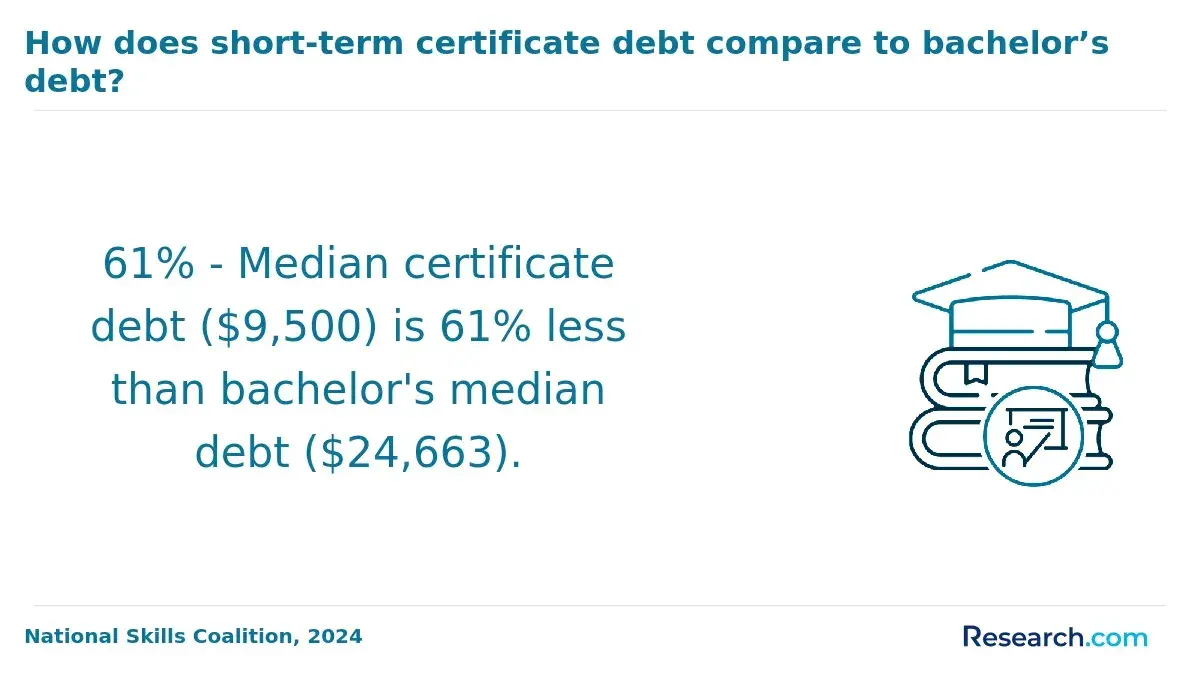
Practical considerations around education costs and timelines significantly influence workforce entry. Certificates and short programs, such as those offered by Southern New Hampshire University, provide targeted training that can expedite job readiness, especially in focused areas like counterterrorism intelligence. This path often reduces student debt compared to full academic degrees and pairs well with obtaining necessary security clearances, which themselves require 6 to 12 months.
For career changers from unrelated fields, the absence of classified experience poses a barrier; employers prioritize candidates with both formal credentials and an understanding of emerging threats. Realistic salary expectations must incorporate clearance processing delays and the need to demonstrate value in technically demanding environments.
Which certifications help intelligence analysis graduates stand out?
Intelligence analysis roles demand certifications that verify both analytical skill and operational security knowledge, significantly shaping employment outcomes. For example, federal and contractor positions often require the CISSP credential for managing sensitive information security, while CIA certification suits candidates synthesizing intelligence under pressure, especially in law enforcement or counterterrorism.
These certifications are not interchangeable; choosing between them hinges on targeted sectors and job functions.
Cybersecurity-focused analysts benefit most from certifications like CISSP or Certified Ethical Hacker (CEH), reflecting expertise in digital threat environments. Those aiming for intelligence community agencies should prioritize certifications such as the Intelligence Fundamentals Professional Certification (IFPC), endorsed by the Office of the Director of National Intelligence and recognized across government branches. This alignment directly impacts hiring speed and clearance timelines.
Candidates face tradeoffs: Balancing the $43,000-$55,000 tuition for online homeland security degrees against certification costs and time is critical. Vendor-neutral certifications often yield faster returns on investment than multi-year academic programs, especially for working professionals pivoting careers.
The practical reality is that employers rarely waive certification expectations, pressuring graduates to secure these credentials to avoid prolonged job searches and stalled career progression. Choosing certifications with broad sector recognition also reduces vulnerability to fluctuating labor market demands.
Other Things You Should Know About Homeland Security
Online homeland security degrees are increasingly recognized and valued by employers in intelligence analysis. They provide flexibility for students while maintaining rigorous academic standards, mirroring traditional degree credentials. However, prospective students should verify accreditation and program reputation to ensure they meet job qualifications and professional expectations in 2027.
Online homeland security programs for intelligence analysis often demand the same rigor as on-campus options, including frequent assignments, research projects, and group work. Working professionals should prioritize programs offering flexible deadlines or part-time pacing to avoid burnout. Programs lacking flexibility can impede career advancement by forcing students to reduce work hours or extend time to degree completion.
Focus on programs that offer applied learning experiences, such as internships or capstones connected to intelligence agencies or homeland security employers. Curriculum depth in analytical methods and evolving threats is essential but should be paired with opportunities to build professional networks. Prioritizing programs that balance technical skills and policy understanding better positions graduates for leadership roles.
A bachelor's degree can open entry-level roles, but advancing into specialized or supervisory positions typically requires a master's degree or relevant professional experience. Employers often favor candidates with graduate-level study focusing on emerging technologies, data analytics, and strategic threat assessment. Candidates without advanced degrees should seek certifications and hands-on experience to compensate.
References
- Top Online Master’s Degree Programs in Homeland Security for 2025 https://www.onlinemastersdegrees.org/best-programs/homeland-security/
- Online Bachelor's Degree: Homeland Security https://www.umgc.edu/online-degrees/bachelors/homeland-security
- Choosing a bachelor's in homeland security | edX https://www.edx.org/resources/how-to-choose-a-bachelors-in-homeland-security
- Intelligence Community career fields https://www.intelligencecareers.gov/career-fields
- Intelligence Analysis https://prospectus.governmentcampus.co.uk/04-legal/intelligence-analysis/
- Homeland Security Degree Programs https://www.criminaljusticedegreeschools.com/degrees/homeland-security-degree/
- Information Security Intelligence Analyst Salary | Career, Job Outlook https://www.mastersofbusinessanalytics.com/careers/intelligence-analyst-salary-outlook/
- How Long Does it Take to Complete a Degree in Homeland Security? https://legalcareerpath.com/how-long-to-complete-a-degree-in-homeland-security/
- Capability Development - AIPIO https://aipio.com.au/professionalisation/industry-resources/capability-development/