2027 Online Homeland Security Degrees That Help Build Infrastructure Protection Skills

Co-Founder and Chief Data Scientist
When a mid-career professional faces immediate operational demands to safeguard critical infrastructure against ever-evolving cyber and physical threats, conventional degree timelines and rigid on-campus requirements can present unacceptable delays.
The 15% rise in enrollment of adult learners in fully online programs reported by the National Center for Education Statistics in 2024 indicates a broad shift toward accessible, flexible education tailored for working students who cannot pause their careers.
This trend reflects how practical constraints shape educational choices for infrastructure protection roles, where responsiveness and timely skill acquisition directly influence community resilience. This article evaluates online degrees focused on building infrastructure protection skills, guiding readers through program features that address these urgent, real-world challenges.
Key Things You Should Know
- Post-2024 data from the DHS Science & Technology Directorate shows that 40% of online homeland security grads lack advanced cyber-physical infrastructure skills, pressuring programs to balance technical depth against broader risk management curricula, influencing long-term employability.
- Employers in critical infrastructure sectors prioritize candidates with integrated threat assessment experience; as a result, programs emphasizing interdisciplinary simulation labs correlate with 28% higher job placement rates within six months, stressing curriculum relevance.
- Median program costs rose 12% since 2022 per NCES data, disproportionately affecting mid-career professionals balancing tuition versus wage loss during extended study periods, highlighting a strategic tradeoff between accelerated certification and comprehensive master's pathways.
What is an online homeland security degree and how does it support infrastructure protection?
Professionals pursuing online homeland security degree programs for infrastructure protection must navigate a complex balance of theoretical knowledge and applied skills critical to safeguarding essential systems. For instance, graduates supporting urban transit networks need to merge cybersecurity measures with dynamic disaster response protocols to mitigate service disruptions, a real-world challenge demanding technical fluency and quick interagency coordination.
This degree path enhances skills in infrastructure security by emphasizing risk assessment, threat analysis, and emergency planning tailored for interconnected physical and digital assets. However, the effectiveness of these online programs depends heavily on integration of practical simulations or partnerships that expose students to incident response nuances, which many purely theoretical courses lack.
Employment growth for roles like emergency management directors is steady but specialized, reflecting the need for professionals capable of complex decision-making under pressure across multiple jurisdictions. The logistical flexibility of online formats suits working professionals, yet candidates must critically assess curriculum depth and real-world applicability to avoid gaps between academic preparation and field requirements.
Understanding how much is criminal justice school can inform budgeting decisions, since program costs vary widely and correlate with the inclusion of experiential learning components.
How do online homeland security programs compare to campus-based options for learning outcomes?
Online and campus-based homeland security degree learning outcomes comparison reveals that when curricula and credit requirements align, both formats equip students with comparable foundational knowledge, including risk assessment and emergency management.
Keiser University's online Bachelor of Arts in Homeland Security, for example, requires 120 credit hours, matching traditional standards for federal and private-sector roles. This parity ensures that online students are not academically disadvantaged compared to their campus counterparts.
Despite equal academic rigor, campus versus online homeland security education effectiveness diverges significantly in hands-on experience and networking. On-campus programs provide direct access to scenario drills, labs, and face-to-face group exercises-critical environments for developing operational crisis response skills.
In contrast, online learners must independently secure virtual simulations or local internships, creating variability in experiential learning quality. A candidate pursuing a federal role may need to actively arrange approved fieldwork, else risk longer onboarding periods due to reduced practical exposure.
Employers increasingly accept accredited online degrees but prioritize demonstrated practical skills and security clearances. The self-discipline required by online study further impacts retention and mastering technical infractions such as cyber infrastructure protection.
Choosing an educational pathway necessitates balancing flexible schedules and geographic constraints against the need for accessible experiential opportunities.
Working professionals considering an accelerated cyber security degree should carefully weigh these trade-offs, as practical training and recognized skills remain decisive in employment outcomes.
What types of homeland security degrees are available online, from certificates to master's?
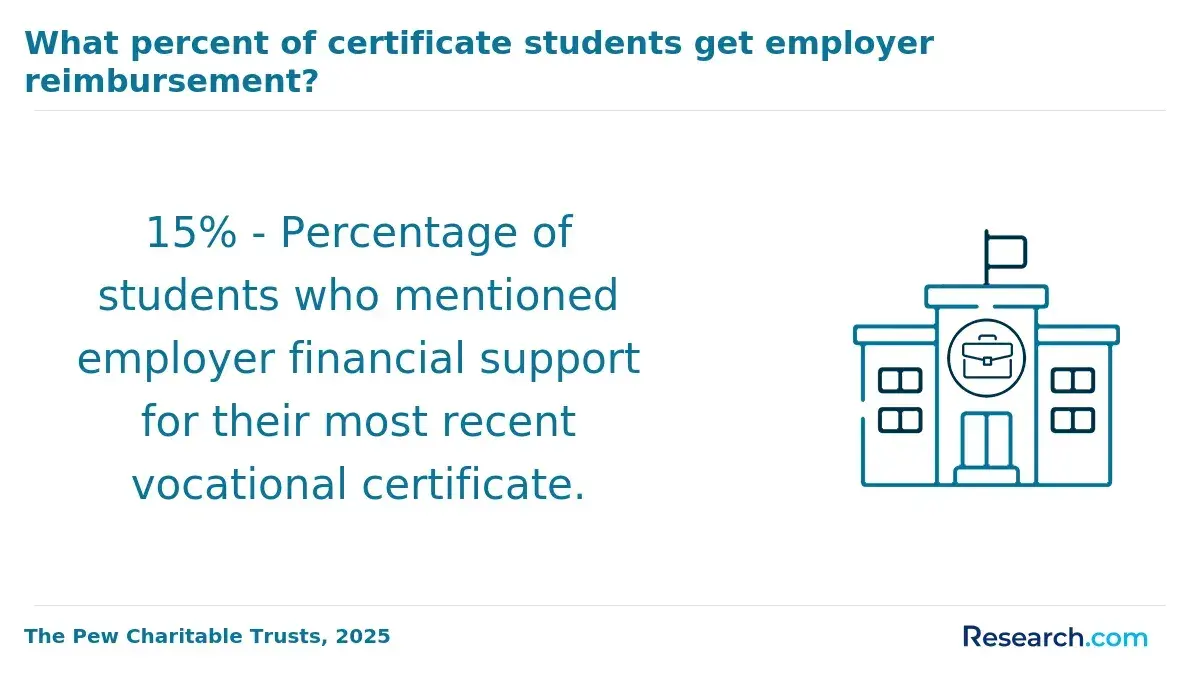
Selecting a credential in homeland security requires scrutinizing the distinct career trajectories each level supports. Certificate programs, often under one year, address immediate niche skills like cyberterrorism or emergency management and suit professionals needing accelerated credentialing without extensive resource commitments.
They often serve as introductory steps for IT specialists or federal support staff but fall short in establishing long-term infrastructure protection roles.
Associate degrees provide foundational operational training for local or private security roles, combining public safety and risk assessment, yet they rarely open doors to strategic positions without further education. In contrast, bachelor's degrees-such as Embry-Riddle's B.S. in Homeland Security-prepare graduates for supervisory or analytical roles by integrating leadership, technology, and threat mitigation, with early-career salaries averaging around $63,853.
Master's degrees elevate candidates for executive or policy-making positions, emphasizing cyber risk management and interagency coordination. These require relevant experience and significant investment but align with upper-tier roles in national security strategy and infrastructure resilience.
Those evaluating online homeland security degree programs should weigh time, cost, and career aim alongside workforce demand, recognizing certificates support quick pivots while advanced degrees better facilitate long-term progression.
Considering alternatives or complementary certifications can enhance marketability; for example, exploring online paralegal programs offers insight into similarly structured professional pathways.
What infrastructure protection and critical incident courses are typically included in the curriculum?
Critical infrastructure protection courses online prioritize practical skill sets essential for securing interconnected physical and cyber systems, reflecting employer demands for dual-domain expertise. Programs emphasize protocols for utilities like energy grids and water supplies, balancing preventive safeguards with reactive incident management techniques.
Cyber infrastructure coursework focuses heavily on rapid threat detection and layered response strategies aligned with federal compliance frameworks, a key component of comprehensive online homeland security incident response training.
This specialized training includes simulation of complex scenarios such as coordinated ransomware attacks paired with physical sabotage, reflecting real-world pressures on analysts who must integrate interagency command systems with cybersecurity defenses.
Graduates face challenges in applying these interdisciplinary skills while managing evolving threat landscapes, often juggling full-time roles alongside study. Practical competencies extend to interpreting regulatory standards including the National Infrastructure Protection Plan and critical infrastructure resilience guidelines.
Employment projections from the U.S. Bureau of Labor Statistics cited by UMGC forecast a 33% growth in information security analyst roles from 2023 to 2033, highlighting strong market demand for professionals adept in incident response across cyber-physical domains. For students assessing pathways, understanding tradeoffs between curriculum breadth and depth is crucial.
Those pursuing a strategic shift or advancement should also consider tuition costs and return on investment, comparing against alternatives such as a masters in digital marketing for distinct career trajectories within the broader security and intelligence ecosystem.
What admission requirements do online homeland security programs usually have for applicants?
Admission to online homeland security programs reflects the operational demands of the field, balancing academic credentials with practical experience. Bachelor's programs require a high school diploma or equivalent, while graduate tracks insist on an undergraduate degree often related to criminal justice or emergency management.
Employers emphasize readiness, prompting institutions to enforce GPA minimums, commonly 2.5 to 3.0, to filter for candidates capable of handling critical infrastructure security complexities.
Professional experience plays a significant role, especially for those pivoting from fields like law enforcement, cybersecurity, or emergency response. Many programs request verified work history, résumés, and recommendation letters, which validate a candidate's applied skills and commitment beyond academic records.
This dual focus on education and practice reflects workforce realities where operational competence often outweighs purely theoretical knowledge.
Background checks or security clearances may be prerequisites for programs aimed at government positions, reinforcing the importance of trustworthiness in sensitive environments. Some graduate options require GRE scores, although waivers exist for experienced professionals, minimizing barriers while maintaining rigor.
Successful participation also depends on digital proficiency due to the fully online format, requiring stable internet and familiarity with communication technologies.
The Department of Homeland Security's $176.18 billion budget underscores the sector's scale, highlighting the strategic value of training aligned with FEMA's focus on resilience. Applicants who navigate these layered requirements position themselves for roles that integrate academic insight with frontline demands.
How long do online homeland security degrees take, and what do they cost?
Choosing between graduate certificates and master's degrees in homeland security requires weighing time, cost, and career focus against employer expectations. Certificates, typically 12 to 24 months and around 18 credits, offer targeted skill training, especially in areas like cybersecurity and risk management.
For example, completing an 18-credit certificate full-time may take about a year, while part-time students could take up to two years if balancing professional responsibilities.
Tuition for such certificates averages $400 to $800 per credit, positioning total costs between $7,200 and $14,400, though private or out-of-state tuition can exceed $20,000. Master's programs demand 30 to 36 credits, costing $15,000 to $30,000, offering broader strategic insight but requiring a larger investment of time and money.
Practitioners aiming for roles in critical infrastructure protection or federal agencies should consider how education duration impacts their career timelines and financing plans.
Employers often prioritize demonstrated skills and practical experience over credentials alone, making a lean certificate program suitable for those needing rapid upskilling, while a full master's supports broader strategic roles.
How can students verify accreditation and program quality for online homeland security degrees?
Choosing a homeland security program without verified regional accreditation often leads to significant roadblocks in accessing federal financial aid and ensuring employer recognition. Accreditation from the U.S. Department of Education or the Council for Higher Education Accreditation remains the baseline for program legitimacy. Specialized credentials, such as those from IACET, add value but should never replace regional accreditation.
Graduate employment data offers a tangible measure of program quality. For example, UMGC reports a 300% surge in jobs requiring security clearances between 2015 and 2025, signaling strong labor market demand for clearance-ready professionals. Prospective students should seek programs that provide transparent outcomes, including alumni placement in roles directly related to infrastructure protection and clearance requirements.
Curriculum rigor is best assessed by the integration of federal cybersecurity standards and applied infrastructure defense techniques rather than broad or theoretical security topics. Employers favor candidates trained through practical simulations and case studies reflecting operational challenges in homeland security environments.
Another critical factor is the presence of advisory boards or employer partnerships with defense agencies or private security firms, which directly influence curricular relevance and access to internships.
Asynchronous program delivery with scheduled live interactions supports working professionals navigating shift work in federal or private security sectors. Verification that the program assists with or requires security clearance prerequisites is crucial given many homeland security roles mandate clearance before employment.
What homeland security and infrastructure protection careers can these online degrees lead to?
Students pursuing online homeland security and infrastructure protection degrees should expect a complex transition from theory to operational roles, where employer emphasis lies on specialized skills like vulnerability analysis, interagency coordination, and crisis communication.
For instance, cybersecurity specialists actively defend critical sectors such as power grids by deploying adaptive security protocols, whereas emergency management directors must rapidly synchronize multi-agency responses under high-pressure scenarios.
Career paths differ significantly between field-focused roles demanding irregular hours and deployment readiness, and analytical positions oriented toward policy development and infrastructure system design. This tradeoff directly affects work-life balance and long-term job stability.
Employers, particularly in government and critical utilities, often require security clearances that add a layer of complexity beyond educational attainment. Online programs may guide students through these prerequisites but cannot guarantee clearance.
The homeland security sector, predicted to reach a $546 billion market by 2025 with annual growth near 7.4%, reflects escalating investment in cyber defense and resilience. Students benefit most from curricula that integrate hands-on applied learning and exposure to emerging technologies like AI-driven threat detection, aligning skillsets with evolving operational demands.
Prospective students should critically evaluate programs for practical training and industry connectivity rather than curricular breadth alone, given the high stakes of interagency collaboration and the dynamic nature of infrastructure threats.
What are the salary expectations and job outlook for homeland security professionals?
Choosing to pursue advanced credentials in homeland security entails a clear tradeoff between upfront education costs and the potential for higher-level roles with commensurate salaries. For example, cybersecurity analysts in this field average about $102,000 annually, while emergency management directors earn around $90,000, indicating specialization directly impacts income.
Federal positions may exceed these figures but factor in longer hiring timelines and stringent clearance requirements that can delay entry.
Projected growth at 6% through 2032 aligns with the overall occupational average, but location matters: metropolitan hubs containing critical infrastructure tend to prioritize hiring, skewing demand toward candidates with specific technical competencies.
This means professionals should target programs that emphasize real-world skills such as infrastructure resilience and incident coordination rather than generic homeland security curricula.
Investing roughly $12,572 per semester for full-time graduate certificates, like those offered at Penn State World Campus, demands scrutiny of return on investment. Entry-level jobs typically require fewer credentials, so mid-career pivots should be intentional, focusing on credentials that unlock positions involved in strategic infrastructure protection or federal contracts with salaries exceeding $100,000.
Are there certifications or security clearances that graduates may need for homeland roles?
Holding a security clearance is often a non-negotiable requirement for careers in homeland security, particularly within federal agencies like DHS, TSA, or FEMA. These clearances, often Secret or Top Secret, require extensive background investigations that can take months, significantly affecting hiring timelines and workforce entry. Candidates should anticipate this delay when planning their career progression.
Beyond clearance, professional certifications such as Certified Homeland Protection Professional (CHPP), Certified Information Systems Security Professional (CISSP), and Certified Emergency Manager (CEM) serve as practical validations of specialized skills in cyber defense, infrastructure security, and emergency response.
Employers-especially those in energy, transportation, and water sectors-prioritize these credentials due to heightened regulatory demands and complex threat environments.
Degree attainment remains a baseline; the University of Maryland Global Campus projects that 42% of new U.S. jobs by 2031 will require at least a bachelor's degree. However, having a degree without the appropriate clearance or certifications limits access to priority roles and can delay employment.
For example, a cybersecurity analyst at a federal contractor must possess both a clearance and CISSP certification to work on classified systems, illustrating how education alone is insufficient.
Strategic planning is essential to navigate the interplay between education, certification expenses, and clearance processing times. Graduates aiming to enter homeland security roles should align credential pursuits with hiring cycles to avoid operational friction and extended onboarding.
Other Things You Should Know About Homeland Security
Online homeland security programs often require rigorous time management since many courses involve complex scenarios and case studies that demand critical thinking beyond passive learning. Working professionals must balance project deadlines and discussion participation with their job responsibilities, which can create scheduling conflicts. Selecting programs with flexible asynchronous options and clear workload expectations is essential to avoid burnout and ensure meaningful comprehension of infrastructure protection concepts.
Bachelor's degrees tend to open entry- to mid-level roles focusing on policy, emergency management, or analysis, while master's degrees are often required for leadership, advanced intelligence, or infrastructure protection specialization. An associate degree or certificate can serve as a stepping stone but typically limits upward mobility in federal or state agencies. Candidates should match their degree choice to clear career goals and understand that higher credentials do not guarantee leadership roles without relevant field experience.
Accreditation directly impacts employer recognition, eligibility for federal jobs, and qualification for professional certifications. Regional accreditation is critical for degree transferability and graduate education, while specialized accreditation (such as from security-focused bodies) enhances curriculum credibility. Candidates should avoid non-accredited programs even if they offer appealing coursework, as these may restrict career advancement and reduce perceived value in competitive job markets.
References
- Choosing a bachelor's in homeland security | edX https://www.edx.org/resources/how-to-choose-a-bachelors-in-homeland-security
- Homeland Security Degree Online | Find Top Programs & Information https://www.firescience.org/homeland-security-degree-programs-online/
- Homeland Security Career And Salary Information https://www.criminaljusticedegreeschools.com/careers/homeland-security/
- Differences Between a Criminal Justice and Homeland Security Degree https://www.nec.edu/news/criminal-justice-vs-homeland-security-degree
- What Can You Do With A Homeland Security Degree? https://www.criminaljusticeprograms.com/articles/what-can-you-do-with-a-homeland-security-degree/
- MA Homeland Security Programs - Rosemont College https://rosemont.edu/college/academics/professional-studies/graduate/homeland-security-emergency-management-ma/
- Critical Infrastructure Training | CISA https://www.cisa.gov/critical-infrastructure-training
- Bachelor of Science in Homeland Security https://www.trident.edu/bachelors-online/homeland-security-degree/