2027 Homeland Security Topics Writers and Editors Should Watch

Co-Founder and Chief Data Scientist
Professionals seeking to pivot into homeland security often confront a fragmented landscape of educational options that vary widely in accessibility and market relevance. Nearly 40% of adult learners in public institutions now prioritize online or hybrid programs, a shift signaling growing demand for flexible scheduling, especially among working adults balancing security clearances and shift work, according to the National Center for Education Statistics.
This evolution challenges candidates to discern which programs truly enhance career mobility versus those that offer convenience at the expense of employer recognition. This article examines emerging homeland security topics and program features essential for writers and editors aiming to guide prospective students through these crucial, high-stakes decisions.
Key Things You Should Know
- Homeland Security programs face a tradeoff between specialized counterterrorism skills and broader emergency management training, with 43% of agencies prioritizing hybrid expertise but only 28% of graduates meeting this combined demand, according to 2024 DHS workforce studies.
- Employers increasingly require cybersecurity certifications alongside traditional Homeland Security degrees, as 67% of federal and state agencies cite integrated cyber-threat competencies as critical for promotion in 2026, impacting program relevance.
- Rising tuition costs and average 24-month program lengths delay workforce entry, with National Center for Education Statistics reporting a 12% enrollment decline in Homeland Security majors since 2023, limiting timely career pivots.
What are the most important homeland security topics and trends for education writers to watch?
Illicit drug trafficking dominated by fentanyl and synthetic opioids shapes the most urgent homeland security education trends in the United States for 2026. Over 70% of U.S. drug overdose deaths involve these substances, creating a direct operational demand for a workforce skilled in narcotics interdiction and supply chain risk analysis. Programs focused solely on border patrol or emergency response without integrating data analytics risk producing graduates ill-prepared for evolving employer expectations.
Cross-disciplinary training that blends cybersecurity, physical screening, and medical emergency response addresses this gap. For instance, border personnel with proficiency in predictive analytics can identify trafficking patterns more effectively, reflecting the changing nature of key homeland security topics for education writers analyzing workforce needs.
Real-time intelligence gathering via AI-driven surveillance tools is increasingly critical. Students must grasp privacy compliance along with these technologies to meet federal and state agency standards. Career pivoters deciding between niche drug enforcement roles and broader emergency management positions should evaluate local hiring trends for positions like intelligence analyst or emergency preparedness coordinator.
Education frameworks rooted in government and research reports from 2024 onward must balance tactical skills and strategic insight. For those searching for the best online criminal justice degree, understanding practical tradeoffs and labor market signals is essential to attain meaningful employment in this dynamic sector.
How is homeland security defined today, and what core areas do academic programs cover?
Careers in homeland security demand a blend of multidisciplinary skills, integrating physical safety with advanced cyber intelligence capabilities. Academic programs focusing in homeland security studies must align with workforce needs by delivering measurable competencies in threat analysis, emergency management, and cybersecurity operations.
A cybersecurity analyst at a financial firm, for example, must simultaneously mitigate ransomware threats and navigate federal infrastructure protection mandates-illustrating how practical application intersects with the curriculum's core academic areas.
When evaluating educational pathways, students should consider how well a program equips them for real-world responsibilities such as intelligence collection, interagency coordination, and crisis response leadership. The Department of Homeland Security Fiscal Year 2026 President's Budget request of $115.6 billion signals substantial federal investment in technology and resilience training, which affects curriculum evolution and employer expectations.
However, programs heavily weighted toward physical security may restrict opportunities in the growing cyber workforce. Balancing these emphases supports career flexibility and advancement. Professionals seeking to pivot into cybersecurity within homeland security contexts might explore the best online cybersecurity degree programs for veterans, which offer targeted, relevant training.
What degree pathways lead into homeland security careers, from certificates to graduate programs?
Choosing the right degree program for homeland security careers requires careful consideration of how education aligns with workforce realities and employer expectations.
Short-term certificates, typically lasting 6-12 months, target essential skills like emergency management and cybersecurity fundamentals, making them practical for mid-career professionals or entry-level public safety jobs. However, these credentials usually lack the depth needed for federal agency leadership or strategic policymaking roles.
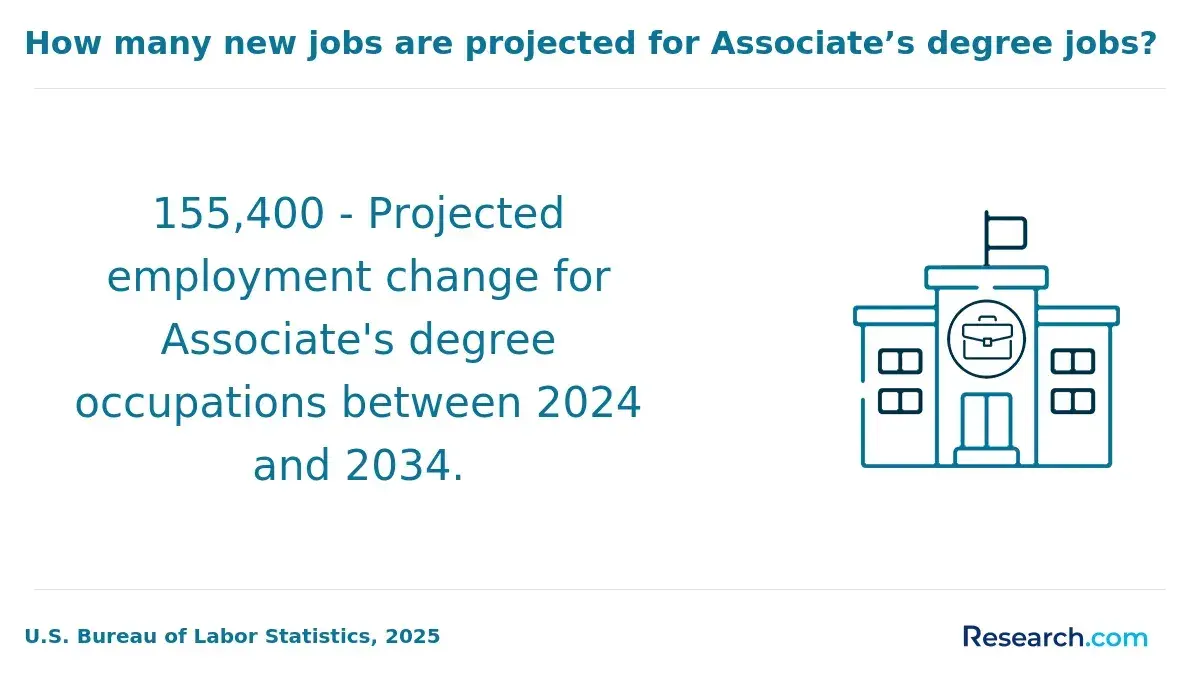
Associate degrees offer practical training in law enforcement, disaster preparedness, and intelligence analysis, preparing candidates for technician or first-responder roles at local and state levels. Despite their utility, they often face limited recognition compared to bachelor's degrees, which have become a baseline for most federal operational and analytical positions per DOJ and DHS standards.
Bachelor's degrees in homeland security or related fields such as criminal justice or public administration provide broad expertise in risk assessment and legal frameworks, qualifying graduates for mid-level jobs. These degrees frequently require supplementing with field experience or certifications to meet employer demands.
Master's programs emphasize strategic leadership, policy development, and interagency coordination-skills essential for managing extensive federal budgets under the FY 2026 Homeland Security Appropriations Bill. This pathway suits professionals targeting federal policy or program management but involves considerable time and financial commitment.
For those exploring advanced research or advisory roles, doctoral degrees remain a niche option with significant tradeoffs between education duration and immediate employability.
For individuals evaluating homeland security certificate and graduate degree options, understanding these distinctions helps balance short-term employability with long-term professional growth. For insight into related fields, consider exploring what can I do with a masters in forensic psychology.
How do online homeland security programs compare with campus-based options for quality and outcomes?
Employers in federal and state security sectors weigh practical skill application and security clearances more heavily than theoretical knowledge alone, shaping the outcomes of online homeland security degree program outcomes comparison.
Campus-based programs frequently provide hands-on training through live simulations, internships, and direct exposure to security labs that online formats cannot easily replicate. These experiential elements directly impact employability for roles requiring local clearances and immediate operational readiness.
For instance, cybersecurity candidates benefit from campus environments that foster interaction with professionals actively engaged in the field, enhancing applied competencies. In contrast, online homeland security degree programs offer flexibility and accessibility but often demand that students actively pursue additional practical experience to reach comparable readiness. This tradeoff is significant for working professionals balancing education with current employment.
Data from government sources indicate campus programs maintain approximately 15% higher graduation rates in homeland security disciplines due to structured schedules and peer engagement, whereas online graduates tend to enter mid-level positions more rapidly, although frequently outside core federal agencies.
The FY 2026 Homeland Security Appropriations Bill's $63.08 billion allocation prioritizes workforce development focused on applied skills, reinforcing employer expectations.
Prospective students assessing quality assessment of campus-based versus online homeland security studies should consider specific career goals, geographic constraints, and clearance requirements. For those comparing financial factors alongside outcomes, reviewing marketing graduate programs may offer useful cost-benefit perspectives relevant across graduate education fields.
What accreditation, institutional approvals, and program standards should homeland security students verify?
Accreditation status critically shapes the value and employability of homeland security degrees. Federal financial aid, employer recognition, and security clearance eligibility often hinge on institutional and program-specific certifications from agencies recognized by the U.S. Department of Education or the Council for Higher Education Accreditation.
Regional accreditation-such as from the Middle States Commission on Higher Education or the Southern Association of Colleges and Schools-signals consistent academic rigor, whereas programmatic accreditation from bodies like the National Security Agency's Centers of Academic Excellence (CAE) or the Commission on Accreditation for Law Enforcement Agencies (CALEA) indicates direct alignment with sector demands.
Students should rigorously verify adherence to standards established by organizations like the National Consortium for the Study of Terrorism and Responses to Terrorism (START) and the Federal Emergency Management Agency (FEMA), especially when aiming for roles in emergency management or cybersecurity.
For instance, cybersecurity professionals entering homeland security roles frequently encounter CAE-designated programs as prerequisites reflecting validated technical competencies employers require. Conversely, degrees without recognized accreditations can limit career mobility and raise doubts during hiring and clearance processes.
Verification strategies include reviewing official accreditation disclosures, analyzing curriculum against federal workforce competencies, and consulting listings recognized by federal homeland security workforce initiatives.
Given discretionary federal funding-projected at $6.3 billion in the Department of Homeland Security Fiscal Year 2026 Budget in Brief-is increasingly tied to measurable educational outcomes, selecting accredited programs minimizes investment risk and aligns education with employer expectations.
What does a typical homeland security curriculum include across intelligence, cyber, and emergency management?
Success in homeland security education hinges on integrating multidisciplinary skills with realistic operational demands, not simply accumulating coursework. Intelligence training prioritizes synthesizing multiple data sources to anticipate risks like terrorism or foreign interference, while cyber defense components address defensive architectures and incident response amid rising threats to critical infrastructure.
Emergency management components emphasize practical crisis communication and interagency coordination through simulated scenarios, matching employer expectations for workforce-ready graduates.
The 2026 National Defense Strategy's focus on countering unmanned aerial threats requires curricula to reflect evolving drone technologies, balancing offensive and defensive competencies against autonomous systems.
This adjustment shifts program priorities and highlights a pragmatic tension:
- Deep specialization in intelligence analytics enhances threat detection capabilities but may limit emergency management versatility.
- Broad multidisciplinary exposure supports leadership roles but may reduce technical depth.
Student decisions should weigh these tradeoffs relative to targeted roles and operational environments. Hands-on access to intelligence platforms, cybersecurity tools, and incident command systems through lab exercises or internships with government and private agencies is essential for bridging theory and applied expertise.
Realistic training faces logistical challenges, including secure access to sensitive datasets and keeping pace with rapidly evolving cyber threats. Prospective students must verify program partnerships for internships, as these practical components significantly influence employability and readiness for roles requiring swift, data-informed decisions during crises.
What admissions criteria, prior experience, and background checks do homeland security programs require?
Admission to homeland security programs hinges on stringent criteria that reflect the high-stakes nature of the field and employer expectations for operational readiness.
A bachelor's degree-often in criminal justice, cybersecurity, or public administration-is typically required, coupled with at least two years of relevant experience in law enforcement, military, intelligence, or emergency management. This prerequisite prioritizes candidates who can bridge theory with practical application from day one.
Background checks are extensive and standard across federal-aligned institutions, incorporating fingerprinting, credit analysis, decadal criminal record reviews, and increasingly, digital footprint investigations for cybersecurity roles. Candidates with inconsistencies or prior violations often face automatic disqualification, underscoring the premium placed on integrity and trustworthiness in roles that safeguard national security interests.
Veterans may leverage existing security clearances to streamline admission but must still navigate evolving vetting protocols addressing new risks from emerging technologies. The tradeoff is clear:
- More rigorous admissions and screening produce graduates equipped for sensitive environments.
- However, these standards may exclude career changers lacking security credentials, creating barriers to entry outside the traditional pathways.
For professionals targeting strategic pivots into homeland security, aligning skill development with these practical admission hurdles and understanding employer screening imperatives is essential to realistic pathway planning and successful integration.
What homeland security career paths, job roles, and employers are most common for graduates?
Demand for roles in immigration enforcement, cybersecurity, emergency management, and intelligence analysis drives the workforce for homeland security graduates.
The Department of Homeland Security (DHS) remains the primary employer, especially as its 2026 agenda prioritizes expanding detention and removal capacity and implementing immigrant registration protocols starting in 2025. These shifts create operational intensity for officers across CBP, ICE, and USCIS, emphasizing procedural accuracy and resilience under pressure.
Cybersecurity positions require not only technical certifications but also fluency in federal standards such as NIST frameworks, with opportunities within federal agencies and private contractors. Intelligence analysts often navigate complex information environments within DHS's Office of Intelligence and Analysis or the Department of Defense, demanding analytical rigor and adaptability.
Emergency management professionals must handle logistical coordination and crisis communication amid evolving threat landscapes, meaning continuous upskilling is mandatory. Candidates without experience in interagency collaboration may find advancement slow.
Career paths differ markedly between federal, state, and private sectors. Federal roles offer stability and defined career ladders but often involve slower progression and bureaucratic constraints. Private sector jobs may advance quicker but typically require tolerance for more dynamic, less regulated environments.
- Workforce implications include extensive background checks and specialized training programs tailored to fast-changing policies.
- Operational demands vary significantly by role, influencing job stress and day-to-day workflow.
What salary ranges and benefits can homeland security professionals expect in different roles?
Salary prospects in homeland security vary distinctly by sector and specialization, with federal roles typically paying more than state or private counterparts. Entry-level intelligence analysts earn roughly $50,000 to $70,000 annually, while mid-career cybersecurity specialists and emergency managers see ranges from $75,000 to $110,000.
Senior advisors and federal directors exceed $130,000, especially those with expertise in drone countermeasures or wildfire management.
These figures reflect not only base pay but the significant role of benefits and bonuses contingent on operational demands. For example, private sector cybersecurity analysts involved in critical infrastructure defense often receive retention incentives and education allowances to combat high burnout rates. In contrast, federal roles might emphasize comprehensive health and retirement plans plus hazard pay for frontline operators.
Professionals transitioning from military or law enforcement backgrounds generally move faster through pay grades due to relevant practical experience, whereas individuals lacking certifications often face prolonged entry-level periods-even with advanced degrees. Employers prioritize current technical skills over general homeland security knowledge, making targeted certifications and role-specific training pivotal for salary growth.
The continually evolving threat landscape, including AI-driven attacks and fentanyl trafficking, demands strategic career planning that balances salary potential against ongoing training and contract volatility. Practical specialization aligned with emerging domains like drone defense can significantly affect long-term employability and compensation trajectories.
What is the current job outlook and long-term demand for homeland security professionals in the U.S.?
Workforce demand for homeland security professionals is tied directly to evolving operational priorities across government and private sectors, emphasizing advanced technical skills over basic entry-level capabilities. For instance, federal agencies prioritize intelligence fusion and regulatory compliance, while private firms focus on cybersecurity certifications and risk management experience.
This divergence necessitates tailored education and credentials that align with the specific employer context rather than generalized credentials.
Applicants who lack specialization or hands-on experience risk stagnating in support roles rather than securing leadership or strategic operational positions. The challenge is particularly acute for those pursuing rapid certification without integrated practicum or multi-jurisdictional exposure, as these elements heavily influence employability and upward mobility.
For mid-level and advanced roles, demonstrated expertise in areas like cyber threat analysis and interagency coordination is a practical requirement, not an optional enhancement.
Educational pathways must be evaluated by outcome metrics such as employer networks, applied training components, and alignment with certifications recognized by federal entities like CISSP or Certified Emergency Manager.
State and local hiring patterns reflect a wider homeland security mandate, increasingly valuing public health emergency coordination and infrastructure resilience, which shifts the risk assessment skillset needed from applicants.
Other Things You Should Know About Homeland Security
Homeland security education demands a balance between technical expertise-such as cyber defense and data analytics-and strategic understanding of policy and threat environments. Students must prioritize programs that integrate these elements without sacrificing depth in either area, as employers expect graduates who can both operate technical systems and contribute to broader operational planning. Choosing a path heavy on theory but light on practical skills can limit employability, while overemphasizing technical training may reduce adaptability to changing threat landscapes.
In 2027, Homeland Security writers should focus on emerging threats like cybersecurity vulnerabilities, biosecurity dangers, and evolving patterns in domestic terrorism. Being aware of these trends will enhance their ability to provide insightful analysis and guidance to address the rapidly changing challenges in homeland security.
Certificates offer focused, shorter-term training that can quickly enhance specific skills, appealing for mid-career professionals seeking singular competencies like cybersecurity or emergency management. However, they rarely provide the comprehensive knowledge and credentials that full degree programs offer, which are often necessary for leadership roles. Candidates must weigh immediate skill gains from certificates against the broader career advancement and employer recognition typically tied to degree credentials.
Writers should prioritize foundational skills because these form the basis for understanding and contextualizing emerging threats accurately. Without a strong grasp of core homeland security principles, coverage of new trends risks being superficial or misleading. Emphasizing practical applications and policy implications of foundational skills better serves decision-makers who rely on actionable insights rather than solely tracking the latest threat headlines.
References
- Courses in Emergency Preparedness, Homeland Security and Cybersecurity https://www.albany.edu/undergraduate_bulletin_archive/2021-2022/cehc_courses.html
- 2026 Global Trends in Homeland Security https://www.milipol.com/en/newsroom-milipolparis/Global-trends-in-homeland-security
- Redefining Homeland Security: A New Framework for DHS To Meet Today’s Challenges - Center for American Progress https://www.americanprogress.org/article/redefining-homeland-security-new-framework-dhs-meet-todays-challenges/
- Bachelor of Science in Homeland Security https://www.trident.edu/bachelors-online/homeland-security-degree/
- Differences Between a Criminal Justice and Homeland Security Degree https://www.nec.edu/news/criminal-justice-vs-homeland-security-degree
- Homeland Security Career And Salary Information https://www.criminaljusticedegreeschools.com/careers/homeland-security/
- Types of Homeland Security Degrees | Compare Schools https://www.criminaljusticeprograms.com/specialty/homeland-security-degrees/
- Online Bachelor's Degree: Homeland Security https://www.umgc.edu/online-degrees/bachelors/homeland-security