2027 Best Online Bachelor's in Homeland Security With Internship Support

Co-Founder and Chief Data Scientist
Professionals aiming to break into homeland security or advance within face a critical hurdle: gaining practical experience alongside academic credentials, especially when balancing work or family demands. The federal Bureau of Labor Statistics projects a 5% job growth in this sector over the next decade, yet many entry-level roles prioritize candidates with internship or fieldwork exposure, creating a catch-22 for online learners.
Meanwhile, recent government data shows that 60% of adult learners now prefer programs offering flexible schedules with embedded internship support, reflecting a shift toward applied learning that integrates seamlessly with career progression. This article evaluates top online bachelor's in homeland security programs with internship options, guiding prospective students through choices that align practical experience with remote study demands.
Key Things You Should Know
- Only 38% of online bachelor's in homeland security programs mandate internships, creating a tradeoff between accelerated graduation timelines and essential field experience valued by 72% of DHS employers surveyed in 2024.
- Employers prioritize candidates with applied intelligence analysis or emergency management internships; programs lacking these risk producing graduates with theoretical knowledge but limited operational readiness, impacting post-graduation job placement rates by up to 25%.
- Internship support strongly correlates with higher median starting salaries-$63,000 versus $54,000-and influences career trajectory timing, reflecting findings from the Bureau of Labor Statistics 2024 report on workforce outcomes in security sectors.
What is an online bachelor's in homeland security?
Choosing an online bachelor's degree in homeland security with internship opportunities demands critical evaluation of practical experience integration. Programs that combine a homeland security bachelor's program with practical experience help bridge theoretical knowledge with real-world challenges, but the quality and relevance of these internships vary significantly.
Students aiming for roles in emergency management must balance academic simulations with applied tasks in agencies, requiring robust communication and problem-solving capabilities.
This degree typically covers core areas such as criminal justice, cybersecurity, and policy analysis, cultivating skills for threat assessment and mitigation across federal, local, and private sectors. However, successful outcomes depend on disciplined self-management, especially when navigating remote learning alongside field placements.
Employment growth projections for emergency management directors are notably strong, with a 10% increase expected over the next decade and median wages around $87,800. Despite this, graduates should carefully assess whether internships align with targeted employment sectors to avoid skill mismatches that could undermine networking and job readiness.
Additionally, reliable technology and proactive engagement with faculty and peers are essential in mastering complex interagency coordination skills needed in homeland security roles. For professionals considering strategic pivots, understanding how to align academic experiences with workforce demands is crucial. For insights on specialized career pathways including criminal profiling, prospective students can consult resources on how to become a criminal profiler.
How do you verify accreditation for online homeland security programs?
Accreditation verification for an online bachelor's in homeland security programs significantly influences a graduate's employability and credit transfer prospects. Federal agencies, particularly cybersecurity units, routinely require degrees from institutions accredited by recognized bodies like the Middle States Commission on Higher Education or the Higher Learning Commission.
These accreditations validate academic rigor and ensure curriculum relevance aligned with federal compliance standards, which is vital for candidates seeking roles requiring security clearance.
Programs lacking recognized accreditation often result in limited credit portability and diminished credibility for positions in mission-critical government sectors. Students evaluating how to confirm accreditation for homeland security programs must consult the U.S. Department of Education's Database of Accredited Postsecondary Institutions and Programs or the Council for Higher Education Accreditation.
Beyond institutional legitimacy, program curricula should correspond with National Security Agency-approved coursework and Department of Homeland Security competencies to meet evolving threat environments.
Real-world internship opportunities substantially enhance practical skills and job readiness. The Department of Homeland Security reported over 1,000 funded internships recently, with a majority placed in strategic security roles. Verifying internship availability and outcomes is thus essential for realistic workforce preparation. Decision-makers should also consider alumni feedback on employer perceptions to gauge program effectiveness.
Consider these steps for accreditation and program assessment:
- Check institutional accreditation status through federal databases;
- Review program-specific accreditation or endorsements relevant to Homeland Security;
- Confirm curriculum relevance to government standards and industry skill needs;
- Assess internship partnerships and placement rates in critical security sectors;
- Contact program alumni or current students for practical insights into employer perceptions.
For those comparing credentials across professions, examining specialized degrees for paralegals offers insight into the nuanced impact of accreditation on career trajectories beyond homeland security.
What careers can a homeland security bachelor's degree lead to?
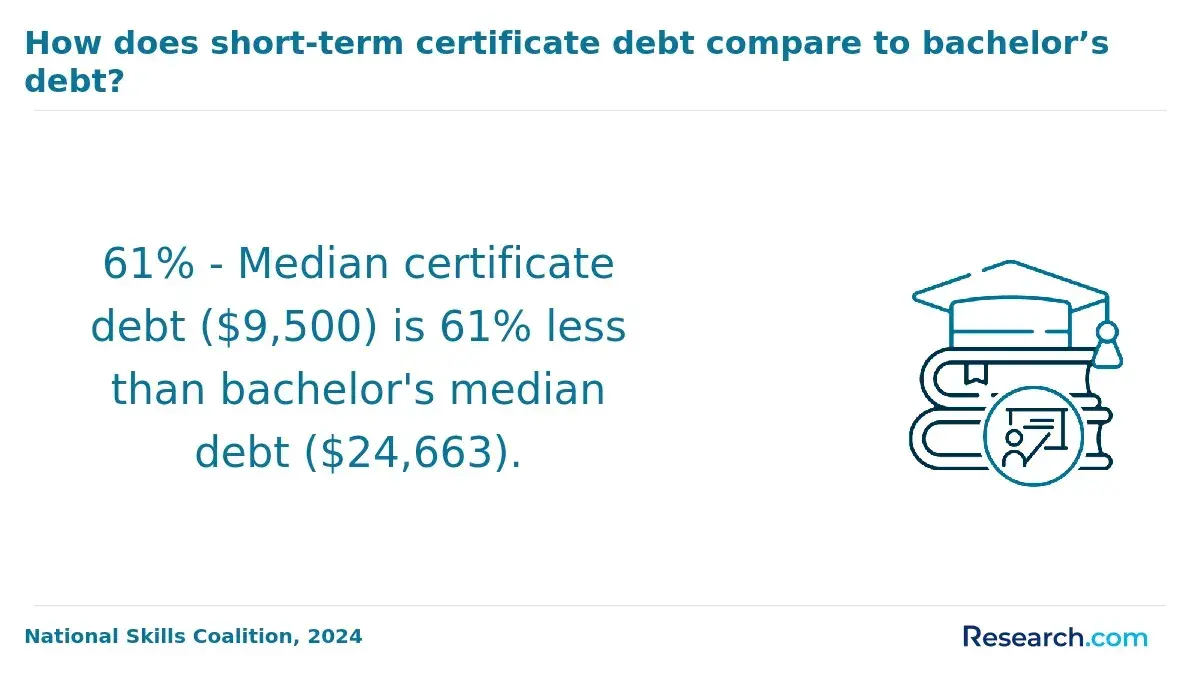
A bachelor's degree in homeland security offers pathways predominantly into government and private-sector roles requiring precise operational skills. Candidates frequently enter positions such as emergency management coordinators or intelligence analysts.
For example, an intelligence analyst at the Department of Homeland Security must master real-time data processing and classified protocols, competencies largely developed through internships rather than classroom theory alone. This reliance on experiential learning is critical, as data from the Association of American Colleges and Universities shows 59% of employers favor applicants with practical, applied training.
Students evaluating job prospects for online homeland security bachelor's graduates should weigh programs that embed internship opportunities. These placements not only cultivate relevant skillsets like threat assessment and crisis response but also build essential professional networks, facilitating sector-specific collaboration. Without this practical grounding, translating academic knowledge into actionable security strategies becomes challenging, slowing entry into competitive markets.
In private industries such as transportation, energy, and healthcare, homeland security expertise extends to regulatory compliance and corporate risk management. In these scenarios, internship experience helps clarify interagency coordination and emergency protocol implementation.
Graduates targeting a career pivot into homeland security must prioritize programs with substantial practicum components to align with employer expectations and reduce onboarding friction. Candidates who bypass such experiential routes risk longer adjustment periods and limited advancement.
For those weighing alternatives, the best degree for felons resource provides additional context on accessible online education pathways tailored to varied backgrounds.
Which online and campus program formats are available?
Choosing an online bachelor's degree in homeland security with internship options demands careful evaluation of how format influences real-world readiness. Online programs offer flexibility but often require students to proactively secure local internships via virtual advising and employer networks, which can be a barrier for those lacking local connections or self-management skills.
Campus programs provide synchronous schedules and direct internship facilitation through partnerships with government agencies or private security firms, enabling smoother placement and oversight.
Hybrid and campus bachelor programs in homeland security with practical training enhance access to federal or regional internships vital for specialized roles like Department of Homeland Security positions, where familiarity with interagency cooperation and current security technologies is non-negotiable.
Employers prioritize candidates with demonstrable internship experience aligned to their security sector, making program-based placement support a deciding factor in job readiness. While online graduates show salary growth reflecting comparable employability, the burden of internship acquisition rests more heavily on the student. Geographic constraints, employer expectations for hands-on training, and individual discipline will affect the optimal path.
Prospective students should also consider program costs and duration, comparing with alternatives such as the cheapest online Spanish degree options to understand broader affordability and return on investment in online education.
What coursework is included in homeland security majors?
Majors in homeland security demand a curriculum that merges technical cybersecurity skills with policy analysis, emphasizing risk assessment, emergency management, intelligence analysis, and counterterrorism. This interdisciplinary approach reflects hiring priorities where candidates must understand both cyber defense tactics and the operational functions of agencies like FEMA and the Department of Homeland Security.
The practical application of skills is non-negotiable: incident response and disaster recovery exercises prepare students for high-pressure scenarios such as cyber intrusions on critical infrastructure or managing response efforts after natural disasters. For instance, a security analyst working within an energy utility must integrate threat detection knowledge with regulatory and ethical constraints, balancing civil liberties against security needs.
Quantitative reasoning and data interpretation courses sharpen the ability to analyze threat intelligence effectively. These competencies are not abstract but require navigating real-world ambiguity where data may be incomplete or adversaries adaptive. Legal frameworks and ethics are integral, as employers expect graduates to handle surveillance and intelligence collection within constitutional bounds.
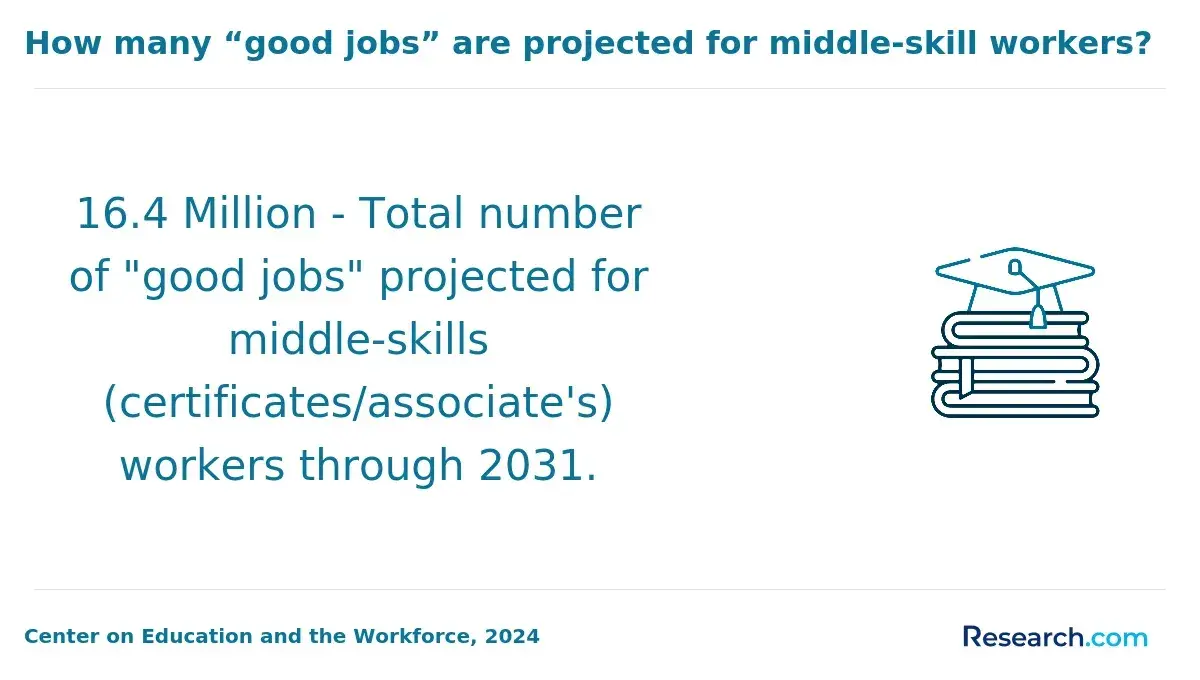
Cost and experiential learning opportunity pose significant considerations. With an average annual tuition exceeding $25,000 according to BestValueSchools, prospective students must evaluate whether programs offer paid internships or credit-earning placements, which substantially influence employability. Tuition disparities can limit access to these valued experiential paths, demanding a strategic weighing of financial investment against the career readiness that internships provide.
What admissions requirements do homeland security programs usually ask for?
Admission standards for online bachelor's programs in homeland security reflect their operational focus, emphasizing readiness for security-sector roles rather than purely academic metrics. Most programs require a high school diploma or equivalent, with a GPA threshold often near 2.5 to 3.0.
While standardized tests like the SAT or ACT remain common, test-optional options have increased, shifting evaluative weight onto transcripts that demonstrate mastery of core subjects such as English, math, and social studies.
Applicants typically must submit essays or personal statements that reveal analytical skills and a clear career orientation toward security, keeping in mind these are scrutinized for alignment with the demands of the field. Criminal background checks and security clearances are standard prerequisites for mandatory internships-integral for employment prospects-requiring candidates to navigate vetting processes often coordinated between academic programs and federal, state, or local agencies.
For working professionals, relevant experience in public safety, military, or emergency services can sometimes replace traditional prerequisites, recognizing practical skill sets essential for homeland security roles. Students confront logistical hurdles tied to background investigations and application timings linked to internship availability, impacting how they select programs strategically.
Cost remains a critical factor: OnlineU's 2026 data identifies online bachelor's degrees in homeland security that cost under $9,000 in total tuition-far below $40,000+ for less cost-efficient options-highlighting the tradeoff between affordability and the value of employer networks that facilitate internships and job placement.
How long does an online homeland security degree take to finish?
Completion timelines for an online homeland security bachelor's degree usually span three to four years full-time, aligning with the typical 120 to 130 credit hour requirement. However, adding an in-person internship-mandated by over half of these programs-often extends this to five years or more for part-time students or working professionals.
These field internships are not just formalities; they represent essential practical experience demanded by employers in emergency management, federal security, and public safety sectors.
Coordinating internship placements involves background checks, schedules, and employer agreements, frequently delaying graduation. Those working full-time or living far from approved sites face additional hurdles. Programs requiring 300 to 500 hours of field-based internship time impose a tangible commitment, often condensed into a semester, which should factor heavily into a student's planning and career trajectory.
Choosing programs with flexible internship options-such as virtual practicums-can mitigate delays but may affect employer perception of readiness. Students must weigh these tradeoffs: fewer practical requirements may yield faster graduations but less competitive positioning, while robust practicum experiences enhance employability but require additional time and logistical investment.
What does an online homeland security degree cost?
The cost of an online bachelor's degree in homeland security varies considerably based on institution type and student residency status, typically between $20,000 and $45,000 in total tuition. Public universities often charge $300 to $600 per credit hour for in-state students, while accelerated programs may increase per-credit costs to shorten completion time. This creates a strategic tradeoff between upfront expenses and hastened entry into the workforce.
Beyond tuition, students face additional necessary expenditures such as textbooks, technology, and sometimes background checks linked to internships or security clearances. Internship opportunities differ significantly; programs with established ties to federal or state agencies generally offer superior access to credited or paid internships, which are critical given employers' preference for proven experience in homeland security roles.
The hiring landscape reflects this demand. According to the U.S. Office of Personnel Management's 2024 federal workforce report, employment in the GS-1800 and GS-0300 series has increased 15% since 2020, intensifying competition especially for entry-level positions.
Prospective students should evaluate financial aid options, employer tuition assistance, and state grants to manage costs. Importantly, those aiming for federal employment must confirm that their chosen program fulfills specialized security and procedural standards, as this impacts both eligibility and internship placement prospects.
What internships or field experiences do programs offer?
Field experience remains a decisive factor in preparing students for homeland security roles, yet online bachelor's programs vary significantly in how effectively they deliver it. Most accredited curricula mandate internships totaling 240 to 400 hours with agencies like FEMA, local law enforcement, or emergency management offices, which gives students access to skills such as risk assessment, crisis communication, and infrastructure protection that purely academic courses cannot provide.
Balancing work and study often forces students toward remote or hybrid internship options, which can constrain exposure to real-time crisis environments and limit networking opportunities crucial for job placement.
On-site internships, while less accessible to distance learners, tend to hold more weight with employers and increase chances of direct hiring. Some programs have partnerships with government or private security entities, placing students in cybersecurity threat analysis or disaster response coordination roles to meet evolving employer demands across sectors.
Cost is a nontrivial consideration; for example, Strayer University's 2024 tuition for its bachelor of science in criminal justice with homeland security and emergency management stands at $1,555 per course over 40 courses, totaling $62,200 before fees. Prospective students should scrutinize how internship quality aligns with such an investment since inadequate practical experience risks diminishing both marketability and return on investment.
Evaluating internship placements requires examining placement rates, employer feedback, supervision rigor, and geographic feasibility to ensure academic achievements translate into operational proficiency within homeland security careers.
What salary and job outlook can graduates expect?
Starting salaries for graduates with an online bachelor's in homeland security vary notably by employer type and region, typically ranging from $55,000 to $75,000 annually, with the potential to exceed $100,000 as professionals gain experience.
Federal agencies such as the Department of Homeland Security and the Federal Emergency Management Agency offer entry-level salaries around $58,000, but these positions often demand demonstrated practical skills secured through internships or specialized training.
The U.S. Bureau of Labor Statistics forecasts a 7% increase in security-related roles between 2024 and 2034, driven by evolving cybersecurity threats and increased government investment. However, real-world hiring emphasizes candidates who pair academic credentials with hands-on operational experience, as employers use internships to assess readiness and reduce onboarding time.
Financial tradeoffs also influence outcomes. For example, programs like Columbia Southern University provide tuition at $278 per credit hour-significantly below the online average-allowing students to allocate funds toward pertinent certifications and continuing education that impact long-term earnings in fields such as intelligence analysis or emergency management.
Candidates aiming to avoid stagnant career growth must prioritize programs balancing cost-effectiveness with quality internship opportunities and credentialing aligned to agency needs. Without this, graduates risk limited mobility in competitive job markets where advanced competencies drive compensation.
Other Things You Should Know About Homeland Security
In homeland security programs, practical experience often outweighs program prestige. Employers prioritize candidates with direct exposure to real-world emergency management, cybersecurity, or law enforcement environments. When choosing between programs, prioritize those with structured internship or practicum opportunities-even if they have less name recognition-because hands-on experience better prepares you for operational roles and accelerates job readiness.
Online homeland security degrees typically demand significant time for research, case studies, and scenario-based learning. For working professionals, programs with flexible pacing and clearly defined milestones reduce the risk of burnout. Prioritize programs that offer asynchronous coursework combined with practical assignments, as these balance workload demands with real job commitments without sacrificing the depth of applied learning.
Specialized programs can limit flexibility if your career goals shift within homeland security or related fields. Narrow curricula focused strictly on terrorism or emergency response may not cover evolving areas like cybersecurity or intelligence analysis. To future-proof your degree, choose programs offering broad competencies with specialization options, enabling adaptation to emerging threats and cross-disciplinary roles without requiring a second degree.
References
- The Crucial Role of Internships in Career Development - Not Just Labcoats https://notjustlabcoats.co.uk/the-crucial-role-of-internships-in-career-development/
- Graduates Expectations vs. Job Market Reality https://www.lloydstaffing.com/graduates-expectations/
- Online Bachelor's Degree: Homeland Security https://www.umgc.edu/online-degrees/bachelors/homeland-security
- Homeland Security Degree Programs https://www.criminaljusticedegreeschools.com/degrees/homeland-security-degree/
- Home https://www.husson.edu/online/blog/2024/06/benefits-of-internships
- Homeland Security Requirements (Degrees, Jobs & Salary) https://www.allcriminaljusticeschools.com/federal-law-enforcement/homeland-security/
- Report: College Grads’ Expectations Differ from Reality of Job Market https://njbia.org/report-college-grads-expectations-differ-from-reality-of-job-market/
- Course and Program Delivery Format https://www.alvernia.edu/current-students/registrar/course-and-program-delivery-format
- How Internships Help You Choose a Major: Earn Real-World Experience Before Committing to Your Choice https://www.deltainstitute.co/blog-delta-institute/how-internships-help-you-choose-a-major-gaining-real-world-experience-before-committing-to-your-academic-path