2027 Online Homeland Security Degrees That Help Build Crisis Response Skills

Co-Founder and Chief Data Scientist
Facing a rapidly evolving threat landscape, homeland security professionals must swiftly master crisis response protocols while managing unpredictable schedules and shifting priorities. The challenge extends beyond tactical knowledge to encompass accessibility and timing, elements adult learners often struggle with amid full-time employment and family obligations.
According to the National Center for Education Statistics, online enrollment in bachelor's and graduate programs surged by 14% in 2023, signaling a structural shift toward flexible, remote learning that many working professionals require to maintain career momentum. Such trends shape the choice and design of degree pathways to meet employer expectations and accommodate real-world constraints.
This article evaluates online homeland security degrees that effectively build crisis response skills while addressing time, format, and career needs for students navigating this demanding field.
Key Things You Should Know
- Nearly 45% of online homeland security grads enter roles requiring certifications beyond degrees, presenting a tradeoff between academic depth and immediate employability per 2024 DHS workforce projections.
- Employers prioritize practical crisis simulation experience, yet fewer than 30% of 2026 online programs integrate robust real-time scenario training, limiting workforce readiness in fast-evolving threat environments.
- Median tuition for accelerated 18-month online homeland security degrees rose 12% by 2024, pressuring candidates balancing cost against rapid re-skilling demands in public and private security sectors.
What is an online homeland security degree and how does it build crisis response skills?
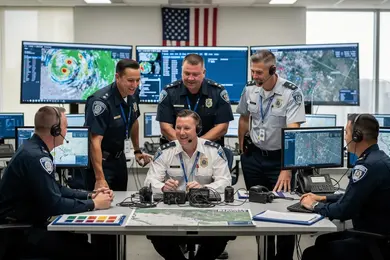
Online homeland security degree programs in the United States train students to manage complex crisis responses by combining hands-on incident management tactics with strategic policy understanding. Graduates develop skills to assess threats, lead interagency coordination, and execute security procedures relevant to disasters, terrorism, and cyber threats. For instance, one may direct emergency operations centers during hurricanes, synchronizing local, state, and federal efforts to reduce risks and damage.
These programs emphasize applied competencies such as risk assessment models, critical infrastructure protection, and incident command systems (ICS). They prepare professionals to anticipate emergencies, allocate resources amid pressure, and sustain operational functions. The online format benefits working professionals who need flexibility but presents challenges in acquiring practical, field-based experience.
The labor market signals persistent demand for these skills, with Lightcast projecting 39,063 annual job openings in emergency management and homeland security-related roles in 2025. Degree holders sharpened in crisis response frameworks and crossagency collaboration stand stronger in pursuing positions within government, security firms, or nonprofit relief groups.
Prospective students should weigh the tradeoffs of online study, where tactical training can be limited. Those seeking a strategic career pivot often explore how an online homeland security degree develops crisis response skills while simultaneously pursuing practical exposure.
Additionally, careers in related fields may benefit from specialized guidance, as found in resources explaining how to become a criminal profiler.
Are online homeland security degrees respected like campus programs and properly accredited?
Accreditation remains the foremost indicator of value for online homeland security degree accreditation standards, as employers and licensing bodies rely heavily on recognized accreditation agencies to validate educational rigor.
Whether a degree is earned online or on campus, hiring managers in emergency management and related sectors prioritize credentials from accredited programs that confirm graduates have vetted, field-applicable skills. For example, the median annual wage for emergency management directors is $84,730, predominantly held by those with degrees from properly accredited institutions.
The respectability of online homeland security degree programs depends less on delivery format and more on curriculum quality and experiential learning components. Online programs incorporating scenario-driven drills, cybersecurity labs, and collaborative exercises can match or exceed campus-based outcomes by providing practical skill development essential for federal agencies, security firms, and disaster response teams.
Students should consider the following tradeoffs before enrolling:
- Regional or sector employer preferences, where some state or local agencies may favor campus-based internships or joint emergency service exercises
- The availability of fieldwork or partnerships in online programs to mitigate lack of physical presence
- Accreditation status specific to homeland security rather than generic online degree branding
Employers treat accreditation as a proxy for quality and also scrutinize direct crisis management experience, meaning graduates from accredited online programs that include applied projects and mentorship are competitive. For veterans evaluating specialized pathways, institutions offering the best military friendly online cybersecurity degrees can provide strategic advantages in homeland security fields given overlapping competencies.
What types of online homeland security degrees are available and which level should I choose?
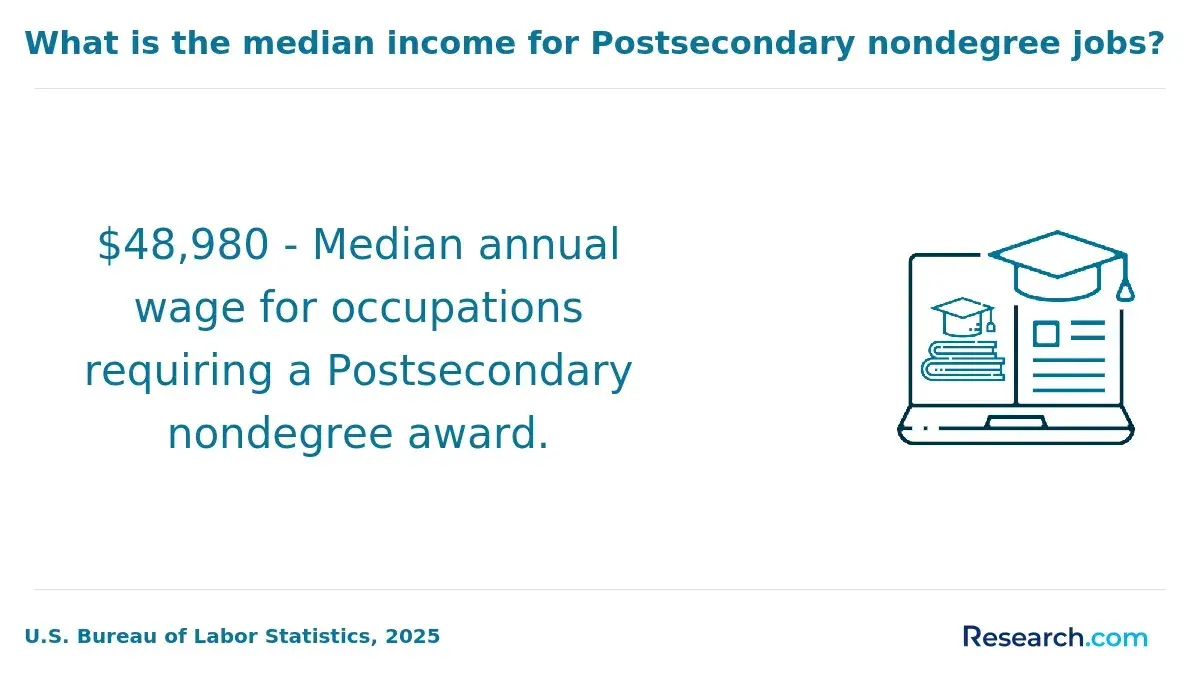
Choosing the appropriate level within online homeland security degree programs directly impacts employability and career trajectory. Associate degrees, typically two years, offer basic knowledge for entry-level roles like emergency dispatchers but limit advancement in federal or government agencies due to their lack of specialization.
In contrast, bachelor's degrees, often four years, provide comprehensive training in risk assessment, cyber threats, and crisis management, aligning closely with federal hiring criteria.
A 2024 study indicates that graduates with online homeland security bachelor's degrees earn an average early-career salary of $59,000, outperforming broader criminal justice graduates who average about $44,000. This wage difference reflects employers' preference for specialized skills in operational and analytic roles.
Master's degrees cater to professionals seeking leadership or expertise in counterterrorism and homeland defense strategy, requiring prior work experience and committing more time and resources. This level best suits those targeting senior management in federal agencies or private security sectors.
For instance, a military veteran might prioritize a bachelor's curriculum focused on intelligence analysis to maximize immediate employability, whereas a mid-career federal agent might invest in a master's to qualify for leadership roles. Balancing time, cost, and career stage remains critical.
Those exploring related security career paths might also consider forensic disciplines; see forensic career paths and salary for comparative insights.
What courses and training are typically included in online homeland security curricula?
Online homeland security degree courses emphasize the acquisition of tactical and strategic competencies necessary for effective crisis response. Practical training regimens often include scenario-based simulations such as tabletop crisis management drills or disaster response exercises, fostering real-time decision-making skills critical in high-pressure environments.
These programs blend instruction in emergency management, counterterrorism, cybersecurity, crisis communications, and risk assessment methodology to prepare students for diverse operational demands.
Essential legal and ethical frameworks are integrated to align professionals with evolving governmental regulations and civil rights considerations encountered in the field. Instruction in intelligence analysis and geographic information systems (GIS) further enhances the ability to synthesize threat data for proactive security measures. Leadership skills taught through organizational behavior coursework are directly applicable to managing multidisciplinary teams under emergency conditions.
Those evaluating homeland security crisis response training programs should weigh the balance between theoretical knowledge and applied exercises that mirror interagency coordination challenges. For those concerned with affordability, Georgia Military College offers an online Homeland Security & Emergency Management bachelor's degree at an estimated $8,415 annually, notably below the national average for four-year public institutions.
To explore complementary programs emphasizing occupational safety and regulatory compliance, prospective students might consider investigating online environmental health and safety programs accredited, which intersect with homeland security concerns in industrial and infrastructure contexts.
How do online homeland security programs compare to campus options for flexibility and learning?
Online homeland security programs provide a critical flexibility that campus-based options often cannot, accommodating professionals with unpredictable schedules while maintaining rigorous applied learning standards. For federal, state, or local security personnel balancing shift work and family demands, asynchronous modules and scenario-based training preserve skill development essential for roles in crisis response and threat assessment.
Tuition stability in online programs notably supports more predictable financial planning. For example, Liberty University's online graduate program has seen tuition increase by less than 5% over ten years, which contrasts with steeper hikes common in campus settings due to rising overheads. This cost containment allows working adults to pursue continuous education without accumulating prohibitive debt.
Tradeoffs involve reduced face-to-face interaction that can limit networking and hands-on skill practice, particularly in physical threat detection and emergency drills. However, many programs mitigate these gaps through virtual simulations, live case studies, and periodic on-site sessions. Cybersecurity analysts in homeland security, for instance, benefit from a hybrid approach combining online theory with virtual labs that replicate real-time incident responses without campus attendance.
Choosing between purely online, hybrid, or campus pathways demands a clear analysis of one's learning preferences and operational role. Those with rapid deployment duties may require hybrid curricula supplementing digital instruction with local exercises. From an employer perspective, demonstrated practical proficiency through accredited online degrees is increasingly accepted as equivalent to traditional formats when programs emphasize applicable skills and scenarios.
What are the typical admission requirements for online homeland security degree programs?
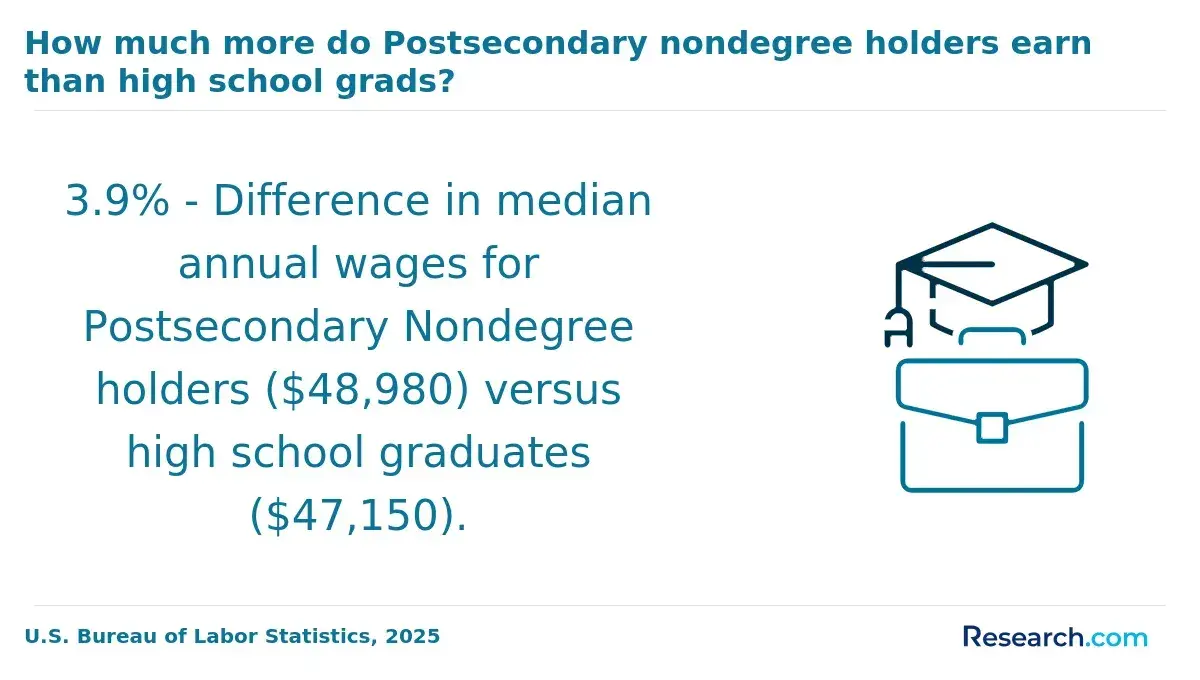
Admission into online homeland security programs often marks a pivotal decision influenced by the practical demands of the field and hiring protocols. Beyond the baseline high school diploma or GED, programs generally require official transcripts showing a GPA around 2.5 to 3.0, signaling preparedness for complex coursework. Some institutions still ask for standardized tests like the SAT or ACT, though many waive these for experienced professionals aiming to pivot careers.
Applicants must often submit personal statements that demonstrate clear understanding and motivation related to crisis response roles. Relevant work experience in emergency management or public safety can significantly strengthen candidacy, aligning academic learning with field realities. Occasionally, letters of recommendation focused on professionalism are sought to evaluate attributes critical to sensitive homeland security positions.
Background checks are common and can delay or complicate entry, as security clearances are a practical necessity in many career paths. Candidates should anticipate this to avoid unexpected obstacles.
Financially, the commitment can be substantial. For example, Strayer University's online bachelor's in Criminal Justice - Homeland Security and Emergency Management lists tuition around $62,200 for 40 courses. This reflects a strategic tradeoff. The upfront cost against potential employability gains through certifications and institutional recognition for federal or state roles.
How long do online homeland security degrees take and what do they cost?
Students pursuing online homeland security degrees face distinct tradeoffs between program length, cost, and workforce readiness. Most full-time paths span 18 to 36 months depending on degree level, but working adults often extend this timeline beyond two years when balancing jobs.
Accelerated bachelor's options can compress study to about 24 months, yet rushing may limit time for the internships or military experiences employers value for hands-on crisis response skills.
Tuition variability strongly influences financial planning. Public schools charge roughly $300 to $600 per credit, while private institutions often exceed $1,000, culminating in total bachelor's costs from $36,000 to $120,000. Graduate programs require 30 to 40 credits, with $12,000 to $45,000 in expenses.
These figures do not capture additional time or cost associated with federal or state security clearances and certifications necessary for many government roles, which also affect how soon graduates can enter the workforce.
The decision to prioritize faster completion or flexible pacing impacts both career trajectory and skill currency in a field prone to rapid shifts. Candidates should evaluate tuition per credit alongside total time, factoring in external training demands to avoid gaps between academic credentials and practical qualifications.
Penn State World Campus enrollment exceeding 1,000 students in online homeland security programs indicates steady demand but also suggests growing competition among remote education providers adapting to these nuanced student needs.
What homeland security careers can an online degree prepare me for?
Online homeland security degrees demand alignment with employer expectations that extend beyond theoretical knowledge. For example, emergency management directors are evaluated on their ability to integrate strategic planning with interagency coordination under federal protocols, a skill set that online education must specifically target to remain relevant.
Professionals aiming for intelligence analysis roles require hands-on proficiency with data interpretation tools, while cybersecurity specialists must navigate evolving threats to government networks, a challenge online programs should address with up-to-date, practical curricula.
Critical infrastructure coordinators balance technical expertise with stakeholder communication, reflecting a need for programs that merge technical systems knowledge with real-world applications. Graduates often face the challenge of supplementing online degrees with additional certifications or federal training to comply with hiring standards that favor National Incident Management System (NIMS) credential holders.
For example, the U.S. Department of Homeland Security's FirstResponderTraining.gov platform catalogs over 1,300 federally validated training offerings, illustrating how continuous hands-on training complements online study.
Prospective students should weigh the tradeoff between ease of online learning and the necessity for ongoing practical skill development. Employer selection criteria prioritize candidates who demonstrate both foundational knowledge and tangible field preparedness, making strategic program choice and upskilling vital for sustainable career trajectories.
How much do homeland security professionals earn and what is the job outlook?
Salary variation in homeland security reflects the tension between technical expertise and hands-on crisis management experience. Entry-level protective services roles average near $40,000 annually, whereas emergency management directors reach approximately $78,000, with seasoned federal-level managers surpassing $100,000. Practical skill sets embedded within degree programs, such as applied crisis response and interagency coordination, significantly affect upward mobility in this constrained job market.
Growth projections for emergency management director roles predict a modest 3% increase over a decade, amounting to roughly 1,000 new positions nationwide. In protective sectors, job openings primarily result from replacement needs rather than expansion, intensifying competition for advanced roles. This often forces candidates to accumulate years of frontline experience compounded by ongoing certifications before accessing higher salaries or leadership opportunities.
Employers now demand proficiency in data analytics, emergency communication systems, and collaborative agency functions. Graduates lacking practicum or simulation experiences risk stagnant career progression despite theoretical knowledge.
For professionals pivoting into homeland security or seeking advancement, verifying whether online programs provide realistic training partnerships can be decisive for employability and earnings.
Key workforce considerations include balancing immediate job market limitations with longer-term strategic positioning, especially when senior roles require layered operational readiness combined with cross-sector integration expertise.
How can I choose a reputable online homeland security program that meets professional standards?
Effective assessment of online homeland security programs hinges on verifying accreditation and curriculum alignment with established frameworks like EMAP or DHS standards.
Without this, graduates risk earning credentials that lack real-world relevance or employer recognition. For example, programs incorporating applied skills, crisis communication, incident command, risk assessment, better prepare students for operational roles in government and private security sectors.
Outcome transparency is vital. The University of Central Florida's 2025 labor market data shows graduates typically secure jobs within a $55,000 to $75,000 advertised salary range, reflecting realistic employment prospects rather than inflated expectations. Such data helps prospective students gauge return on investment objectively.
Practical components, simulations, internships, and agency partnerships, are often absent in online formats but essential for hands-on experience. Programs should also provide regular interaction with instructors who possess direct homeland security experience to bridge theory and practice effectively.
Professionals balancing work and study must weigh flexibility against cohort engagement and program rigor. Additionally, alignment with federal certifications and the National Incident Management System (NIMS) is crucial for advancement in emergency response roles.
Other Things You Should Know About Homeland Security
Many online homeland security programs include practicums or simulated exercises, but not all require in-person internships. When a program lacks a field component, graduates may face challenges demonstrating hands-on crisis management skills to employers. Prioritize programs that integrate real-world simulations or mandate local internships, as these provide essential applied experience valued by hiring agencies and improve readiness for operational roles.
The best programs update coursework frequently to address new cyber threats, biohazards, and emergency protocols. However, some online degrees use outdated materials, which can leave graduates underprepared for current challenges. Choose a program that offers up-to-date modules on emerging risks and technologies, since employers expect candidates to have operating knowledge of cutting-edge tools for threat detection and crisis response.
Specializations such as cybersecurity, emergency management, or counterterrorism influence job prospects and required skills. Employers in certain sectors expect specific technical proficiencies tied to these focuses. When selecting a specialization, align it closely with target job markets, as choosing a less relevant track can limit employability despite holding a homeland security degree.
References
- Bachelor's in homeland security | edX https://www.edx.org/bachelors/homeland-security
- What Can You Do With a Homeland Security Studies Degree? https://sopa.tulane.edu/blog/what-can-you-do-homeland-security-studies-degree
- Homeland Security & Emergency Management | Mercer University https://professionaladvancement.mercer.edu/academic-programs/undergraduate/homeland-security-and-emergency-management/
- Top Online Master’s Degree Programs in Homeland Security for 2025 https://www.onlinemastersdegrees.org/best-programs/homeland-security/
- Reasons to Pursue an Online Criminal Justice Degree Program in Homeland Security https://www.aiuniv.edu/degrees/criminal-justice/articles/online-criminal-justice-homeland-security
- Homeland Security Career And Salary Information https://www.criminaljusticedegreeschools.com/careers/homeland-security/
- Homeland Security Requirements (Degrees, Jobs & Salary) https://www.allcriminaljusticeschools.com/federal-law-enforcement/homeland-security/
- Online Bachelor's Degree: Homeland Security https://www.umgc.edu/online-degrees/bachelors/homeland-security