2027 Best Online Homeland Security Degrees for Critical Infrastructure Protection Careers

Co-Founder and Chief Data Scientist
Protecting critical infrastructure from evolving cyber and physical threats demands professionals who can respond immediately and effectively. Faced with escalating attacks that cost the U.S. economy over $100 billion annually, security specialists must possess both technical skills and strategic insight.
Yet, many in this field juggle full-time jobs, military commitments, or family obligations, limiting their capacity for traditional study. Recent data from the National Center for Education Statistics reveals a 27% increase in adult enrollment in online degree programs since 2023, reflecting a shift toward more flexible, accessible learning.
This article identifies the best online homeland security degrees tailored to these realities, helping candidates navigate program quality, flexibility, and career impact when pursuing critical infrastructure protection careers.
Key Things You Should Know
- Specialized homeland security degrees focusing on critical infrastructure show 23% higher employment placement within federal agencies, yet programs with narrow technical curricula frequently limit long-term cross-sector mobility, per 2024 Department of Labor projections.
- Employers in cybersecurity and infrastructure resilience prioritize candidates with integrated risk management skills. Data from a 2024 GAO report reveals 68% of hiring managers favor interdisciplinary training over purely technical certifications.
- Online degrees completed in under two years typically cost 30% less but correlate with 15% lower starting salaries in the sector, indicating a tradeoff between accelerated access and credential market competitiveness, based on Georgetown University's 2024 workforce analysis.
What is an online homeland security degree focused on critical infrastructure protection?
Professionals engaged in critical infrastructure protection confront complex security challenges that extend beyond general homeland security training.
An online homeland security degree critical infrastructure protection prepares candidates to handle sector-specific risks, from cyber threats targeting energy control systems to coordinating multi-agency emergency responses in transportation. These roles demand blending IT security, regulatory compliance, and real-time operational decision-making.
Given the U.S. Department of Homeland Security's fiscal year 2024 budget of $176.18 billion, expertise in infrastructure protection remains a high-stakes workforce priority. However, successful practitioners must navigate several tradeoffs in education and application:
- Balancing theoretical risk assessment frameworks with practical scenario-based training aligned to dynamic DHS guidelines.
- Managing time effectively to engage with complex simulations while accommodating work responsibilities, as typical online programs require disciplined self-direction.
- Anticipating evolving federal funding emphasis and infrastructure sector vulnerabilities to maintain relevant, in-demand skills.
Online programs typically integrate cybersecurity fundamentals, infrastructure interdependencies, and disaster recovery, but prospective students should verify the incorporation of real-world incident management scenarios. The capacity to quickly assess threats and execute robust protection protocols is a key employer expectation, especially in specialized critical infrastructure roles.
Those evaluating funding will benefit from consulting current criminal justice degree price data to understand comparative education costs and refine investment decisions in homeland security education for critical infrastructure careers.
Which accredited online homeland security programs offer critical infrastructure protection concentrations?
Employment prospects in homeland security increasingly hinge on specialized expertise in critical infrastructure protection, where programs emphasize cybersecurity, risk resilience, and regulatory frameworks aligned with NIST and DHS standards.
Universities such as the University of Maryland Global Campus and Eastern Kentucky University offer online homeland security degrees specializing in critical infrastructure protection, blending theoretical knowledge with applied skills crucial for roles that demand security clearances and coordination across sectors like energy and telecommunications.
The 300% growth in clearance-required jobs between 2015 and 2025 compels prospective students to select programs responsive to evolving employer expectations, including proficiency in vulnerability assessments and incident response tailored to infrastructure sectors.
Practical considerations include ensuring program accreditation from bodies like CEPH or the Higher Learning Commission, access to asynchronous learning for working professionals, and recognition of prior federal or military experience, which collectively enhance workforce integration and credentialing speed.
Real-world scenarios such as ransomware attacks on power grids illustrate the importance of curricula offering simulations or case studies that mirror actual threat landscapes. For individuals seeking to accelerate their transition, exploring an accelerated cybersecurity degree with a critical infrastructure protection concentration can offer streamlined pathways that balance depth with timeliness.
How do online homeland security degrees compare to campus-based programs for infrastructure roles?
Choosing between online and campus-based homeland security degrees for critical infrastructure roles requires weighing significant practical differences beyond theoretical content. Employers in utilities, transportation, and emergency management sectors prioritize hands-on experience with physical security systems, incident drills, and interagency cooperation—components more deeply embedded in campus programs through labs and internships.
Students pursuing an online homeland security degree for infrastructure protection careers often face the added burden of securing field placements independently, extending timelines and logistical complexity.
Online programs offer flexibility that benefits working professionals who can immediately apply skills on the job, potentially accelerating lateral moves or promotions within infrastructure security teams.
However, the reduced in-person interaction limits networking opportunities and nuanced mentorship, which are vital in fields where trust and clearance protocols influence hiring. An online degree supplemented by employer-supported projects or cooperative experiences can approach the effectiveness of traditional campus programs.
Bellevue University alumni earning a median $73,896 illustrate that online credentials can achieve competitive salary outcomes.
Yet, candidates without practical exposure or security clearance involvement often see stronger initial positioning through campus-based programs, especially in highly controlled sectors such as nuclear facility security or federal infrastructure agencies. Decision-makers must assess their career stage and network access realistically, as online degrees alone may slow integration into sensitive roles.
For prospective students evaluating educational pathways that balance flexibility with operational readiness, comparing online options with traditional campus experiences is critical. Additional considerations may involve exploring related fields, such as those offered by a paralegal school, for broader security or compliance foundations.
What courses and skills are covered in critical infrastructure protection degree curricula?
Critical infrastructure protection degree programs in the United States prepare students to address complex threats against interconnected systems such as energy grids, transportation networks, water supplies, and telecommunications. The curriculum prioritizes skills in risk assessment, cybersecurity defense, and emergency management protocols tailored to both physical vulnerabilities and digital threats.
For example, professionals managing energy infrastructure must navigate the dual challenge of maintaining physical distribution networks while securing smart grids against cyber intrusions.
Essential skills for homeland security and critical infrastructure careers also include national security policy, intelligence analysis, and legal frameworks that guide protective actions. Given the interdependency of modern infrastructure, programs incorporate systems engineering and incident command strategies to coordinate multi-agency responses effectively. Communication skills are emphasized to ensure graduates can brief leadership and manage critical stakeholder relationships under pressure.
Practical training involves scenario-driven simulations such as ransomware attacks on water treatment facilities or sabotage attempts targeting transportation hubs, which develop operational readiness and critical decision-making abilities.
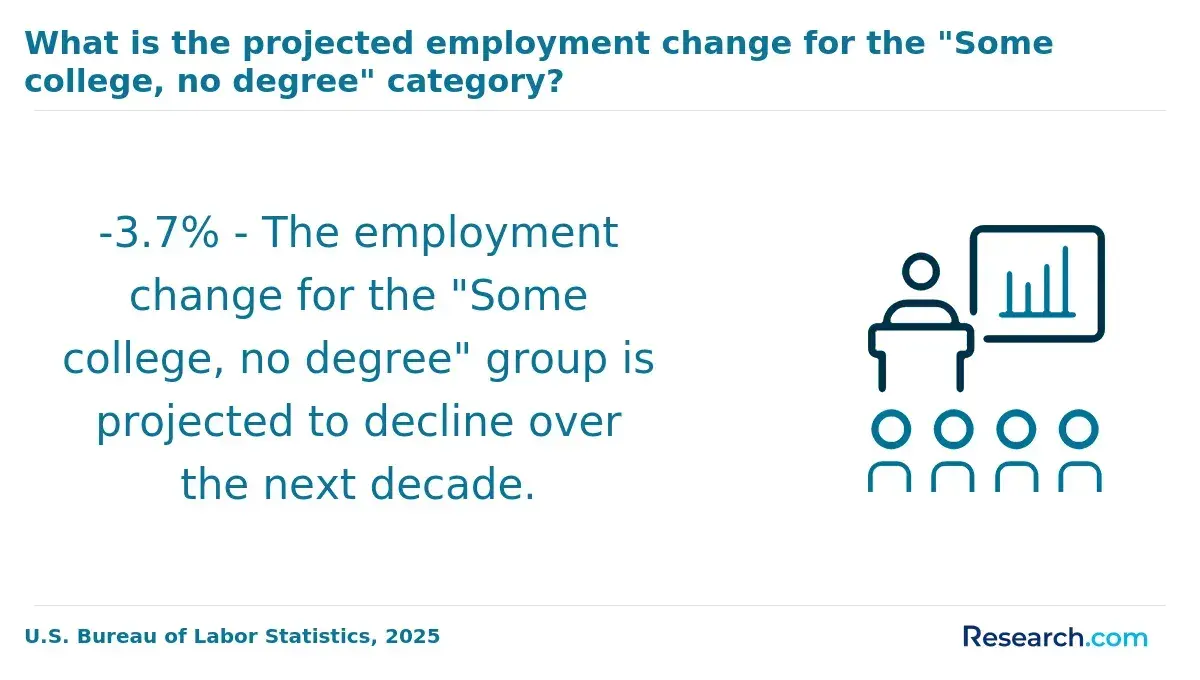
Employers routinely expect candidates to combine technical knowledge with situational judgment, often demonstrated through capstone projects or internships. Meeting the demand from the evolving labor market, where nearly half of new jobs by 2031 require a bachelor's degree, necessitates versatile, well-prepared professionals.
Those evaluating degree pathways should also consider complementary fields like environmental health and safety. Programs listed among the best online environmental health and safety degree programs can provide additional expertise applicable in infrastructure protection contexts.
What admission requirements and prerequisite experience do online homeland security programs expect?
Admission to online homeland security degree programs frequently hinges on a balanced evaluation of academic records and pertinent professional experience. Bachelor's programs typically require a high school diploma, while master's level admissions demand a completed undergraduate degree, often accompanied by transcripts showcasing coursework in criminal justice, cybersecurity, or emergency management.
Specialized tracks, such as critical infrastructure protection, expect applicants to demonstrate field-specific competencies, for example, a cybersecurity analyst must evidence skills in network security and incident response to pivot credibly towards infrastructure roles.
Applicants must also submit personal statements and recommendation letters from supervisors or academic mentors able to validate operational proficiency, especially in risk assessment and resilience. For those transitioning from unrelated fields, bridging courses in cyber fundamentals or emergency management may be necessary to establish foundational knowledge.
The practical expectations from employers add complexity to admissions. Federal clearance eligibility, industry certifications, and hands-on experience managing both physical and cyber risks are often prerequisites that distinguish viable candidates from academically qualified ones.
Given the $176.18 billion budget of the U.S. Department of Homeland Security, federal investment is steering educational standards towards applied skills, which better prepare candidates for the evolving threat landscape and intertwined critical infrastructure sectors.
How long do online homeland security degrees take and what do they cost?
Choosing between accelerated bachelor's and master's degrees in homeland security involves weighing upfront time investment against long-term career positioning. Associate degrees typically require about two years, bachelor's approximately four, while master's programs usually span 18 to 24 months full-time but can extend for part-time students balancing work.
Cost considerations vary markedly based on institution type and residency status. Public universities charge roughly $8,000-$15,000 yearly for in-state students, with private and out-of-state tuition reaching $20,000-$35,000. Certificate programs cost less ($1,500-$5,000) but rarely meet federal hiring requirements, especially for roles requiring security clearances.
Professionals pursuing clearance-dependent roles must allocate additional time and resources for background investigations, which may delay employment despite degree completion. This factor fundamentally shifts return-on-investment calculations and often favors flexible online or part-time study to maintain income flow while progressing academically.
Key decision points include:
- Whether accelerated bachelor's options realistically shorten time-to-clearance and employment.
- The tradeoffs between cost savings of shorter programs versus the broader credential value of master's degrees in clearance-eligible career tracks.
- Non-academic requirements like U.S. citizenship and clean legal records that directly shape the timeline and feasibility of federal or contractor employment.
Employers emphasize at least a bachelor's degree for critical infrastructure protection, reflecting a 300% job growth since 2015. An informed path balances program length, total cost, clearance onboarding, and practical workforce entry barriers.
What careers in critical infrastructure protection can you pursue with this degree?
Pursuing an online homeland security degree focused on critical infrastructure protection prepares graduates for nuanced roles demanding both technical expertise and interagency coordination.
For example, a cybersecurity specialist safeguarding electrical grids at a power utility must master threat detection tailored to those systems, while an emergency management coordinator at a major transportation hub prioritizes rapid response aligned with complex stakeholder networks. Such roles emphasize practical skills in risk analysis, infrastructure resilience, and regulatory compliance, including frameworks like NIST and FEMA.
Employment in federal agencies such as DHS, state emergency services, and private utilities often requires candidates to balance academic knowledge with operational command of evolving security protocols. Clearance requirements and ongoing certifications present additional hurdles, frequently necessitating geographical mobility near critical infrastructure sites or federal offices. Awareness of these real-world constraints is essential for realistic career planning.
Cost is a critical factor. Programs like American Military University offer tuition rates of $360 per undergraduate credit hour, reduced to $250 for active-duty military personnel, positioning the degree as a more attainable option for servicemembers aiming to transition into infrastructure protection roles. This pricing advantage can influence long-term return on investment when compared to traditional programs.
What salary ranges and promotion opportunities exist in critical infrastructure protection jobs?
Starting salaries for critical infrastructure protection roles generally span from $50,000 to $90,000 annually, with advanced positions surpassing $100,000 depending on industry and experience. For example, Bellevue University's online Homeland Security graduates report median earnings near $74,000, which aligns with federal pay for protective security specialists and private-sector cybersecurity analysts focused on infrastructure resilience.
Career progression typically hinges on demonstrated operational expertise, relevant certifications like CPP or CISSP, and leadership ability. Entry-level professionals often begin as analysts or coordinators before moving to managerial roles that oversee key systems such as energy grids or transportation networks. A mid-level analyst at a utility company advancing to senior risk management illustrates this pathway.
The multi-sector nature of critical infrastructure, healthcare, finance, communications, means compensation and upward mobility vary. Federal roles offer structured pay grades and promotion ladders, while private-sector advancement depends heavily on technical skills and documented project success.
The substantial workforce influx evidenced by Southern New Hampshire University Online's 895 Homeland Security alumni intensifies competition, favoring candidates with measurable impact on threat mitigation and regulatory compliance.
There is a notable trade-off between emergency management and cybersecurity career paths; the former might offer faster promotion to leadership due to operational urgency but often lower starting pay. Upskilling through certifications is a critical factor influencing both salary and promotion limits in this field.
What certifications or security clearances support careers in critical infrastructure protection?
Security clearances remain a non-negotiable barrier in critical infrastructure roles, tightly linked with the drastic 300% increase in clearance-required jobs between 2015 and 2025. This growth reflects strategic federal investments such as the $176.18 billion fiscal 2024 budget for the U.S. Department of Homeland Security
. Clearance levels range from Confidential up to Top Secret with Sensitive Compartmented Information (TS/SCI), demanding comprehensive background checks typically accessible only through government sponsorship, which creates entry challenges for career changers.
Certifications complement clearances but fulfill distinct operational functions: Certified Information Systems Security Professional (CISSP) is indispensable for technical cybersecurity roles protecting water, energy, or transportation networks, whereas Certified Protection Professional (CPP) caters more to physical security management in industrial settings.
A candidate targeting power grid protection must secure government clearance plus cybersecurity credentials to manage control systems effectively. Conversely, facility security professionals might prioritize physical security certifications with clearance but require less intensive IT qualifications.
Employers favor candidates demonstrating both clearance eligibility and field-specific certifications. Navigating clearance timelines and sustaining eligibility is critical, as delays or lapses reduce employability. Aligning certification paths with sector demands while managing sponsorship dependencies represents a pragmatic approach to sustainable infrastructure protection careers.
How can you evaluate and choose a credible online homeland security program?
Accreditation and curriculum specificity are key determinants of value in online doctoral programs focused on homeland security. Regional accreditation recognized by the U.S. Department of Education is a baseline for transferability and employer credibility.
More critically, programs must integrate risk assessment, cybersecurity protocols, and federal regulatory frameworks directly related to critical infrastructure protection; broad homeland security programs often fail to provide this necessary depth.
Employers within federal agencies and private sector infrastructure rely on candidates trained in National Infrastructure Protection Plan procedures and Cybersecurity and Infrastructure Security Agency (CISA) standards. Faculty experience in applied research or active roles enhances instructional relevance, as theoretical knowledge alone rarely convinces employers.
Graduation and job placement statistics are practical indicators; programs with under 50% employment rates after graduation typically deliver poor returns on investment. Working professionals benefit from flexible scheduling options, which reduce attrition risks caused by conflicting job responsibilities.
Financial considerations such as targeted scholarships materially influence net costs. For example, Liberty University Online's doctoral tuition drops from a standard $610-$675 per credit to $375 per credit hour for eligible military members and spouses, marking a significant net cost difference that should be factored into financial planning.
Career alignment is critical: a cybersecurity analyst transitioning to critical infrastructure roles must seek programs with strong cybersecurity defense emphasis, whereas emergency management professionals should prioritize interagency coordination and policy training to meet employer expectations and ensure practical employability.
Other Things You Should Know About Homeland Security
Online homeland security degrees often attract working professionals, but managing job duties alongside coursework can strain schedules. Programs with asynchronous classes provide flexibility, yet they require strong self-discipline and time management to meet deadlines without in-person accountability. Applicants should assess their current workload and prioritize programs offering structured deadlines and realistic pacing to avoid burnout and ensure consistent progress.
In 2027, top online homeland security programs offering robust curricula include Penn State’s World Campus Bachelor of Science in Security and Risk Analysis and American Public University's Bachelor of Arts in Homeland Security. These programs combine theoretical knowledge with industry insights, preparing students for critical infrastructure protection careers.
Choosing between a specialized critical infrastructure protection track and a broader homeland security degree depends on career goals. Specialization enhances expertise and signals direct relevance to infrastructure roles, increasing employability in niche sectors. However, broader degrees offer flexibility for shifting career paths within homeland security, which is beneficial if job market conditions or personal interests change over time.
Employers expect candidates to demonstrate applied knowledge in risk assessment, emergency management, and cyber-physical systems protection. Degree programs that align courses with these competencies improve candidate readiness and hiring prospects. Prospective students should review employer job postings or consult industry reports to match curricula with skills in demand, ensuring their education directly supports immediate workforce needs.
References
- Online Homeland Security Degrees: Explore Top Programs https://www.degreesforgood.org/online-degrees/homeland-security-programs/
- Differences Between a Criminal Justice and Homeland Security Degree https://www.nec.edu/news/criminal-justice-vs-homeland-security-degree
- Top Online Master’s Degree Programs in Homeland Security for 2025 https://www.onlinemastersdegrees.org/best-programs/homeland-security/
- Types of Homeland Security Degrees | Compare Schools https://www.criminaljusticeprograms.com/specialty/homeland-security-degrees/
- Homeland Security Degree Online | Find Top Programs & Information https://www.firescience.org/homeland-security-degree-programs-online/
- Online MPA Programs with a Specialization in Homeland Security https://www.onlinempaprograms.com/specializations/homeland-security
- Online Bachelor's Degree: Homeland Security https://www.umgc.edu/online-degrees/bachelors/homeland-security