2027 Online Homeland Security Degrees That Help Build Resilience Planning Skills

Co-Founder and Chief Data Scientist
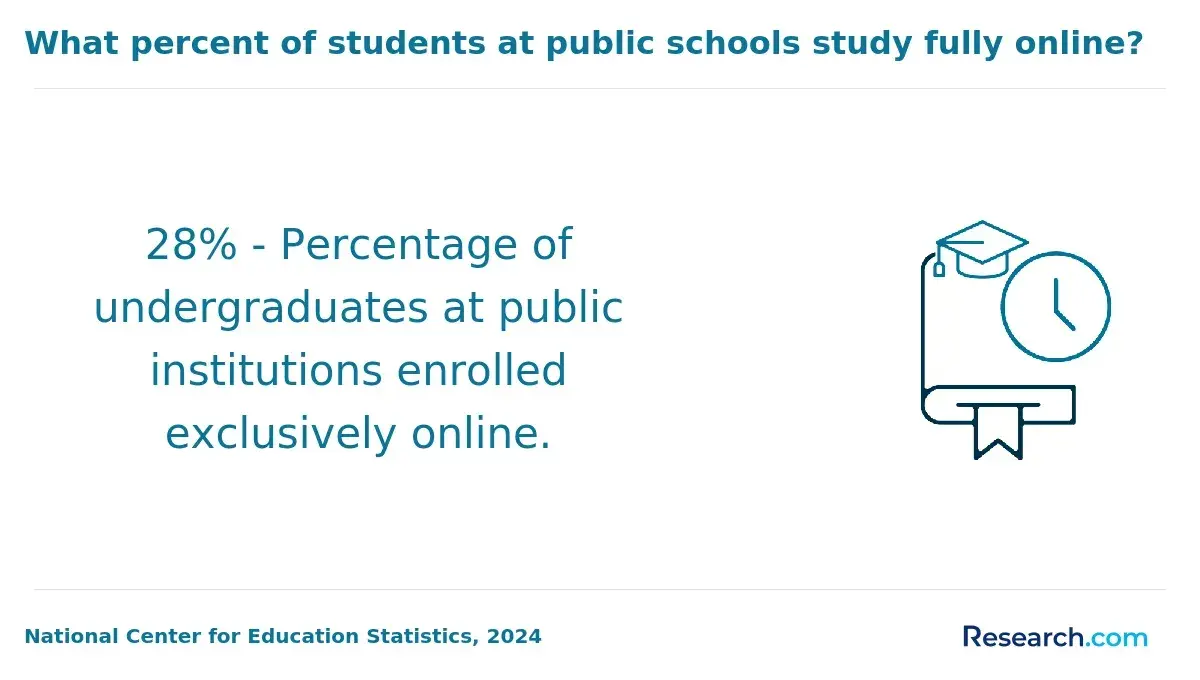
Emergency managers frequently confront the challenge of designing resilience plans that must anticipate unpredictable cyberattacks, natural disasters, and complex terrorist threats within constrained budgets and shifting policy mandates. The 12% surge in adult learners enrolling in online degree programs, as reported by the National Center for Education Statistics in 2024, signals a widening preference for flexible education models that accommodate professionals juggling critical operational duties and personal commitments.
This trend reshapes how homeland security candidates approach skill acquisition, emphasizing modular, accessible curricula over traditional campus attendance. This article examines online homeland security degree options that effectively develop resilience planning skills while addressing time constraints, career relevance, and employer expectations.
Key Things You Should Know
- The average Homeland Security degree completion time extends 25% longer for part-time learners, per 2024 National Center for Education Statistics, increasing total costs by 15%, which impacts ROI for mid-career professionals balancing employment.
- Employers favor candidates with security technology proficiencies from accredited programs, with Cybersecurity & Infrastructure Security Agency data showing 42% higher immediate task readiness, shaping hiring toward specialized curricula over generalist degrees.
- Programs emphasizing resilience planning align with FEMA workforce needs forecasting a 10% growth by 2028, but students must weigh this against limited federal funding, creating access barriers for non-federal applicants despite clear labor market demand.
What is an online homeland security degree and how does it support resilience planning skills?
Online homeland security degree programs in the United States are distinct in their dual emphasis on theoretical knowledge and operational readiness, which is essential for resilience planning skills development. Graduates often engage in scenario-based exercises combined with asynchronous coursework to build competencies in risk assessment, disaster mitigation, and infrastructure protection.
For example, a municipal emergency manager may use expertise from their degree to create adaptive response systems addressing both natural and cyber threats, illustrating how such education impacts real-world emergency continuity. Employers commonly expect proficiency in frameworks like the National Response Framework and tools such as Geographic Information Systems (GIS), signaling that degrees integrate practical components to meet workforce realities.
Labor market data reflect that 55% of U.S. emergency management directors possess at least a bachelor's degree, with median earnings around $87,110, underscoring the credential's role in career qualifications. Candidates must weigh program length and cost against career outcomes while confirming curriculum relevance and accreditation, particularly for roles within federal, state, or private sectors specializing in resilience.
Prospective students also benefit from evaluating related pathways; for example, exploring the best online associate degree programs in criminal justice can offer foundational knowledge complementary to homeland security education.
Are online homeland security degrees as credible and accredited as campus-based programs?
Online homeland security degree accreditation compared to campus programs hinges on institutional legitimacy verified by recognized agencies such as the Higher Learning Commission or Middle States Commission on Higher Education. These bodies apply consistent standards across online and traditional formats, ensuring equivalent rigor in curriculum and faculty expertise. Yet, the practical value of these degrees depends heavily on experiential components-emergency management roles demand skills best taught through hands-on exercises, fieldwork, and interagency simulations, often more accessible on campus or in hybrid settings.
Graduates pursuing federal or state roles must critically evaluate online programs for availability of internships and applied learning to avoid gaps in real-world readiness. Campus-based study typically offers richer connections to local emergency agencies and law enforcement, a key factor influencing recruitment and networking opportunities. Online learners must compensate by seeking virtual experiences or local partnerships independently. With the U.S. Bureau of Labor Statistics projecting only 3% job growth for emergency management directors and approximately 900 openings per year through 2032, candidates face narrow margins for error in aligning education with employer expectations.
Regarding credibility of online homeland security degrees versus traditional degrees, accreditation remains a baseline, but tangible, career-relevant skills define competitive advantage. Prospective students should weigh program design and industry linkage alongside pure academic validation.
For individuals comparing educational pathways, exploring related credentials like a paralegal certificate can also offer insight into practical certification tradeoffs in allied fields.
What types of online homeland security degrees are available and which level fits my goals?
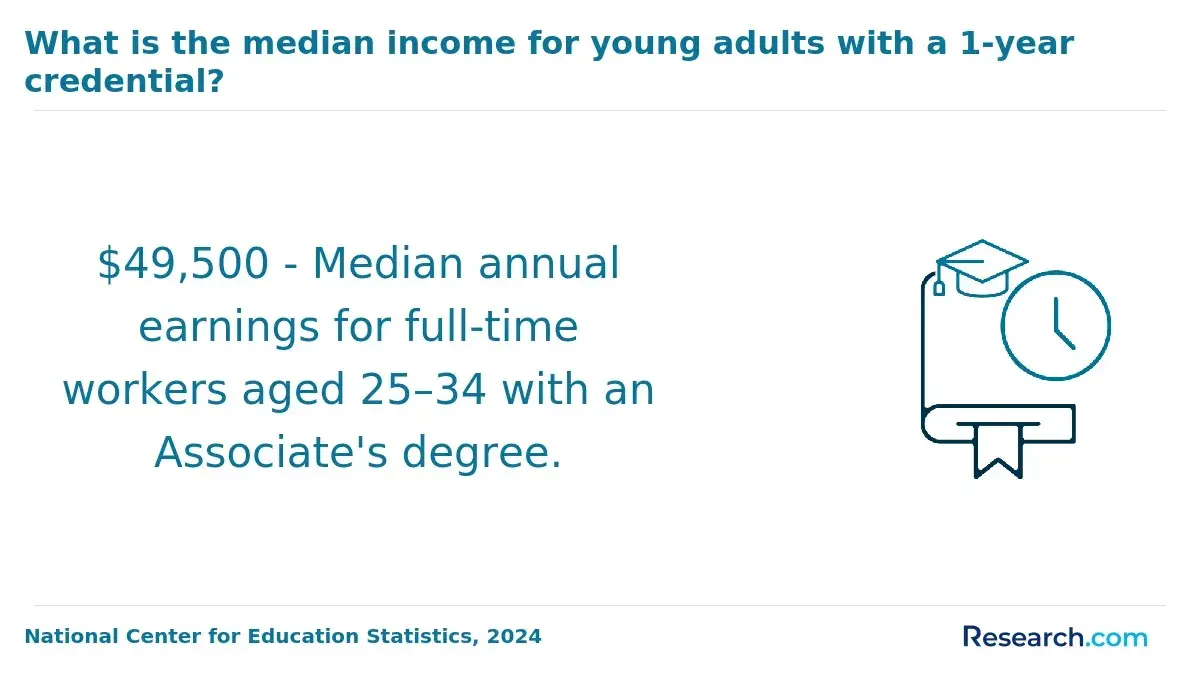
Career outcomes in homeland security degree programs in the US hinge on choosing a level that aligns with both experience and immediate job market demands. Associate degrees equip newcomers for foundational roles like security analysts or emergency management assistants, but often necessitate additional certifications for advancement. Bachelor's degrees deliver strategic competencies in risk assessment and policy development, suiting those aiming for supervisory roles or transitioning fields. For example, an emergency responder eyeing disaster recovery management benefits more from a bachelor's due to its practical scope and wider employer recognition.
Master's programs sharpen specializations such as cyber security and intelligence analysis, addressing the needs of professionals targeting leadership or analytical niches. Doctoral paths focus on research and policy formulation, fitting candidates preparing for academic or high-level federal careers. Employers in this sector increasingly favor degrees with applied elements-case studies, internships-that enhance operational readiness. Hybrid and on-campus formats retain value where access to specialized equipment or security clearances is critical.
Prospective students evaluating online homeland security degree programs in the US should weigh curriculum focus, modality, and networking opportunities against their career timelines. A bachelor's or master's with applied crisis management modules can substantially improve resilience planning competencies beyond theoretical courses. For comparison, entry-level roles typically tolerate associate degrees, but upward mobility hinges on certifications and experience.
For those contemplating related fields or cost-effective alternatives, exploring the cheapest online forensic science degree may provide insights into affordable, allied degree pathways.
What core courses and specializations in homeland security focus on resilience and emergency planning?
Online homeland security degree programs that focus on resilience and emergency planning emphasize concrete skills such as risk assessment, disaster response management, and safeguarding critical infrastructure. Curriculum often integrates courses like Emergency Management Policy, Resilience and Continuity Planning, and Crisis Communication, which collectively equip students to craft and evaluate robust emergency preparedness plans. Specializations in homeland security focusing on disaster resilience strategies frequently address sectors including cybersecurity, natural disaster mitigation, and public health emergencies, reflecting evolving interdisciplinary workforce requirements.
For instance, emergency management policy coursework prepares practitioners to identify vulnerabilities in public utilities or urban infrastructure, enabling creation of targeted continuity strategies in settings ranging from municipal governance to large event coordination where disruptions differ widely in both scale and complexity. This practical orientation aligns with job functions that demand situational awareness and adaptable response frameworks.
Resilience-focused subfields in homeland security degree programs extend to cyber-physical systems, where protecting data integrity and physical assets against cyber threats becomes essential as attackers increasingly target energy grids and transportation networks. This specialization responds directly to employer expectations for professionals who defend critical infrastructure against complex, hybrid risks.
Given the cost implications-such as St. John's University's 36-credit private online master's program at $1,000 per credit-students must weigh tuition investment against workforce outcomes. Employers value specialized expertise in resilience and emergency planning for federal and state roles where advanced planning capabilities relate to hiring preferences documented in recent government workforce analyses.
For a broader perspective on strategic online degree options, prospective students can explore Spanish degrees online, a resource reflecting how program length and cost impact career entry and return on investment across fields.
How do online homeland security programs compare to on-campus options for learning experience?
Online homeland security programs replicate core curricular elements like cybersecurity, emergency management, and critical infrastructure but fall short in delivering hands-on training integral for operational readiness. Facilities such as simulation labs and live crisis response exercises, common in in-person programs, directly build skills that employers demand but are often absent or limited in fully online formats.
Working professionals pursuing cybersecurity roles online must proactively seek opportunities to engage in penetration testing projects or emergency drills to match employer expectations aligned with a projected 32% job growth rate for information security analysts through 2032 and a median wage exceeding $120,000.
Emergency management specializations illustrate a further divide: in-person cohorts benefit from peer-driven scenario planning under realistic pressures, while online students rely heavily on self-sourced virtual collaboration tools and software simulations to develop similar competencies.
Key considerations for prospective students include:
- Immediate access to practical labs versus scheduling flexibility
- Importance of local internships or fieldwork to supplement online learning
- Need for integrating government or military clearance requirements often dependent on physical presence
- Advantages of hybrid models blending distance learning with employer-sponsored practical engagements
These tradeoffs directly influence employability and skill acquisition, emphasizing that while online degrees offer theoretical parity, bridging the gap requires deliberate incorporation of experiential components critical for sustained success in homeland security careers.
What are typical admission requirements for online homeland security degree programs?
Admission to online homeland security degree programs often hinges on selecting candidates with targeted academic backgrounds and clear job relevance, not merely on baseline qualifications. Bachelor's programs typically require a high school diploma or equivalent, sometimes with a minimum GPA of 2.5, whereas graduate-level applicants must hold a related bachelor's degree-commonly in criminal justice or emergency management-with supporting transcripts. Many programs still ask for GRE scores, but professionals with substantial field experience can sometimes bypass this hurdle.
Applicants should anticipate detailed scrutiny of their practical credentials, including personal statements focused on specific homeland security roles, rather than generic motives. Background checks are routine, reflecting the security demands of agencies like FEMA or TSA, making clearance eligibility a de facto prerequisite. Letters of recommendation from supervisors serve as gatekeepers, evaluating candidates' professional reliability and depth.
Working professionals and military veterans can leverage relevant experience to offset some academic requirements. For example, a firefighter transitioning to infrastructure security might submit operational reports to demonstrate competency.
Given that over 260,000 personnel are employed in homeland security-related federal positions, admissions committees weigh candidates' alignment with workforce needs and clear federal employment pathways. This means prospective students must navigate program requirements with an eye toward security eligibility and workforce applicability to optimize both admission success and long-term employment outcomes.
How long do online homeland security degrees take and what do they cost?
Choosing the right timeline for an online homeland security degree hinges on immediate workforce needs versus long-term strategic roles. Associate degrees, typically two years, equip graduates for entry-level positions focused on tactical response and resilience in local agencies. Bachelor's degrees span about four years and provide broader operational and planning skills favored by federal employers demanding comprehensive knowledge across emergency management domains. Master's programs, often completed in 18-24 months, appeal to working professionals balancing shift work or emergency duties with flexible pacing tailored to leadership advancement.
Costs vary widely and impact accessibility. Public in-state tuition for bachelor's degrees generally falls between $5,000 and $15,000 annually, while private institutions may charge $20,000 to $40,000 per year. Online options might reduce tuition but often add fees for technology or materials, complicating cost assessments. Financial aid and employer tuition reimbursement often dictate the feasibility of pursuing advanced credentials without jeopardizing current employment.
Given that NOAA reported 28 billion-dollar weather and climate disasters recently, programs focused on resilience and climate risk stand out for their relevance. A candidate with a targeted two-year degree emphasizing community resilience can fill emerging local emergency management roles faster, whereas longer degrees enable strategic planning positions within federal agencies confronting evolving disaster patterns.
What homeland security careers can graduates pursue and which roles use resilience planning?
Resilience planning within online homeland security degrees leads to roles that demand strategic foresight to sustain operations amid disruptions. Emergency management directors actively apply resilience planning to reduce recovery times post-natural disasters or cyber incidents, while cybersecurity analysts design systems ensuring continuity during attacks. Intelligence analysts leverage threat identification to guide critical infrastructure defense, particularly in sectors like energy and transportation.
Effective entry into resilience-focused positions requires more than compliance-based credentials; proven experience in continuity planning and scenario exercises is essential. Federal and state agencies, as well as private firms, prioritize applicants who can operationalize risk mitigation frameworks rather than those limited to basic security roles.
Financial considerations are significant for prospective students: Penn State World Campus charges between $1,037 and $1,048 per credit for online graduate courses in 2026-27, making a full-time semester exceed $12,500. Students must assess whether such investment aligns with their career objectives, especially when stackable credentials demand both time and funding.
Real-world projects, such as developing recovery plans for municipal governments or utility companies, enhance employability by demonstrating applied expertise beyond theory. Graduates who master resilience planning differentiate themselves in a competitive labor market through adaptive response skills that directly impact organizational continuity during crises.
What salary ranges and job outlook can homeland security professionals expect in the United States?
Salaries in homeland security span widely from approximately $50,000 for entry-level analysts to beyond $120,000 for senior roles such as emergency response coordinators or cybersecurity specialists. Federal positions with agencies like FEMA or DHS offer clearly defined pay scales but come with competitive hiring processes and prerequisite security clearances, often supported by targeted online credentials. State and local salaries generally reflect budgetary constraints and cost of living, varying between $55,000 and $90,000.
The field's projected 8% growth rate through 2034 is driven by rising demands in cybersecurity, disaster preparedness, and counterterrorism, particularly in critical infrastructure sectors. However, the volume of qualified applicants for federal roles and the need for specific certifications increase competition substantially.
Online programs attract a high proportion of military-affiliated students, accounting for roughly 80% of enrollees at institutions targeting this cohort. These programs enhance accessibility but require students to actively balance coursework, certification acquisition, and real-world experience to translate degrees into tangible salary gains.
For instance, a cybersecurity analyst in a metropolitan transit setting earning $70,000 can elevate their earning potential to over $95,000 within several years by obtaining certifications such as CISSP post-degree. Conversely, graduates in rural emergency management roles may encounter wage stagnation without relocation or federal credentialing.
Are there certifications or professional standards that strengthen careers in homeland security resilience?
Certifications like the Certified Emergency Manager (CEM) and Certified Homeland Protection Professional (CHPP) serve as practical gatekeepers in homeland security resilience roles, where employers prioritize verifiable operational skills over theoretical knowledge. For example, federal agencies often require proficiency in multiagency coordination and risk assessment, skills directly assessed through these credentials. Without such certifications, candidates face significant obstacles proving readiness for high-stakes disaster response and crisis communication scenarios.
The value of certification varies by sector and scope, with federal mandates focusing on standards such as the National Incident Management System (NIMS) and Risk Management Framework (RMF). In contrast, private sector and local government roles tend to emphasize credentials tailored to regulatory compliance and industry-specific threats, particularly in critical infrastructure and utilities.
Employers in intelligence and cybersecurity increasingly integrate certifications aligned with Department of Homeland Security or FEMA criteria as prerequisites, recognizing these qualifications as proxies for workforce competency and adherence to national protocols.
Key workforce implications include:
- Clear segmentation of role eligibility based on certification type and recognized frameworks
- Improved job mobility within complex regulatory and operational environments
- Heightened demand for credentials that demonstrate cross-sector crisis coordination and communication skills
The BestColleges 2024 workforce forecast projects faster-than-average growth in homeland security functions through 2032, underscoring certification as a strategic necessity rather than an optional credential for sustained employment and advancement.
Other Things You Should Know About Homeland Security
Managing full-time employment alongside an online homeland security degree requires disciplined time management and realistic course load expectations. Programs with accelerated courses or synchronous sessions often complicate scheduling for working professionals. Prioritize programs offering asynchronous content and flexible deadlines to maintain steady progress without sacrificing job performance or professional commitments.
Many online programs struggle to replicate hands-on experiences such as simulations, fieldwork, or secure environment training that are essential for resilience planning. Programs with virtual labs or mandatory in-person practicums provide better practical skill development. When evaluating programs, choose those that explicitly incorporate applied learning components to ensure readiness for real-world homeland security roles.
Choosing a specialized homeland security degree offers focused knowledge in security threats and policy, which aligns closely with resilience planning in government or intelligence sectors. Broader emergency management degrees provide a wider scope, including disaster response and community resilience, suitable for roles spanning public health and humanitarian aid. Prioritize the program based on your target employer sector and the nature of resilience challenges you intend to address.
References
- Seven Jobs You Can Do with a Degree in Emergency Management and Homeland Security https://www.albany.edu/graduate/news/2025-seven-jobs-you-can-do-degree-emergency-management-and-homeland-security
- Online Homeland Security Degrees: Explore Top Programs https://www.degreesforgood.org/online-degrees/homeland-security-programs/
- Differences Between a Criminal Justice and Homeland Security Degree https://www.nec.edu/news/criminal-justice-vs-homeland-security-degree
- Choosing a bachelor's in homeland security | edX https://www.edx.org/resources/how-to-choose-a-bachelors-in-homeland-security
- Online Bachelor's Degree: Homeland Security https://www.umgc.edu/online-degrees/bachelors/homeland-security
- What Is a Homeland Security Degree? https://www.trident.edu/articles/what-is-a-homeland-security-degree/
- Emergency Management vs. Homeland Security: Which MPS Is Right for You? https://sopa.tulane.edu/blog/emergency-management-vs-homeland-security-which-mps-right-you
- Pathway Programs - Center of Excellence for Homeland Security-Emergency Management https://www.coehsem.com/pathways-programs/
- Homeland Security Requirements (Degrees, Jobs & Salary) https://www.allcriminaljusticeschools.com/federal-law-enforcement/homeland-security/
- Teaching Key Elements of Decision Making Online for Homeland Security and Emergency Management https://jsire.org/teaching-key-elements-of-decision-making-online-for-homeland-security-and-emergency-management/