2027 Homeland Security Degrees That Work Best for Government Employees Using Tuition Assistance

Co-Founder and Chief Data Scientist
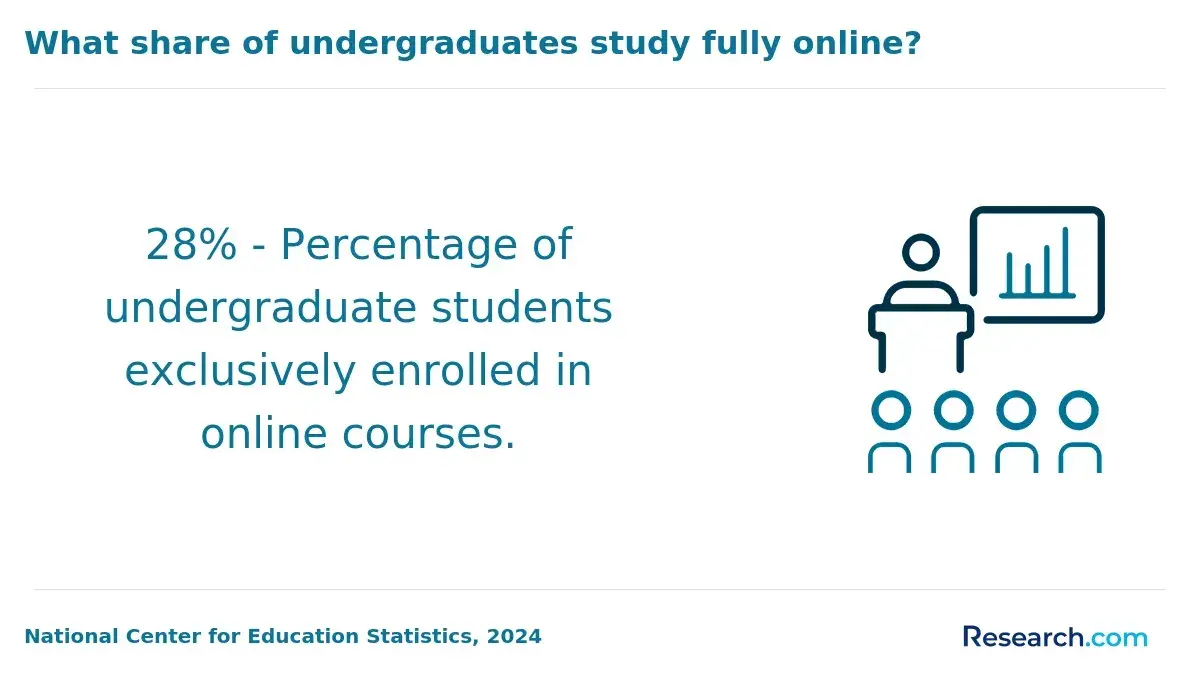
Government employees pursuing advancement in homeland security often face a pressing challenge: balancing demanding work schedules with the need to obtain relevant degrees without financial strain. With the federal tuition assistance program covering up to $4,500 annually, strategic program choice becomes critical, as many professionals must optimize learning formats and credit transfer policies to avoid costly delays or loss of benefits. Recent National Center for Education Statistics data shows a 38% surge in adult enrollment for fully online security-related degrees, reflecting workforce shifts toward flexible, career-aligned education paths. This article analyzes degrees that maximize tuition assistance and meet real-world professional criteria, empowering readers to navigate educational decisions that directly enhance their government service trajectories.
Key Things You Should Know
- Federal data shows 62% of homeland security graduates using tuition assistance enter roles requiring counterterrorism specialization; prioritizing programs with focused intelligence curricula accelerates readiness but narrows broader operational flexibility.
- Employers across DHS and related agencies increasingly favor candidates with cybersecurity certifications alongside degrees, reflecting a 38% rise in IT-based homeland security roles from 2023 to 2025; degrees lacking technical integration risk slower career advancement.
- Tuition assistance caps averaging $4,500 annually constrain degree completion timelines, pressuring learners to select accelerated or stackable credentials; this compresses academic depth and may limit eligibility for senior-level federal leadership tracks.
How do homeland security degrees align with federal tuition assistance rules for government employees?
Federal tuition assistance eligibility hinges on how well a homeland security degree aligns with explicit government education criteria and job relevance. For government employees, particularly those aiming to pivot roles such as moving from administrative work into cyber threat analysis, a program must offer accredited coursework directly tied to their new occupational functions. This is critical to meet reimbursement standards and avoid denied tuition benefits.
Programs focusing primarily on policy or emergency management without technical skill application frequently do not satisfy federal reimbursement policies, limiting their practical use for employees seeking tuition assistance. Degrees emphasizing applied competencies, like information security analysis-where demand is projected to grow 33% between 2023 and 2033-offer a clearer path to leveraging tuition benefits for workforce advancement. Aligning homeland security programs with government employee tuition benefits demands strategic selection and rigorous verification.
Practical steps include securing pre-approval from agency education officers, documenting program accreditation, obtaining course descriptions, and collecting supervisor endorsements to confirm relevance. Misalignment with federal competency frameworks often results in non-reimbursement, causing financial and career setbacks.
Those considering this path should also be aware of adjacent degree options, such as a bachelor's degree in criminal justice, which may offer complementary or alternative routes within related public safety careers.
Which homeland security degree levels work best for advancing a government security career?
Bachelor's and master's degrees in homeland security distinctly shape access to government security roles, with clear implications for career progression within the federal workforce. Entry-level GS-7 to GS-11 positions typically require a bachelor's degree, but advancement beyond those ranks frequently hinges on obtaining a master's credential combined with relevant experience. For example, federal agents targeting leadership in cybersecurity or intelligence divisions often need the specialized analytical skills and policy knowledge that master's programs emphasize. This dynamic mirrors broader hiring trends: security-clearance recruitment surged over 300% from 2015 to 2025, signaling intensified competition for candidates with advanced qualifications suited to complex agency needs.
Associate degrees tend to limit candidates to technician or administrative tasks and rarely support growth in clearance-dependent fields. Conversely, doctoral degrees are mostly relevant to research roles with little operational impact. Employees utilizing tuition assistance should prioritize bachelor's programs concentrating on threat assessment, emergency management, and intelligence analysis before progressing to master's curricula focused on leadership and policy integration, aligning education with specific federal agency roles and clearance requirements.
Practical workforce considerations include navigating promotional bottlenecks and ensuring degrees align with job requirements to avoid wasted time. Those evaluating homeland security degree programs for government career advancement will also find comparative insights useful from related credentials like the paralegal certificate, which demonstrate how credential level and specialization influence employment outcomes in government sectors.
What should government employees look for in accredited homeland security programs?
Accreditation from federally recognized bodies like the Council for Homeland Security Education is a non-negotiable criterion for government employees seeking the best accredited homeland security degree programs for government employees. Such accreditation ensures coursework directly targets federal needs including emergency management, intelligence analysis, cybersecurity, and counterterrorism-fields that are pivotal as threats evolve.
Practical constraints demand program flexibility: part-time, online, or hybrid structures enable students to juggle government duties without delaying credential completion. A federal employee pursuing an emergency management path, for instance, must confirm whether the program accepts tuition assistance transparently to avoid out-of-pocket costs, reflecting a key feature of top homeland security programs for federal workers.
Employers increasingly favor candidates equipped with hands-on skills like crisis communication and risk assessment. Programs lacking applied training or federal sector specificity often generate credential inflation without salary growth. The U.S. Bureau of Labor Statistics notes emergency management directors earn a median $83,960 annually, illustrating how specialized training beyond theoretical knowledge can translate into tangible economic gains.
Post-graduation support that includes federal-aligned career services and robust alumni networks significantly affects job placement in government roles. Investing in degrees without such data risks stagnant progression. For professionals weighing options, balancing accreditation, practical curriculum, flexible delivery, and measurable employment outcomes separates effective programs from mere academic credentials.
Prospective students can also explore options such as a paralegal certificate online for complementary legal knowledge relevant in interagency operations.
How do online homeland security degrees compare to campus-based programs for federal workers?
For federal employees, choosing between online homeland security degree benefits and campus-based homeland security programs requires assessing how each format aligns with demanding work schedules and security protocols. Online degrees offer essential flexibility, allowing coursework to be completed around deployments or shifts, reducing career interruptions. However, federal roles involving tactical fieldwork or advanced research often demand experiential learning opportunities typically found in campus programs, such as direct faculty mentorship and immersive labs.
Cybersecurity positions within federal agencies, where the median annual wage for information security analysts reached $124,910 in May 2024, illustrate this divide. While online programs increasingly provide virtual labs and capstone projects, on-campus access to controlled cyber ranges can better simulate real-world threats and factor into clearance-sensitive hiring, especially in agencies like the NSA or DHS.
Key factors for federal employees include:
- Evaluating if agency tuition assistance policies favor online formats or require in-person verification for background checks.
- Confirming program accreditation to ensure credential recognition across departments.
- Considering cost advantages of online study by eliminating housing and commuting expenses.
Those weighing government worker options should balance the flexible benefits of online learning with campus-based tradeoffs in peer networking and hands-on training. For tailored insight on related pathways, including options in environmental health and safety, see environmental health and safety online degree programs.
What core courses and specializations matter most in homeland security for government roles?
Choosing specialized coursework in homeland security is a critical decision that shapes career trajectory within federal government roles, where practical application and agency mission alignment matter most. For example, federal employees in border security integrate customs law knowledge with physical security tactics daily, demanding a curriculum focused on regulatory compliance and immigration enforcement protocols to navigate complex operational environments effectively.
Key competencies in cybersecurity specialization emphasize network security, digital forensics, and threat mitigation, which are essential for protecting critical infrastructure against evolving digital threats. Conversely, emergency management specialists must develop skills in crisis communication, resource logistics, and interagency coordination to respond dynamically to disaster scenarios.
Programs catering to government employees leveraging tuition assistance require flexible scheduling and accelerated pathways, enabling students to balance ongoing work demands with skill acquisition. Hands-on training components, such as simulations of terrorist incidents and cybersecurity exercises, elevate readiness and mirror real-world contingencies. Prospective students should factor in the tradeoff between specialization depth and workload intensity-overloading on electives may hinder immediate applicability while narrowly focused studies can limit broader operational understanding.
Aligning educational choices with agency-specific missions enhances promotion potential and operational effectivity. With over 60,000 personnel in U.S. Customs and Border Protection alone, expertise in customs and border security remains a strategic asset within the homeland security workforce.
How can government employees use tuition assistance to minimize out-of-pocket homeland security costs?
Government employees effectively reduce out-of-pocket expenses for homeland security degrees by navigating agency-specific tuition assistance programs, which often cover between 50% and 100% of tuition costs. Given the average in-state tuition at public four-year institutions is $11,260 for 2024-25, employees must carefully assess how their agency's reimbursement aligns with actual tuition rates.
Success in maximizing tuition assistance hinges on:
- Verifying eligibility, funding limits, and potential caps that differ by agency and fiscal period.
- Choosing accredited programs with curricula aligned to homeland security roles, ensuring approvals for reimbursement and relevant skill development.
- Maintaining minimum GPA requirements-often around 3.0-to retain benefit eligibility without repayment obligations.
- Coordinating early with HR or education services to complete required documentation and meet deadlines.
For instance, a TSA agent enrolled in an accredited public institution can potentially receive full tuition reimbursement, avoiding upfront costs near the $11,260 benchmark. Conversely, pursuing private or out-of-state programs with higher tuition risks exceeding benefit limits, resulting in substantial personal expenses. Smaller agencies with limited budgets may offer partial coverage, requiring applicants to strategize supplemental funding or deferments.
Combining agency tuition assistance with GI Bill benefits or competency-based credit pathways can lower total expenses and accelerate program completion. Understanding these operational tradeoffs is critical for employees aiming to pragmatically finance their homeland security education while minimizing financial risk.
What are the typical admission requirements for homeland security degrees for working adults?
Admission to homeland security degree programs designed for working adults prioritizes verifiable professional experience over traditional academic metrics, reflecting workforce realities where practical skills often trump standardized testing. Candidates typically need a high school diploma or equivalent, but stronger emphasis is placed on backgrounds in law enforcement, emergency management, or military service.
For example, programs frequently waive standardized test requirements if applicants provide detailed resumes demonstrating relevant field experience, aligning admission with immediate job applicability rather than theoretical knowledge alone. Many institutions also require official transcripts when government employees pursue degree completion, facilitating credit transfer and reducing redundancy.
Applicants may have to submit personal statements clarifying how their goals and experience fit homeland security priorities, providing admissions committees insight into practical readiness and long-term fit. Additionally, programs linked to federal agencies may demand active security clearances, adding a significant operational barrier for some prospective students.
Key factors to consider include:
- Requirement of an associate degree or minimum transferable credits for bachelor's completion tracks
- Emphasis on resumes over standardized testing for experienced candidates
- Security clearance status as a gating criterion in some programs
- Balance between academic standards and workforce relevance to expedite degree completion
Such criteria acknowledge that nearly half of recent bachelor's degree holders work in positions demanding practical skills alongside academic credentials, steering programs to accommodate career-focused adults without full-time study commitments.
Which homeland security careers in government offer the best salary and promotion potential?
Advancement in homeland security careers within government agencies hinges on a targeted combination of specialized expertise, operational impact, and security clearances rather than broad generalist roles. Positions such as cybersecurity manager, intelligence analyst, and emergency management director show median salaries from $95,000 to $140,000, reflecting the premiums attached to technical mastery and clearance status.
Practical progress favors professionals who have demonstrated leadership in multi-jurisdictional disaster responses or designed robust incident response protocols. These accomplishments drive faster promotion and larger pay increases, particularly within agencies like the Cybersecurity and Infrastructure Security Agency (CISA) and the Federal Emergency Management Agency (FEMA). Employees without focused credentials or relevant operational achievements face stagnant salary trajectories.
Advanced degrees aligned with cyber defense, risk analysis, or crisis management accelerate career growth but require strategic planning around clearance timelines and agency demand to avoid wasted educational investment. Security clearances introduce delays but significantly elevate pay grades once obtained, so course selection must balance instructional value with realistic clearance-associated timing.
Key workforce considerations include:
- Targeting specialized degrees that correspond directly to federal agency priorities and growth areas.
- Leveraging tuition assistance for programs that enhance clearable operational roles.
- Mastering interagency collaboration and incident leadership to rise beyond entry-level positions.
What is the long-term job outlook for homeland security roles in federal, state, and local agencies?
Federal, state, and local homeland security careers demand specialized skills aligned with distinct operational priorities, making educational choices critical. Operations research analysts, including intelligence analysts primarily in federal roles, are projected to grow 9% from 2023 to 2033 according to the U.S. Bureau of Labor Statistics, emphasizing data-driven threat assessment and resource allocation.
State analysts often differ from federal counterparts by focusing on emergency management or counterterrorism within localized contexts, requiring degrees with applied skills in intelligence gathering, risk analysis, and interagency communication. Practical experience combined with security clearances remains a non-negotiable hiring standard.
Working professionals face a balancing act: robust programs incorporating live simulations, government system training, and certificate paths to clearance eligibility offer direct operational advantages but often reduce scheduling flexibility. Transitioning between agencies highlights credential disparities, adding complexity for mid-career pivots.
Ongoing education targeting emerging domains like cyber warfare and biosecurity is necessary to avoid stagnation, as generalist degrees without updated methodologies lose relevance. Strategic program selection should prioritize curriculum content proven to enhance analytic capabilities and operational readiness, reflecting the nuanced expectations of government employers and the sector's occupational trends.
Are there professional certifications that complement homeland security degrees for government employees?
Professional certifications offer targeted value beyond homeland security degrees by validating specific skill sets that academic programs often omit. For instance, a federal law enforcement officer with a homeland security degree benefits markedly from the Physical Security Professional (PSP) certification, which concretely demonstrates expertise in vulnerability assessment and protective strategies. Similarly, Certified Homeland Protection Professional (CHPP) credentials align closely with federal and state homeland security roles, emphasizing applied knowledge in risk management and emergency response-areas frequently prioritized in hiring and promotion decisions.
The Certified Information Systems Security Professional (CISSP) credential is increasingly relevant as cybersecurity integration becomes central to homeland security operations within government agencies. Meanwhile, professionals involved in project management or interagency coordination find credentials like Project Management Professional (PMP) essential to meet evolving operational requirements.
Financially, the Bureau of Labor Statistics data shows that bachelor's degree holders earn a median weekly wage of $1,543 compared to $930 for high school graduates, but certifications can accelerate advancement and access to specialized roles that command higher pay. The decision to pursue these credentials involves balancing factors such as renewal costs, time investment, and agency-specific certification recognition.
Strategic credential selection should map directly to job classifications and anticipated human resources criteria. Government employees planning career pivots or progression should consider institutional tuition support alongside certification expenses and ensure chosen certifications are respected by relevant federal or state agencies.
Other Things You Should Know About Homeland Security
Balancing homeland security studies while working full-time in government roles requires careful time management due to demanding workloads and irregular hours. Many programs expect students to engage deeply with case studies, simulations, and policy analysis, which can conflict with job responsibilities. Prioritizing programs with flexible deadlines, asynchronous courses, and clear employer support is essential to avoid burnout and ensure course completion without compromising job performance.
Specialization choice directly impacts career paths and advancement speed in federal agencies. Fields like cybersecurity and intelligence analysis currently offer better promotion prospects due to increased funding and demand, while broader specializations such as emergency management may require additional certifications for comparable advancement. Government employees should prioritize specializations aligned with agency missions and current budget priorities to maximize return on their educational investment.
Practical experience remains critical for advancement beyond the degree's theoretical foundation, especially in homeland security. While working government employees might leverage on-the-job experience, supplementing education with targeted internships, fellowships, or rotational assignments within agencies enhances applied skills and visibility. This hands-on experience often differentiates candidates for leadership roles where strategic operational knowledge is a must.
In 2027, government employees using tuition assistance for homeland security degrees can benefit from reduced education costs, enhanced skill sets relevant to their roles, and the potential for career advancement within federal agencies. These degrees provide targeted knowledge that aligns with current national security challenges.
References
- Bachelor of Science in Homeland Security https://www.trident.edu/bachelors-online/homeland-security-degree/
- GAO-11-300, DOD Education Benefits: Increased Oversight of Tuition Assistance Program Is Needed https://www.gao.gov/assets/a316200.html
- Online Bachelor's Degree: Homeland Security https://www.umgc.edu/online-degrees/bachelors/homeland-security
- Department of Homeland Security (DHS) https://obamaadministration.archives.performance.gov/agency/department-homeland-security.html
- Redefining Homeland Security: A New Framework for DHS To Meet Today’s Challenges - Center for American Progress https://www.americanprogress.org/article/redefining-homeland-security-new-framework-dhs-meet-todays-challenges/
- What Can You Do with a Homeland Security Master's Degree? | Tiffin University https://go.tiffin.edu/blog/what-can-you-do-with-a-homeland-security-degree/
- What Can You Do With A Homeland Security Degree? https://www.criminaljusticeprograms.com/articles/what-can-you-do-with-a-homeland-security-degree/
- Graduate Certificate: Homeland Security - Rosemont College https://rosemont.edu/college/academics/professional-studies/graduate/homeland-security-emergency-management-graduate-certificate/
- CBP Tuition Assistance Program (TAP) | U.S. Customs and Border Protection https://www.cbp.gov/employee-resources/benefits/tap
- Homeland Security Career And Salary Information https://www.criminaljusticedegreeschools.com/careers/homeland-security/