2027 Online Homeland Security Degrees That Help Build Public Safety Leadership Skills

Co-Founder and Chief Data Scientist
Facing complex threats ranging from cyberattacks to natural disasters, homeland security professionals must lead with agility and informed decision-making. Yet traditional degree programs often lack the flexibility or focus needed by mid-career practitioners balancing shifting operational demands and ongoing credential requirements.
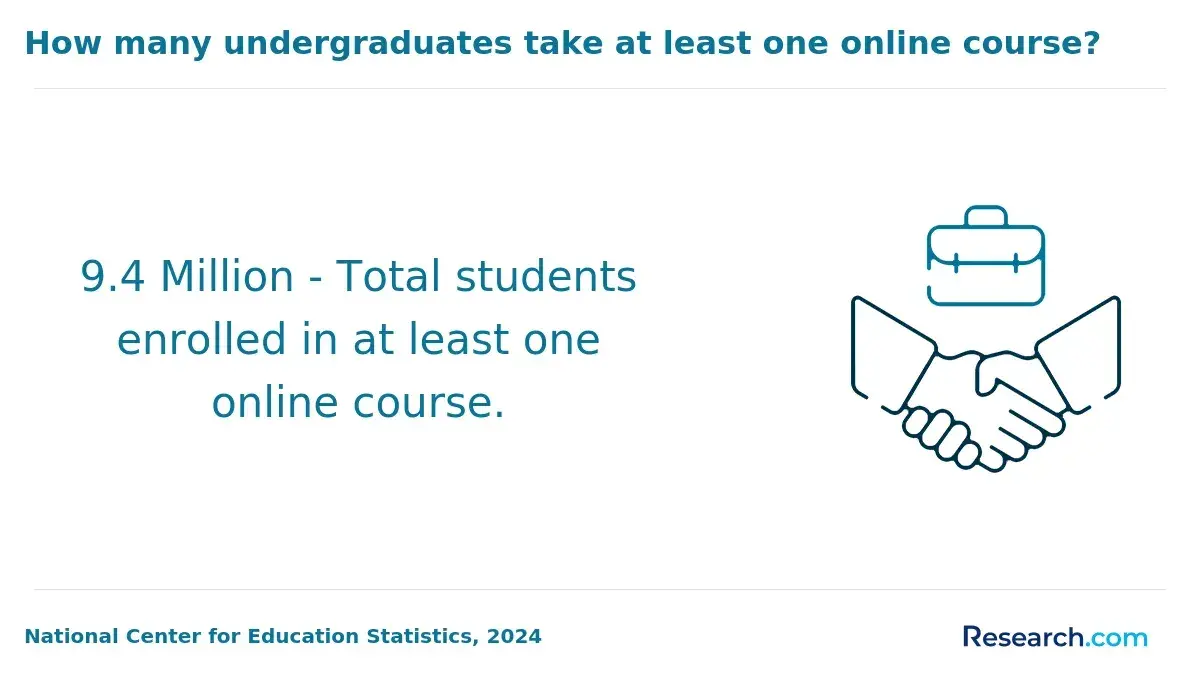
Recent data from the National Center for Education Statistics shows a 15% annual increase in online graduate enrollment among adult learners, revealing a growing preference for adaptable, career-aligned study models. This shift underscores the need for programs that not only impart leadership skills but also accommodate fluctuating schedules and timely workforce demands.
This article examines online homeland security degrees designed to build public safety leadership capabilities while addressing these practical constraints and career objectives.
Key Things You Should Know
- Online homeland security degrees in 2026 show a 15% salary premium but require balancing accelerated technical content with leadership skill development, a common challenge noted in recent DHS workforce competency analyses.
- Employers prioritize candidates with combined cyber and crisis management certifications, increasing demand for hybrid degree programs; 68% of federal agencies now prefer graduates with verified practical simulations, per GAO workforce reports.
- Average student debt for online homeland security degrees rose 12% since 2022, constraining access for mid-career professionals; timely program completion correlates strongly with higher retention and promotion rates, according to 2024 NCES data.
What is an online homeland security degree?
Online homeland security degree programs serve as tactical investments for professionals seeking supervisory or analytical roles tied to security clearance requirements. The demand surge in security-cleared candidates-driven by a 300%+ increase in relevant job openings documented by ClearanceJobs between 2015 and 2025-positions these degrees as gateways to leadership in public safety sectors.
These degrees specifically build public safety leadership skills online, focusing on risk management, intelligence analysis, and emergency response while integrating hands-on cybersecurity and threat assessment training. For example, a law enforcement officer transitioning into federal service can leverage applied coursework and virtual simulations to quickly assume counterterrorism supervisory roles without disrupting current employment.
However, candidates must navigate the tension between the program's flexibility and the complexity of securing internships or clearance sponsorships remotely. Access to secure virtual labs requires meeting stringent technical standards, reinforcing employers' expectations for both theoretical proficiency and pragmatic problem-solving.
Understanding the financial implications is part of informed enrollment decisions. For a nuanced view of tuition and fees associated with related pathways, reviewing a criminal justice degree price analysis can provide relevant context.
Which online homeland security programs are accredited?
Employers in homeland security prioritize candidates from accredited online homeland security degree programs because accreditation is a gatekeeper for eligibility in federal roles requiring clearance and specialized credentials.
Programs accredited by regional bodies recognized by the Council for Higher Education Accreditation (CHEA), such as the Middle States Commission on Higher Education or the Southern Association of Colleges and Schools Commission on Colleges (SACSCOC), align curricula with federal standards, which is critical given the U.S. Department of Homeland Security's $176.18 billion budget for fiscal year 2024.
Consider a mid-career law enforcement professional aiming to transition into federal cyber defense. Choosing the best accredited homeland security programs online ensures the curriculum covers interdisciplinary threat analysis, emergency management, and cybersecurity, which employers demand. Many programs also feature faculty with active security clearances, offering practical, realtime threat response experience that enhances workplace readiness.
Attending an unaccredited program risks limiting access to federal employment and reduces competitiveness for specialized homeland security certifications.
Accredited programs facilitate credit transferability and acceptance by professional certification boards, easing career pivots or advancement. Prospective students should verify accreditation status through official college websites or the U.S. Department of Education's Database of Accredited Postsecondary Institutions and Programs.
Those researching pathways to cyber-focused roles may also evaluate online cybersecurity degree programs to complement homeland security expertise.
How do online and campus homeland security degrees compare?
Choosing between online and campus homeland security degrees entails critical tradeoffs tied to skill acquisition and employability. Campus programs deliver structured, hands-on training through direct engagement with local public safety agencies and emergency response drills, fostering operational leadership necessary for roles such as federal police or detectives.
By contrast, online degrees provide flexibility, which benefits working professionals, but often lack immersive field experiences that federal employers expect, especially for physically demanding positions.
Students weighing differences between online and traditional homeland security programs must consider position focus. Tactical roles generally require practical exposure best gained on campus; administrative or policy careers can align with virtual learning supported by simulations and regional partnerships. This distinction affects starting salaries and career trajectories, with federal public safety roles averaging a median annual wage of $75,570 in May 2023.
For a prospective leader in state homeland security, campus study enables critical incident command practice and networking opportunities not easily replicated online. Conversely, online learners should anticipate supplementary field training post-graduation to meet readiness standards. These decisions hinge on individual circumstances including employment status, geographic limitations, and career goals.
Ultimately, understanding online vs campus homeland security degree benefits goes beyond convenience, directly impacting skill relevancy and long-term advancement. Prospective students, including those exploring degrees felons can get, must align program formats with realistic workforce demands to maximize educational value.
What courses are in a homeland security curriculum?
Operational expertise in homeland security requires curricula that combine multidisciplinary theory with scenario-based leadership training. Core courses encompass emergency management, cybersecurity, intelligence analysis, and counterterrorism, which collectively ground students in threat mitigation and coordinated response.
This foundational knowledge is critical, but employers increasingly expect graduates to demonstrate skills in crisis communication, ethical decision-making, and interagency collaboration to handle the complexities of public safety leadership training programs effectively.
Advanced subjects like risk assessment methodologies and infrastructure protection prepare students to identify vulnerabilities in settings such as urban transit and public health emergencies. For instance, an emergency manager responding to a natural disaster must integrate logistical planning with psychological resilience strategies to sustain operational control and maintain team cohesion under pressure.
Quantitative competencies in data analysis and public policy are pivotal, enabling graduates to interpret intelligence and align security measures with evolving regulatory demands. Given labor market forecasts that 42% of new U.S. jobs by 2031 will require at least a bachelor's degree, these programs respond to intensified employer preferences for formal education coupled with leadership readiness.
Workforce realities necessitate structured course sequencing starting with foundational security principles before advancing into specialized leadership and technology topics. This approach is particularly relevant for professionals seeking an environmental health and safety degree online as a strategic pathway to career pivoting within homeland security contexts.
What admissions requirements do homeland security programs usually have?
Admissions expectations for homeland security programs vary significantly based on career goals and educational level. Undergraduate applicants typically need a high school diploma or equivalent, with some programs requiring college credits or an associate degree as baseline credentials.
Master's programs almost always require a bachelor's degree and often prefer candidates with relevant experience in public safety or criminal justice, especially if standardized tests like the GRE are not submitted.
Online options cater to working professionals by offering flexible admissions criteria that often include a detailed resume, letters of recommendation from supervisors familiar with public safety roles, and a personal statement outlining leadership objectives within homeland security. Background checks or proof of eligibility for sensitive roles may also be prerequisites, acknowledging the sector's security demands.
Professionals without relevant experience should carefully evaluate whether a program's curriculum focuses on applied leadership training or mainly theoretical content, as this distinction can affect promotion potential. For instance, a detective seeking advancement into management must ensure that training addresses practical leadership challenges rather than purely academic theory.
The U.S. Bureau of Labor Statistics Occupational Outlook Handbook forecasts over 62,000 annual openings for police officers and detectives through 2036, emphasizing the steady demand for skilled candidates balancing employment with advanced education.
Flexible online programs that accommodate this balance provide realistic pathways to skill development, but applicants must verify alignment between their professional background and program expectations to avoid slowing progress.
How long does an online homeland security degree take to finish?
Completion time for an online homeland security degree directly impacts both financial costs and professional momentum. Full-time enrollment generally takes 18 to 24 months to complete a 30- to 36-credit master's program, while part-time students can extend beyond two years to accommodate work and personal obligations without academic penalty.
However, stretched timelines risk escalating tuition expenses and delaying the return on investment, especially when tuition rates approach $790 per credit, as observed at Pace University.
Working professionals, such as public safety officers balancing irregular shifts, must strategically schedule coursework to sustain steady progress and avoid burnout. Employers prioritize candidates who demonstrate timely degree completion and the ability to manage demanding schedules, linking these factors to promotion potential and leadership readiness.
Key considerations for prospective students include:
- Assessing employer support for flexible study arrangements.
- Choosing programs with clearly defined pacing and workload expectations.
- Evaluating how accelerated or modular course formats may affect weekly commitments.
Consequently, efficient program navigation influences not only educational expenses but also the practical value of the credential in homeland security recruitment and advancement contexts. Deciding on pacing and enrollment intensity should balance realistic time availability against the strategic imperative to minimize opportunity costs and skill obsolescence.
How much do online homeland security degrees cost?
Graduate-level online homeland security degrees cost between $15,000 and $40,000+, with public institutions charging roughly $500 to $1,200 per credit hour and private schools exceeding $1,500. The decision to pursue an advanced degree hinges on whether the specialized leadership and risk management skills it imparts justify the financial and time investments-especially for mid-career professionals who must balance tuition against lost income and personal expenses.
Additional fees-technology, textbooks, and background checks or security clearances-often required by public safety agencies, raise total costs beyond tuition alone. Part-time enrollment options can ease financial strain by extending the timeline but may delay entry into higher-paying leadership roles.
Projected 47% growth in the global public safety market through 2031, reaching over $598 billion, indicates increasing demand for skilled leaders in this field. However, federal agencies offering higher salaries often require lengthy credentialing and security clearances, whereas local government roles might have lower pay but faster program completion and deployment.
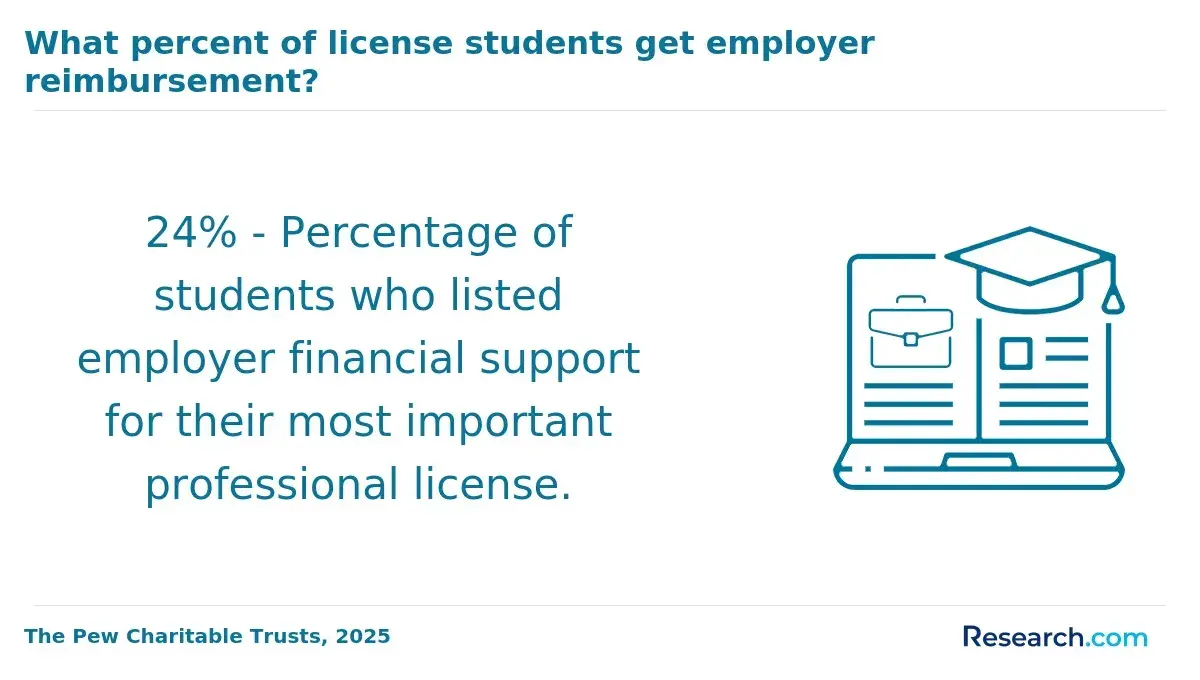
Decision-makers must weigh whether accelerated, costlier programs yield better returns than affordable, slower tracks. Financial aid and employer tuition reimbursement critically influence net costs and practical accessibility for those aiming for upward mobility. Online degrees are viable for those strategically evaluating these tradeoffs in alignment with career timing and employer expectations.
What jobs can you get with a homeland security degree?
A bachelor's degree in homeland security is a practical prerequisite for roles requiring security clearance, such as intelligence officers or protective service agents. Over the last decade, demand for clearance-holding candidates surged by more than 300%, reflecting a pronounced market need, according to ClearanceJobs' "Security Clearance Hiring Trends" (2026). This credential functions as a gatekeeper for positions that merge strategic oversight with operational responsibility.
Operational agencies like FEMA and the Department of Homeland Security rely heavily on graduates to fill roles in disaster planning, critical infrastructure protection, and threat analysis. Private firms in cybersecurity and risk management similarly seek professionals who can manage compliance and incident response.
In these settings, a bachelor's degree often marks the threshold for supervisory responsibilities connecting field operations with executive decisions.
Tradeoffs include the clearance process duration, which may delay employment but enables access to sensitive, higher-level positions. Online programs offer flexibility but may lack embedded internships crucial for practical experience.
For instance, military veterans with active clearances often benefit most from programs aligned with federal standards that expedite civilian leadership transitions.
How much do homeland security professionals earn?
Salary variation within homeland security careers largely depends on specialization, experience, and oversight responsibilities, which directly affect market value. For instance, entry-level police officers without supplementary qualifications typically earn under $40,420 annually, while specialized detectives, especially in counterterrorism or cybercrime, can exceed $105,540. This gap illustrates the financial impact of targeted expertise and advanced training in the field.
Employers prioritize candidates with certifications and practical experience addressing specific threats such as terrorism financing, cyberterrorism, or critical infrastructure protection. These distinctions often translate to meaningful salary differentials compared to general law enforcement roles.
The decision to pursue advanced homeland security degrees should consider:
- Alignment of degree specialization with agency needs for roles like intelligence analysis or emergency management.
- Tradeoffs between lower starting salaries in some sectors against long-term upward mobility enabled by tailored credentials.
- The necessity of ongoing education and certifications to overcome earnings plateaus common for professionals lacking specialized skills.
Transitioning professionals must weigh current compensation against the costs and duration of advanced programs to ensure these investments deliver measurable advantage in competitive hiring environments.
What certifications strengthen a homeland security career?
Certifications in homeland security serve not just as credentials but as strategic tools to balance gaps in direct leadership experience and demonstrate specialized operational skills. Practical certifications like the Certified Emergency Manager (CEM), Certified Protection Professional (CPP), and FEMA's Professional Development Series validate expertise that agencies and private employers prioritize, especially when candidates lack extensive frontline management history.
Those aiming for leadership roles in emergency management, such as disaster response directors, gain tangible advantage through FEMA's tactical-focused certifications, which align with real-world disaster planning and recovery demands. Conversely, CPP certification is more relevant for those shifting to corporate security, emphasizing risk assessment and asset protection vital to private sector roles.
Employers across public safety and private sectors increasingly expect applicants to present a mix of formal credentials and advanced degrees, especially master's programs in public safety management and leadership. These programs prep graduates for senior appointments like chief of police or EMS director, where strategic management and operational expertise are prerequisites.
Certification also functions as a career pivot signal, assuring hiring managers of validated skills when experiential records are sparse or nontraditional. For students and professionals evaluating educational pathways, the decision hinges on aligning credentials with targeted roles and understanding that advanced degrees and certifications complement rather than replace field leadership.
Other Things You Should Know About Homeland Security
Online homeland security degrees in 2027 offer courses in crisis management, policy analysis, and strategic planning, which are critical components for leadership in public safety. These programs use simulations and case studies to enrich decision-making skills, crucial for effectively managing real-world high-pressure situations.
The workload in reputable online homeland security degrees is comparable to on-campus programs but demands disciplined time management since courses often require weekly participation, extensive reading, and project-based assessments. For working professionals, this means balancing rigorous academic requirements with job responsibilities, which can be stressful without structured support or flexible deadlines. Choosing a program with asynchronous options and clear, realistic milestones is critical to avoid burnout and ensure completion.
Federal agencies prioritize candidates with degrees that emphasize policy, intelligence analysis, and emergency management aligned with national standards. Prospective students should verify that the program's curriculum matches these competencies and check for faculty experience in federal service or partnerships that facilitate internships. Programs focused too heavily on commercial security aspects or lacking applied intelligence components may limit federal employability and career advancement.
While an online degree provides essential knowledge, leadership roles in homeland security frequently demand advanced critical thinking, interpersonal skills, and practical experience beyond academic credentials. Students aiming for leadership should plan to supplement their degree with leadership development courses, professional certifications, or field experience. Selecting programs that offer integrated leadership training or capstone projects with real-world applications offers a more direct path to career growth.
References
- Your Guide to Homeland Security Certification - ARES Security https://aressecuritycorp.com/2025/01/30/homeland-security-certification/
- Online Degree Programs from GMC Online https://online.gmc.edu/programs/bachelor-of-applied-science-in-homeland-security-emergency-management/
- Homeland Security & Emergency Management | Mercer University https://professionaladvancement.mercer.edu/academic-programs/undergraduate/homeland-security-and-emergency-management/
- Grow Your Career with an Online Master’s in Public Safety Leadership | UMGC https://www.umgc.edu/blog/grow-career-online-masters-public-safety-leadership
- 2025 Most Affordable Homeland Security Degrees Online https://www.onlineu.com/most-affordable-colleges/homeland-security-degrees
- Differences Between a Criminal Justice and Homeland Security Degree https://www.nec.edu/news/criminal-justice-vs-homeland-security-degree
- Online Homeland Security Degrees: Explore Top Programs https://www.degreesforgood.org/online-degrees/homeland-security-programs/