2027 Best Homeland Security Degrees for Working Public Safety Schedules

Co-Founder and Chief Data Scientist
Every year, thousands of public safety professionals grapple with unpredictable shift patterns that disrupt traditional college attendance, limiting access to critical upskilling in homeland security fields. This challenge is magnified by Department of Education statistics showing a 26% rise in adult learners enrolling exclusively in online programs since 2023, reflecting a growing preference for flexible education models that accommodate irregular schedules.
The trend signals workforce demand for programs designed around operational realities, not rigid academic calendars. This article evaluates degrees tailored for working public safety personnel, providing actionable insights to help navigate program format, flexibility, and career impact amid evolving professional constraints.
Key Things You Should Know
- Programs with asynchronous formats reduce opportunity costs by 25% in lost wages during studies, according to a 2024 National Center for Education Statistics report, yet may delay skill acquisition critical for immediate tactical roles.
- Employers in DHS and FEMA prioritize candidates from NASPAA-accredited institutions, associating these credentials with 15% higher on-the-job analytical performance, constraining applicants limited to non-accredited online options.
- Graduation timing often clashes with surge deployment cycles in public safety, causing a median 6-month job-start lag identified in a 2024 Homeland Security Workforce Study, impeding rapid career transitions despite accelerated programs.
What are the best homeland security degrees for working public safety schedules?
While flexibility in educational delivery is essential, working public safety professionals must weigh program design and accreditation against actual field demands. Degrees in homeland security that offer asynchronous learning and credit for prior experience are crucial for accommodating shift work common in law enforcement and firefighting. However, accelerated or purely online programs may sacrifice hands-on scenario training, hampering readiness for complex environments encountered in federal and state agencies.
Programs integrating cybersecurity or intelligence analysis respond to workforce priorities, reflecting the Department of Homeland Security's FY2025 discretionary budget of $61.8 billion and strong federal hiring trends. Professionals targeting advancement should consider degrees with competency-based modules and alignment to certification pathways such as Certified Homeland Protection Professional, which enhance employer credibility.
Master's options in homeland security often emphasize critical infrastructure protection or crisis communication, yet their extended time commitments may conflict with irregular schedules, presenting tradeoffs between depth of learning and practical feasibility. Degrees blending homeland security with public health or cybersecurity match evolving threat landscapes and workforce needs.
Choosing flexible homeland security degree programs for working schedules demands balancing time-to-degree, program rigor, and direct applicability to federal roles. Additionally, for those evaluating specialized careers, understanding factors influencing criminal profiler salary and related workforce requirements adds important perspective.
Are online homeland security degrees accredited and respected by employers?
Accreditation significantly determines the practical value of online homeland security degrees accredited by employers. In federal and public safety sectors, an unaccredited degree can hinder access to positions requiring security clearances or passing rigorous background checks. This constraint is particularly acute for professionals like mid-career police officers pursuing promotion into federal homeland security roles, where oversight agencies demand verified program legitimacy.
Employers expect candidates to emerge from programs incorporating federally recommended competencies, such as terrorism prevention, cyber defense, and crisis management. Candidates must carefully verify that their chosen programs meet these criteria, as some online offerings from diploma mills lack practical recognition. Balancing work schedules with education through accredited programs offers a viable path for many public safety personnel without sacrificing professional responsibilities.
The U.S. Bureau of Labor Statistics forecasts a 4% growth in police and detective roles through 2033, reflecting steady yet increasingly competitive demand. Accreditation status can be a decisive factor in distinguishing applicants, as agencies raise thresholds on educational and credential expectations. Alongside degrees, practical experience and certifications continue to influence hiring and promotion decisions.
For those weighing educational investments, exploring affordable cybersecurity programs with proper accreditation can serve as a strategic complement or alternative to traditional homeland security degrees, broadening marketability in related, high-demand sectors.
How do online and campus homeland security programs compare for shift workers?
Flexibility is often the decisive factor for individuals weighing campus vs online homeland security programs for public safety schedules. Shift workers in federal or state roles contend with rotating or 12-hour shifts that make fixed, on-site class attendance impractical.
Online homeland security degree flexibility for shift workers addresses these constraints by enabling asynchronous study during off-peak hours, negating commute time and allowing learners to synchronize study with demanding, unpredictable work shifts.
Employers prioritize rapidly applicable skills and credentials aligned with evolving security clearance requirements. The 300% growth in jobs requiring clearances demands programs that accommodate clearance processing timelines, which online formats often achieve better due to their adaptable pacing.
Campus programs offer advantages like direct access to specialized facilities and interpersonal mentorship, but the stringent schedules risk burnout or incomplete coursework for shift workers lacking institutional support for education leave or schedule adjustments.
Practical tradeoffs include:
- Online programs demand strong self-discipline to avoid delays but grant scheduling autonomy and continuous skill reinforcement through scenario-based simulations accessible anytime.
- Campus programs foster immersive, hands-on learning with networking opportunities, which can accelerate mastery for students without conflicting job demands.
- The increasing employer valuation of credential relevance and completion speed over delivery mode makes online degrees a competitive path, especially for clearance-eligible positions.
Students must assess their employer's policies on clearance sponsorship and education leave to maintain consistent progress. For professionals seeking nontraditional pathways, exploring degrees felons can get may provide additional tailored options within the online education landscape.
What courses are included in a homeland security degree curriculum?
Core subjects in homeland security programs target operational readiness across federal, state, and local levels, recognizing that graduates often face complex coordination demands that span transportation, healthcare, and energy sectors.
The curriculum courses emphasize risk assessment, disaster preparedness, and practical threat analysis rather than theoretical frameworks alone. This focus matters when professionals navigate interagency emergency responses where fast, informed decision-making can determine outcomes.
Practical application, especially in cybersecurity, addresses the increasing threat of digital attacks on critical infrastructure and networks. Students engage in simulation exercises and incident command system training to reflect the irregular shifts common in public safety roles, fostering crisis management skills that transfer directly to on-the-job realities. This element is essential for prospective students assessing how such programs align with workforce expectations.
Legal frameworks and ethical considerations equip graduates to handle regulatory compliance and safeguard civil liberties, crucial in government and private sector roles alike. Risk management instruction instructs how to identify vulnerabilities and tailor mitigation strategies to operational contexts.
Economic data informs decision-making, showing median early-career alumni earnings around $74,000 at institutions like Bellevue, providing a concrete lens on return on investment for online homeland security degree curriculum courses. Students balancing cost and flexibility might also review in-depth guidance on affordable pathways, such as masters in marketing, for comparative insight into cost versus outcome tradeoffs across fields.
What admission requirements do homeland security programs usually ask for?
Entry into homeland security programs typically requires a high school diploma or equivalent, but candidates holding associate degrees often gain direct access to bachelor's-level tracks. A minimum GPA near 2.5 on a 4.0 scale is common, serving as a baseline to confirm academic preparedness. Applicants must submit official transcripts, and while standardized tests like the SAT or ACT are becoming less common due to test-optional policies, some institutions may still require them.
Professional background significantly affects competitiveness; work experience or military service can offset weaker academic records and align applicants with employment realities in critical sectors.
For example, fire and emergency services personnel advancing into leadership roles must often present occupational credentials and security clearances that reflect employer demands for trustworthiness and operational readiness. This security clearance requirement can act as a gatekeeper, especially in federally linked programs involving sensitive information.
Programs delivered online or in hybrid formats targeting working adults often call for proof of current professional engagement or schedules demonstrating capacity to balance public safety work with study. Accreditation and state authorization impact financial aid eligibility, and verifying these can avoid costly credit transfers or ineligibility.
Graduate-level entry usually demands a relevant bachelor's degree alongside certifications like Certified Protection Professional (CPP), which underscore expertise in risk and counterterrorism management.
Applicants should also prepare letters of recommendation and personal statements emphasizing incident response experience, security competencies, and analytic skills-critical factors that signal readiness beyond academic credentials.
How long does a homeland security degree take to finish part-time?
Part-time homeland security degrees stretch across four to six years largely because of the unpredictable shift patterns typical in public safety professions. For example, police officers earning a median wage near $74,910 often limit their course loads to 6-9 credit hours per semester to manage 12-hour shifts and overtime without burnout. This inherently slows academic progress compared to full-time students.
Several factors influence completion speed, including employer support, transfer credits, and program flexibility. Modular or competency-based formats can shorten timelines by awarding credit for prior skills, but these accelerated options may clash with erratic work schedules, requiring careful planning to avoid academic strain.
Students balancing irregular hours must prioritize disciplined time management and select programs accommodating asynchronous study. Without tuition assistance or employer schedule accommodation, prolonged enrollment risks delaying credential attainment and related workforce benefits.
Tradeoffs for part-time students include:
- Slower credit accumulation but reduced risk of missed deadlines or poor performance.
- The potential to leverage professional experience to shorten degree duration.
- Choosing between steady progress and the pressure of accelerated pathways.
Successful navigation demands aligning program choice with operational realities, ensuring continual workforce participation sustains both income and opportunity in fields tied closely to credentialed advancement.
How much do homeland security degrees cost, and what aid is available?
Choosing a homeland security degree involves navigating significant cost and scheduling tradeoffs that directly impact career outcomes and financial risk. Tuition spans a wide range-from roughly $10,000 at community colleges to over $40,000 at private universities-with key variables including in-state versus out-of-state status and part-time versus full-time enrollment.
For example, public safety professionals often juggle irregular shifts that elongate program completion, increasing overall expenses and diluting the value proposition.
Federal financial aid options such as Pell Grants and Direct Loans can offset upfront costs but come with repayment obligations tied to credential attainment and market demand.
Employer tuition assistance programs may provide essential relief, especially within law enforcement and emergency management agencies; however, these often require service commitments or meeting performance criteria, adding layers of operational complexity for students.
Prospective students should critically weigh program flexibility alongside credential level: associate degrees reduce immediate financial burden but limit advanced earning capacity, while bachelor's degrees demand more time and tuition but offer greater federal aid access and broader career pathways.
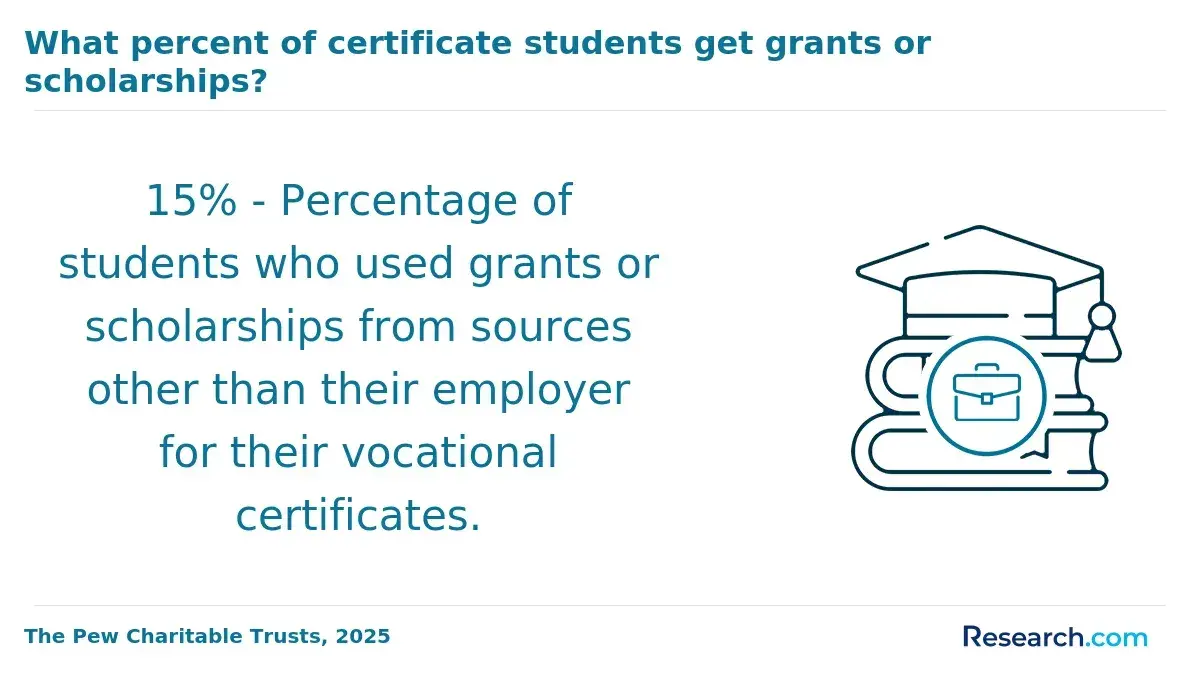
For mid-career entrants like paralegals shifting into homeland security, shorter certificate programs might be appealing but could lack employer recognition without practical experience.
Evaluating programs by transparent financial aid packages and realistic career alignment is critical to avoiding excessive debt while meeting operational demands of homeland security professions.
What jobs can you get with a homeland security degree?
Holding a homeland security degree opens pathways into roles requiring a blend of technical acumen, policy insight, and operational adaptability, with crucial decisions around specialization tied directly to long-term career stability. Graduates often secure positions in intelligence analysis at agencies like the FBI or DHS, where risk assessment and threat mitigation skills are non-negotiable.
Cybersecurity roles, increasingly essential to protecting critical infrastructure, demand both technical expertise and an understanding of regulatory frameworks, reflecting a dual emphasis on cyber defense and policy compliance.
Practical realities shape job functions: emergency management professionals coordinate responses to disasters or terror events, while front-line officers, including customs and border protection agents, contend with irregular hours and demanding field responsibilities.
This operational intensity contrasts sharply with administrative positions, underscoring a significant tradeoff for working students who must weigh predictable schedules against higher exposure in the field.
Employers expect applicants to demonstrate hands-on experience with compliance standards, incident command systems, and intelligence tools. Security clearances often influence eligibility, particularly in roles involving classified material.
Cost considerations also play a significant role. BestColleges notes that some online homeland security bachelor's programs charge around $250 per credit for active-duty military versus $447 per credit for civilians, marking a critical affordability gap affecting public-safety personnel seeking strategic advancement amid irregular work hours.
What salary and job outlook can homeland security graduates expect?
Median wages for homeland security graduates hover around $69,570 annually in transit and railroad police roles, driven by specialized law enforcement skills tailored to complex transportation systems. This baseline, reported by the U.S. Bureau of Labor Statistics in May 2024, reflects practical compensation in sectors where security and operational law enforcement intersect.
Employment growth within homeland security varies notably, with cybersecurity and intelligence analysis roles expanding more rapidly than traditional physical security positions.
Federal and transportation agencies prioritize digital threat mitigation, often requiring advanced certifications beyond a bachelor's degree for these tech-centric jobs. For example, a graduate targeting cybersecurity within a transit authority will typically need skills and credentials that outpace those necessary for entry-level border protection.
Shift schedules present a significant challenge for many in homeland security, especially in transit-focused roles where nights, weekends, and rotating shifts are common. This operational reality can complicate work-life balance for professionals juggling family or secondary employment, making program flexibility and employer networking critical during study.
Salary trajectories diverge between public and private sectors: federal roles offer more stable benefits and pensions but slower pay increases, while private sector jobs may pay more upfront but rarely provide comparable long-term security. Internships within agencies focused on transit or rail security are a key strategy for enhancing market competitiveness and negotiating salaries effectively.
What certifications strengthen a homeland security career after graduation?
Certifications such as Certified Protection Professional (CPP) and Certified Homeland Protection Professional (CHPP) directly influence eligibility for leadership roles in homeland security by verifying expertise in specific operational areas.
For instance, a CPP credential signals proficiency in physical security management essential for infrastructure protection roles, whereas CHPP emphasizes broader threat mitigation and crisis response strategies. Employers consistently prioritize these certifications due to their alignment with practical job requirements and standard industry benchmarks.
Public safety professionals pivoting into homeland security often require FEMA's National Incident Management System (NIMS) certifications, crucial for effective coordination during complex, multi-agency emergencies. Possessing the NIMS Credential ensures integration capability across federal, state, and local entities, a skill imperative given the decentralized emergency framework.
Balancing these rigorous certification requirements alongside demanding work schedules presents a significant challenge. Programs offering flexible structures, such as online studies requiring 120 credits with year-round availability, accommodate shift workers and others who must progress incrementally without career disruption.
However, students should weigh the practical benefits of federal-recognized credentials against those from lesser-known providers to avoid investing time in qualifications with limited workplace recognition.
Employers weigh certification validity heavily for hiring and promotion decisions, especially in domains like emergency management, intelligence analysis, and infrastructure security. Choosing certifications that reflect current regulatory and operational realities enhances hiring potential and salary prospects, whereas overlooked or outdated credentials can impede workforce mobility.
Other Things You Should Know About Homeland Security
In 2027, specialized homeland security concentrations can be vital for career advancement, especially in niche areas like cyberterrorism or emergency management. These specialized programs can offer targeted knowledge and skills that align closely with specific roles in federal, state, and private sectors, providing an edge in competitive job markets.
Homeland security programs with flexible course formats, such as asynchronous online classes, fit better with erratic public safety schedules. However, programs that require synchronous participation or group projects during standard business hours pose scheduling conflicts. Candidates should prioritize curricula with recorded lectures and reasonable assignment deadlines to avoid overwhelming workloads that interfere with shift duties.
Employers place value on the reputation of the institution and the rigor of the program rather than delivery mode. Online degrees from well-established, regionally accredited schools rank comparably to campus degrees if they emphasize practical training and security-clearance preparation. Working professionals should verify employer perceptions in their target sector and choose programs that incorporate applied learning or simulations to enhance credibility.
Programs offering targeted concentrations like cybersecurity, emergency management, or intelligence analysis provide clearer career pathways aligned with employer demands. For working public safety professionals aiming for advancement, selecting a program with relevant specialization improves job eligibility and marketability more than a general degree. Specializations also facilitate quicker skill application on the job, making continued education more immediately rewarding.
References
- Homeland Security & Emergency Management (AS) https://www.gmc.edu/degree-programs/homeland-security-emergency-mgmt/
- Choosing a bachelor's in homeland security | edX https://www.edx.org/resources/how-to-choose-a-bachelors-in-homeland-security
- Online Associate Degree in Homeland Security https://www.criminaljustice.com/online-degrees/associate-in-homeland-security/
- 2025 Most Affordable Homeland Security Degrees Online https://www.onlineu.com/most-affordable-colleges/homeland-security-degrees
- Reasons to Pursue an Online Criminal Justice Degree Program in Homeland Security https://www.aiuniv.edu/degrees/criminal-justice/articles/online-criminal-justice-homeland-security
- Your Guide to Homeland Security Certification - ARES Security https://aressecuritycorp.com/2025/01/30/homeland-security-certification/
- Types of Homeland Security Degrees | Compare Schools https://www.criminaljusticeprograms.com/specialty/homeland-security-degrees/
- Online Degree Programs from GMC Online https://online.gmc.edu/programs/bachelor-of-applied-science-in-homeland-security-emergency-management/