2027 Online Homeland Security Degrees With the Best FAFSA-Friendly Options

Co-Founder and Chief Data Scientist
Facing a sudden demand for advanced credentials while balancing full-time employment and family obligations, many homeland security professionals find traditional on-campus programs inaccessible. The challenge intensifies as the Bureau of Labor Statistics projects a 10% growth in homeland security jobs over the next decade, amplifying competitive hiring pressures. With over 40% of adult learners enrolling in fully online programs according to the National Center for Education Statistics, flexible, affordable pathways that align with workforce timelines have become a decisive factor in career progression. This article identifies the most FAFSA-friendly online homeland security degrees, guiding informed decisions amid financial and scheduling constraints.
Key Things You Should Know
- FAFSA eligibility often favors public institutions, where 65% of online homeland security programs offer direct federal aid, yet these options may limit specialization depth critical for intelligence roles according to National Security Studies 2024 data.
- Employers increasingly prefer candidates with applied cybersecurity skills embedded in homeland security curricula; programs accredited by DHS-recognized bodies report 20% higher employment placement in federal agencies within six months after graduation.
- Extended program durations at lower-cost community colleges reduce debt but delay entry into middle-management roles, where median salaries surpass bachelor degree holders by 35% after five years, per Bureau of Labor Statistics 2024.
What is an online homeland security degree and how does it prepare you for the field?
Employers recruiting for roles in homeland security emphasize candidates' ability to navigate complex operational environments and demonstrate proficiency in threat assessment, incident command, and inter-agency coordination. An online homeland security degree program benefits students by integrating technical, policy, and strategic dimensions, preparing graduates to address challenges such as terrorism, infrastructure protection, and disaster response with both practical skill and regulatory awareness.
For instance, a cybersecurity analyst trained through these programs gains expertise in both technical defenses and compliance protocols necessary for safeguarding critical systems. Emergency management professionals develop logistical capabilities essential for coordinating multi-agency disaster responses effectively. However, individuals entering this field must weigh the tradeoff between the flexibility of online learning and the limited face-to-face engagement, often requiring stronger self-motivation and prior relevant experience.
Employers expect measurable competency in areas such as threat identification and crisis communication. The pathway demand also involves understanding evolving policy frameworks across local, state, and federal levels. Access to financial aid plays a crucial role in feasibility, particularly since FAFSA eligibility affects tuition affordability; 83% of first-time undergraduates at public institutions and 89% at private nonprofits received aid in 2024.
Those evaluating an online homeland security degree should also review related costs carefully. For perspective on related education expenses, see how much is criminal justice school. This pragmatic assessment supports better decision-making regarding investment versus outcome for this specialization.
How do FAFSA and other federal financial aid options work for online homeland security programs?
Reducing upfront costs through federal financial aid is a critical factor for students navigating financial commitments in online homeland security degrees. FAFSA eligibility for online homeland security programs determines access to Pell Grants, subsidized loans, and work-study allocations-which vary considerably by enrollment status and institution. When tuition ranges from $41.67 to over $350 per credit, Pell Grants become indispensable for undergraduates who fit income criteria, offering no-repayment support that directly mitigates debt accumulation.
Managing aid requires annual FAFSA submissions with accurate credit reporting, as part-time students or employed individuals often receive prorated assistance, complicating budget planning. Work-study opportunities, sometimes available virtually and geographically dependent, add financial relief while providing relevant hands-on experience valued by employers in the field.
Maintaining satisfactory academic progress is essential for ongoing federal financial aid eligibility; a cybersecurity student focused on homeland security will typically need to meet GPA thresholds to preserve grant support. This academic performance requirement reflects employer priorities, as agencies prefer candidates demonstrating both fiscal responsibility and program persistence.
Working professionals using FAFSA-linked aid are better positioned for strategic pivots but must carefully balance borrowing with anticipated career outcomes. For those evaluating pathways, exploring military friendly online cybersecurity degree programs can align financial feasibility with workforce demands.
Which types of online homeland security degrees are available and what careers do they lead to?
The choice between associate, bachelor's, and master's online homeland security degree programs and career paths represents more than academic progression; it defines operational entry points and long-term mobility within the security sector. Associate degrees typically channel candidates into frontline roles emphasizing tactical skills, such as emergency response or border security, but these positions often cap advancement without further credentials. Bachelor's degrees expand eligibility, combining strategic risk management with cybersecurity fundamentals essential for federal agencies or private sector risk departments.
Master's programs focus on leadership and complex threat analysis, aligning with supervisory roles at agencies like FEMA or the Department of Homeland Security. Agents targeting these roles must pair their degree with practical field experience. Prospective students should weigh that online formats require navigating coursework demands amid professional commitments, and programs offering internships or simulations can lengthen completion but also improve employability. Cybersecurity concentrations often necessitate additional certifications, such as CISSP, to match employer expectations.
Bellevue University alumni earning median salaries around $73,896 by 2026 reveal the tangible pay-off of advanced degrees. Yet, affordability and financial aid access remain critical considerations when evaluating affordable FAFSA-friendly homeland security degrees online. Applicants should also reference related occupations, such as forensic science, to contextualize compensation and career outcomes; for example, forensic scientist salary data can provide useful benchmarking for government and investigative roles.
How do online homeland security programs compare to campus-based options in quality and outcomes?
Employers in federal and state homeland security sectors increasingly expect candidates to demonstrate verified experiential components, which often favors campus-based degrees featuring direct internships and in-person collaboration with law enforcement agencies. The practical distinctions of an online homeland security degree program outcomes include the necessity for strong self-discipline and adept time management, since students must navigate less structured environments without regular face-to-face mentorship.
A quality comparison of homeland security online versus campus degrees reveals that while on-campus programs offer immersive networking and immediate access to simulations and security-clearance-relevant content, online degrees have evolved through virtual labs and flexible fieldwork, supporting working professionals balancing employment alongside study.
- Campus programs typically enhance immediate job readiness by integrating experiential learning, which aligns with hiring preferences in sensitive security roles.
- Online programs provide flexibility and accessibility but require students to proactively seek supplemental real-world experience to remain competitive.
- Tuition for online bachelor's programs ranges from $289 to $353 per credit at public institutions, reflecting specialized curriculum demands and outpacing broader criminal justice costs.
For those pursuing an accelerated architecture degree or other educational pivots, examining the balance of flexibility versus hands-on training is essential. Prospective students can explore options with comprehensive time frames suitable for their career stage, such as those detailed in accelerated architecture degree pathways, which may offer insights into managing rigorous study in flexible formats.
What accreditation should an online homeland security program have to qualify for FAFSA and jobs?
Regional accreditation is a non-negotiable factor for online homeland security programs if federal financial aid through FAFSA is needed and if graduates seek meaningful recognition from employers and government agencies. Programs lacking accreditation from one of the six U.S. Department of Education-recognized regional accreditors-such as the Higher Learning Commission or WASC-often disqualify students from federal aid and diminish their credentials' market value. For example, federal task forces and law enforcement agencies routinely require degrees from regionally accredited institutions before considering applicants for supervisory or clearance-sensitive positions.
Choosing a homeland security program without this accreditation can leave students with debt but little access to critical financial support or career advancement. Beyond aid eligibility, regional accreditation affects transferability of credits, qualification for graduate studies, and eligibility for professional certifications within protective services and emergency management fields.
Economic data reflects this divide: protective services roles linked to homeland security report a median wage about 10% above the general workforce average, demonstrating financial upside for fully credentialed professionals. However, this premium is contingent on recognized credentials that employers trust. Prioritizing program accreditation aligns educational investment with realistic career pathways and reduces the risk of academic dead ends.
What courses and concentrations are typically offered in an online homeland security curriculum?
Employers in homeland security increasingly require professionals who combine technical expertise with real-world operational capacity. Graduates trained only in theory risk falling short when confronted with complexities like cyber-physical threats to critical infrastructure-where simultaneous attacks demand integrated responses across cybersecurity and physical security domains. For instance, incident command systems proficiency paired with intelligence analysis is not optional but foundational in roles managing multi-agency emergency responses.
Programs emphasizing applied learning through simulations or capstone projects offer measurable advantages; they cultivate decision-making under pressure and familiarity with policy interpretation and crisis communication protocols. This practical grounding aligns with employer preferences for candidates demonstrating applied competence rather than exclusively academic knowledge.
Curricula typically blend risk assessment, threat analysis, emergency management, and legal frameworks, allowing concentrations in areas such as cybersecurity policy or counterterrorism. These pathways address specialized federal or municipal security roles, but prospective students must weigh the tradeoff between focus and flexibility.
Affordability remains a tangible barrier, especially for mid-career professionals. Elizabeth City State University's online bachelor's degree at $41.67 per credit for residents under the NC Promise Tuition Plan represents a rare cost-efficient option. Reduced tuition lowers financial friction, which often impedes access to career pivot opportunities in homeland security fields demanding both advanced technical skills and policy acumen.
What are the usual admission requirements for online homeland security degrees at different levels?
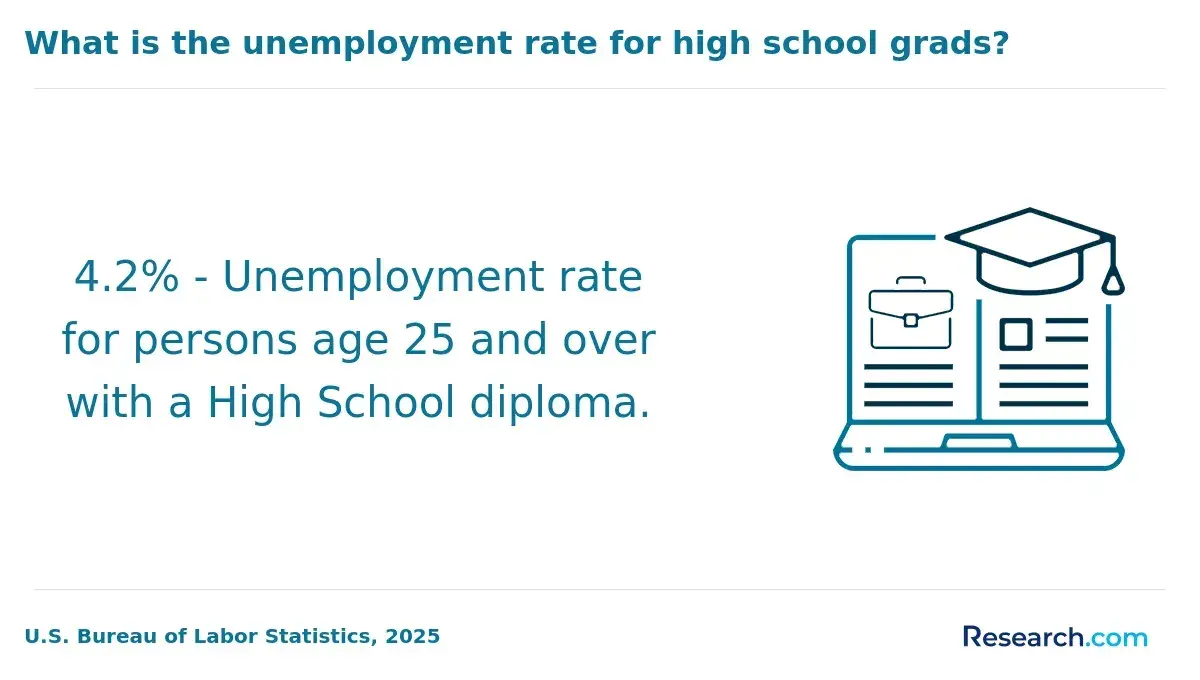
Admission requirements for online homeland security degrees reflect the practical realities of the field, emphasizing experience and foundational knowledge more than disciplinary uniformity. At the associate level, candidates typically need a high school diploma or GED, with some programs adding placement testing to confirm basic academic readiness. Those with relevant military or emergency service backgrounds often secure credit or advanced standing, which can shorten time to credential.
Bachelor's programs demand high school completion, with growing acceptance of test-optional admissions; however, transcripts and relevant prior coursework in government, law enforcement, or cybersecurity remain central filters. Competitive applicants must demonstrate familiarity with key policy and technical issues, as employers expect graduates to contribute immediately to operational and analytical tasks.
Graduate studies require completed baccalaureate degrees and often a minimum GPA around 3.0. More importantly, significant professional experience in public safety, intelligence, or related sectors is typically needed to navigate complex security environments. GRE requirements vary, with many programs waiving them for experienced candidates. Applicants prepare statements of purpose and secure multiple letters of recommendation to substantiate leadership and analytical skills relevant to homeland security challenges.
Technical readiness for online learning is a non-negotiable criterion, encompassing reliable technology and initial orientation. Tuition disparities affect access: for example, Southern New Hampshire University Online charges $330 per credit for homeland security concentrations, noticeably less than typical $400+ per credit fees for on-campus criminal justice programs at similar universities. This difference underscores the financial and scheduling tradeoffs students must weigh when balancing upskilling with existing professional commitments.
How long do online homeland security degrees take, and what do they cost overall?
Choosing an online homeland security degree demands weighing time investment against career benefits. Associate programs typically require two years full-time, while bachelor's degrees extend to four but can be shortened by credit transfers or heavier course loads. Master's studies take one to two years full-time, with part-time pacing significantly stretching duration and cost. This timeline affects not only tuition expenses but also workforce entry and eligibility for employer tuition assistance.
In real-world scenarios, an active-duty military student leveraging tuition caps at $250 per credit, such as at Columbia Southern University or UMGC, can reduce a 120-credit bachelor's degree to approximately $30,000 before applying grants or military benefits. Civilians using FAFSA face higher sticker prices but often offset these through grants and subsidized loans, though working professionals must strategically plan part-time course loads to manage prolonged tuition accrual and delayed credentialing.
Employers in the homeland security field prioritize practical skills and certifications alongside degree completion. Extended programs with internship integration enhance long-term employability despite increased total costs, whereas shorter paths can expedite entry but may hinder advancement without adequate applied experience. Students should balance pace, cost, and practical training to align education with their career trajectory and workforce expectations.
What are the typical salaries and job outlook for homeland security and related careers?
Entry-level wages in homeland security vary significantly based on role and agency context, with positions such as emergency management specialists earning median salaries near $76,250 annually, while federal agents and border officers often start closer to $45,000. These figures fluctuate considerably with experience, geographic location, and budget cycles. More specialized roles in cyber defense or intelligence analysis, particularly within metropolitan or federal agencies, command salaries exceeding $100,000.
Employment growth for protective service occupations is projected at about 3% over a decade, adding roughly 95,200 jobs. Growth is concentrated in emergency management, border security, and cybersecurity, sectors that demand candidates with applied skills and certifications. This slow expansion reflects a competitive environment where candidates with technical proficiency and practical experience stand out.
For those pivoting careers or advancing, assessing program curricula for hands-on training in incident command systems or digital threat analysis is crucial. For example, emergency management planners with FEMA certifications often secure roles more rapidly than those relying solely on academic credentials. Employers favor candidates who combine formal education with internships or operational exposure to federal, state, or local protocols.
The tradeoff involves balancing stable but modest public sector growth against more variable, less secure private-sector prospects. Aspirants must weigh investment in specialized education against realistic hiring landscapes and compensation trajectories.
How can you evaluate and choose a reputable, FAFSA-friendly online homeland security program?
Programs with substantial graduation numbers, like Southern New Hampshire University Online's 895 graduates in 2026, typically offer better access to federal financial aid such as FAFSA, which significantly affects affordability and institutional support. Smaller programs often mean restricted Pell Grant and subsidized loan options, limiting student financial mobility and workforce impact.
Regional or national accreditation recognized by the U.S. Department of Education is essential because unaccredited programs often exclude students from federal aid eligibility. Confirming active FAFSA participation is a critical step to secure funds essential for offsetting tuition costs.
Homeland security curricula must align with current workforce demands, focusing on cyber threat mitigation, emergency management, and counterterrorism. Programs that integrate hands-on simulations and internships provide tangible skills favored by employers, enhancing post-graduation employment prospects.
For military veterans pivoting to civilian roles within homeland security, selecting programs offering credit for prior service and flexible pacing improves time-to-degree and maximizes FAFSA benefits, reducing financial and temporal barriers.
Graduation rates and updated job placement statistics serve as meaningful indicators of program effectiveness and employer trust. Additionally, evaluating total costs against FAFSA award limits prevents unexpected financial shortfalls that jeopardize degree completion.
Other Things You Should Know About Homeland Security
Online homeland security programs often demand greater self-discipline due to asynchronous coursework and limited direct supervision. Students must balance flexibility with regimented schedules to meet deadlines independently, which can be difficult in ranges of higher-stress or full-time work situations. Prospective students should evaluate their capacity for self-driven study and consider hybrid options if they require more structured environments.
FAFSA primarily addresses tuition and fees but often excludes ancillary expenses such as technology requirements, licensing exam costs, or mandatory fieldwork travel. Many online homeland security students underestimate these extra costs, which can impact their total loan or aid eligibility. Prioritize programs with transparent cost breakdowns and financial counseling that accounts for these additional expenses to avoid unexpected debt.
Working professionals seeking leadership roles or specialized positions benefit more from graduate degrees, which tend to emphasize policy analysis and strategic planning. Conversely, undergraduates provide foundational knowledge suited for entry-level roles or career pivots. When choosing, weigh the degree level against your current experience and desired job function, as graduate programs usually demand greater time commitment and offer higher advancement potential.
References
- Homeland Security Requirements (Degrees, Jobs & Salary) https://www.allcriminaljusticeschools.com/federal-law-enforcement/homeland-security/
- Homeland Security Degree Online | Find Top Programs & Information https://www.firescience.org/homeland-security-degree-programs-online/
- Online Bachelor's Degree: Homeland Security https://www.umgc.edu/online-degrees/bachelors/homeland-security
- Differences Between a Criminal Justice and Homeland Security Degree https://www.nec.edu/news/criminal-justice-vs-homeland-security-degree
- Bachelor of Science in Homeland Security https://www.trident.edu/bachelors-online/homeland-security-degree/
- Financial Aid Tips for Criminal Justice Students https://www.criminaljusticeprograms.com/financial-aid/
- 2025 Most Affordable Homeland Security Degrees Online https://www.onlineu.com/most-affordable-colleges/homeland-security-degrees
- Online Homeland Security Degrees: Explore Top Programs https://www.degreesforgood.org/online-degrees/homeland-security-programs/
- Homeland Security Degree Programs https://www.criminaljusticedegreeschools.com/degrees/homeland-security-degree/
- Search icon https://waldorf.edu/degree-programs/bachelors/ba-homeland-security/