2027 Best Online Bachelor's in Homeland Security for Working Adults

Co-Founder and Chief Data Scientist
Professionals balancing unpredictable shift schedules and ongoing threat assessments often struggle to find degree programs that accommodate the urgent demands of homeland security work. Federal data from the National Center for Education Statistics reveals a 12% rise in adult enrollment in online bachelor's programs since 2023, signaling a growing shift towards accessible education designed around workforce realities.
This trend reflects the increasing necessity for flexible scheduling and modular curricula that align with both operational tempo and career advancement timelines. The article identifies top online bachelor's in homeland security tailored for working adults, guiding readers toward pragmatic program choices that optimize time, cost, and professional outcomes.
Key Things You Should Know
- Employers prioritize candidates with government-clearance-adjacent experience, limiting the value of purely academic online bachelor's programs; 42% of DHS job postings require practical cybersecurity or emergency management skills, intensifying the experience-education tradeoff.
- With a projected 8% workforce growth through 2032, homeland security jobs increasingly demand interdisciplinary capabilities, forcing working adults to weigh broader skill integration against focused traditional curricula.
- Online bachelor's programs average $320/credit hour versus $220/credit for in-state public options, impacting total cost and time-to-degree for working students balancing accelerated completion with financial constraints.
What is an online bachelor's in homeland security and who is it designed for?
Online bachelor's degree programs in homeland security for working adults fill a distinct niche by delivering practical, applied knowledge tailored to mid-career professionals balancing job demands with academic progression. These flexible homeland security degree programs for professionals prioritize operational competencies in threat assessment, cyber defense, crisis coordination, and risk management rather than purely theoretical foundations.
For instance, a fire department officer expanding into emergency management gains skills directly relevant to agency leadership and interdepartmental collaboration.
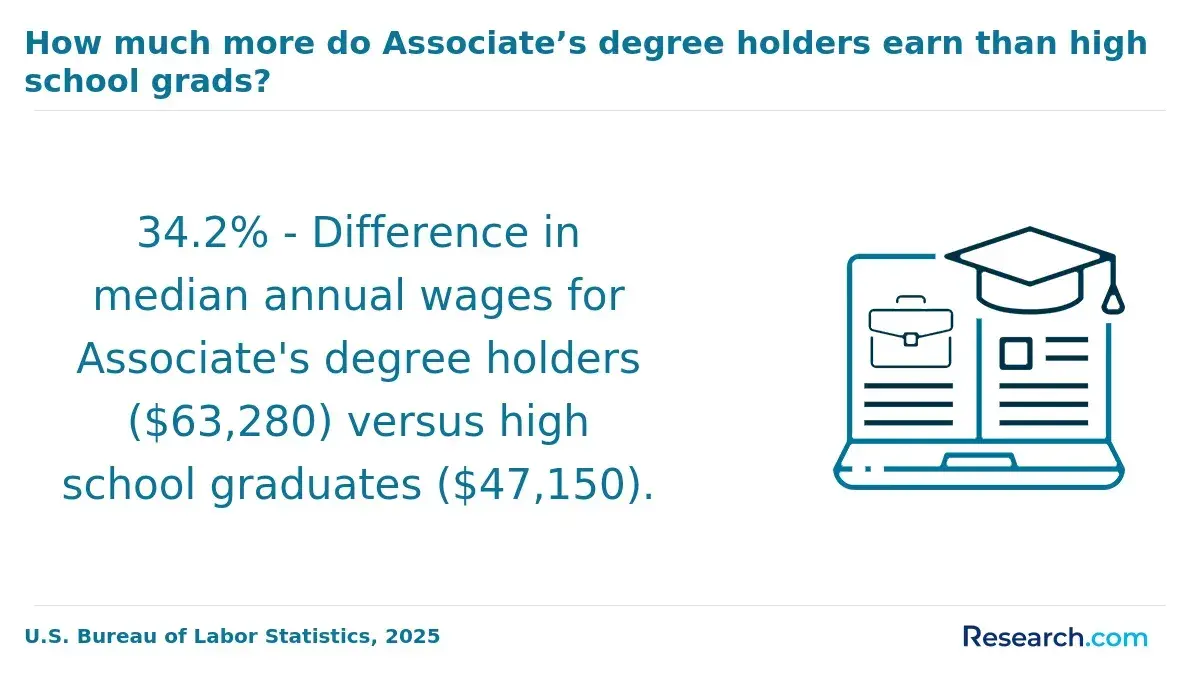
Graduates often transition into roles such as emergency management directors, where according to the U.S. Bureau of Labor Statistics, median wages reached $89,560 in 2024, about 39% higher than the national median for all occupations. This wage premium signals employers' preference for candidates who couple security expertise with leadership acumen.
Still, prospective students must critically weigh challenges, including rigorous time management amidst full-time employment and the need to confirm that selected programs align with specific certification or security clearance prerequisites.
Program selection should hinge on accreditation status, the relevance of curricula to evolving threat landscapes, and available experiential learning components that boost workforce readiness in a competitive environment. Those seeking paths adjacent to homeland security might also consider a criminal justice major as a complementary or alternative avenue offering different but related skill sets.
How does an online homeland security bachelor's compare to a campus-based program?
The practical choice between online bachelor's in homeland security versus traditional programs depends heavily on career context and learning style. Online degrees specifically benefit working adults by allowing asynchronous coursework that accommodates complex schedules without sacrificing employment.
However, campus-based programs offer tangible networking advantages through in-person engagement, direct mentorship, and access to experiential facilities such as labs and simulations. These features can be decisive for students targeting command roles in local government or rapid-response units where relationships and hands-on training shape readiness.
Employers increasingly value demonstrated competencies and real-world experience alongside accredited credentials, regardless of program format. The U.S. Bureau of Labor Statistics projects 11% growth for emergency management directors, amplifying the need for practical skills like crisis management and problem-solving.
Online programs that integrate scenario-based training and live simulations tend to align better with these employer demands than purely asynchronous options.
Choosing between online and traditional formats also hinges on factors such as immediate job obligations, access to internships or local professional networks, and the capacity for self-directed learning. Working professionals seeking sector-specific roles like federal agency analysts often find value in pairing online coursework with localized experiential opportunities.
Prospective students should verify whether programs offer certifications or practical components that offset the lack of campus-based training to ensure alignment with targeted career trajectories.
For those exploring related fields and certifications, cybersecurity courses complement homeland security expertise and can enhance strategic workforce positioning.
Which accredited schools offer the best online homeland security bachelor's for working adults?
Choosing an online homeland security degree demands careful attention to how programs align with employer expectations and adult learner realities. Leading schools like Arizona State University, University of Maryland Global Campus, and Penn State World Campus emphasize flexible scheduling and practical curriculum designed for professionals balancing work or military service.
For instance, the University of Maryland Global Campus employs accelerated 7-week courses and extensive military credit transfer, enabling faster degree completion without sacrificing content rigor.
Employers seek graduates adept in emergency management, cybersecurity, and intelligence analysis who can apply knowledge in real-world scenarios. Programs integrating scenario-based exercises prepare students for challenges such as counterterrorism strategy in transportation security or federal law enforcement, going beyond theory to develop actionable skills.
Financial considerations remain pivotal. The median annual wage in protective service roles within the federal executive branch is $115,650 compared to $54,680 across all industries, underscoring a strong return on investment for degrees syncing with federal standards. For working adults, programs that combine online delivery with career services offering federal job application navigation and security clearance guidance are preferable.
Prospective students, especially those transitioning from private security or emergency services, should seek programs offering targeted concentrations in intelligence or cybersecurity to remain responsive to evolving threats. Additionally, comparing similar fields for affordability can be useful, as seen in options like the forensic science online degree.
Evaluation of the best accredited online homeland security degree programs for working adults requires weighing program flexibility, employer-driven practical training, and career support essential for navigating the complex security workforce landscape.
What accreditation and quality standards should online homeland security programs meet?
Accreditation is the foundational filter when selecting an online homeland security degree, as only recognized regional or national accreditors ensure academic rigor and employer recognition. Without accreditation by agencies like the Higher Learning Commission or the Southern Association of Colleges and Schools Commission on Colleges, programs often have inconsistent curricula and questionable graduate outcomes, which can limit job prospects.
Working professionals evaluating quality benchmarks for homeland security bachelor's programs for working professionals must also validate that curricula align with standards from bodies such as the Emergency Management Accreditation Program (EMAP) or the Department of Homeland Security's Center of Excellence designations.
This alignment guarantees coverage of essential risk assessment, counterterrorism, cyber security, and emergency response topics that directly correlate with workforce readiness. For instance, public safety officials aiming for promotion benefit most from programs emphasizing operational leadership and interagency coordination within accredited frameworks.
Cost remains a critical consideration that intersects with quality and flexibility. Tuition at for-profit institutions offering online homeland security programs can reach $15,390 annually, exceeding the average $11,470 tuition at public universities. However, higher cost rarely ensures better student support or completion rates. Accredited programs with active industry advisory boards and verified graduate employment outcomes represent stronger investments.
Prospective students should verify accreditation status through official databases and interrogate curriculum relevance relative to employer expectations within their target sectors. Additionally, those comparing educational pathways might explore online degrees in Spanish to understand broader trends in cost and duration optimization across disciplines.
What courses and concentrations are typically included in a homeland security bachelor's?
Choosing courses in a bachelor's in homeland security requires balancing operational relevance against workforce realities. Core topics like risk assessment, terrorism studies, and intelligence analysis provide foundational knowledge, but their value depends on how directly they align with sector-specific job functions.
For instance, emergency management coursework equips first responders and safety officials with practical logistics coordination skills essential during crises. This contrasts with cybersecurity tracks that emphasize technical proficiencies such as network defense and cryptography, critical for countering escalating cyber threats in both government and private sectors.
Program flexibility is a significant factor for working adults, with nearly 40% of first-time full-time undergraduates carrying prior credits, highlighting the need for transfer-friendly curricula and asynchronous learning modalities to reduce time and financial burdens. Employers prioritize candidates demonstrating hands-on competencies, often validated through simulations and training tied to legal frameworks and interagency collaboration.
Specialization choices carry distinct career implications: cybersecurity roles generally offer higher earning potential but may demand more technical rigor, while emergency management often leads to local government or nonprofit pathways.
Prospective students should prioritize courses linked to certifications like FEMA training or Certified Protection Professional credentials to enhance employability, weighing curriculum design against practical outcomes and labor market demands.
What admission requirements and prior experience do online homeland security programs expect?
Online bachelor's programs in homeland security consistently prioritize candidates with relevant operational experience, as this directly impacts employability within government and private sectors.
Programs typically require a high school diploma or GED, but the differentiator is practical expertise-first responders, cybersecurity specialists, and emergency managers with one to three years of fieldwork gain a clear advantage.
For instance, a federal contractor transitioning into homeland security finds value in programs offering credit for on-the-job experience, accelerating degree completion and reducing redundant coursework.
Applicants lacking this background often face supplemental foundational courses in criminal justice or intelligence analysis, which add time and complexity. Standardized test requirements like the SAT or ACT are increasingly waived for seasoned professionals or those with prior credits, reflecting a market trend toward flexible admission criteria.
The Department of Homeland Security's sizeable workforce-around 260,000 personnel-signals broad hiring needs but also an expectation for candidates combining academic credentials with tangible security-related skills.
Choosing programs that balance academic rigor with recognition of prior experience impacts not only time-to-degree but also career readiness, especially for working adults balancing multiple commitments.
How long does an online homeland security bachelor's take and what does it cost?
Completing a bachelor's degree in homeland security within three years can notably affect one's trajectory toward federal GS-12 through GS-15 positions, where demand has grown about 15% over the past decade per U.S. Office of Personnel Management FedScope data.
Accelerated degree plans often rely heavily on transfer credits and year-round coursework, but they present work-life balance challenges, particularly when synchronous classes collide with professional obligations.
The cost structure varies widely: public universities typically offer in-state tuition that ranges between $25,000 and $60,000 for the full program, whereas private institutions usually impose higher fees. Prospective students should also factor in added expenses like technology fees, textbooks, and specialized software, which frequently fall outside advertised costs.
Working professionals face a trade-off between compressing program duration and acquiring indispensable practical skills valued by emergency management and intelligence employers. While faster completion may accelerate promotion eligibility, it can undermine retention of applied knowledge if professional experience does not advance in tandem.
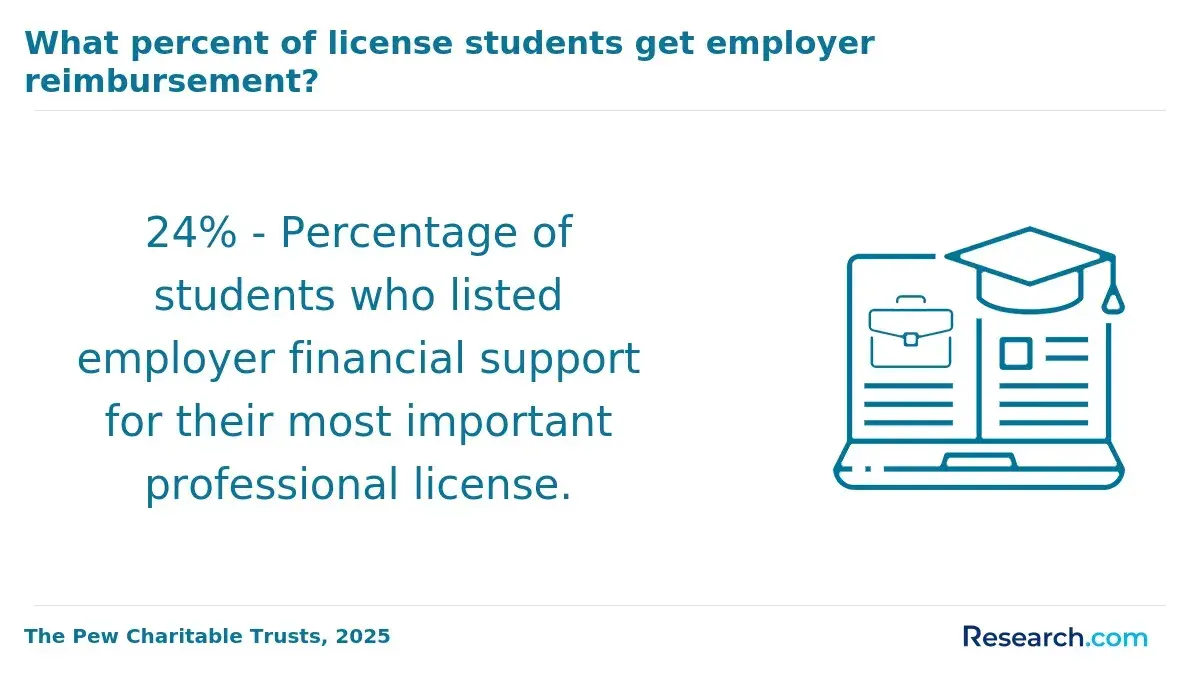
Strategies to mitigate this include part-time options with asynchronous coursework, though these extend overall duration and potentially inflate cumulative costs. Navigating financial aid resources and employer tuition reimbursement while maintaining steady progress is critical to prevent delays that impede entry into advanced homeland security roles.
What careers can you pursue with a bachelor's degree in homeland security?
A bachelor's degree in homeland security primarily functions as an entry-level credential that must be paired with practical experience and targeted certifications to unlock significant career mobility. Positions such as emergency response coordinators, threat analysts, border security officers, or cybersecurity specialists within FEMA, TSA, DHS, or local agencies typically require candidates to demonstrate applied skills beyond academic knowledge.
For example, professionals transitioning into cybersecurity roles must acquire technical competencies and understand complex regulatory frameworks alongside their degree.
Employers emphasize risk assessment abilities, policy execution, and interagency communication, making internships or field experience critical differentiators. Security clearance eligibility further complicates upward mobility, as education serves as a baseline but does not replace thorough background vetting.
Working adults face trade-offs when balancing unpredictable shift work in emergency settings against more stable, administrative roles. The ongoing necessity for continuing professional education reflects rapidly evolving threat landscapes and technology demands. Many learners combine part-time study, employer tuition support, or military education benefits to manage these demands.
Financially, 63% of undergraduates receive grant or scholarship aid averaging around $10,940, particularly benefiting remote learners pursuing homeland security degrees, as detailed in the College Board's "Trends in Student Aid 2024."
Common practical career paths requiring continuous skill refinement include disaster recovery, intelligence support, infrastructure protection, and policy analysis.
What salary ranges and job outlook can homeland security graduates expect?
Starting salaries for bachelor's graduates in homeland security generally range from $50,000 to $70,000, reflecting entry-level federal, state, or private sector roles with limited experience. Mid-career professionals who have security clearances or specialized skills can expect $80,000 to $100,000, while senior roles demanding deep expertise and credentials may exceed $110,000.
This salary progression underscores the importance of continuous credentialing beyond the bachelor's degree to access higher-tier positions, particularly in cybersecurity-focused private sector roles.
The employment outlook varies widely by sector. Federal agencies such as DHS and TSA provide structured GS pay levels and formal career advancement but require extensive credential verification and follow rigid hiring schedules. In contrast, local agencies and private firms offer more flexible openings albeit with generally lower benefits and salaries.
Working adults often pursue online programs part-time, which 76% of distance learners reportedly do, to align education with current employment-though intensive coursework periods can temporarily increase job stress.
Consider a security professional starting with state emergency management accepting modest pay to build practical experience. This front-loaded tradeoff can facilitate later entry into better-compensated federal roles where hiring cycles and credential hurdles are more restrictive. Recognizing these pragmatic dynamics prevents misalignment between investment in education and realistic income expectations within homeland security careers.
Are certifications or clearances needed after earning a homeland security bachelor's?
Holding only a bachelor's degree rarely grants immediate access to key federal roles in homeland security, particularly those requiring top-secret clearances in agencies such as the FBI or Department of Homeland Security. Background investigations encompassing criminal records, financial standing, and foreign associations extend over several months, introducing significant waiting periods that must be factored into career planning.
Certifications like Certified Emergency Manager (CEM) or Certified Homeland Protection Professional (CHPP) enhance a candidate's profile but do not replace mandated federal clearances. They provide more tangible value outside federal employment, improving competitiveness and salary potential in private-sector security, risk management, or emergency response positions where clearance is not obligatory.
According to the U.S. Bureau of Labor Statistics, as of 2023, bachelor's degree holders fill many entry or mid-level emergency management roles, while advanced degrees are often correlated with leadership track eligibility. This distinction highlights the practical limits of a bachelor's degree alone for progression into high-tier positions without supplementary credentials or clearance.
Professionals shifting into federal cybersecurity roles must prepare for clearance-related delays, whereas state or corporate sectors typically emphasize certifications, allowing faster entry. Strategic alignment of education, certification, and clearance requirements tailored to the targeted sector is essential for making informed decisions and managing timelines effectively.
Other Things You Should Know About Homeland Security
Balancing a full-time job with an online homeland security degree requires careful prioritization and time management. Programs designed for working adults usually offer asynchronous coursework, but expect consistent weekly commitments typically ranging from 10 to 15 hours. Students should prioritize programs with flexible deadlines and manageable workloads over accelerated tracks, as the latter often demand extended daily time that can compromise work performance and personal responsibilities.
Including an internship or practicum is highly recommended for applied learning and networking in homeland security. However, working adults must assess if their schedule allows for on-site or remote placements without jeopardizing job stability. Programs offering virtual or part-time practicum options provide better integration of experience and study, enhancing employer recognition and practical skill development.
Employers often value degrees from accredited institutions paired with relevant hands-on experience over purely theoretical credentials. Professionals should select programs that emphasize scenario-based learning, crisis management, and technology trends in homeland security. Prioritizing programs with faculty or advisors experienced in the field can also strengthen the degree's impact in the job market and career advancement opportunities.
References
- Bachelor of Science in Homeland Security https://www.trident.edu/bachelors-online/homeland-security-degree/
- Choosing a bachelor's in homeland security | edX https://www.edx.org/resources/how-to-choose-a-bachelors-in-homeland-security
- Online Bachelor's Degree: Homeland Security https://www.umgc.edu/online-degrees/bachelors/homeland-security
- Your Guide to Homeland Security Certification - ARES Security https://aressecuritycorp.com/2025/01/30/homeland-security-certification/
- Types of Homeland Security Degrees | Compare Schools https://www.criminaljusticeprograms.com/specialty/homeland-security-degrees/
- Online Homeland Security Degrees: Explore Top Programs https://www.degreesforgood.org/online-degrees/homeland-security-programs/
- Online Master of Science in Homeland Security at UMFK https://online.umfk.edu/homeland-security/
- Homeland Security Requirements (Degrees, Jobs & Salary) https://www.allcriminaljusticeschools.com/federal-law-enforcement/homeland-security/
- Homeland Security Career And Salary Information https://www.criminaljusticedegreeschools.com/careers/homeland-security/