2027 Best Online Homeland Security Degrees for Transfer Students

Co-Founder and Chief Data Scientist
Facing urgent deployment or unpredictable work schedules, many professionals in homeland security struggle to maintain continuous education without sacrificing job performance. This challenge intensifies for transfer students who must navigate credit acceptance amid rigid state residency rules and varied program articulations.
According to the National Center for Education Statistics, 44% of postsecondary students actively transfer schools, underscoring the need for programs with clear credit pathways and online flexibility. This demand reflects shifting workforce dynamics prioritizing immediate applicability and lateral mobility in a highly regulated field.
This article evaluates top online homeland security degrees tailored to transfer students, focusing on credit transfer policies, program rigor, and career alignment to aid informed enrollment choices.
Key Things You Should Know
- Data from the Bureau of Labor Statistics shows a 15% projected growth in homeland security roles by 2032, but many employers prioritize candidates with integrated cyber and emergency management expertise, forcing transfer students to re-skill strategically.
- Transfer students face significant credit transfer variability, with up to 40% articulation loss reported nationally, increasing time-to-degree and tuition cost by an average of $12,000, impacting affordability and enrollment decisions.
- Recent Department of Homeland Security workforce analyses prioritize practical experience. Programs incorporating internships or federal agency partnerships see 25% higher post-graduate placement, making experiential learning a critical differentiator.
What are the best online homeland security degrees for transfer students?
Transfer students pursuing the best online homeland security degree programs for transfer students must carefully weigh practical factors such as credit transfer policies, tuition costs, and career alignment. Southern New Hampshire University Online, with 895 graduates and a tuition around $9,900 annually, exemplifies scale and cost efficiency.
However, prospective students should prioritize programs that clearly articulate how many transfer credits they accept to minimize repetitive coursework and shorten time to degree, especially for those transitioning from military or law enforcement backgrounds.
Employers in homeland security prioritize candidates who combine theory with applied skills in cybersecurity, emergency management, and risk assessment. Transfer-friendly online homeland security bachelor's degrees that include practical elements, uch as virtual simulations or internships, strengthen graduates' job prospects, particularly in federal or local agencies requiring security clearances.
For example, a security analyst moving from military service must balance program rigor with flexibility and credit recognition to avoid extended timelines that delay reentry into the workforce. Programs offering asynchronous delivery and explicit articulation agreements can reduce barriers for working adults.
Students must also consider tuition and affordability to avoid excessive debt. Understanding how much does a criminal justice degree cost informs financial decision-making while focusing on programs aligned with employer needs enhances long-term career resilience.
How do transfer credits work in online homeland security programs?
Transfer credit policies for online homeland security degrees focus sharply on course-by-course relevance rather than blanket acceptance, which impacts how prior learning accelerates degree completion.
For instance, a federal law enforcement officer shifting from criminal justice to homeland security must provide syllabi that demonstrate significant overlap in core areas such as emergency management or cybersecurity. This nuanced evaluation prioritizes content alignment with homeland security competencies to avoid redundant coursework.
Transfer credits in online homeland security programs often max out at 75% of total credits and usually require official transcripts and comprehensive course descriptions. However, many programs reject credits older than seven years, creating a barrier for professionals returning after extended absences unless their experience is linked to active certifications. Additionally, transfer policies demand a minimum grade, posing difficulties for adult learners with variable academic records.
Transfer students should request preliminary evaluations before applying to understand how their credits apply to homeland security core and elective courses. Delays often arise from required documentation for experiential learning, certifications, or military training. Being proactive minimizes unnecessary tuition costs and lost time.
Institutions known for transfer credit rigor and strong employment outcomes, such as Bellevue University, with median alumni earnings around $73,896, highlight the tradeoff between credit flexibility and graduate market value. Prospective students may also explore affordable cybersecurity programs, which align with homeland security priorities.
What accreditation should an online homeland security degree have?
Accreditation fundamentally shapes outcomes for online homeland security degree candidates, especially those transferring from other institutions.
Regional accreditation from recognized agencies such as the Higher Learning Commission or Middle States Commission governs credit transferability and federal aid eligibility—two pivotal factors that directly impact time-to-degree and overall cost. Transfer students must prioritize confirmation of this regional accreditation before committing, as failure to do so commonly results in course repetition and delayed workforce entry.
Employers at federal and state homeland security agencies overwhelmingly prefer graduates from regionally accredited programs, often requiring specialized accreditation like that from the Commission on Accreditation for Law Enforcement Agencies (CALEA) to validate program rigor and alignment with security industry standards. This specificity means students should evaluate how their degree aligns with workforce expectations rather than defaulting to generic program reputations.
Cost considerations significantly influence decisions as well. Military-affiliated students benefit from dramatically reduced tuition rates in regionally accredited programs. For instance, the University of Arizona Global Campus charges $250 per credit for active-duty military compared to $447 for civilian students, a 44% savings that materially alters affordability and financial strategy.
Online homeland security degree accreditation standards thus interface with practical funding options and institutional policies, shaping career trajectories. Students navigating this space also benefit from understanding associated labor market realities, including comparative earnings in related fields, as illustrated by data on forensic science degree salary, which reflects adjacent security domains with varied economic returns.
Are online homeland security degrees respected by employers?
Employers prioritize demonstrable skills over delivery format in evaluating online homeland security degrees employer recognition in the US, provided the program is regionally accredited and aligned with federal standards.
For example, positions requiring security clearances, which have seen a 300% job growth from 2015 to 2025 per the University of Maryland Global Campus, demand practical competencies such as threat assessment and emergency management regardless of whether education was completed online or in person.
For transfer students evaluating the value of online homeland security degrees, alignment with federal frameworks like FEMA's National Preparedness Goal is essential to ensure academic credits translate into workplace readiness. Transfer articulation agreements directly impact time-to-degree and must be navigated carefully to retain credit for prior coursework.
Employers often weigh internships, certifications, and the direct application of homeland security tools as critical complements to online learning. However, some federal agencies still favor in-person training for roles involving tactical operations or critical infrastructure protection, limiting online degrees' applicability in specialized fields.
Given these tradeoffs, students should consider workforce implications in sectors such as intelligence analysis, cybersecurity, and emergency response, where online credentials hold robust recognition tied to verifiable skills. Additionally, those interested in occupational safety may explore programs like the environmental health and safety bachelor degree online as complementary pathways.
What courses are in an online homeland security curriculum?
Online homeland security degrees concentrate on multidisciplinary skills critical to public- and private-sector roles, but their value hinges on practical applicability rather than broad theory. Foundational courses cover threat assessment, emergency management, cybersecurity basics, and intelligence analysis, aligning with the $176.18 billion fiscal year 2024 U.S. Department of Homeland Security budget that drives demand for specialized competencies.
The curriculum must reflect operational variability. Disaster response training, for instance, differs markedly between urban areas requiring extensive interagency coordination and rural regions where local agencies operate more independently. Cybersecurity topics focus on practical tactics like network defense and incident response, tailored to sectors such as finance and infrastructure security.
Legal and ethical content addresses the real constraints imposed by privacy and civil liberties, while leadership and crisis communication modules prepare students to manage complex emergencies involving diverse stakeholders. Transfer students face the added challenge of ensuring prerequisite courses, like IT fundamentals or criminal justice, properly align with previous credits to avoid redundant study and lost time.
Employers increasingly seek graduates with experience in predictive analytics and scenario-based exercises rather than only theoretical knowledge. Effectively, the degree serves as both a technical and strategic bridge, with program outcomes contingent on course rigor and students' ability to translate learning into workforce-ready skills.
What are the admission requirements for transfer students?
Successful transfers into online homeland security degree programs depend heavily on strategic alignment between prior coursework and program expectations. Transfer credits typically range from 24 to 60 semester hours from accredited institutions, with many programs requiring a minimum GPA of 2.5, though competitive tracks may set a 3.0 threshold.
A key practical challenge is ensuring submitted transcripts and course syllabi match core homeland security competencies, including criminal justice, emergency management, or cybersecurity, to avoid credit loss that prolongs degree completion.
Applicants with backgrounds in related fields like criminal justice or public administration experience fewer barriers, minimizing redundant coursework and accelerating progression. Conversely, those from unrelated disciplines face greater hurdles, potentially extending time and cost. Programs often restrict credits older than ten years to maintain currency given the field's evolving nature.
Admission often entails additional materials such as personal statements articulating career objectives, professional or academic recommendations, and documentation of relevant experience, including military service, which may contribute transferable credits. These requirements reflect institutional expectations for candidate preparedness aligned with workforce realities.
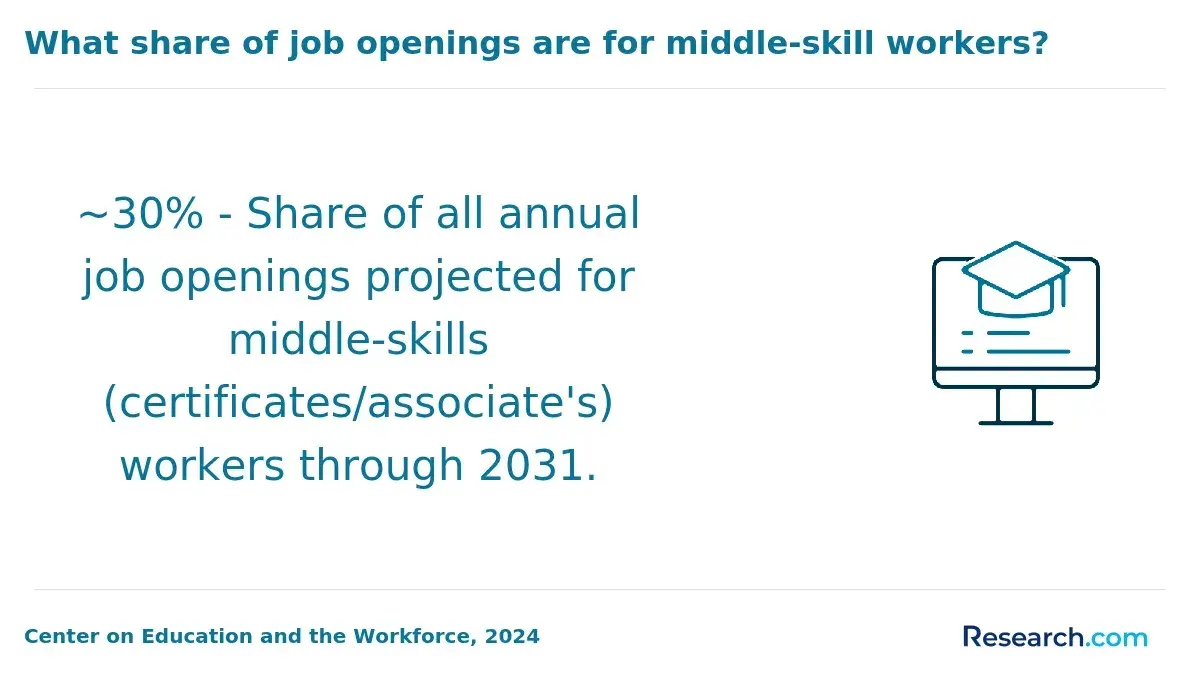
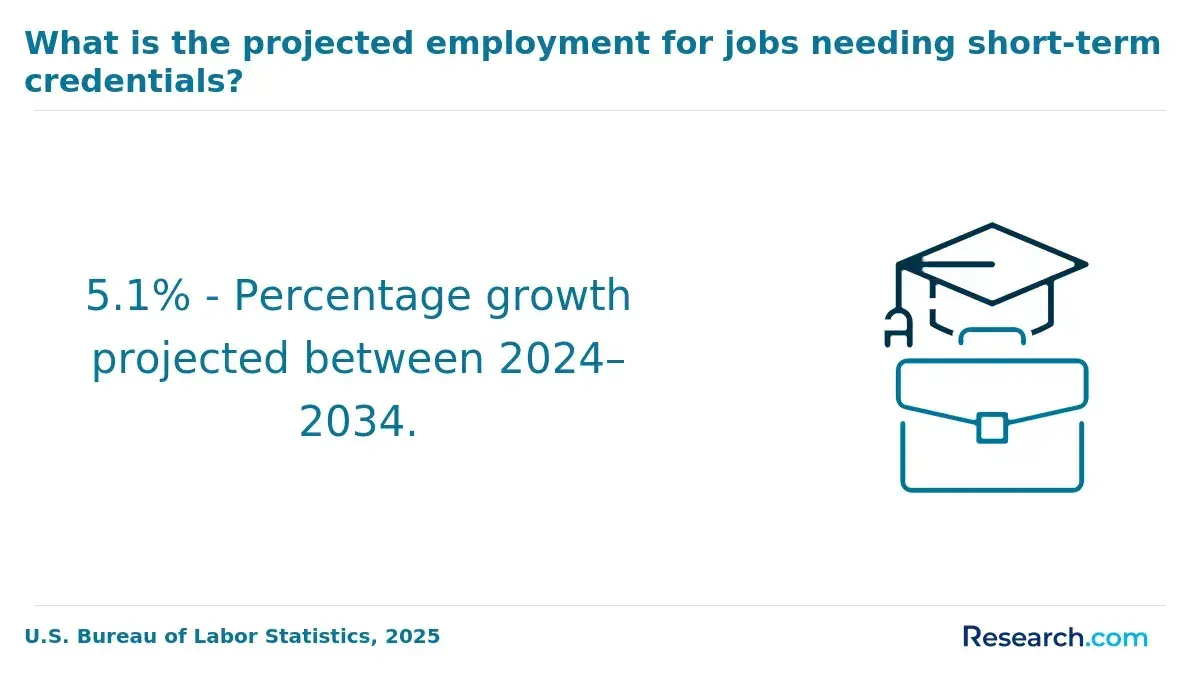
With forecasts indicating that 42% of new U.S. jobs by 2031 will require at least a bachelor's degree, per UMGC data, timely degree completion is a decisive factor in meeting employer credential standards within homeland security sectors.
How long does a transfer student need to finish the degree?
Completing an online homeland security degree as a transfer student typically requires 1.5 to 2.5 years, heavily influenced by the volume of transferable credits and program structure. Many programs accept 60 or more semester hours, effectively halving the overall credit requirement, which for a standard 120-credit bachelor's degree usually means around 60 credits remain post-transfer. This aligns with a typical full-time online course load spread over 3 to 5 semesters.
However, degree duration varies with program flexibility, such as accelerated terms or competency-based options, and the student's ability to balance coursework alongside professional duties. For instance, federal law enforcement roles often mandate clearance processes and certifications beyond degree completion, extending total entry timelines.
Financial implications are significant. Per-credit costs like UTEP's $420-$540 rate can inflate expenses when additional semesters are required. Students should carefully evaluate credit transfer policies early to avoid redundant coursework, which can delay graduation and introduce avoidable costs.
Key practical considerations include:
- Engaging academic advisors promptly for thorough degree audits to forecast realistic completion dates.
- Understanding that delays in credit evaluation or course scheduling may push back workforce re-entry.
- Balancing expedited degree completion with acquiring relevant, up-to-date competencies valued by employers in intelligence analysis or federal roles.
How much does an online homeland security degree cost?
Choosing an online homeland security degree requires analyzing total costs against transfer policies and workforce relevance. An accelerated associate program at Georgia Military College Online costs about $8,415 annually, representing one of the lowest entry points for transfer-friendly, two-year options. For students balancing work or military duties, this affordability aligns with practical timelines and reduces financial strain.
Transfer credits heavily influence expenses and completion speed. For example, paying $300 per credit with 30 credits transferred significantly lowers tuition compared to starting from scratch with 60 credits. Institutions with strong credit articulation agreements decrease redundant coursework, enabling working professionals to focus on applicable skills without inflating costs or program duration.
Employers in homeland security sectors prioritize candidates whose education efficiently combines theory, applicable certifications, and practical skills in areas like cybersecurity, emergency management, or intelligence analysis. Higher tuition doesn't guarantee better job outcomes if programs lack alignment with industry needs or do not accommodate transfer credits.
Hidden expenses, like technology fees or proctored exam charges, can add over 10% in unanticipated costs, requiring students to budget beyond tuition. Integrating military tuition benefits, employer aid, and federal financial support further shapes affordability.
What jobs can you get with a homeland security degree?
A homeland security degree leads to diverse roles with distinct operational demands, including intelligence analysts who parse government data to preempt threats and cybersecurity specialists defending critical infrastructure from rising digital assaults. Transfer students must weigh differences between federal positions requiring security clearances and private sector roles prioritizing compliance or operational screening.
For example, emergency management directors coordinate disaster responses at state levels, contrasting with transportation security officers focused on airport regulation enforcement.
Salary variance reflects responsibility and sector; federal roles often entail prior experience or background checks, limiting immediate entry for recent graduates. Advanced degrees, particularly master's programs, enhance prospects for leadership and analytical responsibilities, as evidenced by Virginia Commonwealth University alumni earning median salaries near $99,000, according to OnlineU.
Yet, continuous professional development, such as Certified Protection Professional (CPP) credentials or FEMA courses, remains essential for upward mobility in this evolving field.
Key employer expectations include a balanced blend of academic credentials and practical skills, crucial for managing risk mitigation or regulatory compliance in corporate consulting versus tactical enforcement in transportation security. Vocational tradeoffs include navigating federal hiring hurdles and the narrower technical focus cyber roles demand compared to traditional emergency management pathways.
What salary and job outlook can you expect in homeland security?
Starting salaries in homeland security vary widely across roles and educational backgrounds, which shapes potential career paths and earnings. For instance, Transportation Security Screeners, often requiring minimal educational credentials, earn a median wage of $45,470, providing relatively stable federal employment with predictable hours.
In contrast, police officers, whose duties frequently overlap with homeland security functions, earn approximately $66,020 but face unpredictable shifts and elevated physical risk. These distinctions illustrate the importance of aligning one's educational investment with personal risk tolerance and work-life priorities.
Employment in homeland security roles is projected to grow at about 4% through 2031, mirroring general labor market trends. Those targeting growth niches like cybersecurity, emergency management, or intelligence analysis often encounter more technical entry requirements but higher salary prospects.
Individuals without specialized degrees or certifications may find advancement limited, whereas a bachelor's degree often unlocks supervisory opportunities and federal positions exceeding $70,000 annually.
Careful assessment of these factors enables candidates to make informed decisions that balance immediate entry opportunities with strategic specialization for sustainable compensation growth.
Other Things You Should Know About Homeland Security
While most online homeland security programs focus on theoretical knowledge, some 2027 programs offer practical skill development through partnerships with local facilities. Prospective transfer students should look for programs that provide hybrid courses with physical training components to complement online coursework.
Online programs vary widely in their assumptions about student backgrounds. Some expect candidates to have field experience to fully engage with coursework focused on operational tactics. Transfer students without such experience should prioritize programs that emphasize policy, management, and intelligence analysis, as these tracks align better with developing foundational knowledge and minimizing gaps in practical context.
Most online homeland security degrees incorporate crisis management through simulations, case studies, and scenario-based learning, but these are limited compared to hands-on training environments. Transfer students should assess whether a program offers opportunities for hybrid or blended learning to gain practical exposure. Without such components, graduates may lack key experiential learning valued by employers in emergency response roles.
Specialization can improve employment prospects in niche areas like cybersecurity, counterterrorism, or disaster management, which often require focused skills and knowledge. Transfer students needing to quickly build credentials should weigh if specializing aligns with their career goals or if a broad curriculum offers better foundational flexibility. Programs with clear pathways to certifications relevant to selected specializations provide greater return on investment.
References
- When Is It Too Late to Transfer Colleges: What to Know https://www.edvisorly.com/student-guides/when-is-it-too-late-to-transfer-colleges
- Homeland Defender (Immigration Services Officer) https://www.usajobs.gov/job/847039500
- Types of Homeland Security Degrees | Compare Schools https://www.criminaljusticeprograms.com/specialty/homeland-security-degrees/
- Online BS Bachelor of Science in Homeland Security Degree Program https://www.calcoast.edu/b.s.-bachelor-of-science-in-homeland-security.html
- Homeland Security Career And Salary Information https://www.criminaljusticedegreeschools.com/careers/homeland-security/
- Careers | New Jersey OHSP https://www.njohsp.gov/connect/about-njohsp/careers
- Online Bachelor's Degree: Homeland Security https://www.umgc.edu/online-degrees/bachelors/homeland-security
- Bachelor of Science in Homeland Security https://www.trident.edu/bachelors-online/homeland-security-degree/
- Homeland Security Degree | Programs & Career Options https://www.learnhowtobecome.org/best-online-bachelors-in-homeland-security-degree-programs/