2027 Online Homeland Security Degrees for Students Who Want Disaster Response Roles

Co-Founder and Chief Data Scientist
Facing an increasingly complex disaster landscape, homeland security professionals must rapidly upscale skills to manage crises like cyber-attacks and climate-driven emergencies. Yet, traditional campus programs often conflict with the unpredictable schedules of working responders, limiting timely access to critical training. The National Center for Education Statistics reports that over 60% of online postsecondary enrollees in 2024 are adult learners balancing employment and family, a trend signaling growing demand for flexible, career-aligned education.
This shift challenges students to find programs that offer practical skills without sacrificing workforce continuity. This article evaluates online homeland security degrees ideal for students targeting disaster response careers, focusing on flexibility, curriculum relevance, and career outcomes to guide an informed educational choice.
Key Things You Should Know
- Online homeland security degrees in 2026 average $15,000-$30,000 total cost, but accelerated formats often sacrifice deep crisis management training, affecting preparedness for complex disaster response roles.
- Employers prioritize candidate experience over credentials; graduates with simulation-based or federal internship components see 40% higher placement in emergency management agencies, per FEMA workforce data.
- Program availability remains regionally uneven; students in rural or high-risk disaster zones face fewer accredited online options with updated curriculum aligned to DHS 2024 threat models, delaying timely career entry.
What are online homeland security degrees for disaster response careers?
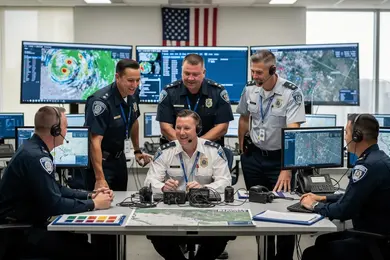
Online homeland security degrees for disaster response professionals demand robust practical training to meet employer expectations and operational realities. Graduates must rapidly coordinate resources and personnel under pressure, such as managing emergency response during a hurricane landfall, where decisions balance political scrutiny and logistical constraints. These programs emphasize applied skills through scenario-based exercises aligned with FEMA's National Incident Management System and Homeland Security Exercise and Evaluation Program standards.
Working professionals benefit from online formats that provide flexibility but must navigate the challenge of self-directed learning to bridge theory with field experience. Public safety agencies, federal employers, and private disaster consulting firms prioritize candidates demonstrating dynamic decision-making and technical planning competencies.
The best homeland security programs for emergency management careers integrate accreditation benchmarks, faculty expertise, and opportunities for internships or practicum components-critical factors for proving operational readiness beyond classroom knowledge. Without this practical exposure, candidates may struggle entering senior roles, where a median emergency management director salary stands at $86,130, according to National University citing U.S. Bureau of Labor Statistics data.
Understanding salary benchmarks in adjacent fields helps contextualize career paths; for example, a criminal profiler salary can provide insight into relative earning potential within public safety professions.
How do online and campus homeland security programs compare?
Online vs campus homeland security degree programs present fundamentally different tradeoffs in readiness and career integration. Campus programs deliver essential hands-on training through live drills, face-to-face faculty mentorship, and situational simulations that build situational awareness and leadership skills coveted in disaster response roles. This tactile experience shapes candidate profiles aligned with employer preferences for direct field exposure.
In contrast, differences between online and traditional homeland security courses show that online formats rely heavily on asynchronous learning, requiring students to pursue external internships or local agency partnerships independently to acquire comparable practical experience. This self-directed approach can delay skill development and affect immediate employability in a competitive job market.
The employment outlook for emergency management directors is steady with a 4% growth projection through 2033 and about 1,000 annual job openings nationwide, intensifying the need for demonstrable operational competence. Working professionals often benefit more from campus-based scenario training, aligning with employer expectations for crisis leadership, while online students must supplement their education strategically with certifications or internships to remain competitive.
Students weighing these choices should consider how program access impacts career timelines and networking. Campus education offers more seamless integration into institutional networks, whereas online learners face greater demands for self-direction and external engagement in workforce preparation.
For those evaluating cybersecurity options alongside homeland security, programs offering flexibility without sacrificing critical skill application-such as a cybersecurity online degree may provide complementary pathways within national security domains.
What accreditation should a homeland security program have?
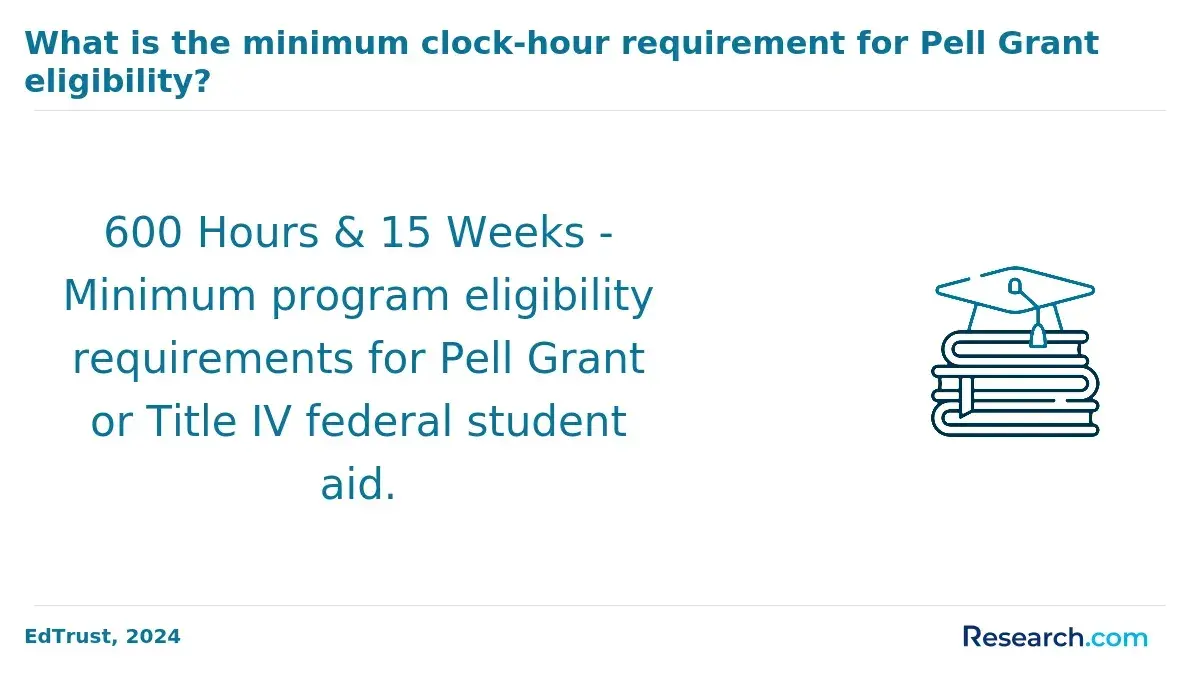
Regional accreditation combined with programmatic accreditation specific to emergency management or criminal justice fields is a decisive factor for the value of any homeland security degree. Agencies like the Southern Association of Colleges and Schools Commission on Colleges (SACSCOC) provide institutional legitimacy and access to federal financial aid, which are often non-negotiable prerequisites for employment in federal agencies and many private security roles. Employers, particularly in critical infrastructure protection, prioritize candidates from regionally endorsed institutions to meet compliance and operational demands.
Programmatic credentials from bodies such as the Accreditation Council for Security Education (ACSE) or the Emergency Management Accreditation Program (EMAP) confer measurable assurance that the curriculum aligns with industry standards. For instance, professionals working in disaster response with FEMA or state emergency offices benefit from programs that emphasize operational readiness through EMAP-aligned courses. Students pursuing accredited online homeland security disaster response degrees should confirm coursework coverage of the National Incident Management System (NIMS) and FEMA's professional development requirements, prerequisites commonly required for advancement.
Moreover, integration of cybersecurity training mapped to standards from the National Initiative for Cybersecurity Education (NICE) strengthens employability in information security roles, a sector commanding median wages around $120,360. However, selecting nationally accredited or non-accredited programs may significantly limit access to federal positions, given the sector's stringent educational standards. For a clear comparison in complementary pathways, individuals might consider paralegal courses online as an alternative focus to understand accreditation influence in applied legal and security fields.
What courses are in a disaster response homeland security degree?
Disaster response courses in homeland security degree programs must equip students with actionable skills to manage multi-agency emergency operations under real-world pressures. The curriculum focuses on incident command systems, emergency planning, risk assessment, and crisis communication-core areas that translate directly to managing large-scale events such as hurricanes or industrial accidents. Programs that include specialized cybersecurity threat mitigation and counterterrorism strategies better prepare students for the evolving threat landscape. A practical example: knowing how to implement National Incident Management System (NIMS) protocols ensures seamless coordination among federal, state, and local responders during a multi-jurisdictional disaster.
Students gain proficiency in resource logistics to allocate personnel and supplies efficiently-a critical capability for disaster field supervisors and planners. Classes addressing public health emergencies, including pandemic response, respond to recent expansions in biosecurity risk management, while GIS training enhances situational awareness through spatial analysis relevant to dynamic disaster scenarios. Decision-making under uncertainty, ethical leadership, and community resilience are woven into the curriculum to prepare graduates for the complexity and unpredictability inherent in homeland security roles. This breadth aligns closely with employer demand for professionals who can deliver operational competency immediately.
Online programs offering these disaster management fundamentals can cost as low as $8,415 annually, a stark contrast to traditional degrees that may range from $36,000 to $125,000 per year. Such pricing differences can influence workforce mobility and accessibility for professionals seeking a strategic pivot without incurring significant debt. Prospective students should evaluate online homeland security degree curriculum for disaster management with cost, credential rigor, and direct applicability in mind. For those comparing cost-effective educational pathways, resources like the cheapest online Spanish degree listings can serve as benchmarks for affordability without sacrificing quality.
What admission requirements do online homeland security programs have?
Bachelor's entry to online homeland security programs typically requires a high school diploma or GED, while master's-level study demands a relevant bachelor's degree paired with professional experience. Requiring SAT or ACT scores remains common but is increasingly optional as institutions revise admissions policies. For master's disaster response concentrations, evidence of practical experience-through resumes, professional references, and detailed statements-is critical. Background checks and security clearances are often necessary, mirroring employer trust standards for sensitive operational roles.
Programs weigh applicants' direct experience against labor market demands, where roles such as information security analysts are projected to grow 32% from 2022 to 2032 per the U.S. Bureau of Labor Statistics. This growth stems largely from escalating cyber risks tied to disasters, elevating the importance of skills in cybersecurity, infrastructure resilience, and public health emergencies. Admissions committees thus prioritize proven operational competencies beyond academic records, focusing on candidates' demonstrated ability to handle complex, real-world disaster scenarios.
Technical aptitude with simulation software, data analytics, and remote collaboration tools factors heavily into readiness assessments. Transfer credits or emergency management certifications can accelerate completion but require rigorous course validation. Candidates lacking foundational domain skills often face remedial requirements that increase program length and cost. Working professionals should carefully evaluate part-time or asynchronous formats that enable sustained employment without compromising practical skill acquisition.
How long does an online homeland security degree take?
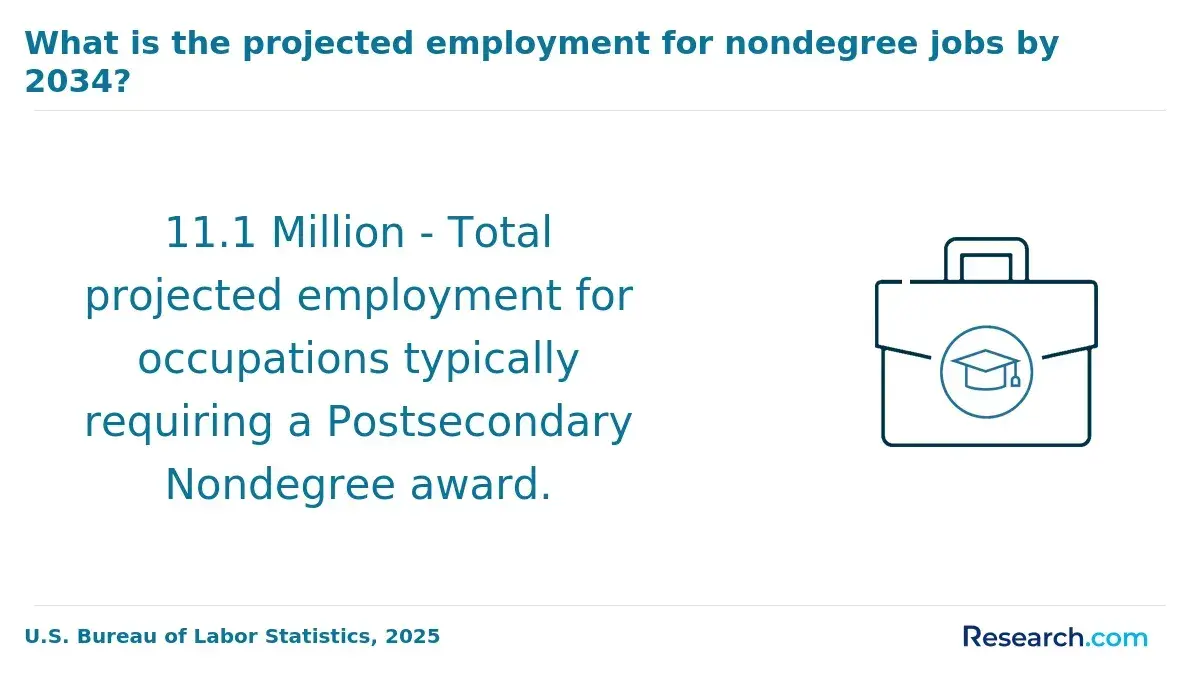
Completing an online homeland security degree requires weighing time investment against career outcomes. Associate programs typically take around two years full-time, suiting those aiming for entry-level roles with foundational knowledge. Bachelor's degrees usually require three to four years, although part-time or accelerated tracks can stretch beyond five years, affecting how quickly one enters the workforce.
Choosing a faster path means quicker employment but often limits the depth and strategic content necessary for leadership positions. Conversely, longer programs-including those offering applied training or internships-better prepare students for supervisory roles where complex operational skills and real-world experience are key. For example, local employers hiring disaster response supervisors prioritize practical readiness and certifications alongside degrees; such positions command median salaries near $98,760, underscoring the value of experience combined with education.
Factors beyond program length also influence timelines: credit transfer policies, prerequisite availability, and cohort structures can delay progress, especially for working adults balancing family and job demands. Prospective students should assess these elements carefully to avoid unexpected setbacks that impact earning potential and opportunity cost.
In summary, a strategic choice of program length and format must align with individual career goals, readiness for workforce demands, and the practical realities of managing study alongside life obligations.
How much do online homeland security degrees cost?
Investing in an online homeland security degree requires careful evaluation of cost against measurable salary outcomes and workforce demands. Bachelor's programs typically range from $15,000 to $40,000, while master's degrees can escalate to $60,000 depending on institutional reputation and public versus private status. These price points fluctuate primarily with credit hour rates, program length, and ancillary fees such as technology or occasional travel requirements.
The salary spectrum for emergency management director positions spans roughly $70,000 to $140,000 annually, influenced by geographic location, government level, and professional experience. This variance necessitates weighing upfront tuition against realistic career earnings to determine return on investment.
For working professionals, employer tuition assistance often lowers net expenditure but demands confirmation of eligibility and reimbursement processes ahead of enrollment. Accelerated programs may reduce total fees but impose intense time commitments that risk destabilizing current employment.
To enhance employability beyond academic performance, students should prioritize degree tracks offering targeted certifications or hands-on simulation exercises aligned with federal and local agency hiring criteria. This focus better positions graduates for leadership roles that command substantial salary growth over time.
- Analyze total program costs including fees and travel before committing
- Validate employer tuition benefits to optimize net cost
- Match program practical elements with industry expectations for disaster response roles
What jobs can you get with a homeland security degree?
A homeland security degree opens pathways to distinct roles like emergency management director, cybersecurity analyst, and disaster response coordinator, each demanding specialized skills beyond academic knowledge. For example, emergency management directors must integrate federal policy understanding with logistics coordination during crises, while cybersecurity analysts require ongoing certification to keep pace with evolving threats.
The field's considerable growth-an 85% increase in graduate programs over a decade-addresses rising demand for advanced expertise in bioterrorism, risk assessment, and crisis communication. Yet, this expansion also requires candidates to navigate employer preference for practical experience combined with theoretical knowledge, especially in positions demanding leadership amid fragmented emergency communication.
Key considerations for students include:
- Balancing coursework with internships or federal training to strengthen employability.
- Understanding that federal roles often have strict hiring standards and structured pay, contrasting with more accessible but slower-advancing local positions.
- Preparing for continuous skill updating, especially in cybersecurity, to remain relevant amid dynamic threats.
What salaries do disaster response jobs pay?
Master's-level roles in homeland security and emergency management display a salary range from $55,000 to $115,000, shaped largely by sector, geography, and job complexity. Federal and state agencies in urban or high-risk zones tend to offer the higher salaries, reflecting the scale of operational demands. For example, emergency management directors in large metropolitan offices typically approach the top of this range due to extensive leadership responsibilities, while intelligence analysts in smaller jurisdictions often earn between $55,000 and $75,000.
Advancing beyond mid-career thresholds usually requires significant field experience, security clearances, or certifications, which justify salaries exceeding six figures. Dual-degree holders with cybersecurity or public health skills can command premiums, leveraging cross-disciplinary expertise to gain competitive advantages.
Practical workforce considerations include potential relocation to disaster-prone areas where compensation adjusts for cost of living and hazard exposure. Candidates should also weigh the differing benefit structures and job security offered by public versus private employers.
The tradeoff between salary and mission focus is critical: higher pay often coincides with increased administrative responsibilities and less direct disaster response involvement. This dynamic requires professionals to balance financial incentives against their preference for operational engagement.
What certifications help homeland security graduates?
Employers in homeland security disaster response often expect candidates to hold multiple certifications that collectively cover strategic, operational, and analytical dimensions. For example, the Certified Emergency Manager (CEM) credential, recognized by agencies such as FEMA and the Department of Defense, signals readiness for advanced disaster coordination roles but typically requires significant preparation time and prior experience.
Conversely, technical credentials like FEMA's Professional Development Series (PDS) provide essential hands-on skills aligned with incident command systems, benefiting candidates targeting state and local government positions. However, these are less specialized for analytical career paths.
Graduates pursuing positions in security risk assessment or research roles should prioritize the Certified Protection Professional (CPP) designation and Geographic Information Systems (GIS) certification, the latter enhancing disaster impact mapping-skills tied to a median salary near $89,300 for risk and operations research analysts per National University analysis of U.S. Bureau of Labor Statistics data.
Operational and analytical pathways diverge notably in certification demands, with each requiring time and financial investment that can delay workforce entry.
- Operations-focused roles benefit from combining CEM and PDS for broad emergency management competence.
- Analytical roles require CPP and GIS to meet risk management and data-driven decision-making expectations.
Graduate students must weigh these tradeoffs against their career aims and the evolving homeland security landscape, where blended certification portfolios receive preference but also increase preparatory complexity.
Other Things You Should Know About Homeland Security
Online homeland security degrees in 2027 offer a strong foundation for disaster response careers by covering critical areas like emergency planning and risk management. However, gaining practical experience through internships or fieldwork complements online learning, enhancing competitiveness for securing roles in this field.
Online formats can limit direct access to certain hands-on exercises critical to disaster response skill-building. Programs incorporating virtual simulations and requiring in-person practicums provide more comprehensive preparation. Students should evaluate if the online program mandates local fieldwork or partnerships with agencies to ensure they gain applicable operational experience valued by employers.
Specialized disaster response degrees focus intensely on emergency management, which enhances technical readiness but may narrow employment options. Broader homeland security programs offer versatility across multiple domains like cybersecurity, intelligence, and law enforcement, increasing adaptability but diluting focus. Prospective students should match program scope with their career goals-specialization benefits those committed to disaster roles, while broader programs suit candidates seeking flexibility.
Most federal and state agencies require degrees from regionally accredited institutions when hiring for disaster response roles. Non-accredited programs might offer lower costs but typically face limited recognition and fewer job opportunities. Applicants targeting public sector or large agency positions should prioritize accredited programs to ensure credentials meet baseline hiring standards and competitive applicant screening.
References
- Search icon https://waldorf.edu/degree-programs/bachelors/ba-homeland-security/
- What is an Emergency Response Specialist? - MPH Online https://www.mphonline.org/emergency-response-specialist-job/
- Bachelor of Science inEmergency Management and Homeland Security Online or On Campus https://www.albany.edu/cehc/programs/bs-emergency-management-homeland-security
- Emergency Management & Homeland Security Accreditation | CAEMHSE https://www.caemhse.education/
- Types of Homeland Security Degrees | Compare Schools https://www.criminaljusticeprograms.com/specialty/homeland-security-degrees/
- Disaster Relief Jobs (with Salaries) - SEEK https://au.seek.com/disaster-relief-jobs
- Emergency Management and Homeland Security https://www.ashland.edu/program/emergency-management-and-homeland-security-bachelors
- Online Degree Programs from GMC Online https://online.gmc.edu/programs/bachelor-of-applied-science-in-homeland-security-emergency-management/
- Top Online Master’s Degree Programs in Homeland Security for 2025 https://www.onlinemastersdegrees.org/best-programs/homeland-security/