2027 Best States for Homeland Security Career Growth

Co-Founder and Chief Data Scientist
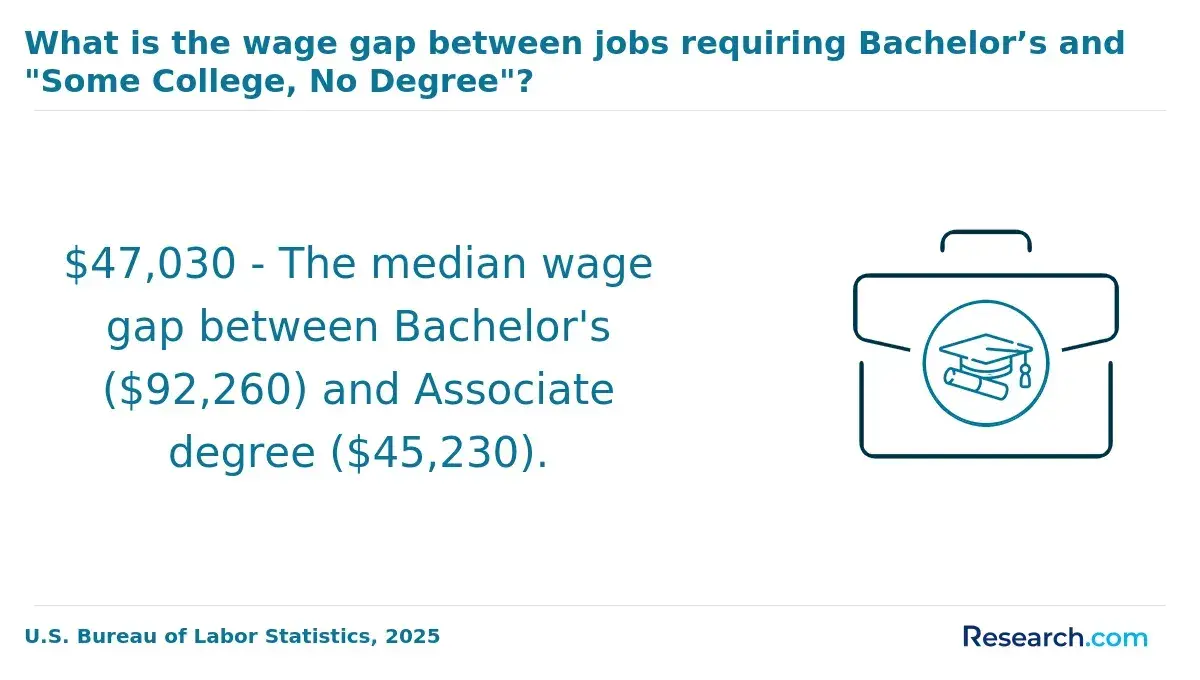
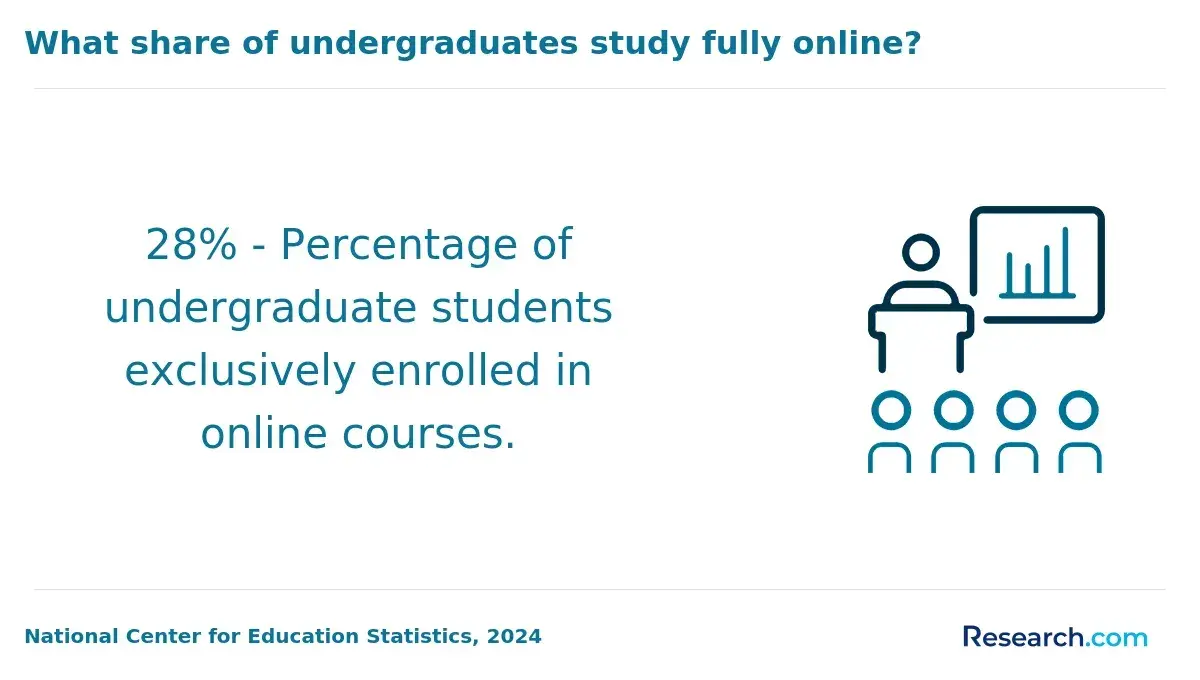
Professionals seeking advancement in homeland security often confront a fragmented job market where geographic location heavily dictates career trajectories due to variable agency presence and funding. This challenge intensifies as nearly 70% of adult learners balancing work and education are now prioritizing flexible, often online, degree programs, according to the National Student Clearinghouse Research Center data from last year.
This shift in enrollment patterns signals a preference for states offering both robust educational infrastructure and active homeland security sectors, enabling smoother transitions between study and employment. This article evaluates the best states for homeland security career growth to help identify where educational access and workforce demand converge strategically.
Key Things You Should Know
- States with expanding federal counterterrorism hubs like Virginia and Maryland show 12% higher salary averages for homeland security professionals, but rising demand also intensifies competition among candidates with advanced cybersecurity certifications.
- Employers increasingly value combined operational and analytical skills, causing a shift toward multidisciplinary degrees; workforce entrants lacking applied intelligence training face slower promotion tracks despite general security clearances.
- High-cost states incur average tuition increases of 8% since 2023 for homeland security programs, delaying degree completion for working professionals reliant on employer tuition assistance, impacting time-to-promotion timelines substantially.
What are the best states for homeland security careers?
Texas, California, and Virginia represent the best states for homeland security career opportunities due to distinct operational priorities and employer concentrations. Texas leverages border security and federal agency headquarters, demanding skills in both infrastructure protection and emergency management. California's tech-driven cybersecurity roles, especially across Silicon Valley and port security sectors, pay a premium but require balancing 15-25% higher salaries against escalated living costs. Virginia's proximity to the nation's capital offers direct engagement with federal entities like the FBI and Department of Defense, emphasizing strategic intelligence and counterterrorism expertise. These differences illustrate how region-specific sector demand shapes workforce needs and salary structures, impacting practical career decisions.
Data from 2024 shows 4.16 million U.S. workers employed in homeland security, law enforcement, firefighting, and protective services, with bachelor's completions in these domains growing over 20% since 2019. However, increasing competition means degree-holders must often supplement credentials with specialized technical skills or operational certifications. Prospective professionals evaluating the top regions for homeland security job growth should also weigh cost of living, certification demands, and direct access to employers.
For those seeking educational pathways aligning with these market realities, an accredited online criminal justice associate degree can provide foundational knowledge and flexibility to pivot into homeland security roles. Such credentials often serve as a stepping stone toward roles aligned with specific state-sector priorities.
Which states offer the highest homeland security salaries?
States with large urban centers-specifically California, Texas, and New York-dominate the landscape of the highest paying states for homeland security jobs, capturing nearly 30% of protective service roles nationwide. This concentration drives more competitive salaries, but also entails distinct operational demands and workforce expectations that candidates must consider.
California professionals, especially in the Bay Area and Los Angeles, face elevated living costs offset by higher pay for roles requiring specialized skills in cybersecurity, counterterrorism, and emergency preparedness. Conversely, Texas offers attractive salaries near Houston and Dallas paired with a lower cost of living, creating different considerations for quality of life and long-term savings. New York's market, focused in New York City, rewards crisis management expertise with premium pay but also comes with heightened stress and complex interagency coordination.
Job seekers evaluating top regions for homeland security career salaries should weigh these compensations against tradeoffs such as intense workloads, operational risks, and the need for continuous skill updates and certifications. Employers routinely prioritize candidates with multi-agency experience, making practical skill acquisition-such as through a cybersecurity masters a strategic choice to enhance employability.
Ultimately, sustainable career progression depends on balancing salary incentives with lifestyle, local employer demands, and realistic commitment to ongoing professional development.
Which states have the strongest homeland security job outlook?
California, Texas, and Virginia dominate the strongest states for homeland security job growth due to distinct operational demands and federal presence. California's mix of population density and critical transportation hubs sustains demand for cybersecurity experts and emergency coordinators, while Texas leverages its large military and energy infrastructure for specialized security roles. Virginia's proximity to Washington, D.C., positions it as a center for federal cybersecurity and intelligence careers, often requiring advanced certifications and offering salaries about 15% above the national average in key regions.
These differences shape where candidates should target their educational and skill development efforts. For example, cybersecurity certifications carry more weight in Virginia's hiring practices, whereas Florida's growing tourism sector demands stronger disaster management expertise. Entry-level job seekers face more competitive applicant pools in states like New York and Florida, while places such as Georgia and Colorado present steadier, regional agency opportunities with less saturation.
Salary expectations also need to be balanced against local living costs. Texas provides a more affordable living environment alongside competitive pay, contrasting with California's higher housing costs despite salary increases aligned with federal pay scales, which average $77,000 annually for DHS employees and exceed $100,000 in senior roles. Evaluating these tradeoffs is essential when planning a strategic pivot toward homeland security careers or related forensic careers.
What degrees qualify you for homeland security jobs?
The viability of degrees for homeland security careers in top states hinges largely on how well programs align with specific agency needs and operational roles. Degrees narrowly focused on cybersecurity or digital forensics offer clear pathways into federal analyst positions, whereas broader interdisciplinary programs often lead to analytic or managerial roles but risk mismatch with frontline requirements. Choosing from the best homeland security degree programs by state involves weighing regional employer networks-such as those concentrated in Miami, FL; Richmond, KY; and Richmond, VA-where internship and local placement opportunities improve outcomes.
Employers frequently prioritize certifications and practical experience over generalized academic credentials. Candidates should consider degrees that facilitate security clearance eligibility and concentrate on applicable subfields like emergency management or counterterrorism to avoid costly retraining. For those without a targeted operational role, specialized certificates may better balance time and investment than comprehensive degree programs.
Essential decision factors include program accreditation, applied learning components, and institutional ties to government agencies. Degree holders typically supplement academic knowledge with real-world training in tactical response or intelligence analysis to meet evolving strategic demands in homeland security workforces.
Additionally, those exploring advanced educational routes might compare options such as the masters in forensic psychology online, which can complement analytic capabilities within homeland security contexts.
Are online homeland security programs respected by employers?
Employers in the homeland security sector increasingly assess online degrees based on accreditation and demonstrable outcomes rather than delivery format alone. For instance, law enforcement professionals holding online homeland security degrees aligned with federal qualification standards have accessed GS-7 to GS-9 pay bands and supervisory roles, as reported by PoliceOfficer.org's 2024 data. This indicates that properly structured online programs can function as credible credentials for federal career mobility.
However, hiring preferences vary: agencies with robust internal training often favor candidates with verified practical experience or traditional regional degrees. Sectors like emergency management and cybersecurity demand concrete technical skills that purely online curricula may lack, making hybrid or competency-based programs with hands-on components more appealing in those contexts.
Prospective students aiming for respect from employers should prioritize programs offering:
- Accreditation from recognized bodies such as the Department of Education or CHEA.
- Explicit pathways to federal credentials or GS pay band progressions.
- Opportunities for applied case studies, simulations, or federal internships, even in remote settings.
Without these elements, online degrees risk being perceived as insufficient, especially in competitive urban agencies that weigh accredited education alongside verified fieldwork. A cautious, outcome-driven comparison of curriculum rigor and credential acceptability remains essential for strategic career decisions in homeland security.
What should a homeland security curriculum include?
Prioritizing applied competencies over theoretical breadth is critical for homeland security students targeting measurable workforce success. Core coursework must balance federal and state regulatory frameworks, criminal justice systems, risk assessment, and counterterrorism tactics with practical skills like incident command, threat identification, and interagency coordination to meet demanding employer standards.
For example, an officer advancing from local patrol duties to cyber threat analysis faces a steep learning curve integrating network vulnerability insights alongside traditional law enforcement skills-underscoring the necessity for multidisciplinary training. The 3.1% projected job growth for police and sheriff's patrol officers through the early 2030s does not equate to automatic placement; programs emphasizing scenario-based training and crisis simulations better position graduates amid competitive entry.
Key considerations include rigorous technology and data analysis training reflecting homeland security's evolving reliance on real-time information processing and digital surveillance. Additionally, soft skills such as communication, critical thinking, and cultural competence remain indispensable for effective collaboration within multi-jurisdictional task forces.
Practical tradeoffs arise between full-time study and flexible options given working students' need to maintain employment during credentialing. Evaluating internship availability and law enforcement partnerships reveals program viability in delivering hands-on experience linked directly to job placement. Clear credential paths aligned with recognized certifications also facilitate employer assessment of qualifications and career pivot feasibility.
What admissions requirements do homeland security programs use?
Applicants to homeland security programs face layered requirements that directly influence career trajectory and earning potential. A high school diploma or GED is the baseline, but competitive candidates typically bring backgrounds in criminal justice, cybersecurity, or related disciplines. Standardized tests like the SAT or ACT remain common admissions hurdles, although some schools waive them for applicants with relevant work histories or prior credits. Essential to entry is a demonstrated commitment to public safety through personal statements and ethical vetting via thorough background checks, aligned with federal employment demands.
Students aiming for roles in intelligence analysis or cybersecurity must recognize that these sectors are growing rapidly-by roughly 32% over a decade-rewarding technical proficiency with salaries often $25,000-$35,000 higher than entry-level positions. This growth underscores the importance of programs that integrate computer science, emergency management coursework, and hands-on training, such as simulations and internships. Admission prerequisites may include foundational knowledge in network security or data analysis to meet these employer standards.
For non-traditional students-those balancing employment or transitioning from military service-evaluating program flexibility is critical. Some institutions permit transfers into bachelor-level study with an associate degree or military background, while others require full freshman admission. Certifications like CompTIA Security+ or CISSP add value but rarely replace formal education requirements entirely.
Employers prioritize candidates demonstrating real-world experience, whether through professional roles or volunteer involvement. Choosing a program without such experiential components may limit workforce prospects despite academic credentials.
How do you verify homeland security program accreditation?
Careful accreditation verification distinguishes homeland security programs that truly prepare graduates for high-stakes roles from those offering nominal credentials. Regional accreditation ensures credits transfer and employers recognize the institution, but the real workforce alignment comes from industry-specific accreditors like the Center for Homeland Defense and Security (CHDS). Programs endorsed by recognized bodies demonstrate curriculum relevance to infrastructure protection and emerging security demands.
Employers in sectors with federal security contracts-such as natural gas distribution or postal services-prioritize candidates educated through rigorous accreditation because those programs embed compliance with federal standards and operational readiness. Graduates with properly accredited credentials often command salaries exceeding $80,000, reflecting employer trust in verified expertise.
Practical steps for candidates include using accreditor databases from entities like the Council on Higher Education Accreditation (CHEA) or the U.S. Department of Education to confirm a program's current status. Beware of programs lacking transparent accreditation claims, as their credentials may hinder access to federal employment or security clearances, delaying job start dates or disqualifying applicants in states with substantial federal security presence.
- Check for recognized regional and program-specific accreditation
- Verify endorsement from federal agencies or key industry stakeholders
- Confirm transparency and presence in official accreditor listings
Failing to verify accreditation before enrollment risks disqualification from critical infrastructure roles and restricts eligibility for sensitive federal positions, underscoring accreditation's operational impact beyond academic reputation.
What certifications support homeland security career advancement?
Certifications that align with homeland security hiring priorities must deliver specific, measurable competencies within realistic timeframes. Credentials like the Certified Protection Professional (CPP) and the Certified Homeland Security Professional (CHSP) differentiate candidates by validating expertise in physical security, risk assessment, emergency management, and counterterrorism-skills directly applicable in federal, state, and local agencies.
FEMA's Professional Development Series (PDS) certification further establishes operational readiness in incident command and disaster response, which can accelerate placement into frontline roles. For example, a recent graduate holding both CHSP and FEMA PDS certifications entering a state emergency management agency is more likely to meet baseline hiring criteria swiftly and compete effectively for leadership roles.
Employers emphasize credentials that can be obtained within 6 to 12 months without interrupting employment, valuing practical skillsets over broadly academic qualifications. However, candidates must weigh upfront costs, renewal requirements, and sector-specific specialization demands-such as cyber defense or infrastructure protection-which often require multiple targeted certifications.
Programs like the DHS PATHS initiative highlight the strategic advantage of early-career certifications by increasing workforce participation in critical homeland security sectors. Overall, professionals must balance time, expense, and evolving workforce needs to optimize credentialing toward roles with tangible operational and leadership impact.
How do you choose a reputable homeland security school?
Employers in homeland security frequently require more than a diploma-they seek graduates whose education aligns with practical, regulatory, and operational demands. For instance, in New York State, a master's degree can replace five years of specialized emergency management experience, illustrating how advanced degrees can shortcut otherwise extensive tenure requirements. However, this advantage depends on choosing programs with curricula validated by government or industry advisory boards, ensuring graduates acquire leadership-ready skills.
Programs emphasizing internships, cooperative education, or realistic simulation exercises bridge the gap between classroom learning and field challenges like disaster response or intelligence analysis. Without such applied experiences, accelerated degree tracks risk producing graduates who lack on-the-ground readiness despite academic credentials.
Specialization matters: public safety, infrastructure protection, and intelligence sectors each demand tailored coursework or certifications. Prospective students should evaluate how well schools prepare for specific operational contexts rather than offering generic homeland security training. Job placement rates and alumni outcomes in both government and private security positions provide vital indicators of a program's market relevance.
Cost and program length require critical tradeoffs. Longer programs incorporating practicum components often deliver deeper competency and better long-term returns versus accelerated options with limited field exposure. National employment data confirm that employers prioritize candidates combining advanced degrees with substantial applied experience over those with credentials alone.
Other Things You Should Know About Homeland Security
In 2027, the best states for homeland security career growth are Virginia, Maryland, and California. These states offer robust opportunities due to the presence of numerous federal agencies, defense contractors, and technology firms, significantly boosting employment prospects in this field.
Workload intensity in homeland security roles varies significantly by employer type and regional threat profiles, with urban or border states demanding longer hours and higher stress levels. Smaller states or local agencies often involve multitasking across diverse responsibilities, increasing unpredictability but sometimes offering more flexible arrangements. When choosing a state for career growth, weigh operational tempo and shift patterns carefully against compensation to avoid burnout or stagnation.
Advanced degrees often open doors for supervisory or analytical positions, but specialized certifications in cybersecurity, emergency management, or intelligence analysis yield more immediate impact on job duties and salary. Employers prioritize certifications when evaluating candidates for technical roles that require up-to-date operational knowledge. For career pivots or rapid advancement, integrating targeted certifications with a foundational degree provides the most balanced approach.
Federal agencies offer broader scope, higher pay, and more formal career tracks but involve lengthy hiring processes and stricter security requirements. State agencies provide faster entry points and more varied hands-on experiences but may limit long-term upward mobility. If the goal is steady advancement within homeland security, gaining initial experience at the state or local level can build practical skills quickly before transitioning to federal roles for expanded opportunities.
References
- Choosing a bachelor's in homeland security | edX https://www.edx.org/resources/how-to-choose-a-bachelors-in-homeland-security
- Types of Homeland Security Degrees | Compare Schools https://www.criminaljusticeprograms.com/specialty/homeland-security-degrees/
- Your Guide to Homeland Security Certification - ARES Security https://aressecuritycorp.com/2025/01/30/homeland-security-certification/
- Online Bachelor's Degree: Homeland Security https://www.umgc.edu/online-degrees/bachelors/homeland-security
- Certifications https://www.safetyact.gov/at/certifications/
- ACADEMY | C4SEM | GLOBAL https://www.c4sem.org/homeland-security
- Search icon https://waldorf.edu/degree-programs/bachelors/ba-homeland-security/
- [DOC] E-Verify Self Check - Additional Website Content - Reginfo.gov https://www.reginfo.gov/public/do/DownloadDocument
- Homeland Security Career And Salary Information https://www.criminaljusticedegreeschools.com/careers/homeland-security/
- Homeland Security Requirements (Degrees, Jobs & Salary) https://www.allcriminaljusticeschools.com/federal-law-enforcement/homeland-security/