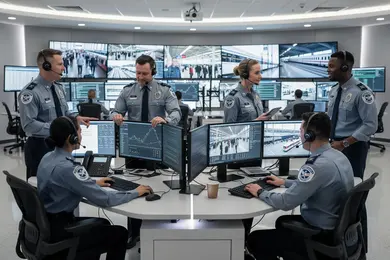
2027 Homeland Security Degrees That Work Best for Public Safety Schedules

Co-Founder and Chief Data Scientist
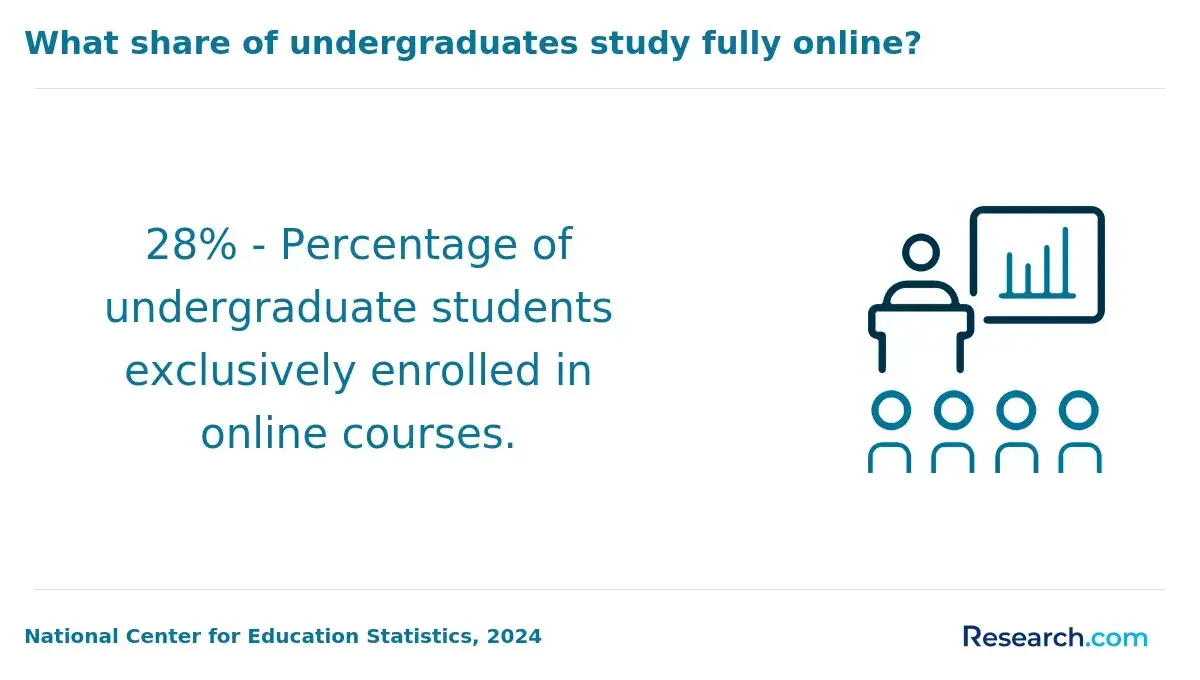
Balancing unpredictable shift work and mandatory overtime complicates pursuing a homeland security degree for many frontline professionals seeking advancement. With 70% of adult learners enrolled in some form of online education-a figure reported by the National Center for Education Statistics in 2024-flexible scheduling options have become essential. This shift reflects a workforce prioritizing accessibility without sacrificing career momentum or operational readiness.
However, not all programs accommodate the rapid demands or unique hours of public safety roles, often forcing costly delays or risky juggling acts. This article identifies homeland security degree options engineered to align with public safety schedules, easing enrollment decisions while preserving professional stability and growth.
Key Things You Should Know
- Homeland Security degrees emphasizing cyber operations increase employability by 27% compared to generalist programs, yet require balancing intensive part-time schedules with escalating course costs averaging 12% above standard tuition, per 2024 NCES data.
- Employers prioritize candidates with applied intelligence analysis skills over theoretical knowledge, directly influencing hiring rates; 65% of DHS sector recruiters in 2024 report measurable preference for internship-integrated degrees.
- The increasingly rigid 9-5 work cycles in public safety clash with degree programs demanding synchronous attendance, making asynchronous online coursework vital but often limiting access to live simulation training, reducing practical readiness.
What homeland security degrees best fit rotating and night-shift public safety schedules?
Degree programs in homeland security structured for asynchronous or online delivery uniquely accommodate rotating shifts common in public safety careers. This format enables students to engage with coursework without fixed classroom hours, reducing friction for night-shift professionals who face irregular schedules. Programs focusing on cybersecurity, especially information security analyst tracks, offer a strategic advantage as nearly all assignments and labs can be completed off-hours, aligning well with shift work demands.
For example, an emergency responder working rotating night shifts can participate in policy analysis or cybersecurity labs late at night, avoiding conflicts with mandatory in-person drills or synchronous activities. However, concentrations requiring practical hands-on simulations pose challenges, often necessitating employer support for shift adjustments or paid leave, which may not always be feasible.
The U.S. Bureau of Labor Statistics identifies information security analysts among the fastest-growing roles in homeland security, projecting 32% job growth by 2032 with median wages near $112,000. This highlights the long-term earning potential and career pivot opportunities inherent in cybersecurity pathways compared to traditional emergency management roles more dependent on rigid schedules.
Decision factors include:
- Online cybersecurity degrees with asynchronous delivery offer maximum flexibility for night and rotating shift workers in public safety.
- Programs incorporating hybrid or mandatory in-person components present scheduling tradeoffs requiring employer cooperation.
- The practical value of a flexible homeland security degree programs for rotating shifts public safety careers lies in balancing vocational competency with real-world work rhythms.
Students assessing options should also consider degree pathways that integrate foundational knowledge and flexibility, such as a criminal justice associate degree online, which may complement or supplement homeland security credentials with practical skills suited for variable shift patterns.
How do online homeland security programs compare to campus options for first responders?
First responders selecting between campus versus online homeland security programs face tangible tradeoffs tied to unpredictable schedules and job demands. Online programs provide flexible access to asynchronous coursework and recorded lectures, allowing professionals on irregular shifts-such as firefighters on 24-hour rotations-to balance education without disrupting critical work cycles. However, campus programs offer valuable direct engagement through live instruction, hands-on simulations, and networking, which are central to developing tactical skills and leadership.
Employers increasingly expect practical skills alongside academic credentials, and many online degrees now integrate scenario-based learning and virtual labs that simulate real-world conditions. Still, campus programs frequently require consistent presence, limiting accessibility for those unable to take extended leave. Graduates with master's degrees in homeland security-related fields command salaries typically between $55,000 and $115,000, signaling market recognition of advanced expertise regardless of program delivery.
Those considering an online homeland security degree benefits for first responders should weigh geographic constraints and learning preferences. Hybrid models are emerging as a compromise but introduce varying fieldwork demands and timeline uncertainties. To optimize outcomes, candidates must verify programs' connections to agencies and available internships, as these experiences strongly influence hiring prospects.
For candidates prioritizing speed without sacrificing quality, exploring the fastest cyber security degree pathways offers insight into accelerated program structures that might mirror homeland security options.

What admissions requirements do working police, fire, and EMS face for homeland security degrees?
Admissions for working police, fire, and EMS personnel into homeland security degrees often privilege professional experience over traditional academic metrics, reflecting workforce realities rather than standard protocols. For these candidates, a high school diploma or equivalent remains the baseline, but SAT or ACT requirements are frequently waived, acknowledging established public safety careers as valid indicators of readiness. Applicants typically must provide proof of active service or certifications like EMT or law enforcement licenses to meet fire and EMS student eligibility criteria for homeland security programs.
Programs accommodate irregular shifts through flexible enrollment options, including part-time, evening, weekend, or fully online courses, sometimes requiring applicants to submit statements on managing study alongside demanding work schedules. Some institutions add a layer of security by requiring background checks or clearances due to the field's sensitivity, a factor seldom encountered in general degree tracks.
These admissions logistics present a tradeoff: candidates must balance rigorous public safety duties with academic commitments, influencing not only degree completion prospects but also the practical application of knowledge in the field. George Washington University notes a projected 41.1% employment growth in homeland security by 2029, magnifying the value of streamlined access for incumbent workers.
Those exploring this pathway should also consider alternatives offered by online colleges that accept felons, as programs vary widely in their openness and flexibility, impacting real-world employability and career pivots within or beyond public safety.
Which homeland security degree levels and specializations align with public safety career paths?
In public safety roles, bachelor's and master's degree levels in homeland security must be chosen with clear career outcomes and employer expectations in mind. A bachelor's degree serves as the baseline credential for first responders and law enforcement officers seeking operational and strategic expertise. Its value lies in specializations like emergency management, cybersecurity, or counterterrorism, which align directly with roles in federal agencies, municipal safety, and fire services. However, tuition costs vary widely-from approximately $36,000 to $125,000-impacting the time and debt load professionals will carry, especially those balancing education with work.
Master's degrees in homeland security or public safety administration frequently gatekeep leadership or policy roles in federal and state agencies. Specializations in intelligence analysis or infrastructure protection match targeted agency needs but tend to entail longer commitment and higher costs. For professionals pursuing mid-career advancement, such programs require weighing increased specialization against the limitations of time and affordability. Those seeking less intensive credentials might consider associate degrees or certificates; however, these mostly feed technical support positions and lack the depth employers expect for upward mobility.
Flexible, asynchronous online programs provide practical benefits for working professionals by simulating real-world incidents, a feature critical given the scheduling challenges of safety shifts. Decision-makers must critically align chosen degree levels and specializations with specific career paths; for example, a law enforcement officer aiming for emergency management should prioritize programs emphasizing leadership and incident command over generic homeland security studies. This approach reduces credential mismatches and improves labor market outcomes. For an example of specialization in practice, consider programs like a master's in forensic psychology online, which illustrate how targeted curricula can enhance demand-driven skills within public safety sectors.
The choice of homeland security degree levels for public safety careers hinges on a practical understanding of workforce needs, program costs, and educational flexibility. Selecting the best homeland security specializations aligned with public safety roles sharply influences a candidate's employability and career trajectory.
What coursework and skills are covered in homeland security programs focused on public safety?
Programs focused on homeland security with an emphasis on public safety prepare students for complex operational environments where analytical rigor and multi-agency coordination are indispensable. Graduates must navigate sector-specific risks that vary significantly between urban settings, like managing cybersecurity and crowd control in metropolitan transit, and critical infrastructure protection in regional facilities. This practical differentiation demands mastery of risk analysis techniques tailored to diverse vulnerabilities and resource profiles.
Core competencies include threat assessment, emergency management, counterterrorism tactics, and legal frameworks, alongside applied skills such as incident command system (ICS) proficiency and security clearance procedures. The University of Maryland Global Campus reports that job growth for roles requiring a security clearance rose over 300% from 2015 to 2025, making clearance acquisition a non-negotiable credential for many employers. This intensifies the importance of programs integrating clearance process training and use-of-force regulations.
Hands-on experience extends to surveillance technology, data encryption, and public information systems, reinforced through scenario exercises reflecting active shooter protocols, disaster coordination, and cyber attack mitigation. Programs addressing logistical challenges-like shift work resilience and federal-local interoperability-equip graduates to respond effectively to real-world operational pressures.
- Urban vs. rural risk management tradeoffs demand flexible analytical frameworks
- Clearance-focused career trajectories offer expanding but rigorous pathways
- Technical and procedural training ensures employer readiness in fast-evolving threat environments
How long do homeland security degrees take and how flexible are class formats?
Completing a homeland security degree requires balancing time commitment with practical flexibility, a critical factor for prospective students who often work in demanding public safety roles. Associate degrees take about two years and suit those needing a faster credential with adaptable scheduling. However, bachelor's degrees, typically four years, provide in-depth training necessary for roles involving crisis management or interagency coordination, which employers increasingly demand for supervisory and analyst positions.
Programs offering hybrid or fully online formats, including asynchronous modules or evening classes, cater specifically to workers managing irregular hours or shift work. This adaptability can reduce career disruptions and improve degree completion rates, a vital consideration since delaying education harms advancement in a rapidly evolving field.
Key hiring realities prioritize candidates grounded in both practical knowledge and analytical skills. For example, management analysts supporting homeland security earn a median annual salary of $95,290 with a projected 10% employment growth, making timely graduation and schedule flexibility strategic advantages for meeting workforce demands.
Students must carefully assess tradeoffs between program length, format flexibility, and their current job commitments. Selecting programs aligned with operational rhythms and employer expectations enhances employability and long-term professional viability in the homeland security sector.
How can public safety professionals verify homeland security program accreditation and quality?
Verification of program quality in homeland security hinges less on institutional reputation and more on formal accreditation by recognized agencies like the Council for Higher Education Accreditation (CHEA) or the Emergency Management Accreditation Program (EMAP). Such credentials confirm alignment with current educational and field standards, directly influencing employer confidence and graduate viability in competitive job markets.
Beyond accreditation, practical outcome measures such as graduation rates, employment placement, and employer collaborations warrant close scrutiny. For example, programs that produce graduates employed as emergency management directors-positions with a median salary of $84,280 and forecasted 3% job growth through 2032 according to EnvironmentalScience.org-indicate relevance to workforce demand and career durability.
Given the unpredictable schedules typical of public safety roles, candidates should prioritize programs offering flexible learning options like asynchronous online or hybrid formats. This adaptability is a critical factor in balancing professional responsibilities with education, directly affecting retention and completion rates.
Professionals should verify accreditation status through official databases, request comprehensive program outcome data, and seek feedback from alumni or regional employers before committing resources. Maintaining up-to-date credentials that reflect current homeland security challenges mitigates the risk of investing in outdated or insufficient training and maximizes long-term career utility.
What are tuition costs, financial aid options, and employer tuition benefits for homeland security degrees?
Tuition expenses for homeland security degrees vary significantly, ranging from approximately $10,000 at public institutions for in-state students to over $25,000 at private or out-of-state schools. This wide spread forces candidates to carefully weigh the financial burden against expected career returns, especially since such programs rarely come with guaranteed salary jumps immediately after graduation.
Employer tuition assistance can critically shift this balance. For example, law enforcement officers may receive up to $5,250 annually in tax-free tuition benefits, reducing out-of-pocket costs while maintaining full employment. These benefits often carry service obligations, meaning learners must assess the risk of repayment or job commitment if circumstances change.
Federal financial aid, including Pell Grants and fixed-rate loans, supplements institutional aid, but must be managed alongside employer programs to avoid excess borrowing. Merit scholarships tied to prior public safety experience can further lower costs but usually require maintaining specific academic or professional criteria.
Prospective students should prioritize evaluation of:
- Institutional tuition rates and public versus private distinctions
- Employer tuition assistance policies, including eligibility and repayment terms
- The interplay between federal aid and employer benefits to minimize debt exposure
- Long-term career impacts of service commitments linked to funding
Understanding these mechanics helps align educational choices with workforce realities, enabling more informed decisions amid the complex financing landscape of homeland security education.
What homeland security careers, promotion opportunities, and salary ranges follow these degrees?
Degrees in homeland security align closely with sector-specific career trajectories, where education level and clearance status materially influence compensation and advancement. Intelligence analysts entering federal roles commonly start near $65,000 annually but may exceed $110,000 with accumulated experience and security clearances. Emergency managers employed by state or local governments typically earn $60,000 to $95,000, but upward mobility often depends on formal credentialing combined with operational expertise.
Promotion paths tend to be incremental, moving from entry-level analyst or coordinator positions to supervisory roles and eventually to specialized or executive posts. Cybersecurity professionals exemplify this progression, frequently advancing to chief information security officer roles within a decade, contingent on certifications and technical skills. Notably, federal agencies such as FEMA and DHS emphasize accredited degree programs paired with real-world experience as prerequisites for competitive advancement, often limiting the impact of experience alone.
For working professionals, balancing degree completion with job demands presents a significant tradeoff. A practical example is a local law enforcement officer shifting toward federal cybersecurity, who benefits from a homeland security degree as a baseline qualification, facilitating access to roles starting above $85,000 with clearer paths to seniority. However, such transitions require navigating academic rigors without compromising work performance, as promotions frequently hinge on formal education rather than tenure or informal training.
Are there certifications or clearances linked to homeland security degrees for public safety roles?
Holding appropriate security clearances is a mandatory hurdle for many homeland security roles, particularly within federal agencies like DHS or FEMA. These clearances-Confidential, Secret, or Top Secret-require background investigations that extend far beyond academic credentials, often delaying entry into the workforce. For example, a cybersecurity graduate may spend months obtaining clearance before accessing classified systems.
Certifications complement clearances by verifying operational skills essential to public safety. Credentials such as Certified Emergency Manager (CEM), Certified Homeland Protection Professional (CHPP), and FEMA Professional Development Series are prioritized for their focus on disaster coordination and risk management. Basic certifications like first aid, CPR, and NIMS credentialing serve as non-negotiable prerequisites for many emergency response roles, gating candidate eligibility regardless of degree level.
Financially, master's programs in homeland security fields typically range from $22,000 to $50,000 in tuition, but students must also budget time and money for clearance procedures and certification renewals. Professionals transitioning from law enforcement or firefighting face additional complexities acquiring federal clearances and targeted certifications without agency sponsorship, often encountering prolonged timelines and extra costs.
Employers value a combination of practical certifications and verified clearances over degrees alone, reflecting the operational demands on candidates to hit the ground running in high-stakes public safety environments.
Other Things You Should Know About Homeland Security
Balancing a homeland security degree with erratic public safety schedules demands programs that offer asynchronous coursework and flexible deadlines. Employers expect students to demonstrate consistent academic progress despite shift variability, so prioritizing programs with self-paced modules or rolling start dates reduces dropout risk. Rigid cohort models or synchronous classes often create conflict, pushing working professionals to select programs designed specifically for irregular work hours.
Employers in homeland security prioritize candidates with direct, applied experience alongside academic credentials. Degree programs that integrate internships, exercises, or simulations provide a measurable advantage over purely theory-based curriculums. For professionals seeking career advancement, selecting a program with embedded practicum components enhances both skill acquisition and employer perception, making academic choices that emphasize experiential learning more valuable.
Certificates offer a faster, more focused credential but lack the depth and recognized credential weight of associate or bachelor's degrees. For entry-level knowledge updates or niche topics, certificates can suffice, but for significant promotions or leadership positions, employers usually require at least a bachelor's degree. Professionals aiming for long-term career growth should prioritize degree programs aligned with requirements in agency job postings rather than relying solely on certificates.
Homeland security students can hone skills such as crisis management, threat assessment, and communication to prepare for real-world public safety roles. Practical internships and workshops can provide exposure to real-life scenarios that enhance readiness for the unpredictable challenges public safety workers encounter.
References
- Employer-offered educational assistance programs can help pay for college | Internal Revenue Service https://www.irs.gov/newsroom/employer-offered-educational-assistance-programs-can-help-pay-for-college
- Common Shift Times for Day, Mid, and Night Shifts: 8, 10, 12 Hour https://www.powerdms.com/policy-learning-center/common-shift-times-day-mid-night
- Differences Between a Criminal Justice and Homeland Security Degree https://www.nec.edu/news/criminal-justice-vs-homeland-security-degree
- St. Petersburg College https://www.spcollege.edu/future-students/degrees-training/public-safety-public-policy-and-legal-studies/public-safety/homeland-security-certificate
- Search icon https://waldorf.edu/degree-programs/bachelors/ba-homeland-security/
- CBP Tuition Assistance Program (TAP) | U.S. Customs and Border Protection https://www.cbp.gov/employee-resources/benefits/tap
- Bachelor of Science in Homeland Security https://asia.umgc.edu/online-degrees/bachelors/homeland-security
- Rotational Shiftwork https://www.ccohs.ca/oshanswers/ergonomics/shiftwrk.html
- What Can You Do With A Homeland Security Degree? https://www.criminaljusticeprograms.com/articles/what-can-you-do-with-a-homeland-security-degree/
- Accreditation for Law Enforcement Agencies – International Police Science Association https://ipsa-police.org/accreditation-for-law-enforcement-agencies/