2027 Online Homeland Security Degrees for Students Re-entering College

Co-Founder and Chief Data Scientist
Mid-career professionals returning to college for homeland security degrees often confront rigid program schedules that clash with job demands and family obligations, increasing dropout risks. The National Center for Education Statistics reports a 22% rise in adult learner enrollment in online programs since 2022, reflecting a shift toward flexible education formats crucial for workforce mobility. This trend indicates growing employer acceptance of online credentials but also underscores the need for programs that align with real-world security challenges and evolving sector needs. This article examines online homeland security degrees tailored for re-entering students, focusing on program accessibility, relevance, and career impact to support strategic academic decisions.
Key Things You Should Know
- Online homeland security degrees often extend beyond standard 2-3 year timelines due to required federal compliance training, increasing total cost and delaying workforce reentry, according to 2024 NCES data.
- Employers prioritize candidates with verified cybersecurity and emergency management certifications over generic degrees; hence, programs lacking specialized tracks reduce hiring competitiveness, as reflected in 2024 DHS workforce surveys.
- Re-entering students face tension between accelerated certifications and full degree enrollment, with industry reports revealing that accelerated paths yield 15% lower median starting salaries within the first two post-graduation years.
What is an online homeland security degree and how does it work for returning students?
Returning students pursuing online homeland security degree programs face unique challenges balancing work, family, and education. These programs, structured for flexibility, typically offer modular content and asynchronous coursework, enabling learners to pause and resume studies around professional or military commitments. The practical benefit is clear for working adults-law enforcement officers, for example, can gain supervisory qualifications without disrupting employment.
Costs per credit often range between $480-$600, with degrees requiring 120 to 130 credits total. This financial commitment must be weighed against salary gains in fields like federal intelligence or emergency response. Understanding precise credit needs is essential for budget planning, especially when compared to credential costs such as in criminal justice associate programs online.
Employers emphasize current, specialized skills aligned with federal requirements and emerging technologies including GIS mapping and incident command systems. This trend favors programs accredited for workforce relevance over traditional coursework. Students should expect competency-based assessments and simulations replacing some exams, demanding self-discipline and effective time management.
Integrating professional experience with academic knowledge enhances public safety roles, but remote delivery can challenge those without consistent technological access. Returning students must critically assess program content relevance and structure to secure tangible career value from online homeland security courses that benefit adult learners.
Are online homeland security degrees respected and properly accredited in the United States?
Accreditation is the primary filter U.S. employers use when evaluating online homeland security degrees, especially those aimed at federal or state agency roles. Degrees lacking recognized accreditation often face rejection regardless of curriculum content or tuition cost, which highlights a key tradeoff: lower-priced options from unaccredited providers risk sacrificing legitimacy for affordability.
For students working within federal agencies or seeking security clearances, accredited programs-frequently regionally approved-are mandatory to qualify for tuition reimbursement and meet strict criteria tied to federal job classifications. This practical necessity means that selecting online homeland security degrees accredited in the United States becomes non-negotiable for sustaining or advancing a career in government sectors.
Cost plays a significant role. For instance, reputable online homeland security programs in America like Angelo State University offer master's programs around $7,500 for in-state students, balancing affordability with accreditation quality. Students must weigh such costs against many for-profit institutions that charge substantially more without delivering recognized credentials or employer trust.
Employers expect programs to incorporate applied elements such as cyber defense, counterterrorism, and emergency management rather than disconnected certifications. This expectation underscores the importance of curriculum relevance and rigor in career outcomes.
Choosing the right path involves understanding these nuances, especially compared with other fields where credentials like types of paralegals illustrate variable demands for education levels and accreditation standards.
How do online homeland security programs compare to campus-based options for adult learners?
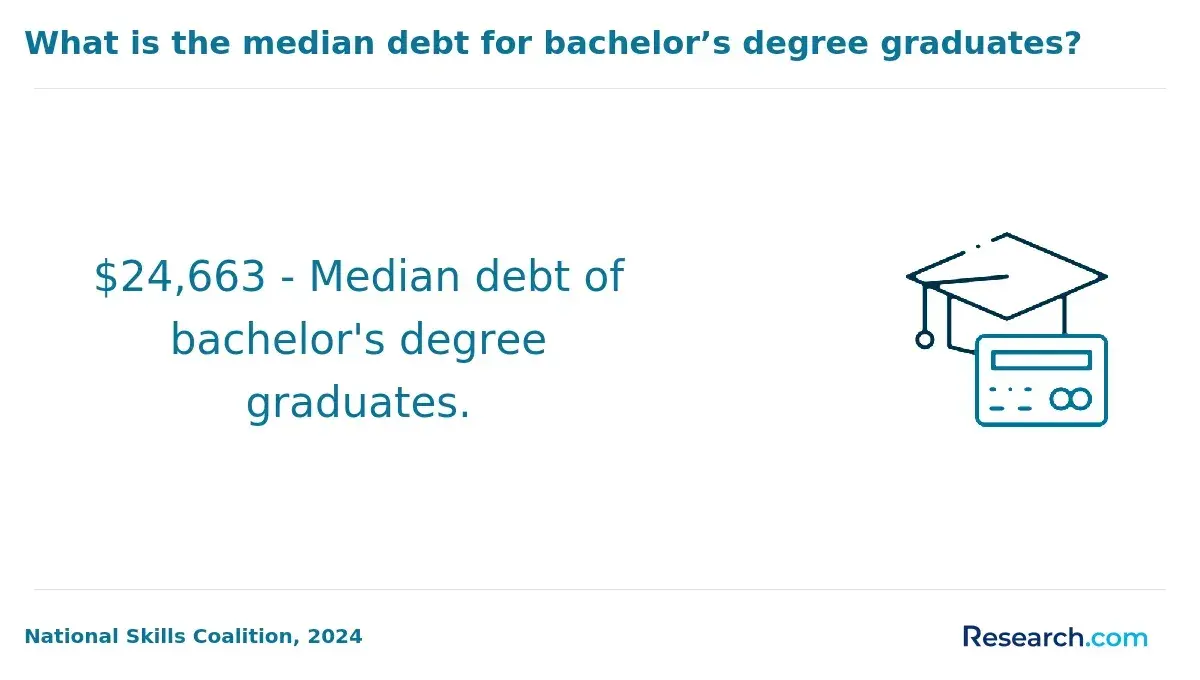
Online homeland security degree programs for adult learners present a clear tradeoff between flexibility and the depth of hands-on experience. While these programs accommodate working professionals balancing employment or family obligations, the limited in-person training requires proactive efforts to gain practical experience. For instance, students must pursue internships or local partnerships to meet employer expectations for operational readiness, particularly in federal emergency management or cybersecurity roles where familiarity with protocols is essential.
Campus courses prioritize immersive learning, offering access to simulation exercises, networking events, and mentorship that foster immediate job readiness. This advantage correlates with Columbia Southern University's research indicating that exposure to critical public safety functions heavily influences career decisions in this sector. Re-entry students comparing online and campus homeland security courses should weigh the immediate tactical preparedness of campus programs against the necessity for self-directed skill verification available to online learners.
Graduates of online programs often complement their degrees with certifications to bridge gaps in applied knowledge. Furthermore, cultivating professional networks and documenting concrete skills becomes pivotal for job placement, whereas campus-based students benefit from structured alumni and career services. These distinctions highlight strategic considerations beyond convenience, reflecting variations in employer preferences and the realities of homeland security work environments.
For those who are also evaluating different professional pathways, resources like the paralegal school rankings provide comparative insights into accelerated online education models.
What types of homeland security degrees can you earn online when re-entering college?
Selecting an online homeland security degree program for returning students requires balancing practical career outcomes against program structure and content. Associate degrees typically prepare students for entry-level roles supporting emergency management or law enforcement, emphasizing foundational skills but limiting longer-term mobility in federal agencies that demand a bachelor's or higher. Flexible homeland security bachelor degrees for adult learners often include specialized tracks such as cybersecurity or intelligence analysis, providing a necessary technical breadth sought after by employers but requiring significant time investment and alignment with job market demands.
For example, a professional transitioning from IT to homeland security cyber defense should seek programs with strong cyber components and employer-aligned curriculum. Meanwhile, roles focused on emergency response coordination demand degrees emphasizing crisis management and interagency cooperation, illustrating how specialization influences workforce integration and advancement.
Financially, Pennsylvania State University's flat-rate $21,682 master's tuition for both in- and out-of-state students offers predictable costs, but prospective students must weigh these against expected salary gains and industry requirements. Factors like transfer credit acceptance and asynchronous course availability also critically impact program completion timelines.
For those concerned about duration, understanding how long does it take to study architecture offers comparative insights on accelerated online degree pathways, aiding strategic planning. Ultimately, re-entry students should consider employer expectations-many federal roles require at least a bachelor's-and program flexibility to effectively navigate the intersection of educational investment and practical homeland security workforce demands.
What courses and specializations are typically included in online homeland security programs?
Students pursuing online homeland security programs face a critical crossroad when selecting specializations that align with distinct career paths and hiring expectations. Workforce demand significantly varies between roles such as intelligence analysis, which prioritizes analytical rigor and tech fluency, and public safety administration, where operational leadership and community engagement dominate. This mismatch often results in prolonged job searches or lateral moves if the academic focus poorly matches sector needs.
Typical programs span approximately 120 credit hours, combining theoretical frameworks with applied skills across emergency management, counterterrorism, cybersecurity, and interagency coordination. Cybersecurity tracks, for instance, equip learners to defend critical infrastructure against persistent cyber threats-a skill set highly coveted by federal agencies and defense contractors alike. Conversely, disaster response specializations concentrate on logistics and crisis communication essential for state and local emergency services.
Practical learning components, such as simulated emergency scenarios and case studies of actual terror events, serve to contextualize academic concepts. Employers increasingly seek proficiency in data analytics and geographic information systems (GIS) for predictive risk management. Flexible pacing and career-focused assignments address the friction many mid-career students face while transitioning into homeland security roles.
- Evaluation of program specialization must weigh immediate labor market needs and prospective growth in targeted sectors.
- Understanding sector-specific competencies prevents costly misalignment between education and employment.
What admission requirements do online homeland security programs have for returning students?
Returning students seeking online homeland security programs must navigate admission rules that reflect both academic readiness and workforce relevance. Programs typically require at least 24 transferable undergraduate credits with a minimum GPA around 2.5 to ensure foundational competence before specialized study. Veterans and professionals often leverage military training or prior work experience to shorten the path, offsetting redundant coursework and expediting credential attainment.
Applicants need to submit formal transcripts, complete detailed applications, and sometimes provide statements demonstrating alignment with homeland security roles. Some programs impose prerequisites like basic criminal justice, emergency management, or IT security knowledge to match occupational entry standards. For those with gaps in recent education or testing, bridge courses address essential skills to prevent delays in progression.
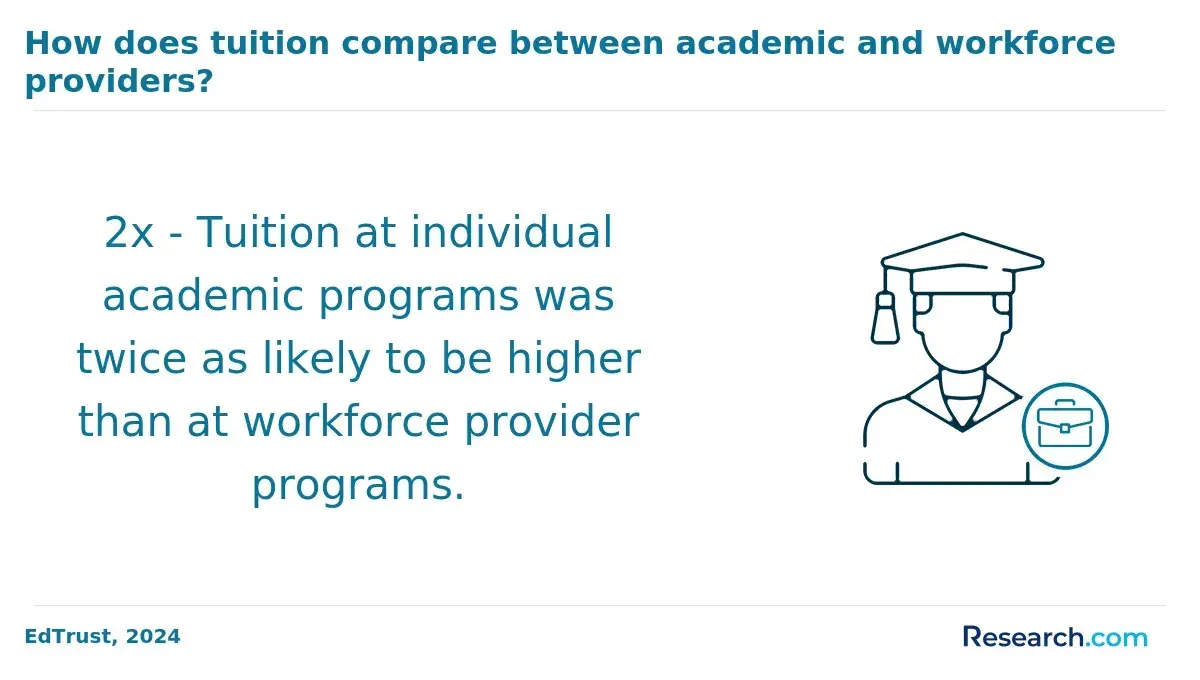
Financial considerations heavily influence decisions. Part-time students at institutions like AIU Online paid approximately $418 per credit hour, making the overall cost substantial for working adults without tuition assistance. Students must also evaluate logistics such as flexible scheduling and specialized advising designed for non-traditional learners to maintain steady degree completion.
Employers prioritize credentials from accredited programs with verified academic rigor and relevant experience. Underestimating the admissions and academic demands can extend degree timelines and increase costs, complicating career pivots. A careful review of entry criteria and realistic budgeting is essential for effective planning in homeland security education pathways.
How long do online homeland security degrees take, and what do they cost?
Choosing between an associate and bachelor's degree in homeland security involves balancing speed, depth, and career requirements. While associate programs typically complete in two years, allowing quicker workforce re-entry, bachelor's degrees usually extend to four years but offer a more comprehensive foundation in policy, law, and analytic skills valued in federal roles. Accelerated or part-time options add complexity, especially for working professionals managing competing time demands.
Cost differences reflect institutional type and credit requirements: public universities charge approximately $200 to $400 per credit hour for in-state students, resulting in $20,000 to $40,000 total for a bachelor's degree; private schools can push costs to $40,000-$100,000. Financial aid and employer tuition reimbursement offset expenses but vary widely.
Program formats emphasizing applied skills-such as cybersecurity, emergency management, and counterterrorism-often extend completion time through mandatory practicums or capstone projects. These elements appeal to employers requiring federal security clearances or specialized expertise but may delay entry.
For example, a former law enforcement officer targeting federal intelligence analysis may accept a longer bachelor's curriculum to meet employer expectations. Conversely, a municipal emergency management coordinator might opt for an associate degree to rapidly resume work. Optimal program choice hinges on realistic assessment of immediate job demands, long-term advancement goals, and documented workforce trends in Department of Homeland Security reports.
What homeland security careers can you pursue with an online degree?
A degree in homeland security online offers practical pathways but requires strategic navigation to translate academic knowledge into employable skills. Federal agencies and private firms prioritize candidates with proven experience in threat assessment and regulatory compliance alongside theoretical understanding. For instance, cybersecurity analyst roles demand both network defense skills and familiarity with national security policies, often developed through specialized coursework paired with internships or certifications.
Career roles vary significantly, from intelligence analysis-which requires synthesizing multi-source data within homeland security frameworks-to border security, focused on immigration law and enforcement logistics. Without operational experience, candidates, especially those applying for enforcement positions, often encounter barriers despite holding degrees.
DataUSA reports 129 institutions offering homeland security programs with 6,812 degrees awarded recently, indicating a competitive but narrow workforce entry point. Students should assess program content closely, matching curriculum with their targeted sector's technical versus policy orientation.
Working professionals benefit from programs accommodating ongoing upskilling, particularly as AI and evolving threat detection reshape the field. Balancing degree completion with practical exposure-such as agency internships or military experience-is essential to meet employer expectations and enhance job readiness.
What is the salary outlook and job demand in homeland security fields?
Projected 10% employment growth in homeland security roles through 2032 outpaces many sectors but masks key barriers, notably security clearance delays and experience requirements that often stall entry-level candidates. For example, a professional without prior clearance faces extended vetting timelines, reducing immediate hireability despite holding an advanced degree. Median salaries highlight divergent pathways: emergency management directors earn about $76,000 annually, whereas information security analysts specialized in cyber defense command well over $105,000, driven by the demand for deep technical expertise.
Demand concentrates primarily in cybersecurity and intelligence analysis, fields where programs offering applied skills in federal compliance, risk assessment, or cyber threat mitigation enhance employability. Yet, the value of a homeland security degree hinges on integrating certifications and internships that bridge theoretical knowledge with operational realities, especially within government or highly regulated private entities.
Program graduation volume also impacts employability dynamics. For instance, Arizona State University Online graduated 134 homeland security master's students recently, indicating rising credential availability that may intensify competition unless paired with robust networking and relevant clearances.
In practical terms, prospective students must weigh these factors:
- Clearance status critically alters hiring timelines and job types accessible.
- Specialized cyber roles reward advanced technical training more than generalist credentials.
- Hands-on experience through internships often differentiates candidates in a saturated degree market.
How can you choose a reputable, high-quality online homeland security program?
Selecting an online homeland security program demands scrutiny beyond marketing claims, focusing on accreditation by bodies such as the Council for Higher Education Accreditation (CHEA) and alignment with Department of Homeland Security standards. These credentials ensure curricula are relevant and transferable, particularly important for professionals seeking federal, state, or local agency careers.
Employment data provide concrete value indicators. For instance, Bellevue University alumni report a median salary near $74,000, a figure verified by third-party sources like OnlineU, demonstrating employer recognition in fields such as emergency management and cybersecurity. Prospective students should rely on such verified outcomes instead of promotional materials.
Curriculum content and delivery have significant operational implications:
- Programs incorporating situational exercises tied to real emergencies or intelligence operations better prepare graduates for security-cleared roles.
- Internships and agency partnerships enhance workforce readiness and professional networking.
- Flexibility varies, with some advanced degrees requiring residencies or security clearances, limiting accessibility for working adults.
Career alignment demands targeted course selection-law enforcement personnel should seek counterterrorism emphasis, whereas cyber analysts require thorough cyber threat modules. Evaluating faculty expertise and industry connections is essential to ensure instruction stays current with evolving threats.
Prioritizing these factors reduces the risk of investing time and resources in programs that lack measurable impact on employability in a competitive homeland security labor market.
Other Things You Should Know About Homeland Security
Holding an online homeland security degree alone does not guarantee eligibility for positions that require security clearances. Clearance decisions are based primarily on background investigations, not educational format. However, employers with clearance requirements may prefer candidates whose programs included practical, government-aligned coursework or partnerships that reflect an understanding of clearance protocols. Students should prioritize programs with strong applied components and connections to federal or state agencies to improve their practical readiness for clearance-dependent roles.
Most online homeland security programs offer asynchronous coursework to support students managing work and family obligations, but the workload can still be demanding. Intensive research projects, case studies, and time-sensitive simulations require disciplined time management. Prospective students must evaluate program pacing and flexibility carefully, prioritizing programs that allow extended deadlines, part-time enrollment, or modular course designs to align with their external responsibilities effectively.
Specialized homeland security degrees focus on topics like counterterrorism, emergency management, and cybersecurity specific to national security, which aligns more directly with federal agency roles. Broader criminal justice degrees provide foundational law enforcement knowledge but may lack depth in policy or intelligence analysis. For students targeting careers in federal or state homeland security agencies, specialized degrees offer clearer pathways and better-targeted skills, while criminal justice may appeal to those pursuing local law enforcement or adjunct security roles. Prioritizing specialized programs is advisable for alignment with homeland security employer expectations.
Online homeland security degrees emphasize simulations and virtual labs for practical skills. These digital experiences offer flexibility and align with advancing technologies but might lack the direct field exposure seen in on-campus programs where in-person internships are more common.
References
- 2025 Most Affordable Homeland Security Degrees Online https://www.onlineu.com/most-affordable-colleges/homeland-security-degrees
- Online MPA Programs with a Specialization in Homeland Security https://www.onlinempaprograms.com/specializations/homeland-security
- Search icon https://waldorf.edu/degree-programs/bachelors/ba-homeland-security/
- Homeland Security Degree Programs https://www.criminaljusticedegreeschools.com/degrees/homeland-security-degree/
- What Can You Do With a Homeland Security Studies Degree? https://sopa.tulane.edu/blog/what-can-you-do-homeland-security-studies-degree
- Online Homeland Security Degrees: Explore Top Programs https://www.degreesforgood.org/online-degrees/homeland-security-programs/
- Bachelor of Science in Homeland Security https://www.trident.edu/bachelors-online/homeland-security-degree/
- Types of Homeland Security Degrees | Compare Schools https://www.criminaljusticeprograms.com/specialty/homeland-security-degrees/
- Differences Between a Criminal Justice and Homeland Security Degree https://www.nec.edu/news/criminal-justice-vs-homeland-security-degree
- Online Degree Programs from GMC Online https://online.gmc.edu/programs/bachelor-of-applied-science-in-homeland-security-emergency-management/