2027 What Can You Do With a Homeland Security Degree in 2026?

Co-Founder and Chief Data Scientist
Faced with an increasingly complex threat environment, homeland security professionals must rapidly adapt to shifting priorities and technologies while navigating a workforce experiencing chronic skill shortages. The Department of Homeland Security reports that over 30% of current security roles are projected to require advanced degrees by 2028, underscoring intense competition and the need for specialized credentials. Meanwhile, rapid growth in flexible, competency-based online programs-expanding enrollment options for working adults-reshapes when and how students can pursue qualifications without sacrificing employment or family commitments. This article examines actionable uses of a homeland security degree, balancing education delivery modes and career outcomes to guide strategic decisions for meaningful workforce entry or advancement.
Key Things You Should Know
- Federal data from 2024 show a 12% unemployment rate crossover among homeland security graduates due to oversupply in entry-level roles, signaling significant wage compression risks for early career pivoters.
- Employers prioritize advanced technical certifications and interagency experience over broad homeland security degrees, reducing baseline degree value but increasing demand for specialized postdegree credentials.
- Median tuition for homeland security programs rose 15% from 2021 to 2024, intensifying cost-access barriers for working adults; accelerated programs yield faster ROI but often limit network and field practicum opportunities.
What can you do with a homeland security degree?
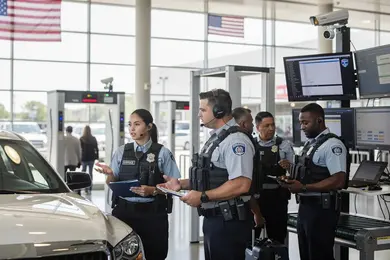
Choosing a homeland security degree should be weighed against its blend of interdisciplinary knowledge and practical limitations unique to the field. The broad skill set encompasses risk assessment, crisis management, cybersecurity, and regulatory compliance-essential for responding to evolving threats in sectors like infrastructure protection and counterterrorism. For example, a security analyst at a transportation hub integrates threat modeling with federal aviation standards and operates real-time surveillance, demonstrating the role's technical and procedural duality.
Career paths with a homeland security degree in the United States often demand government security clearances, which can delay hiring and restrict opportunities for some candidates. Many roles, including those of intelligence officers and federal agents, require navigating complex federal protocols (e.g., FEMA, DHS), alongside certifications and ongoing technical training. Emergency management professionals must also handle federal grant applications and interagency coordination, highlighting the necessity for multifaceted competence beyond academic credentials.
The field is projected to grow 8.0% from 2016 to 2026, but prospective students should consider their readiness to meet clearance criteria and maintain specialized skills long-term. Some of the top jobs in homeland security and emergency management involve constant adaptation to technological tools and federal regulations, making a static skillset insufficient.
Those interested can learn more about specialized roles, such as becoming an FBI profiler, where law enforcement knowledge merges with analytical rigor to address national threats.
Which jobs hire homeland security graduates?
Graduates with a homeland security degree in the United States face a landscape where government hiring dominates, particularly within agencies like the Department of Homeland Security and FEMA. However, these roles-often involving terrorism prevention, risk assessment, and emergency management-are highly competitive at the entry level, pressing candidates to complement academic credentials with internships, security clearances, or certifications such as FEMA's ICS. Corporate employers, especially cybersecurity firms and critical infrastructure providers, increasingly seek these graduates to protect both physical and digital assets, expanding career opportunities for homeland security graduates beyond traditional public-sector boundaries.
Typical jobs emphasize operational and analytical expertise and include:
- Emergency management director overseeing disaster response planning at local or regional levels
- Intelligence analyst responsible for interpreting threat information within agency or private-sector contexts
- Security specialist managing physical and cyber security systems for utilities or critical infrastructure
- Border security officer directing immigration enforcement and port inspections
- Disaster recovery specialist coordinating post-incident infrastructure restoration
Success in these roles often depends on practical data analysis skills, interagency coordination, and compliance with regulatory frameworks. Employers expect familiarity with standards such as NIST guidelines and hands-on experience with crisis simulations or joint task forces. Students considering the pathway should evaluate how well a program prepares them for multidisciplinary environments where strategic planning and communication with diverse stakeholders are routine challenges.
Those interested in expanding technical cybersecurity knowledge beneficial to homeland security roles may explore online cybersecurity degrees for veterans, which offer targeted options aligning with the operational demands of the field.
What salary can homeland security majors expect?
Median salaries for homeland security degree salary ranges in the United States highlight a clear divide between federal and non-federal roles, with federal employment averaging around $76,290 annually. This figure masks significant variation based on function and geography: intelligence and cybersecurity analysts command higher pay due to specialized skills, while entry-level emergency management roles often fall below this threshold.
Federal positions, particularly within agencies like the Department of Homeland Security or the FBI, follow the General Schedule (GS) pay scale. Entry-level hires typically start between GS-5 and GS-7, offering salaries from roughly $40,000 to $60,000, with growth tied to experience and security clearance levels. Mid-career specialists in critical areas frequently escalate to GS-12 through GS-14, exceeding $100,000, a reflection of sustained technical expertise and trusted clearance status.
State and local earnings generally lag federal pay but may balance the equation with locality-based bonuses or other benefits. Gaining the relevant certifications and clearances remains a practical requisite, especially for those aiming to close income gaps visible across various average earnings for homeland security majors by state. Career shifts or upskilling in cyber or intelligence domains yield the most substantial returns.
Strategic relocation is another tradeoff; professionals often face higher living costs in major urban and federal hubs compensated by higher salaries. For comprehensive insight on career trajectories spanning public safety and investigative fields, consider exploring what can I do with a masters in forensic psychology as a parallel or complementary academic pathway.
Is a homeland security degree worth it?
A homeland security degree holds value chiefly when paired with a clear strategy targeting roles such as emergency management directors, infrastructure protection specialists, or cybersecurity analysts within federal and state agencies. The median salary for emergency management directors currently stands at $84,280, with steady 3% job growth projected through 2032; this signals consistent but modest demand rather than rapid expansion, a key consideration for those evaluating homeland security degree career opportunities in the United States.
Employers rarely consider the degree alone sufficient. Practical steps such as acquiring internships, obtaining federal or state security clearances, and earning certifications are often prerequisites for entry-level positions. Public sector jobs typically require deep familiarity with government regulations, crisis communications, and interagency coordination, while private sector roles increasingly demand data analytics and cybersecurity defense skills. Candidates who do not develop such targeted competencies may find their Homeland Security credential signals general interest without competitive edge.
- Experience and certifications frequently carry equal or greater weight than the degree itself.
- Specialized minors or certificates in cybersecurity and supply chain security can improve employability.
- Without intentional domain expertise, career pivots within critical infrastructure or counterterrorism sectors may be limited.
- Timing of internships and early pursuit of security clearances can significantly affect job prospects.
For those balancing cost and effort, the practical value of this degree maximizes when integrated with tactical career moves. Professionals who combine homeland security studies with STEM skills or relevant minors often achieve better positioning. Those considering federal and state jobs should factor in these realities to avoid the degree becoming a broad credential rather than a specialized qualification. Additionally, exploring related fields such as architecture can offer complementary pathways; for example, one can investigate an architecture degree online to diversify skill sets and security-related infrastructure expertise.
What classes are in a homeland security degree?
Homeland security degree programs demand a synthesis of policy analysis, operational tactics, and technical expertise tailored to real-world public safety challenges. Graduates must navigate the tension between civil liberties and enforcement authority, mastering legal frameworks that shape agency jurisdiction. Core coursework often includes counterterrorism strategies essential for federal and local threat mitigation, alongside cybersecurity defenses critical as digital attacks on infrastructure escalate.
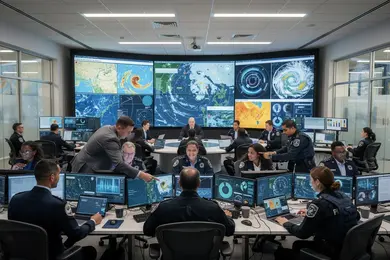
Risk assessment training targets vulnerabilities in transportation or supply chains, directly relevant to private sector roles, while emergency management classes prepare students for logistics and interagency coordination, as seen in pandemic response scenarios or FEMA deployments. Intelligence analysis sharpens the capacity to interpret diverse data streams, underpinning national security decision-making.
Employers prioritize candidates who can apply interdisciplinary knowledge under pressure, emphasizing communication, leadership, and strategic resource allocation. The tradeoff for students lies in balancing technical competence with policy insight-courses in organizational behavior and crisis command are pivotal for advancing to managerial ranks where median salaries approach $115,590.
- Counterterrorism and cybersecurity courses target operational threats and infrastructure resilience
- Legal and risk assessment study balances enforcement power and civil rights
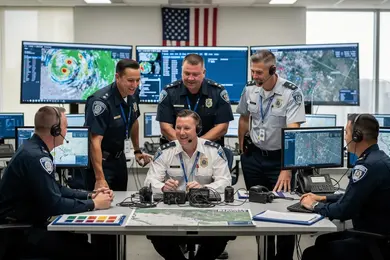
- Emergency management includes practical crisis scenarios demanding real-time coordination
- Leadership development facilitates transition into strategic planning roles
How long does a homeland security degree take?
The timeframe for completing a homeland security degree directly influences both immediate job eligibility and long-term career trajectory, especially in roles requiring security clearances or law enforcement promotions. An associate degree, taking about two years full-time, suits entry-level positions like security analyst or emergency management technician but limits advancement potential beyond lateral moves.
A bachelor's degree, typically four years, remains the baseline for supervisory or specialized posts such as police or detective supervisor roles, with median earnings around $93,100 according to College Factual (2024). Professionals targeting leadership or strategic positions often pursue a master's degree, adding one to two years and expanding operational expertise.
Study format significantly alters the practical timeline:
- Part-time or online enrollment can extend completion to six years or more, delaying certification eligibility and promotional opportunities.
- Accelerated or intensive programs may condense these timelines but require substantial time management and resilience.
Employers for mid-level and above typically require a completed bachelor's degree due to the complexity of decision-making and supervisory responsibilities. Those with only associate degrees often face a ceiling unless supplemented by certifications or experience. Prospective students must weigh how program length, flexibility, and credential level align with their career stage, financial capacity, and urgency for entering or advancing within the homeland security workforce.
What are the admission requirements for homeland security programs?
Admission to homeland security programs in 2026 depends heavily on aligning academic credentials with sector-specific experience, reflecting real-world hiring preferences rather than mere credential accumulation. Bachelor's level candidates usually must present a high school diploma or GED alongside a GPA threshold around 2.5 to 3.0, while graduate applicants require an accredited undergraduate degree-often in criminal justice or public administration-and a minimum 3.0 GPA. This differentiation signals the growing importance of foundational knowledge married to relevant practical skills.
For those aiming at federal homeland security roles, programs closely mirroring Department of Homeland Security (DHS) priorities increase the likelihood of transitioning directly into government positions. For instance, an applicant with 3 to 5 years of law enforcement or emergency management experience combined with a bachelor's degree in homeland security faces significantly stronger competition in hiring pools accessed via USAJOBS.
Program prerequisites can include standardized tests such as the GRE or SAT, plus recommendation letters that emphasize analytical aptitude and sector familiarity. Practical challenges arise in balancing work obligations and coursework, with many programs offering evening, online, or hybrid formats to accommodate employed professionals. Importantly, verifying credit for prior experience can prevent redundant study and shorten time to credential.
Security clearances, typically post-admission requirements for some sectors, add an additional employment consideration, especially for intelligence or federal contracting roles. Ultimately, prospective students must weigh these operational realities against program offerings to make efficient, strategic educational investments aligned with DHS workforce entry data.
Are online homeland security degrees respected?
Online homeland security degrees can provide valuable credentials when sourced from regionally accredited institutions with rigorous, relevant curricula. However, the degree's market value depends heavily on practical application and employer demands. Federal agencies often prefer candidates with operational experience or hybrid programs offering supervised labs and fieldwork. For example, a graduate with an online degree but no clearance-relevant experience may struggle to secure federal employment without internships or certifications.
Cost presents a significant consideration: public institutions average about $11,000 annually, while private universities approach $25,000. Yet, paying more does not guarantee stronger employer recognition. Prospective students must assess accreditation status, faculty expertise, and evidence of graduate employment success rather than tuition alone.
Key factors influencing the respect and utility of an online homeland security degree include:
- Clear institutional accreditation recognized by federal security sectors
- Curriculum oriented toward contemporary threats, cybersecurity, and emergency management
- Access to practical training through virtual simulations or partnered field experiences
- Graduates' clearance acquisition rates and employment outcomes
- Tuition costs balanced against return on investment and program quality
Working professionals should anticipate that online degrees require disciplined schedules and intentional networking to offset limited physical engagement. Agencies like DHS prioritize candidates with verifiable skills and work experience, so integrating online credentials with certifications or real-world experience significantly improves workforce prospects.
How do you choose an accredited homeland security school?
Accreditation is a critical filter for homeland security programs, directly influencing eligibility for federal funding and employment in agencies like customs and border protection or TSA, which often restrict hiring to graduates from recognized institutions. Nonaccredited degrees typically close doors to these government positions, limiting career mobility in a field where agency-specific credentials matter.
Aligning coursework with real agency demands can make or break job readiness. Programs offering training in federal regulations, emergency management, and security protocols-especially those partnered with DHS or FEMA-tend to provide better pathways to internships and hands-on experience. This practical alignment is essential for transitioning to roles that require applied knowledge of evolving security threats and policies.
Delivery format is another decisive factor. Evening, online, or hybrid options maintain accessibility for working professionals balancing employment with education, unlike rigid on-campus-only programs that may delay career pivots. Prospective students should verify faculty expertise that keeps curricula relevant amid shifting federal priorities and threat landscapes.
Graduates also face bureaucratic hurdles like security clearances and federal hiring processes. Programs with active career services and alumni networks can ease these obstacles, making institutional support beyond graduation a valuable asset.
- Accreditation status impacts federal employment eligibility and funding access.
- Practical curriculum aligned to agency requirements improves job placement chances.
- Flexible program formats accommodate working professionals' schedules.
- Faculty engagement with current homeland security issues ensures updated content.
- Post-graduate support facilitates navigation of clearance and hiring complexities.
What certifications help homeland security graduates?
Certifications aligned with homeland security graduate skills often determine employability more precisely than academic credentials alone. For instance, the Certified Protection Professional (CPP) credential certifies proficiency in security management and emergency preparedness, directly matching Department of Homeland Security (DHS) requirements for roles demanding applied expertise. In contrast, candidates targeting disaster response benefit from the Certified Emergency Manager (CEM), which emphasizes operational leadership needed in field-level recovery efforts.
Cybersecurity intersections within homeland security make the Certified Information Systems Security Professional (CISSP) particularly relevant, addressing the growing integration between physical security and cyber defense that DHS prioritizes. Meanwhile, the Physical Security Professional (PSP) focuses on practical threat assessments that recruiters consistently demand but are rarely covered by academic curricula.
Employers actively prefer these certifications because they translate knowledge into verifiable competency, often serving as a hiring gatekeeper. A federal emergency response unit, for example, may limit advancement or even entry without credentials like CPP or CEM, reinforcing the value of strategic certification choices against experience and cost.
When evaluating certification paths, consider:
- CPP requires substantial experience and a rigorous exam, limiting swift entry but yielding long-term credentials.
- CEM offers faster completion with fewer prerequisites, suitable for faster operational deployment.
- Tradeoffs between upfront investment and job market positioning reflect specific agency demands and career goals.
Other Things You Should Know About Homeland Security
In 2027, a homeland security degree can lead to careers in emergency management, cybersecurity, intelligence analysis, and border protection. Graduates may also work with federal agencies like FEMA or the TSA, focusing on safeguarding national interests. ---
Homeland security degrees vary widely, with some focusing on cybersecurity, counterterrorism, emergency management, or intelligence analysis. This inconsistency means candidates must carefully evaluate whether a program's specialization aligns with the sector they aim to enter. Employers seek deep expertise in specific domains, so choosing a program without clear alignment to targeted job roles can hinder hiring prospects and career progression in specialized fields.
For most candidates, gaining practical experience before enrolling in a homeland security degree enhances comprehension and career outcomes. Field experience contextualizes academic concepts, making advanced studies more relevant and targeted. Employers often prefer candidates who combine education with real-world exposure; starting a program too early might result in theoretical knowledge that lacks applicability or fails to impress during hiring.
Homeland security programs frequently demand significant research, policy analysis, and scenario planning alongside technical training, resulting in a heavy coursework load. Students must assess whether part-time or accelerated options fit their work-life balance, especially if they are working professionals. Overloading can impede mastery and retention, so prioritizing programs with balanced curricula and clear support structures improves long-term competency and reduces burnout risks.
References
- What Can You Do with a Homeland Security Master's Degree? | Tiffin University https://go.tiffin.edu/blog/what-can-you-do-with-a-homeland-security-degree/
- Search icon https://waldorf.edu/degree-programs/bachelors/ba-homeland-security/
- 10 Exciting Homeland Security Jobs | Jobs for Veterans | G.I. Jobs https://www.gijobs.com/military-to-civilian-transition/10-exciting-homeland-security-jobs/
- Choosing a bachelor's in homeland security | edX https://www.edx.org/resources/how-to-choose-a-bachelors-in-homeland-security
- Homeland Security Degree Online | Find Top Programs & Information https://www.firescience.org/homeland-security-degree-programs-online/
- Seven Jobs You Can Do with a Degree in Emergency Management and Homeland Security https://www.albany.edu/graduate/news/2025-seven-jobs-you-can-do-degree-emergency-management-and-homeland-security
- Online Bachelor's Degree: Homeland Security https://www.umgc.edu/online-degrees/bachelors/homeland-security
- Homeland Security Career And Salary Information https://www.criminaljusticedegreeschools.com/careers/homeland-security/
- Graduate Certificate Homeland Security Management https://europe.umgc.edu/online-degrees/graduate-certificates/homeland-security-management
- Homeland Security Requirements (Degrees, Jobs & Salary) https://www.allcriminaljusticeschools.com/federal-law-enforcement/homeland-security/