2027 Screenwriting Job Market Report: Open Roles, Salary Bands, and Hiring Momentum

Co-Founder and Chief Data Scientist
The screenwriting labor market undergoes complex shifts, moving beyond simple supply and demand. Employer priorities are reshaped due to the evolving nature of storytelling platforms, such as streaming services and interactive media, favoring hybrid skills that blend traditional narrative craft with digital literacy. Salary bands and open roles underscore these changes, signaling how investment cycles and organizational realignments influence talent needs.
Recent data from the U.S. Bureau of Labor Statistics highlights a nuanced wage pattern, where growth aligns less with the volume of hires and more with specialized expertise in emerging formats. Age distribution trends among screenwriting program enrollees suggest an infusion of mid-career entrants adapting to industry transformation.
Key Things to Know About Screenwriting Job Market
- Open roles in screenwriting remain niche and highly competitive; this scarcity means students should weigh specialized training against broader writing skills to maximize job market adaptability.
- Recent 2024 data show hiring momentum is clustered around production hubs, highlighting a geographic tradeoff where relocation significantly impacts entry opportunities and network access.
- Salary growth in screenwriting correlates strongly with portfolio and credited work rather than degree alone, underscoring the time and cost investment risk for students without clear path to professional credits.
- Key Things to Know About Screenwriting Job Market Key Things to Know About Screenwriting Job Market
- How Strong Is Demand for Screenwriting Graduates in Today's Job Market? Demand for Graduates
- Which Screenwriting Careers Have the Most Open Job Opportunities? In-Demand Careers
- What Salary Bands Are Employers Offering Across Screenwriting Careers? Offered Salary Bands
- Which Industries Are Hiring the Most Screenwriting Graduates? Top-Hiring Industries
- How Does Hiring Demand Vary by State, Region, and City? Hiring Demand by Location
- What Skills Are Employers Prioritizing in Screenwriting Job Postings? In-Demand Skills
- Which Certifications Increase Employability and Salary Potential? High-Value Certifications
- How Do Remote and Hybrid Opportunities Affect the Screenwriting Job Market? How Do Remote and Hybrid Opportunities Affect the Screenwriting Job Market?
- Which Screenwriting Careers Show the Strongest Long-Term Hiring Momentum? Strongest Careers
- How Can Students Use Job Market Data to Make Better Career Decisions? How Can Students Use Job Market Data to Make Better Career Decisions?
How Strong Is Demand for Screenwriting Graduates in Today's Job Market?
Recent labor market data from the U.S. Bureau of Labor Statistics and LinkedIn Workforce Reports indicate that demand for screenwriting graduates remains moderate, with growth projections for writers and authors around 2-3% through the next decade. This modest expansion coexists with a saturated candidate pool, creating a competitive environment particularly evident in major production hubs such as Los Angeles and New York.
Employers show a preference for applicants who not only possess strong storytelling and script development abilities but also bring direct industry experience, often through internships or produced work. For those analyzing the screenwriting graduate job market outlook United States-wide, securing entry-level roles frequently means navigating freelance or contract-based positions, leading to challenges in job stability and consistent earnings.
Demand drivers in screenwriting are increasingly influenced by technological shifts and evolving content formats. The entertainment landscape now values candidates adept at multimedia storytelling and cross-platform content creation, reflecting broader hiring trends for screenwriting professionals focused on digital streaming and interactive media.
Traditional scriptwriting skills alone may limit opportunities as industry needs shift toward data-driven narratives and transmedia approaches.
Regional economic factors also impact salary and availability, with higher pay often offset by increased competition and living costs in key urban centers. Prospective students should weigh these factors carefully, considering how diversified skill sets align with market realities rather than relying solely on conventional screenwriting curricula, which may not reflect current employer expectations in 2024 and beyond.
Given these complexities, those pursuing screenwriting degrees must critically assess how emerging industry roles and freelance dynamics affect long-term career viability. Expanding capabilities beyond classical scriptwriting enhances prospects, but students should also understand the precarious nature of many entry-level jobs.
Evaluating options such as 2-year accelerated bachelor degrees that integrate multidisciplinary skills could offer a more pragmatic path forward. Ultimately, interpreting demand signals within the context of broader hiring momentum and economic shifts is essential for making informed educational and career decisions in screenwriting today.
Which Screenwriting Careers Have the Most Open Job Opportunities?
Open job opportunities within screenwriting careers reflect a complex interplay of industry growth patterns, evolving content distribution models, and shifting employer expectations. Rather than static job listings, the current landscape is shaped by a robust surge in episodic and digital media, alongside strategic investments in script development processes.
This dynamic environment fuels demand for specific roles that align tightly with production timelines, platform diversification, and narrative innovation. Those seeking to navigate this labor market will benefit from understanding which career paths experience the highest vacancy rates and why these roles are pivotal to contemporary content ecosystems.
Screenwriting job openings by demand and location further underscore that regional production hubs and the rise of streaming giants intensify competition for skilled writers in certain specialties, impacting availability and job security. Key roles also demand adaptable storytelling capabilities matched with collaborative efficiency to meet the accelerated pace of content creation in television and digital formats.
- Television Staff Writers: Television production's accelerated cycles drive steady demand for staff writers who can consistently deliver quality scripts under tight deadlines. Networks and streaming services fueling the episodic content boom particularly prize writers adept at serial storytelling and fast iteration, as evidenced by a 12% hiring increase reported by the Writers Guild of America Employment Survey 2024.
- Digital Media Content Writers: The expansion of digital-first platforms shapes high vacancy rates for writers skilled in short-form and branded content scripting. Employers prioritize creative versatility and quick turnaround abilities to serve a proliferation of web series and online narratives, paralleling a 15% growth in job postings noted by LinkedIn Talent Insights.
- Script Consultants and Development Executives: Studios increasingly invest in pre-production refinement to optimize scripts before filming begins, raising the need for experts with strong analytical and editorial skills. These roles demand proficiency in narrative structure assessment and collaboration with creative teams to balance commercial viability with artistic integrity.
- Assistant Writers and Entry-Level Staff: The continuous onboarding of emerging talent reflects the volume demands of diverse writers' rooms, where entry-level roles serve as vital pipelines for production workflows. Employers look for candidates who can demonstrate foundational storytelling talent combined with adaptability to fast-paced writers' room environments.
- Game Narrative Designers: Growth in interactive and gaming media opens niche but expanding opportunities. The sector's unique challenges require writers capable of integrating narrative with gameplay mechanics, as highlighted by a near 10% annual increase in openings referenced by the Entertainment Software Association.
For those weighing educational and career paths, it is worth noting that cross-sector competency-such as mastering both traditional screenwriting techniques and digital content strategies-enhances employability. This reality is particularly relevant amid ongoing shifts in demand across entertainment platforms, where job availability often aligns with cutting-edge content formats and emerging storytelling tools.
To deepen skill sets efficiently, prospective professionals can explore resources like the online cybersecurity degree programs for a model of how continuous learning pathways can align with evolving workforce requirements in adjacent creative and technical fields.
What Salary Bands Are Employers Offering Across Screenwriting Careers?
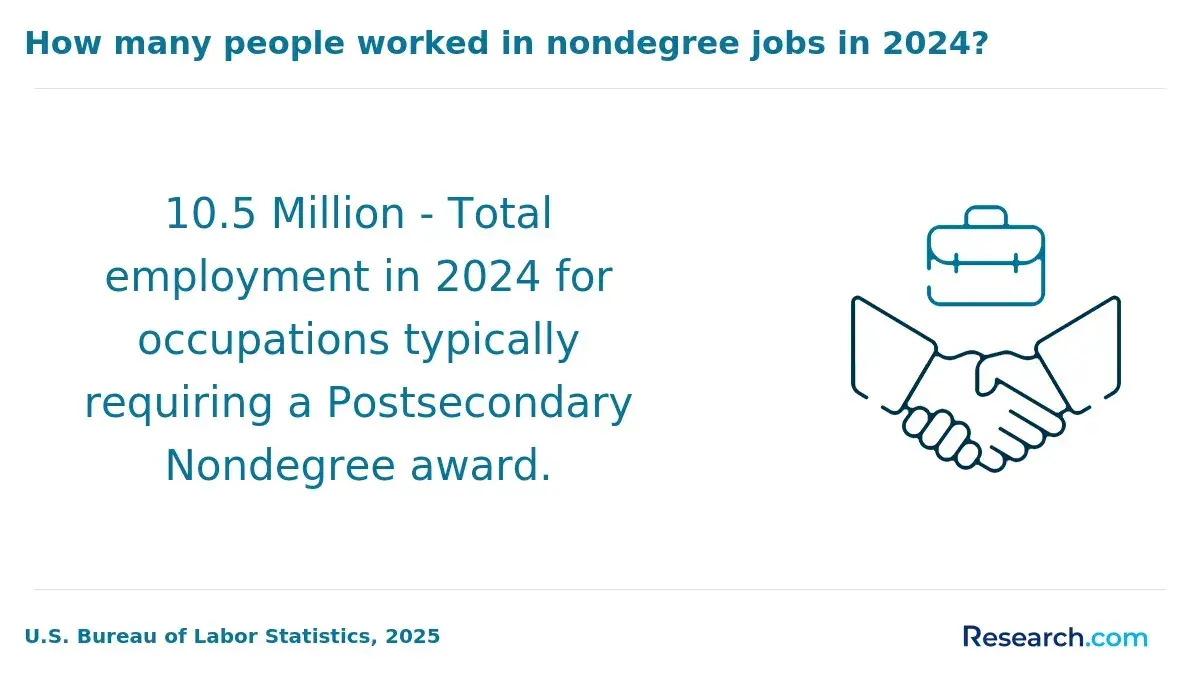
Salary bands within screenwriting careers in 2024 show clear stratification by experience, reflecting both market demand and skill accumulation. Entry-level screenwriters generally earn between $45,000 and $65,000 annually, a range consistent with roles such as junior staff writers or assistants, where portfolios are still developing and competition remains intense.
Those with moderate experience and credits see their earnings rise to roughly $70,000-$120,000, typically encompassing steady freelance projects or staff positions on established series. At the senior level, including lead writers and showrunners, compensation ranges widely from $130,000 to over $250,000, influenced heavily by prior successes, involvement in major productions, and often augmented by royalties or profit-sharing, which contribute to income variability beyond fixed salaries.
Several factors drive these discrepancies beyond mere experience. Geographic location and industry segment markedly affect pay, with metropolitan hubs and major studios offering premium salaries compared to smaller markets or indie projects.
Specialization and skill scarcity also elevate wages; writers adept at high-demand genres or those with a track record of commercial viability command better offers.
Company size and project scale influence contractual terms, where larger entities may provide more stable pay but tighter deadlines, whereas freelance work can be less predictable financially. Thus, the observed salary bands mirror a complex interplay of labor market dynamics, balancing talent availability, project risk, and the evolving nature of content production.
One screenwriting graduate recalled navigating the unpredictable admissions timeline while preparing for early career steps. Despite submitting applications promptly, waiting periods stretched longer than expected, causing uncertainty about their official program start date. This delay intersected with active job searches and portfolio work, forcing strategic decisions about whether to accept freelance opportunities without formal academic assurances.
Their experience highlighted the critical importance of timing and flexibility in both educational entry points and early career income stability within screenwriting's competitive landscape.
Which Industries Are Hiring the Most Screenwriting Graduates?
Demand for screenwriting graduates is concentrated in industries undergoing substantial digital shifts, workforce growth, or facing specific skill shortages. These sectors reflect broader structural changes such as content globalization, interactive media expansion, and shifting advertising paradigms rather than isolated recruitment spikes. Understanding these drivers clarifies why certain employers prioritize narrative expertise coupled with adaptability to diverse formats and platforms.
- Film and Television Production Studios: The expanding volume of original content driven by streaming platforms fuels steady hiring of screenwriting talent. Studios seek writers who can deliver fresh, marketable scripts that resonate with fragmented, global audiences. Emphasis is placed on versatility-crafting stories that align with both traditional scripts and new-generation streaming formats.
- Streaming Service Content Departments: Streaming giants are aggressively scaling creative teams to sustain continuous content pipelines. This demand is shaped by international expansion and the need for diverse, culturally relevant storytelling. Employers prioritize screenwriters skilled in episodic pacing, multi-episode arc development, and cross-genre storytelling to meet subscriber retention goals.
- Video Game Companies Focusing on Narrative Development: Growth in interactive entertainment necessitates screenwriters capable of integrating narrative design with player agency. Studios increasingly recruit graduates who can construct immersive stories, dialogue trees, and character development that adapt dynamically to gameplay. Narrative complexity and understanding of game mechanics are critical competencies here.
- Advertising and Marketing Firms Crafting Video Content: The rise of branded storytelling places screenwriters at the center of campaign creation, requiring them to merge persuasive messaging with compelling narrative structures. These firms seek creative writers who grasp audience targeting and multimedia delivery, balancing brevity with emotional impact for social media, online ads, and video commercials.
- Educational Media and E-Learning Companies Producing Scripted Materials: As e-learning grows, demand arises for writers who can develop engaging, clear narratives that facilitate knowledge retention. Screenwriting graduates in this space must tailor content for diverse educational audiences, applying scripting techniques that enhance instructional design and learner engagement.
According to the 2024 Creative Workforce Report, roughly 40% of recent screenwriting graduates find employment within streaming and traditional media outlets, while about 25% enter video game development roles. This distribution illustrates not only the diversification of screenwriting applications but also the necessity for graduates to adapt skill sets to technologically evolving storytelling environments.
How Does Hiring Demand Vary by State, Region, and City?
Hiring demand for screenwriting graduates shows marked variation across states and broader regions, shaped by the concentration of entertainment industries and economic ecosystems. California, New York, and Georgia stand out as dominant markets due to their dense production activities and well-established media infrastructure, according to labor market data from the U.S. Bureau of Labor Statistics and regional workforce reports for 2024.
These states offer robust openings driven by major studios, streaming platforms, and production companies, though higher salaries often correspond with elevated living costs. In contrast, regional markets-including the Southeast-exhibit growing opportunities partly fueled by tax incentives and expanding infrastructure, but typically feature lower pay scales and fewer roles, influencing workforce mobility.
Understanding these geographic differences in screenwriting job openings by state and region helps early-career professionals assess the interplay between job quantity, compensation, and relocation tradeoffs within diverse economic landscapes.
At the city level, hiring patterns for screenwriting graduates further reflect complex local industry dynamics and talent ecosystems. Major metros like Los Angeles and New York maintain intense employer competition and higher salary potential, supported by deep pipelines of production talent and specialized infrastructure.
Secondary cities such as Austin and Portland provide unique creative niches oriented toward independent film, though with less volume and often lower wages.
Additionally, urban centers benefiting from tech integration and content streaming platforms increasingly value candidates blending screenwriting expertise with digital media skills, shaping employer expectations. Cost of living differences also materially affect salary offerings and job viability in regional cities, so candidates must weigh location-specific labor market realities carefully.
For those exploring relevant educational pathways, aligning curriculum choices with such nuanced demand insights-potentially through options like business administration courses online-can enhance practical readiness and career adaptability in this evolving field.
What Skills Are Employers Prioritizing in Screenwriting Job Postings?
Employer demand in screenwriting is increasingly shaped by rapid technological changes, the rise of digital platforms, and the industry's growing emphasis on cross-disciplinary skills. Job postings reflect an evolution from purely creative expectations toward a more integrated skill set that combines narrative expertise with practical technical and collaborative capabilities.
These shifting priorities underscore how screenwriters must navigate evolving workflows and diverse content ecosystems to remain competitive.
- Advanced Narrative Structuring: Over 70% of screenwriting roles underscore the need for strong command of storytelling frameworks that meet industry conventions. Beyond originality, employers seek writers who can shape plots and character arcs with precision and pacing, ensuring scripts align with production expectations and audience engagement metrics.
- Cross-Platform Writing Experience: Nearly half of open positions ask for versatility in creating content for multiple media formats, including film, television, and streaming services. This trend reflects the media landscape's fragmentation and the demand for writers who adapt their voice and style seamlessly across platforms, enhancing employability in an environment where projects often span diverse distribution channels.
- Proficiency with Screenplay Software: Technical fluency in tools like Final Draft or Celtx appears in around 65% of postings, suggesting that immediate productivity in established workflows is a baseline expectation. Mastery of these programs not only accelerates the scripting process but also facilitates collaboration with production teams, positioning candidates as operationally ready rather than relying solely on creative merit.
- Collaborative and Communication Skills: More than half of employers emphasize interpersonal abilities, including clear communication and receptiveness to feedback. Given the iterative nature of script development, writers who navigate critiques constructively are better positioned to sustain long-term roles and integrate effectively into multi-disciplinary teams.
- Adaptability to Emerging Industry Workflows: Knowledge of storyboarding, digital collaboration platforms, and integrated production pipelines is increasingly cited. This reflects an industry-wide shift toward agile content creation processes, where writers contribute not only scripts but also align their work with visual and technical components, extending their impact within production cycles.
Which Certifications Increase Employability and Salary Potential?
Certifications in the screenwriting field often function as important signals to employers, demonstrating specialized skills, technical competence, and readiness to contribute in a competitive industry. Rather than replacing formal education, these credentials act as strategic tools that validate practical knowledge and enhance a candidate's profile amid a growing pool of applicants.
In contexts where production studios and digital content platforms seek versatile storytellers familiar with evolving media formats, certifications can sharpen a candidate's marketability and positively influence hiring and compensation decisions.
- Final Draft Certification: Widely acknowledged for proficiency in industry-standard screenwriting software, this certification confirms technical fluency many employers prioritize as essential for efficient script development workflows. Given the prevalence of digital production environments, holders of this certification often demonstrate readiness to integrate smoothly into professional settings, which can lead to faster onboarding and greater project responsibilities.
- Advanced Narrative Structure Workshops: Certifications focused on complex storytelling techniques and narrative analysis bridge skill gaps not always addressed by general education. Producers and agents value this expertise for its direct impact on script quality and originality, making certified writers more attractive candidates and improving their chances for agent representation and higher-tier writing assignments.
- Multimedia Storytelling and Emerging Technologies Credentials: With streaming services and virtual reality increasingly shaping content demand, certifications covering these areas signal adaptability to cutting-edge formats. This knowledge aligns with industry trends toward diversified narrative platforms and tends to command salary premiums due to the specialized skill set involved.
- Screenwriting Certificate Programs from Accredited Institutions or Recognized Guilds: Credentials affiliated with established organizations carry considerable weight because they combine rigorous curricula with industry connections. Employers view these certifications as verification of both capability and professional dedication, enhancing networking opportunities and often correlating with improved contract terms.
One screenwriting graduate described their decision process during a rolling admissions cycle in which certification timing became a pivotal factor. Despite having a solid portfolio, they hesitated to submit applications too early, waiting for completion of an advanced narrative certification that was finishing shortly before deadlines.
The delay introduced uncertainty, but ultimately the credential provided a differentiator that led to faster agent interest and a noticeably higher starting salary offer. This experience underscored how strategic acquisition and timing of certifications can directly affect employability and earning potential within the screenwriting profession.
How Do Remote and Hybrid Opportunities Affect the Screenwriting Job Market?
Remote and hybrid work arrangements have significantly altered hiring trends in screenwriting roles, expanding the talent pool beyond traditional industry centers like Los Angeles and New York. According to recent workforce analytics, job postings for remote screenwriting opportunities in the United States have increased substantially, reflecting a broader shift toward geographic inclusivity.
Employers now prioritize candidates who can seamlessly integrate into virtual workflows and demonstrate proficiency with digital collaboration tools, which often supplements traditional storytelling expertise. This evolving demand underscores how flexible work models necessitate adaptability, reshaping how studios and production companies source and assess talent in a competitive landscape.
The broader implications of hybrid and remote work extend to geographic mobility and compensation structures, often normalizing salaries across regions while introducing complexities in cost-of-living adjustments. Increased competition arises as early-career professionals and those outside conventional industry hubs gain access to roles once limited by location.
Employers also expect stronger communication skills suited for hybrid environments, blending in-person interaction with virtual collaboration. These trends suggest an enduring transformation in labor market structure for screenwriting careers, where success increasingly hinges on versatile, tech-savvy skill sets and a capacity to navigate distributed teams.
For individuals evaluating education pathways, integrating remote collaboration competencies alongside core creative skills will be crucial, much like the evolving focus seen in fields offering computer science degrees online.
Which Screenwriting Careers Show the Strongest Long-Term Hiring Momentum?
Long-term hiring momentum in screenwriting careers is shaped by structural changes in the entertainment industry rather than short-term fluctuations in job openings. This momentum reflects enduring economic and technological trends that influence workforce demand and signal sustainable opportunities in specific sectors.
Understanding which screenwriting roles demonstrate lasting growth requires analyzing how industry transformation, digital content proliferation, and technological convergence drive ongoing hiring needs.
- Television and Streaming Series Writers benefit from the continual expansion of streaming platforms and serialized programming. The consistent increase in subscriptions to digital services fuels steady demand for writers who can produce compelling serialized narratives, with openings growing approximately 7% annually according to the 2024 Writers Guild of America survey. This growth is underpinned by industry investment in original content, shifting focus away from traditional movie studios toward episodic storytelling.
- Interactive and Gaming Narrative Writers represent a niche yet rapidly expanding segment spearheaded by technological innovation. As storytelling converges with interactive multimedia and gaming, these roles require specialized skills that integrate narrative craft with emerging platforms, creating new hiring momentum that outpaces conventional screenwriting jobs by up to 10% annually. This trend aligns with the increasing demand for engaging, user-driven content within digital entertainment ecosystems.
- Feature Film Screenwriters continue to face competitive and cyclical market dynamics closely tied to film budgets and box office results. Growth in this space is slower, reflecting tighter employment patterns and higher barriers to entry. Nevertheless, demand persists among established studios and independent producers, though it lacks the resilience seen in digital and interactive sectors.
Employers increasingly prioritize versatility, seeking candidates adept at adapting scripts for diverse formats and multi-platform projects. Early-career professionals who cultivate skills across television, streaming, and interactive media are best positioned to capitalize on sustained hiring momentum. For those evaluating educational pathways, it is crucial to consider these practical workforce realities alongside program outcomes.
For students exploring relevant degree options, comparing traditional routes alongside innovative and multimedia-focused programs can clarify fit and employability prospects. Resources like the animal degree listings illustrate how specialized educational paths align with shifting industry demands in related fields, providing a model for evaluating evolving career trajectories in screenwriting.
Which screenwriting careers show the strongest long-term hiring momentum in the US entertainment industry? The answer lies in sectors demonstrating sustained demand driven by digital transformation and content diversification. Tracking these top screenwriting job growth sectors and employment trends in North America is essential for workforce planning and strategic career development.
How Can Students Use Job Market Data to Make Better Career Decisions?
Students can leverage job market data from sources like industry hiring platforms, labor reports, and salary databases updated in 2024 to evaluate demand and compensation trends within screenwriting. Analyzing hiring momentum reveals which niches or media platforms are expanding, while salary bands segmented by experience and location clarify realistic earnings potential.
This insight helps prioritize sectors with growth prospects and avoid saturated fields. Additionally, data highlighting skills in demand, such as digital storytelling or multimedia fluency, informs targeted curriculum choices that align with employer expectations and emerging industry needs.
When interpreting these data points, students should balance immediate job availability with long-term career stability, considering geographic concentration of roles and possibilities for remote work. Aligning skill development with both market requirements and personal strengths reduces risks associated with fluctuating employment patterns.
However, overemphasis on transient hiring spikes may obscure broader industry dynamics, so combining labor market data with individual career goals and practical experience is critical for strategic decision-making. This analytical use of workforce trends fosters realistic planning rather than reactive or purely aspirational choices.
References
- Learn screenwriting | edX https://www.edx.org/learn/screenplays
- Entry-Level Industry Jobs for Emerging Screenwriters https://www.shorescripts.com/entry-level-industry-jobs-for-emerging-screenwriters/
- Screenwriting Jobs: A Complete Guide - Arc Studio Blog https://www.arcstudiopro.com/blog/screenwriting-jobs-complete-guide
- MFA in Screenwriting: Is it worth it? | No Film School https://nofilmschool.com/are-screenwriting-degree-worth-it
- Are Screenwriters in Demand? https://thesuccessfulscreenwriter.com/are-screenwriters-in-demand/
- Top 5 Skills Employers Look For | Nth Degree https://newmanu.edu/top-5-skills-employers-look-for
- Hybrid Jobs Are Not Remote Work https://jarredandrews.com/hybrid-isnt-remote-work
- Screenwriter Salary: Average Earnings and Managing Money as a Writer https://www.scriptreaderpro.com/screenwriter-salary/
- Screen Compensation Guide https://www.wga.org/members/employment-resources/writers-deal-hub/screen-compensation-guide
Other Things You Should Know About Screenwriting
Many entry-level screenwriting roles expect demonstrable experience in addition to a strong portfolio. However, prioritizing paid or credited work over purely speculative scripts is crucial because professional credits often weigh more heavily than unsolicited samples during hiring.
Early-career screenwriters should focus on securing internships, assistant roles, or collaboration gigs that provide real-world writing experience and industry contacts, even if those roles involve some non-writing tasks. This strategic balance enhances employability by aligning creative work with tangible industry outcomes rather than purely artistic output.
Salary bands in screenwriting vary widely depending on project budget, production scale, and employer type, which creates uncertainty for candidates weighing job offers. Lower-paying positions often have tighter constraints on creative autonomy and workload volume, while higher-paying gigs may demand faster turnaround and more revisions.
Understanding this tradeoff is vital; aspiring screenwriters should prioritize roles offering career growth or skills development over immediate salary gains, especially early on, to build a foundation that leads to sustainable higher earnings later in the career.
Screenwriting hiring often follows production cycles and market trends, leading to periods of contraction and expansion that impact job availability unpredictably. Candidates entering the job market during downturns face stiffer competition and fewer opportunities, increasing the need to diversify skills or consider adjacent roles temporarily.
Conversely, during hiring momentum spikes, focusing job search efforts on in-demand genres or formats can improve outcomes. Prioritizing timing based on industry news and trade publications can help candidates strategically position themselves when opportunities peak.
Specialized roles (such as writing for animation or genre-specific projects) can offer higher pay and more consistent work but may limit versatility and long-term career flexibility.
Generalist screenwriters typically have broader market access but face more competition and may experience slower salary growth initially. Candidates should assess their personal interest and willingness to adapt; prioritizing specialization can be advantageous if aligned with market demand and long-term personal commitment, while a more generalist approach may suit those valuing diverse project exposure and gradual skill building.