2027 Construction Management Degree Completion Rates by Format: Online, Hybrid, and Campus Programs Compared

Co-Founder and Chief Data Scientist
Choosing the right format to complete a construction management degree can significantly impact a student's chances of success. A prospective student may weigh the convenience of an online program against the structured environment of campus learning or the flexibility of a hybrid approach. Each option presents unique challenges, from balancing work and study commitments to navigating course delivery methods and peer interactions. These factors can influence whether a student stays on track or struggles to finish the program.
Completion rates vary across online, hybrid, and campus construction management programs, reflecting differences in student engagement, support systems, and curricular demands. Understanding these variations helps clarify the real-world tradeoffs involved in selecting a format. This article compares completion rates by format, examines critical elements that affect persistence and graduation, and offers insights on choosing the pathway best aligned with one's educational and professional objectives.
Key Things to Know About Construction Management Degree Completion Rates by Format
- Online construction management programs show a 10% lower completion rate than campus formats, reflecting challenges in student engagement and hands-on skill acquisition essential for field readiness.
- Hybrid formats often yield higher completion rates than purely online but still lag slightly behind campus programs due to inconsistent integration of experiential learning opportunities.
- A 2024 study indicates that students with prior field experience complete construction management degrees more reliably online, suggesting practical background mitigates remote learning hurdles in this discipline.
- Key Things to Know About Construction Management Degree Completion Rates by Format Key Things to Know About Construction Management Degree Completion Rates by Format
- How Do Completion Rates Compare Across Online, Hybrid, and Campus Construction Management Programs? Completion Rate Comparison
- What Factors Have the Greatest Impact on Construction Management Degree Completion? Degree Completion Factors
- Which Construction Management Degree Format Is Hardest to Complete? Completion Difficulty
- How Does Each Construction Management Learning Format Affect Student Success? How Does Each Construction Management Learning Format Affect Student Success?
- How Does Enrollment Status Affect Construction Management Completion Rates? How Does Enrollment Status Affect Construction Management Completion Rates?
- Can Transfer Credits Improve Construction Management Degree Completion? Transfer Credits
- What Student Support Services Improve Construction Management Completion Rates? Student Support Services
- How Do Construction Management Completion Rates Affect Career Outcomes? Impact on Career Outcomes
- How Should Students Choose the Best Construction Management Learning Format? Choosing the Best Format
- What Are the Long-Term Pros and Cons of Each Construction Management Learning Format? Learning Format Pros & Cons
How Do Completion Rates Compare Across Online, Hybrid, and Campus Construction Management Programs?
Completion rates often serve as proxies for student outcomes rather than straightforward indicators of instructional quality, as variations frequently reflect distinct student characteristics and life circumstances across formats. For example, campus-based programs might enroll more students able to attend full-time and dedicate themselves exclusively to studies, which influences the data. When comparing construction management degree completion rates by format, it's vital to recognize that these percentages capture outcomes shaped by personal choice and context, not intrinsic program superiority.
What Factors Have the Greatest Impact on Construction Management Degree Completion?
Completion of a construction management degree relies on a complex interplay of personal readiness, academic factors, and program dynamics rather than motivation alone. Candidates often underestimate how external responsibilities and institutional resources shape their progress. For example, a student balancing full-time work with family care may struggle to maintain steady academic momentum without tailored support or flexible pacing. Understanding the multifaceted nature of degree completion highlights which areas deserve attention. Key influences on construction management degree completion factors include:
- Academic preparedness and baseline GPA: Students entering with stronger foundational knowledge and higher initial GPAs show significantly higher graduation rates. The National Center for Education Statistics notes this as one of the strongest predictors of success, especially for programs with rigorous technical curricula. Early academic struggles can cascade, so strengthening core skills before or during enrollment increases persistence.
- Institutional support and advising services: Access to targeted academic advising, tutoring, and mentorship correlates positively with completion. Students who engage with these services, particularly those facing challenges such as time management, improve retention regardless of learning modality. Programs that proactively offer structured support help keep students on track.
- Program format and flexibility balance: Hybrid models often outperform purely online or campus formats by blending flexibility with in-person engagement. This format mitigates common online obstacles like isolation while accommodating external obligations better than rigid campus schedules. Students benefit most when programs allow customizable pacing while ensuring interaction with faculty and peers.
- Financial stability and external responsibilities: Adult learners juggling work and family commitments require programs offering financial aid and flexible deadlines to stay enrolled. Without stable finances or adaptable course structures, these students face heightened dropout risk. Planning realistically for costs and life demands is critical for sustained progress.
- Engagement with practical, hands-on learning: Completion rates improve when students participate in labs, site visits, or applied projects integral to construction management. These experiences reinforce knowledge and motivation by connecting theory to tangible skills, which also enhance employability. Students should prioritize programs with robust experiential components over purely theoretical ones.
- Self-regulation and time management skills: Particularly for online learners, the ability to organize study time and maintain consistent effort affects persistence. Those who develop routines and seek help in overcoming procrastination are better positioned to complete their degrees. Early workshops or training in these skills can be decisive.
- Alignment of program demands with student life realities: Students who select programs that fit their personal schedules, learning preferences, and career goals reduce friction points that cause attrition. For instance, a working parent might thrive in a hybrid program with evening courses, while another student may need a campus-focused approach to access resources. Making an informed choice about format based on one's situation is essential.
Prospective students evaluating a construction management degree should consider these factors rather than focusing purely on delivery method convenience. Those seeking insights into related degree paths may also explore the game design and development degree programs, where similar considerations of flexibility and institutional support apply.
Which Construction Management Degree Format Is Hardest to Complete?
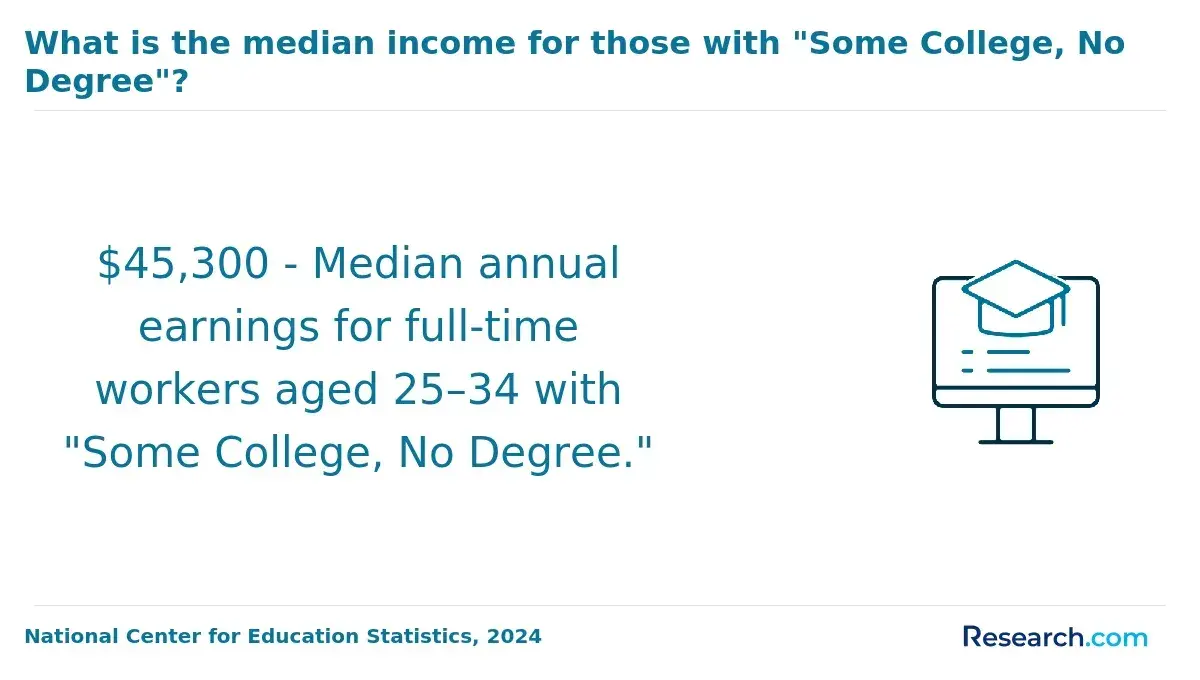
Completion rates for construction management degrees differ notably by delivery format, with campus programs leading at 60% to 75%, hybrid options averaging 50% to 65%, and fully online programs trailing between 40% and 55%, as reported by the National Center for Education Statistics in 2024. These gaps reflect more than convenience; campus settings provide consistent structure, direct faculty interaction, and fewer external distractions, which enhance student persistence. Online learners often juggle full-time work and family demands, requiring stronger time management and motivation, making the path inherently more challenging despite the added accessibility. Hybrid formats strike a middle ground, offering intermittent face-to-face engagement that somewhat mitigates remote learning's isolation, yet they still demand considerable self-regulation to succeed.
The practical implications extend beyond graduation rates. Campus students frequently gain easier access to internships and professional networks, critical for early career placement in construction management. Online and hybrid students, while benefiting from flexibility, may need to adopt proactive strategies to build connections and seek experiential opportunities independently, which can impact their long-term outcomes. For example, a student balancing a night-shift job with online classes might struggle with deadlines and engagement, contributing to lower completion odds compared to peers attending daytime campus courses with immediate support.
A recent graduate recounted choosing an online construction management degree out of necessity while supporting a young family and working overtime. Despite initial hesitation about managing coursework remotely, the student appreciated the flexibility but admitted struggling with motivation during weeks heavy with both job and school demands. This experience underscored how the balance of personal responsibilities and self-discipline, rather than format alone, shaped the completion challenge, with relief arriving only after developing a strict schedule and connecting virtually with classmates for accountability.
How Does Each Construction Management Learning Format Affect Student Success?
Student success in construction management programs depends significantly on how well the learning format suits a student's personal learning style, daily schedule, and responsibilities. No format guarantees success on its own; instead, alignment with individual needs determines persistence and degree completion. For example, a working professional with family obligations might find a hybrid program's flexibility essential, while a recent high school graduate may thrive in a campus environment with structured support. Below are key factors that influence student success across online, hybrid, and campus construction management programs.
- Engagement and Peer Interaction: Campus-based programs typically offer richer face-to-face interaction, which enhances motivation and knowledge retention through collaboration and immediate feedback. Students who benefit from social learning and hands-on experiences often complete their degrees at higher rates here, as supported by 2024 data from the National Student Clearinghouse Research Center.
- Flexibility Versus Structure: Hybrid formats balance flexible scheduling with some in-person contact, helping students manage work or family commitments while maintaining accountability. Those with strong self-discipline tend to succeed, whereas learners needing consistent routines may struggle without more campus time.
- Access to Academic Support Services: Traditional campus programs usually provide on-demand tutoring and advising, promoting persistence. Online students may face delays in support, making proactive virtual communities and advising crucial for maintaining momentum and reducing attrition.
- Technology and Learning Resources: Fully online programs depend heavily on well-designed digital materials tailored to construction management content. Students comfortable with technology who actively engage with these resources are more likely to persist, while others might find navigation and lack of immediacy a barrier.
- Hands-On Experience Opportunities: Construction management demands practical skills often acquired through labs, site visits, or simulations more accessible in campus or hybrid settings. Limited access in online programs can impact preparedness unless offset by strong virtual alternatives.
- Time Management and Self-Direction: Success in online and hybrid courses requires disciplined scheduling and self-motivation, traits less critical in traditional formats with fixed class times. Students balancing work or life demands benefit from hybrid models but may face challenges if self-directed skills are underdeveloped.
- Completion Rate Variability: According to 2024 findings from the National Center for Education Statistics, degree completion rates are generally highest in campus programs, moderate for hybrid, and more variable with fully online options. This variability often reflects differences in student engagement, support access, and format suitability rather than overall program quality.
How Does Enrollment Status Affect Construction Management Completion Rates?
Enrollment status remains one of the most significant factors influencing degree completion in construction management programs. Its impact transcends simply the number of courses taken, reflecting a student's broader circumstances, including work, family, and learning preferences. Recognizing that part-time versus full-time construction management graduation success varies widely depending on these factors is crucial. Below are key ways enrollment status shapes completion outcomes:
- Time Commitment Demands: Full-time students can focus more consistently on coursework, which supports sustained academic momentum. Part-time students, often balancing employment or caregiving, face competing priorities that stretch their time and make consistent progress harder.
- Program Structure and Support Access: Full-time enrollment-especially on campus-offers structured schedules with easier access to faculty, advising, and peer collaboration. This environment fosters accountability and timely degree progression, benefiting those who thrive with regular interaction.
- Flexibility Versus Accountability Tradeoff: Part-time online or hybrid students gain scheduling flexibility but may struggle with reduced engagement, which can lower persistence. These students need strong self-motivation and organizational skills to overcome isolation and maintain steady progress.
- Impact of Program Format on Completion: Hybrid programs strive to balance flexibility with some face-to-face contact, yet completion rates for part-time students frequently align with fully online formats. Those reliant on in-person encouragement may find hybrid models less supportive when enrolled part-time.
- Financial and Life Circumstances: Many part-time enrollees choose this path due to financial constraints or life demands, which can extend time to degree or increase attrition risk. Understanding one's realistic capacity to commit helps avoid unintended delays or burnout.
- Full-Time Campus Completion Rates: Data from the National Center for Education Statistics shows full-time campus students achieve completion rates above 70%, while part-time online and hybrid students complete at rates closer to 40% to 50%. These gaps underscore the influence of enrollment status combined with delivery modality.
- Long-Term Career Planning: Enrollment status decisions should factor in how quickly a student wishes to enter or advance in construction management careers. Those aiming for faster employability often benefit from full-time study, while others may prioritize balancing education with ongoing work.
A prospective student weighing enrollment options can also examine resources like affordable online project management degrees to identify programs that fit their pace and format preferences while considering realistic completion pathways.
Can Transfer Credits Improve Construction Management Degree Completion?
Transfer credits can meaningfully shorten the time required to complete a construction management degree by eliminating redundant coursework, especially for students with prior college experience, military training, or professional certifications. Data from the National Center for Education Statistics in 2024 shows students transferring credits have a 15-20% higher chance of graduating within four years compared to those without such credits. This advantage stems primarily from lighter course loads and greater flexibility, which is particularly beneficial for online and hybrid learners managing multiple commitments.
Yet, the actual benefit from transfer credits varies widely depending on how well prior coursework aligns with the specific curriculum and the institution's credit acceptance policies. For example, a student transferring credits from a general business program might find fewer applicable courses than one who completed a technical or construction-focused associate degree. Moreover, many construction management programs require hands-on learning or project-based courses that cannot be bypassed through transfer, limiting how much the degree path can be compressed.
Consider a working professional enrolling in an online construction management program with 30 eligible transfer credits from previous college classes. This student may reduce total required credits significantly, enabling degree completion eight months earlier on average, according to a Postsecondary Education Research Institute 2024 report. However, if that student's credits do not meet the core competencies or specialized hands-on requirements, the acceleration will be less dramatic.
Prospective students should not assume transfer credits automatically speed up graduation but rather approach the evaluation strategically. Requesting an official credit evaluation before enrollment is crucial. By comparing accepted transfer credits against remaining program requirements-and factoring in planned course loads-they can better estimate realistic completion timelines. Ultimately, while transfer credits often improve completion rates and reduce costs, they represent just one aspect of a successful degree journey alongside rigorous coursework, institutional support, and students' pacing decisions.
What Student Support Services Improve Construction Management Completion Rates?
Student support services significantly influence completion rates in construction management programs by addressing the unique challenges each learning format presents. Data from a 2024 government-funded study shows students who actively use tailored academic and career support persist at rates up to 15% higher than those without such resources. Success in construction management hinges on a mix of personalized guidance, technical assistance, and labor market alignment, with different supports playing vital roles depending on whether the program is online, hybrid, or campus-based. Key services that consistently bolster degree completion include:
- Proactive Academic Advising: Intrusive advising systems involve advisors regularly reaching out to students rather than waiting for appointments, enabling early identification of academic risks and timely interventions. This approach reduces dropout rates by helping students navigate course demands before difficulties accumulate.
- Accessible Virtual Tutoring and Tech Support: For online students balancing external responsibilities, instant access to subject-specific tutoring and IT help mitigates isolation and technological setbacks, which are common barriers in remote learning environments.
- Integrated Career Counseling: Career services tailored to construction management labor market trends prepare students for realistic job opportunities. Aligning academic pathways with employment prospects fosters motivation and smoother transitions into industry roles, reinforcing program commitment.
- Interactive Online Engagement Platforms: Synchronous coaching and peer discussion forums encourage community building in virtual formats, compensating for limited face-to-face interaction by creating consistent academic and social support networks.
- Blended Mentoring in Hybrid Programs: Combining face-to-face mentoring with flexible online resources enables hybrid learners to benefit from immediate feedback and personal connection while managing schedules efficiently.
- Experiential Learning Partnerships: Campus programs with embedded industry collaborations provide hands-on project experience that contextualizes classroom knowledge and strengthens learner engagement.
- Comprehensive Resource Accessibility: Institutions committed to wide-ranging support-from counseling to financial aid advice-ensure students encounter fewer external stresses undermining focus and persistence.
One online construction management graduate described initially hesitating to enroll because of concerns over feeling disconnected. Early in the program, she frequently accessed live tutoring and career counseling, which helped clarify confusing coursework and linked her studies with local construction job openings. These supports alleviated her doubts about managing work and family alongside classes. Reflecting later, she credited proactive advising and peer forums with keeping her motivated and on track during phases that felt overwhelming, underscoring how coordinated and accessible services can bridge gaps otherwise felt in fully digital learning environments.
How Do Construction Management Completion Rates Affect Career Outcomes?
Completion rates for construction management degrees have a demonstrable impact on career outcomes, influencing readiness for employment and advancement opportunities. Recent data show that students who obtain their bachelor's degree in construction management consistently report higher employment rates and increased earning potential compared to those who leave before finishing. However, the completion likelihood varies by learning format, shaping not only immediate prospects but also long-term career trajectories. Below are key ways degree completion affects career outcomes in this field.
- Higher employment and earnings linked to degree completion: Graduates holding a bachelor's degree in construction management are more likely to secure jobs and command better salaries due to the full credential's recognition by employers. According to 2024 labor market analyses, bachelor's degree holders demonstrate employment rates 15% higher on average than non-completers, enhancing their career stability.
- Access to project management roles and professional certifications expands: Completing a construction management degree often signals mastery of essential skills and persistence, prerequisites considered by employers and certifying bodies for roles in project leadership. Students who finish the program increase their chances of advancing into supervisory positions, though relevant experience remains critical.
- Graduate education opportunities become viable options: Pursuing advanced degrees is much more feasible with a completed bachelor's credential. 2024 education reports highlight that degree completion boosts enrollment in graduate programs by over 20%, which can lead to specialized or executive roles within the industry for motivated individuals.
- Hybrid and online formats support nontraditional students in balancing work and study: Flexible learning models, while sometimes tougher for retention, reduce dropout risks among working professionals, enhancing eventual completion rates. This dynamic allows students to maintain employment while progressing toward their degree, an increasingly important factor in real-world career success.
- Completion underscores perseverance valued by employers but does not guarantee advancement: Employers interpret degree completion as evidence of commitment and discipline, which correlates positively with leadership potential. Yet, advancing depends equally on practical experience, skills development, and economic factors within the construction sector.
For students weighing options, understanding how completion influences career paths is vital. Those interested in flexible learning might explore the comparative benefits offered by programs such as an online library science degree, which shares parallels in retention challenges and career impacts, offering insights into nontraditional education formats.
How Should Students Choose the Best Construction Management Learning Format?
Choosing the best construction management degree format for student success involves more than preference; it requires a thoughtful consideration of personal circumstances, learning strengths, and program demands. Recent data from the U.S. Department of Education highlights that degree completion rates vary significantly based on how well students' profiles align with their chosen instructional mode. Below are key factors prospective students should evaluate when selecting between online, hybrid, or campus delivery.
- Self-Discipline and Time Management: Online construction management programs demand high levels of self-motivation and effective time management since students typically navigate coursework independently. Those struggling with procrastination or competing life responsibilities might find campus or hybrid formats more supportive due to scheduled sessions and direct accountability.
- Work and Family Commitments: Students juggling full-time jobs or caregiving roles often benefit from online or hybrid formats that offer flexibility. However, this flexibility can sometimes lead to higher attrition unless supplemented by strong institutional support, as noted in recent 2024 studies.
- Access to Academic Resources: Campus-based programs provide immediate access to faculty expertise, labs, and peer collaboration, crucial in complex construction management topics. Students lacking these resources at home may face challenges in fully grasping practical elements in online settings.
- Community and Networking Opportunities: Hybrid programs tend to balance interaction and convenience, allowing face-to-face engagement that fosters professional networking critical for employability, while retaining part-time online flexibility.
- Learning Preferences and Environment: Some learners thrive in immersive, structured campus environments, which research shows correlate with higher completion rates. Others excel in self-paced formats, illustrating that no single approach suits all.
- Long-Term Career Fit: Evaluate how format choices impact not just graduation but practical readiness in construction management fields. Programs that integrate applied projects, whether online or in-person, better prepare students for workforce demands.
- Real-World Scenario Consideration: For example, a working parent may prioritize hybrid delivery to balance hands-on instruction with flexible scheduling, while a recent high school graduate might benefit more from a full campus program to build foundational skills directly.
Understandably, this decision complements insights from choosing the right construction management program delivery method, reflecting both individual needs and program strengths. For students exploring technology-driven options, reviewing an online PhD in artificial intelligence USA program showcases how adaptability in learning formats supports diverse student profiles across STEM fields.
What Are the Long-Term Pros and Cons of Each Construction Management Learning Format?
Choosing between online, hybrid, and campus formats for a construction management degree impacts not only program completion but also long-term professional success. Each format offers distinct advantages and drawbacks that suit different student profiles and career goals. Consider these pivotal factors before deciding on the optimal path.
- Immersive learning and networking: Campus programs provide direct interaction and robust networking opportunities, fostering relationships critical for early career placement. However, their rigid schedules can challenge those balancing jobs or family.
- Flexibility for working adults: Online formats excel in accessibility and self-paced study, making them ideal for employed students. Yet, diminished hands-on training and lower real-time collaboration may hinder skill development over time.
- Balanced engagement and accessibility: Hybrid programs blend in-person sessions with online coursework, supporting better engagement and practical application. Still, mandatory attendance requirements might restrict some learners' flexibility.
- Skill acquisition and hands-on experience: Campus and hybrid students typically gain stronger fieldwork exposure, essential for applied competencies. Online students often report gaps in practical experiences that can affect job readiness.
- Student motivation and persistence: According to recent 2024 government education reports, online learners face higher risks of isolation and lower long-term motivation compared to campus or hybrid peers, impacting completion rates.
- Alignment with career demands: Hybrid models frequently show superior alignment between academic content and industry expectations, enhancing graduates' competitiveness in construction sectors requiring both theory and hands-on expertise.
- Logistical feasibility and demographics: Accessibility varies by format; campus programs may exclude nontraditional or remote students due to commuting, while online approaches may better serve diverse populations despite engagement trade-offs.
References
- Why Construction Manager Education is Essential for Success https://aic-builds.org/why-construction-manager-education-is-essential/
- What are the Critical Success Factors in Project Management? https://www.projectcentral.com/blog/critical-success-factors/
- Full-Time vs. Part-Time Construction Management: What Does Your Project Really Need? - T&M Design, Inc. https://www.tandmdesign.com/construction-management-full-time-part-time/
- CourseCareers https://coursecareers.com/blog-posts/best-construction-project-management-courses
- What to do with a construction management degree https://www.open.edu.au/advice/insights/what-to-do-with-a-construction-management-degree
- Construction Management - Atlantic Technological University https://www.atu.ie/courses/bachelor-of-science-construction-management
- How to Choose a Construction Management Software https://superconstruct.io/blog/how-to-choose-a-construction-management-software/
- [PDF] Construction Management Service Learning: A “How To” Process for ... https://ojs.library.queensu.ca/index.php/ijsle/article/view/5451/5212
- BSc (Hons)Construction Project Management https://www.solent.ac.uk/courses/undergraduate/construction-management-bsc
- Construction Management, Bachelor of Technology, Full-time/Part-time (8800BTECH) - BCIT https://www.bcit.ca/programs/construction-management-bachelor-of-technology-full-time-part-time-8800btech/
Other Things You Should Know About Construction Management
The flexibility in online construction management programs often allows students to balance work, family, and education more easily, which can improve persistence. However, this flexibility sometimes leads to a less structured schedule, increasing the risk of procrastination or inconsistent study habits. Students who lack strong self-discipline or clear time management strategies may find it harder to finish on time compared to more regimented campus programs. Prioritizing a program with built-in milestones and active faculty engagement can mitigate these risks and support timely completion in online formats.
Hybrid programs offer a blend of practical, on-site experiences and flexible online coursework, which aligns well with employers seeking graduates who can adapt to both fieldwork and office tasks. However, some employers still perceive campus degrees as more rigorous due to face-to-face instruction and networking opportunities. This perception can impact a graduate's initial job prospects and might pressure students to opt for campus formats despite the personal convenience of hybrid options. When job market positioning is a priority, students should weigh employer preferences carefully before selecting their program format.
Campus construction management programs typically have more intensive, scheduled workloads that encourage consistent progress but can create challenges for students juggling outside commitments. This demanding pace pushes some students to complete faster but also risks higher dropout rates if work-life balance isn't maintained. Choosing campus programs suits those able to commit full-time or who prefer structured environments, while others might struggle, leading to delayed completion or attrition despite the format's academic strengths.
Hands-on learning is crucial in construction management and can increase student engagement, directly influencing completion rates by linking theory to practice. Hybrid and campus formats generally provide more direct access to labs, field visits, and group projects, enhancing skill acquisition and motivation. Online-only programs might require additional effort to gain equivalent experience outside the curriculum, possibly extending time to completion. For students aiming to enter the workforce quickly with solid practical skills, programs emphasizing experiential learning tend to yield better completion and employment outcomes.