2027 Online vs Campus Construction Management Outcomes Report: Graduation Rates, Cost, and Career Trade-Offs

Co-Founder and Chief Data Scientist
Key Things to Know About Online vs Campus Construction Management Outcomes
- Graduation rates for campus construction management programs in 2024 average 68%, reflecting sustained in-person support structures; online programs trend lower at 55%, signaling retention challenges that affect time-to-degree completion decisions.
- Employer surveys reveal campus graduates are 20% more likely to receive early leadership roles, indicating perceived benefits of hands-on project experience and networking not fully replicated online.
- Online formats reduce indirect costs by approximately 30%, emphasizing affordability and accessibility for working adults, but delayed graduation rates can offset initial savings through extended workforce entry timelines.
- Key Things to Know About Online vs Campus Construction Management Outcomes Key Things to Know About Online vs Campus Construction Management Outcomes
- What Are the Biggest Differences Between Online and Campus Construction Management Program Outcomes? Online vs Campus Outcomes
- How Do Graduation Rates Compare Between Online and Campus Construction Management Programs? Comparing Graduation Rates
- Why Do Online and Campus Construction Management Students Have Different Completion Rates? Why Completion Rates Differ
- How Do Online and Campus Construction Management Programs Compare on Total Cost? Total Cost Comparison
- What Hidden Costs Should Students Expect in Online vs Campus Construction Management Programs? Hidden Program Costs
- How Does Financial Aid Affect the Cost of Online and Campus Construction Management Programs? Financial Aid Impact
- Do Online and Campus Construction Management Graduates Have Different Career Outcomes? Comparing Career Outcomes
- How Do Employers View Online vs Campus Construction Management Degrees? How Do Employers View Online vs Campus Construction Management Degrees?
- Which Construction Management Degree Format Offers Better Flexibility for Working Adults? Which Construction Management Degree Format Offers Better Flexibility for Working Adults?
- How Should Students Choose Between an Online and Campus Construction Management Program? Choosing Your Program Format
What Are the Biggest Differences Between Online and Campus Construction Management Program Outcomes?
Graduation rates and completion timelines reveal critical differences between online and campus-based construction management programs, with data from the National Center for Education Statistics showing campus students finish at around 65%, while fully online students complete at closer to 50%. This reflects how online learners often balance demanding full-time jobs and family care, leading to part-time enrollment and extended program durations that can increase debt exposure. For example, a working adult pursuing an online degree might extend their studies beyond traditional timelines due to professional and personal obligations, incurring more fees and accumulating greater interest over time. This dynamic underlines the trade-off between the flexibility online students seek and the structured environment campus programs provide, which often facilitates faster degree completion and more consistent access to faculty and peer support.
Cost considerations similarly emphasize complex trade-offs, as the lower advertised tuition of online options often obscures total expense differences. Campus programs, despite higher sticker prices, typically require students to budget for living costs, transportation, and campus fees, while online programs offer geographic flexibility but may limit eligibility for on-campus scholarships or work-study opportunities. Employer perspectives also factor into decision-making: many value hands-on labs, in-person internships, and cohort-based experiences available predominantly through campus options, which enhance licensure preparation and field readiness. Prospective students looking at career outcomes in construction management should weigh these factors carefully, especially those prioritizing strong local networks and timely entry into the workforce versus those requiring the adaptability an online format affords. Addressing these points thoughtfully can guide learners toward program selections that align with their long-term professional goals and financial realities, avoiding the pitfalls of selecting modality based solely on convenience or upfront cost.
These distinctions in graduation pace, financial burden, and employer expectations highlight why prospective learners must consider a program's structure in relation to their career ambitions and life circumstances. Campus construction management programs often deliver more robust networking and career services, which correlate with higher on-time employment rates in specialized roles. Conversely, online students typically target roles that accommodate remote work or geographic mobility, illustrating a strategic alignment of education format with workforce trends. Individuals exploring educational pathways in construction management would also benefit from comparative resources like an online SLP program review, which similarly underscores how modality impacts career positioning and debt management. Ultimately, meaningful assessment of these variances will support decision-making that balances short-term convenience against long-term career and financial outcomes.
How Do Graduation Rates Compare Between Online and Campus Construction Management Programs?
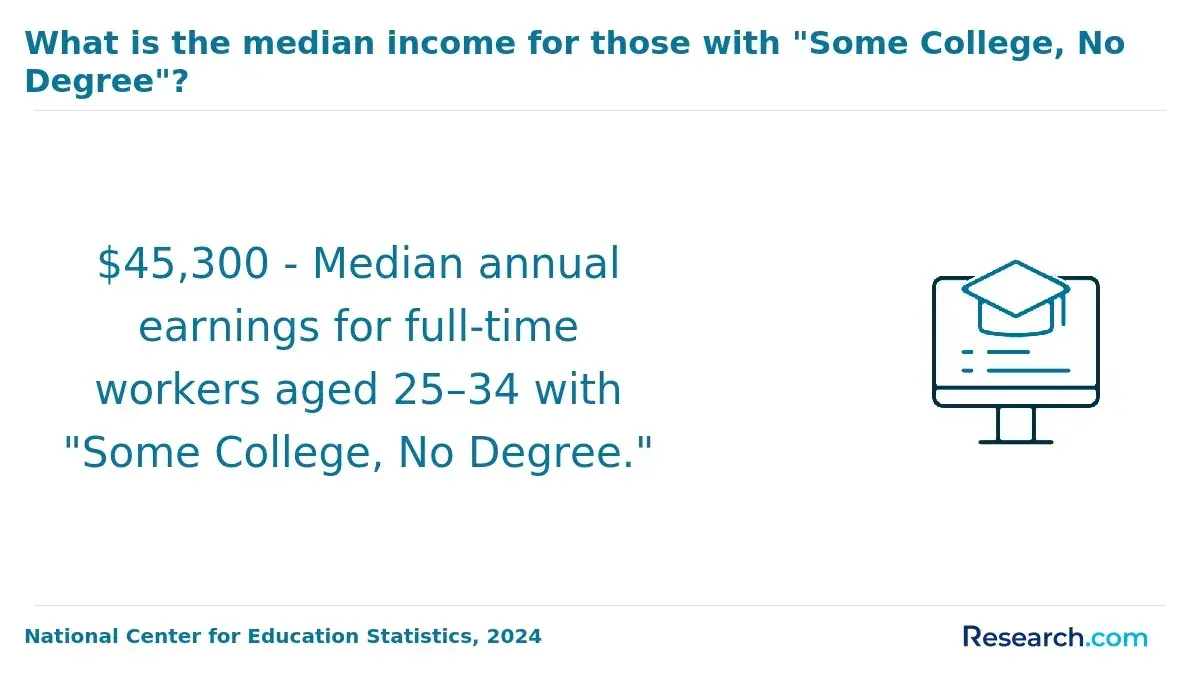
Graduation rates between online and campus construction management programs often reflect more than just instructional format; they reveal significant differences in student demographics, engagement structures, and external obligations that shape completion outcomes. Data from the National Center for Education Statistics for 2024 indicates campus-based programs generally see six-year graduation rates between 55% and 70%, markedly higher than online programs that average closer to 40% to 55%. This gap frequently stems from the predominance of traditional full-time students on campus, who benefit from cohort accountability, direct access to academic advising, and immersive peer networks, contrasted with online learners juggling part-time studies alongside work and family, increasing stop-out risks and extending timelines.
Comparing raw graduation figures without context risks misinforming prospective students, as program pacing flexibility, transfer credit policies, and the availability of synchronous support vary widely across delivery modes and institutions. For a working adult exploring construction management, these factors influence whether an online format with asynchronous coursework can adequately sustain momentum or if a campus program's structured schedule is essential to avoid attrition. Additionally, differences in admission standards and practical requirements such as site visits or labs can impact persistence and completion independently of format. Thus, graduation rates should be interpreted alongside how each program supports student persistence amid competing responsibilities and program-specific demands.
A recent graduate who pursued a construction management degree online described hesitating over whether the reduced structure would hinder staying on track, especially given a full-time job and family care. After comparing programs, she observed that campus courses offered more predictable cohorts and clear advising pathways, but commuting time and fixed schedules were prohibitive. Ultimately, she chose online study for its flexibility but actively sought virtual tutoring and peer groups to offset weaker cohort cohesion, acknowledging that her success depended heavily on self-discipline and proactive engagement-factors she hadn't fully anticipated from program comparisons focused solely on graduation statistics.
Why Do Online and Campus Construction Management Students Have Different Completion Rates?
Completion disparities between online and campus construction management students often stem from differences in enrollment patterns and institutional support rather than academic rigor alone. Online learners frequently juggle full-time employment and family responsibilities, with over 70% enrolled part-time, which extends their time to degree and increases stop-out risks. In contrast, campus programs generally enroll students full-time in cohort-based models, enabling more predictable course sequencing and stronger peer accountability, factors that directly support steady progression toward graduation.
Access to academic advising and engagement opportunities also varies significantly between modalities. Campus students benefit from direct, in-person interactions with faculty, structured tutoring, and career services, which can promptly address academic challenges. Online students typically face asynchronous learning environments that create isolation and delay access to interventions, impacting persistence. Financial counseling differences further complicate online student retention; campus learners often utilize on-site aid offices and scholarships tied to physical attendance, while online students may confront inconsistent guidance, misunderstanding total costs, and greater financial strain.
These factors reveal that completion rates-often around 60-65% for campus versus 40-50% for online construction management according to the National Center for Education Statistics (2024)-reflect demographic profiles and program designs as much as content difficulty. Prospective students should assess their schedule stability, need for structured support, and likelihood of maintaining consistent enrollment when interpreting these rates. Choosing the right format means balancing flexibility with the potential trade-offs in progression and resource access that influence ultimate career outcomes in the construction management field.
How Do Online and Campus Construction Management Programs Compare on Total Cost?
Comparing the total cost of online and campus construction management programs requires evaluating more than base tuition, as the overall financial impact hinges on factors like residency requirements, mandatory fees, and practical living expenses. For instance, while online programs often list lower per-credit rates, extra charges such as technology fees-ranging from $300 to $1,000 annually-and shipping costs for materials can offset some savings. Conversely, campus learners face substantial room and board expenses, averaging around $11,200 yearly according to 2024 National Center for Education Statistics data, alongside campus facility fees and commuting costs, which can significantly widen the financial gap despite higher scholarship availability on campus.
These cost dynamics directly influence program duration, debt accumulation, and the ability to maintain employment during study. Online students frequently benefit from flexible scheduling that supports continuous work, reducing debt by approximately 15% compared to on-campus peers, as U.S. Department of Education data show. However, employer tuition support is traditionally more accessible for campus-based programs, though this trend is gradually shifting. Those evaluating the total cost comparison of online and campus construction management programs must weigh immediate outlays against potential financial aid disparities, time-to-degree differences, and employer expectations in the construction industry.
Choosing the right format ultimately depends on aligning personal circumstances with these economic trade-offs. Prospective students should consult credible resources when researching affordable options, such as construction management degree guides, to inform decisions that balance cost, career timelines, and long-term value.
What Hidden Costs Should Students Expect in Online vs Campus Construction Management Programs?
Cost comparisons between online and campus construction management programs must factor in less obvious expenses that substantially affect total investment. Online students often face mandatory technology fees between $200 and $500 annually, as reported by the National Center for Education Statistics in 2024, along with purchasing specialized software that campus counterparts may access on-site. Meanwhile, campus students incur significant housing and transportation costs, with average annual expenses for housing and food reaching $10,000 to $12,000, and commuters spending up to $1,200 yearly on parking and transit. These hidden costs-including travel for fieldwork in some campus programs-can erode the nominal tuition advantage of either format, complicating budgeting and decision-making for students balancing work and study.
Another critical but often overlooked factor involves opportunity costs tied to work hours. Data from the 2024 College Scorecard reveal campus students tend to reduce employment during enrollment more than online learners, whose more flexible schedules allow continued income streams. These employment trade-offs influence not only finances but also time to completion and career progress. Students aiming to minimize lost wages must weigh how scheduling demands, residency components, and indirect expenses interact to shape both affordability and feasibility in their pursuit of construction management credentials.
One student recalled initially favoring an online program based on lower tuition but later hesitating after reviewing additional costs. They discovered mandatory proctoring fees and the necessity to purchase expensive software independently, which nearly matched the price difference compared to campus tuition. Meanwhile, commuting expenses and occasional travel for on-site labs complicated campus budgeting. This nuanced cost landscape forced a careful analysis of direct versus indirect expenses, revealing how initial price comparisons can obscure the real financial impact of each pathway.
How Does Financial Aid Affect the Cost of Online and Campus Construction Management Programs?
Financial aid fundamentally shifts the cost landscape for online versus campus construction management students, yet these shifts hinge heavily on aid type and student circumstance rather than simple cost labels. Campus programs typically offer more robust institutional aid, including assistantships and residency-based scholarships, which can substantially lower net expenses for full-time, on-site enrollees. However, this aid often excludes part-time or remote learners, who must instead rely on federal grants and employer tuition assistance, making their net price sensitive to eligibility nuances and employer policies favoring accredited online formats aligned with working adults' schedules. Comparing these factors alongside tuition, mandatory fees, and living expenses is critical for sound enrollment planning, as campus attendees face higher housing and commuting costs that remote students avoid.
These differences in aid accessibility also influence borrowing and pacing decisions. Online students frequently incur slightly higher debt after graduation, reflecting limited access to assistantships and campus-specific grants despite potential savings on living costs. Conversely, campus students' bundled aid offsets higher living expenses but can encourage maintaining full-time enrollment to retain benefits, affecting study duration and workload. Military and veteran benefits tend to balance net costs across both modalities, though online learners may pay additional technology fees. For those weighing program choices, examining how varied aid packages interact with individual enrollment status and funding sources is essential to understand the real total cost and career trade-offs. Prospective students interested in accelerated paths should also consider related options such as accelerated online MFT programs as they navigate these financial aid dynamics and program affordability.
How financial aid impacts the affordability of online versus campus construction management programs varies widely, demanding detailed comparison beyond advertised tuition rates. These nuanced financial aid benefits shape not only immediate costs but the long-term viability and debt implications of each pathway, underscoring their central role in practical decision-making for working adults and career-focused learners.
Do Online and Campus Construction Management Graduates Have Different Career Outcomes?
Employment outcomes for graduates of online and campus construction management programs often align closely in raw placement rates, yet nuanced differences arise from employer familiarity and program delivery. Traditional construction firms frequently favor candidates with campus credentials tied to established industry partnerships and in-person internships, partly because these experiences tangibly bolster licensure readiness and hands-on skill development. For example, some state boards require classroom or field hours that online students must independently verify, which can slow professional licensing and delay job starts despite equivalent academic content.
Access to networking and mentorship also varies by format, influencing long-term career trajectory beyond initial hiring. Campus students benefit from direct contact with faculty and alumni at job fairs and industry events that facilitate stronger professional bonds and local job leads, whereas online learners depend on virtual tools that may not fully replicate this relational depth. Additionally, online programs frequently offer cost savings through lower tuition and no relocation expenses, which can reduce student debt by about 15%, allowing graduates more financial flexibility when transitioning into the workforce. Balancing these considerations is critical for prospective students weighing how format impacts not only immediate employment but sustained career mobility within construction management.
How Do Employers View Online vs Campus Construction Management Degrees?
Employer evaluations of online versus campus construction management degrees hinge less on delivery format alone and more on underlying factors like accreditation, program reputation, and demonstration of applied skills. In practice, a construction employer assessing candidates will prioritize degrees from programs accredited by recognized bodies such as the American Council for Construction Education, provided these programs integrate experiential learning like internships or co-op placements that validate practical readiness. Candidates holding rigorously vetted online degrees supplemented by relevant work experience or certifications tend to neutralize initial employer skepticism tied to remote study formats.
Nevertheless, discernible differences persist in hiring contexts rooted in traditional or unionized sectors, where campus-based graduates may be favored due to the perceived value of site-based collaboration and hands-on networking, elements less accessible in fully online programs. Transcript notations indicating online program completion can sometimes bias first impressions, although this effect wanes with increasing employer familiarity with remote education. A 2024 study by the National Association of Colleges and Employers found that 68% of construction-related employers accept accredited online degrees as equivalent to campus credentials, reflecting a growing but cautious shift in industry attitudes.
Ultimately, the practical career impact for graduates often depends on how well their education aligns with ongoing skill development and industry standards rather than the format itself. Students navigating between online and campus options should weigh the potential for direct experiential learning and peer collaboration against their own work commitments and the prevailing hiring norms of their target construction sectors to make informed decisions grounded in credential credibility and long-term employability.
Which Construction Management Degree Format Offers Better Flexibility for Working Adults?
Flexibility for working adults pursuing a construction management degree hinges less on the format alone and more on the balance between scheduling autonomy and practical requirements. Online programs typically permit greater control over study hours through asynchronous coursework, ideal for those juggling shift work or caregiving. However, real-world demands such as mandatory synchronous sessions, proctored exams, or limited local field placements can reduce pure flexibility, making some online pathways less adaptable than assumed. For example, a parent working full-time may benefit from online options that minimize commute times but might still face constraints attending occasional on-site labs or virtual simulations needed for hands-on learning.
On the other hand, campus-based or hybrid programs offer direct faculty interaction and structured cohort progression, which may aid comprehension of complex topics and networking but require more rigid attendance. This can create scheduling conflicts for working adults, potentially extending their time to graduation or increasing costs if they must reduce work hours. Balancing work and campus construction management degrees demands careful consideration of commute burdens, program sequencing, and employer support, which increasingly favors online learning due to lower disruption. Data from the NCES shows 62% of adult learners prioritize flexibility, while employer tuition assistance trends favor online formats, underscoring workforce recognition of this mode's practicality for working adults.
Ultimately, working adults choosing between online and campus construction management programs must weigh flexibility against the need for hands-on experience and networking opportunities intrinsic to the field. Those prioritizing schedule control and minimal location constraints will often find online programs more viable, especially when aligned with employer funding and personal obligations. For more insights on how degree choices align with remote work trends, prospective students can explore work from home degrees that offer similar flexibility considerations.
How Should Students Choose Between an Online and Campus Construction Management Program?
Graduation rates offer a critical metric for comparing online versus campus construction management program outcomes, revealing substantial differences in student persistence and completion. Data show campus programs generally maintain completion rates near 65%, while online formats tend to average closer to 45% within six years, reflecting complex challenges such as reduced hands-on training access and limited peer engagement. For example, a working adult balancing shifts and family care may benefit from the flexibility of an online program but face higher risks of delayed graduation or disrupted course sequencing without structured faculty support. This tradeoff directly influences long-term career mobility and opportunity costs, especially in fields requiring documented practical experience or industry recognition of training.
Cost comparisons are nuanced, as total expenses often extend beyond tuition alone. While online programs avoid relocation and commuting fees, technology or specialized course fees can offset these savings, sometimes bringing online costs on par with campus attendance. Additionally, career support differences heavily impact employability: campus settings offer richer access to internships, industry events, and direct networking, which remain vital given employer preferences for practical credentials in construction management roles. Students weighing online vs campus construction management program outcomes should consider these factors alongside their schedule stability, financial aid options, and the likelihood of fulfilling licensure or certification requirements without in-person components.
Choosing the right construction management format for career success involves assessing individual learning styles and professional goals. Those requiring structured mentorship and immersive experiences may lean toward campus programs, while self-motivated students prioritizing flexibility must compensate for reduced direct support. Understanding the distinct graduation rates, cost implications, and career trade-offs can clarify decisions in this sector, particularly when comparing a broader landscape of worker roles similar to the diverse types of paralegals and salaries found in related professions.
References
- 5 Construction Management Career Opportunities Out of College https://aic-builds.org/5-construction-management-career-opportunities-out-of-college/
- Types of Financial Aid for Online Colleges https://www.umassglobal.edu/blog-news/types-financial-aid-online-colleges
- CourseCareers https://coursecareers.com/blog-posts/construction-management-degree-vs-on-the-job-experience-vs-structured-training
- 10. Facilities & Finance https://books.openbookpublishers.com/10.11647/obp.0240/ch10.xhtml
- How to choose a bachelor's in construction management | edX https://www.edx.org/resources/how-to-choose-a-bachelors-in-construction-management
- BSc (Hons) Construction Management https://www.ube.ac.uk/undergraduate/construction-management/
- Study Construction Management in USA and Get a Good Job Opportunity https://www.studies-overseas.com/blogs/study-ms-in-construction-management-in-usa
- 5 Hidden Costs Draining Construction Profits https://cmicglobal.com/resources/article/5-Hidden-Costs-Draining-Your-Construction-Profits
- Best Online Construction Management Degrees https://www.affordablecollegesonline.org/degrees/construction-management-programs/
Other Things You Should Know About Construction Management
Campus programs typically offer more direct access to hands-on labs, simulations, and physical site visits, which are critical for developing practical skills in construction management. Online programs often rely on virtual simulations or case studies, which can limit tactile learning. This difference can affect a graduate's initial confidence and ability to manage field operations independently, making campus-based experience especially valuable for those aiming for roles that demand immediate on-site proficiency.
In-person programs generally provide richer opportunities for face-to-face networking through events, career fairs, and informal interactions with faculty and peers embedded in the construction industry. Online students may miss these spontaneous connections, potentially narrowing immediate access to mentorship and local job placements. For students prioritizing direct industry relationships, campus programs often offer a clearer pathway to build a professional network, though proactive online students can sometimes leverage virtual platforms to mitigate this gap.
Online programs require higher self-discipline and time management since they lack the structured schedule of campus classes. Students without a strong routine may struggle to stay on track, impacting graduation timelines and the mastery of complex topics. Campus programs provide more scheduled interaction and immediate accountability, which can help maintain steady progress for those who prefer guided pacing. Prospective students should honestly assess their ability to manage autonomous study versus benefiting from structured environments when choosing their format.
While both online and campus degrees can lead to entry-level positions, campus degrees often carry a reputational advantage in firms that emphasize traditional training pathways and on-site leadership experience. Online degrees may be more accepted in firms valuing skills demonstrated through work experience or certifications. For individuals targeting senior management roles in established construction companies, campus-based education combined with internships may offer a stronger foundation, whereas online pathways could be more suited for roles in firms with flexible or remote work cultures.