2027 Construction Management Degree Enrollment Trends by Age Group: Traditional Students vs Adult Learners

Co-Founder and Chief Data Scientist
The demand for qualified construction managers continues to surge, driven by a projected 8% workforce growth through 2031, according to the U. S. Bureau of Labor Statistics. However, enrollment data reveal distinct generational divides shaped by licensure cycles and career pivot points. Traditional students often enter directly from high school, leveraging full-time programs that emphasize practicum and portfolio development aligned with early-career job placements.
In contrast, adult learners generally enroll part-time, balancing credential upgrades with ongoing employment, reflecting industry expectations for experience-backed advancement. These patterns suggest that program accessibility and employer hiring preferences play pivotal roles in shaping the evolving workforce and educational models within construction management.
Key Things to Know About Construction Management Degree Enrollment Trends by Age Group
- Adults aged 25+ comprise over 40% of new construction management enrollments in 2024, reflecting a shift toward career changers balancing education with ongoing work-a tradeoff impacting program pacing and depth.
- Employers increasingly value practical experience combined with degrees; younger students often lack site exposure, making mentorship and internships vital to bridge this gap when entering the workforce.
- Rising tuition and time constraints disproportionately challenge adult learners, leading to longer degree completion times, which affects timely credentialing and may delay workforce reentry or advancement.
- Key Things to Know About Construction Management Degree Enrollment Trends by Age Group Key Things to Know About Construction Management Degree Enrollment Trends by Age Group
- Which Age Groups Represent the Largest Share of Construction Management Students? Students by Age Group
- Why Do Traditional Students Choose Construction Management Degree Programs? Traditional Students
- Why Do Adult Learners Return to School for a Construction Management Degree? Adult Learners
- How Do Academic Goals Vary Between Younger and Older Construction Management Students? Academic Goals by Age Group
- How Do Financial Concerns Differ Between Traditional Students and Adult Learners? Financial Concerns by Age Group
- What Challenges Do Adult Learners and Traditional Students Face While Earning a Construction Management Degree? Student Challenges by Age Group
- How Does Age Affect Construction Management Degree Student Retention? Age and Student Retention
- Which Construction Management Specializations Are Most Popular Among Adult Learners? Top Specializations for Adult Learners
- How Does Age Affect Job Opportunities for Construction Management Graduates? Impact of Age in Job Opportunities
- What Do Current Construction Management Enrollment Trends Reveal About Future Demand? What Do Current Construction Management Enrollment Trends Reveal About Future Demand?
Which Age Groups Represent the Largest Share of Construction Management Students?
Construction management programs serve students spanning various life stages, yet enrollment tends to cluster within certain age groups shaped by career entry timing, financial considerations, and educational pathways. The concentration in these age segments reflects systemic workforce trends and accessible academic routes more than simple academic preference.
Understanding these enrollment patterns helps clarify how the construction management degree enrollment by age group United States aligns with evolving workforce demands and higher education accessibility.
- Ages 18-24: This group comprises the largest share of construction management students, primarily due to a direct transition from high school to undergraduate study. These students typically pursue construction management as a clear route to entry-level roles, supported by traditional academic structures and financial aid options tailored for recent graduates. Their enrollment reinforces the predictable pipeline from secondary education into the workforce where fresh credentials meet employer expectations for foundational skills.
- Ages 25-40: Representing a significant and growing portion, this segment often includes professionals pivoting careers or formalizing experience gained in trades or construction fields. Their enrollment choices prioritize program flexibility, online options, and practical relevance, with a focus on accelerated credentials or credit for work experience. Employer demand for verified skills and supervisory qualifications drives many within this group to seek adaptable learning models to balance education with existing job and family responsibilities.
- Ages over 40: Although smaller in share, adult learners beyond 40 frequently pursue construction management to extend career longevity or shift into management-focused roles. Constraints around time and finances mean this group favors part-time or hybrid programs that respect their existing commitments. Their enrollment patterns highlight the challenge of balancing education with ongoing professional and personal obligations amid evolving industry requirements.
Enrollment in construction management programs, as reflected in the largest age demographics in construction management programs, mirrors broader workforce participation and educational system dynamics rather than simple academic preference. Many employers value prior practical experience combined with formal credentials, which often informs adult learners' decisions to select flexible programs with credit pathways.
This dynamic also suggests a shifting age distribution in response to advancing digitization and sustainability concerns within the field. Students actively investing in continuous learning-whether traditional or adult learners-are more likely to retain relevance amid technological changes.
For prospective or current students weighing options, exploring program accessibility, especially through online formats like online BCBA programs as a comparable model for flexibility and affordability across disciplines, can offer insights into balancing immediate workforce applicability with long-term career adaptability.
Why Do Traditional Students Choose Construction Management Degree Programs?
Traditional students often choose construction management degree programs driven by a combination of academic interest in applied sciences and the strategic value of degree signaling for early career exploration. Many view these programs as a pragmatic intersection between technical skills and leadership development, enabling a clearer pathway into operational roles within construction industries.
The appeal also lies in the structured curriculum that balances project management, budgeting, and hands-on site experience, aligning well with students' intent to enter the workforce swiftly while maintaining upward mobility prospects. According to data from the National Center for Education Statistics, 62% of enrollees in construction management are recent high school graduates, underscoring the field's resonance with those seeking direct career trajectories grounded in practical skill sets.
Multiple institutional and systemic factors reinforce this enrollment behavior among traditional student populations. University recruitment often targets this demographic through articulated pathways from secondary STEM programs or early college exposure to construction-related coursework, which cultivates early familiarity and commitment.
Guidance counseling and career advising further shape decisions by highlighting the relative stability and regional demand for construction management roles, especially in states with active development sectors. This dynamic is enhanced where students can access resources such as the best online counseling degrees, which complements their academic planning toward workforce readiness and practical outcomes in construction disciplines.
Why Do Adult Learners Return to School for a Construction Management Degree?
Adult learners pursuing a construction management degree often do so with clear professional objectives centered on enhancing job stability, increasing earning potential, or transitioning into supervisory roles within the construction sector. Unlike traditional students, these individuals typically balance ongoing employment, family responsibilities, and financial considerations, driving a strategic approach to education that aligns closely with career mobility.
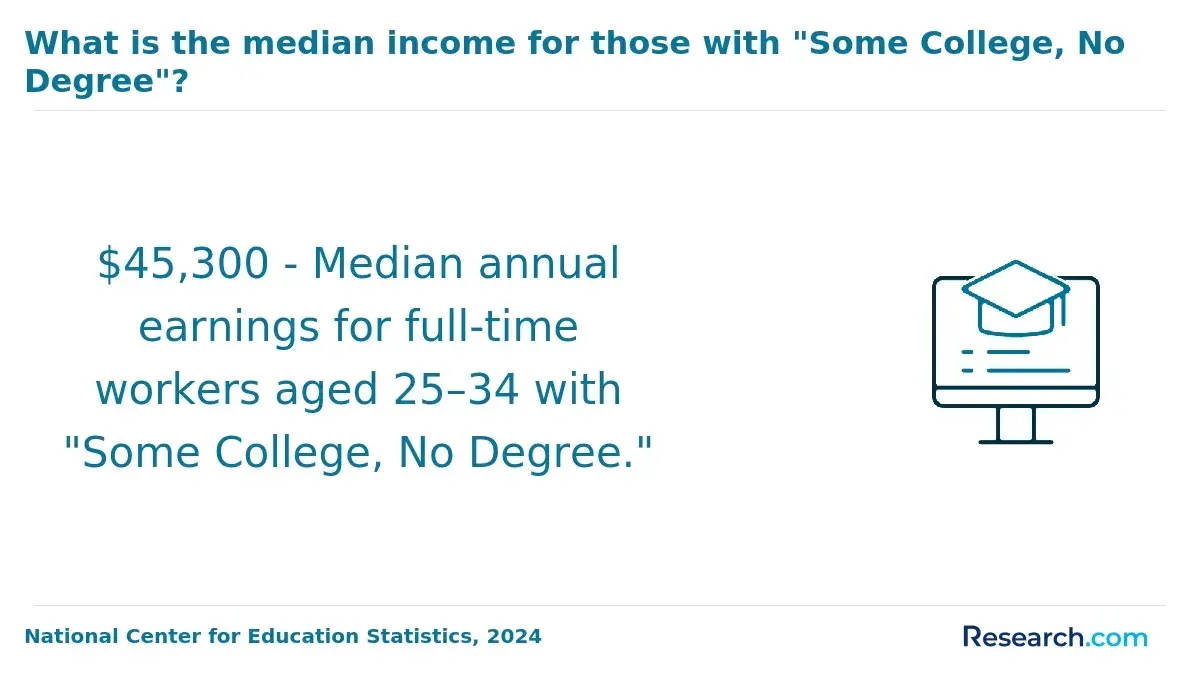
Data from the National Center for Education Statistics in 2024 indicates that over 40% of students in construction-related programs are aged 25 or older, reflecting a significant demographic focused on leveraging formal credentials to meet evolving employer expectations regarding project oversight and regulatory compliance.
Beyond career shifts, factors such as employer tuition assistance and the rise of flexible online or hybrid course offerings facilitate adult learners' re-engagement with higher education. These modalities help accommodate time constraints and the necessity for updated technical skills in response to rapid technological and regulatory changes in construction practices.
The demand for credentials that validate both practical expertise and leadership capabilities also reinforces enrollment decisions, as industry standards increasingly emphasize certified knowledge alongside field experience. This dynamic contributes to a reshaping of program delivery, where adult learners' needs drive curricular adaptations, influence classroom diversity, and underscore the importance of peer learning environments attuned to professional experience and workforce reintegration.
How Do Academic Goals Vary Between Younger and Older Construction Management Students?
Younger construction management students generally engage with their studies as a foundation-building phase aimed at broad skill development and theoretical knowledge mastery. Their academic objectives often center on preparing for entry-level roles within the industry or establishing eligibility for graduate programs, reflecting a phase of exploration rather than immediate specialization.
Data from the National Center for Education Statistics shows that approximately 60% of students in this cohort prioritize gaining comprehensive competencies that support long-term career flexibility and foundational workplace readiness. This stage is critical for acquiring diverse practical experiences, such as internships, that employers view as valuable in assessing adaptability and potential.
In contrast, older construction management students typically pursue education with clearer, outcome-driven goals tied to their existing career trajectories. Their learning prioritizes targeted skills and certifications that enhance their current role or facilitate transitions into leadership or related sectors like project management and real estate development.
A report by the American Council on Education highlights that nearly three-quarters of adult learners focus on managerial capabilities and credential completion to address immediate workplace demands and advancement opportunities. The emphasis for this group is often on flexible program formats that accommodate ongoing employment and family responsibilities, underscoring the interplay between education and tangible career progression.
An adult learner recounted how returning to school required careful timing, as they waited for confirmation from several programs during rolling admissions before committing financially and logistically. Balancing full-time work, family duties, and enrollment deadlines created hesitation, with concerns about missing application windows or starting late.
The individual described relief upon securing a spot in a flexible program designed for working professionals, which allowed adjustment to their unpredictable schedule and immediate application of management knowledge at their job, illustrating the strategic decisions adult learners make to align educational milestones with real-world constraints.
How Do Financial Concerns Differ Between Traditional Students and Adult Learners?
Traditional students pursuing a construction management degree often depend heavily on family support, scholarships, federal grants, or student loans to finance tuition. Their financial concerns center on upfront tuition costs combined with long-term debt considerations, as many take on federal loans with favorable terms structured for recent high school graduates.
These younger students face a relatively short interruption in income, focusing full-time on education, which limits their immediate earning potential but allows a clearer pathway to credential completion. According to a 2024 report from the National Center for Education Statistics, 68% of traditional students receive some form of institutional financial aid, highlighting the role of accessible tuition financing options for adult learners in construction management programs and younger peers alike.
In contrast, adult learners confront a more complex financial landscape, balancing education expenses against family duties, existing debt, and potential lost wages from reduced work hours or leaving employment altogether. Data from the Urban Institute illustrates that these learners are nearly twice as likely to reduce work hours during enrollment, amplifying opportunity costs.
Adult students also tend to rely more on private loans or employer tuition reimbursement programs, which often carry stricter eligibility and less favorable terms. Their financial commitments shape decisions about program length, modality, and even prioritize shorter certifications aligned with immediate labor market demands, rather than full degrees, reflecting a pragmatic approach influenced by the realities of income dependency and lifecycle economic planning.
These divergent financial pressures meaningfully influence enrollment patterns, with traditional students more likely to pursue longer full-time academic paths and adult learners opting for flexible or online formats that accommodate their schedules and financial constraints. The tradeoffs between immediate income and long-term return on investment require nuanced decision-making, underscoring why many adult learners evaluate program accessibility and post-completion employability carefully.
As programs increasingly adapt to these distinct needs, obtaining an online degree social media marketing or other fields reflects broader trends where financial behavior analysis and funding dynamics inform educational choices across age groups within construction management education.
What Challenges Do Adult Learners and Traditional Students Face While Earning a Construction Management Degree?
Traditional students enrolled in construction management programs frequently grapple with adjusting to the academic rigor and developmental shifts inherent in early adulthood. Many are transitioning from primarily high school-level learning to highly technical, fast-paced coursework requiring advanced project management skills, which can overwhelm those without prior exposure.
Effective time management poses a significant hurdle as students navigate full-time studies alongside internships and entry-level work experiences, often with limited real-world context to apply theoretical knowledge. Data from the National Center for Education Statistics in 2024 reveals that roughly 35% of these students encounter academic challenges linked to the demanding curriculum and rapid skill acquisition expectations.
Adult learners face a contrasting set of obstacles shaped by their broader life responsibilities and established routines. Balancing family duties and employment often limits the time and energy available for immersive study or hands-on learning opportunities that employers value in construction management roles.
Returning to academic environments after time away introduces challenges in adapting to new pedagogies and technology, while financial pressures frequently arise from opportunity costs related to reduced work hours or additional educational expenses. The American Council on Education reports that nearly half of adult learners in this field identify juggling external commitments as their foremost barrier, underscoring the tension between professional obligations and academic progression.
Given these divergent demands, institutions increasingly tailor support mechanisms such as flexible scheduling, hybrid or online course formats, and targeted advising to improve accessibility for both demographics. Traditional students benefit from structured academic scaffolding and career placement resources that address skill development gaps.
Meanwhile, adult learners require adaptability in program delivery and recognition of experiential learning to accommodate complex time constraints. Such differentiated approaches reflect an evolving understanding of educational lifecycles and the necessity of aligning program design with students' varying capacities to manage workload and progression within construction management pathways.
How Does Age Affect Construction Management Degree Student Retention?
Retention patterns among younger construction management students often center on the challenges of adapting to college-level demands and maintaining motivation through initial coursework. Many in the 18-24 age group encounter disruptions linked to academic adjustment, social integration, and the transition from structured environments to greater personal responsibility.
Their higher retention, averaging about 75% after the first year according to 2024 National Center for Education Statistics data, reflects both institutional environments designed for this demographic and fewer external obligations competing for time and attention. However, early attrition can still stem from gaps in academic preparedness and difficulty sustaining engagement without clear career alignment.
For adult learners, retention dynamics shift notably. While retention rates often dip to around 55-60% after year one, as reported by the 2024 National Student Clearinghouse, these students generally exhibit sharper goal focus and practical application of studies. Nevertheless, ongoing persistence is tested by complex balancing acts involving employment, family care, and financial pressures, which demand more flexible institutional support like online classes or adaptable scheduling.
This cohort's retention challenges, therefore, hinge less on academic acclimation and more on managing competing life responsibilities alongside education, even as their mature perspective frequently improves completion odds over longer periods. A recent graduate shared how age affected their experience entering a construction management program: after working several years in the trades, they hesitated to apply immediately, uncertain if delaying admission might better accommodate family needs and seasonal work cycles.
The rolling admissions process added pressure, prompting repeated consultations with advisors to align enrollment timing strategically. This cautious approach, blending urgency with reflection, helped them enter prepared and ultimately navigate retention hurdles linked to maintaining steady employment and study commitments simultaneously.
Which Construction Management Specializations Are Most Popular Among Adult Learners?
Adult learners pursuing construction management degrees often choose specializations that provide tangible benefits for career advancement or enable smooth transitions within the industry. Unlike traditional students who may explore broader or more theoretical tracks, adult learners prioritize areas that capitalize on existing experience and offer clear pathways to leadership roles or niche expertise.
This pragmatic approach reflects workforce realities, where skill relevance, salary potential, and regulatory demands strongly influence specialization selection.
- Project Management: The leading specialization chosen by adult learners, project management develops skills essential for overseeing complex construction initiatives, budgeting, and coordinating multidisciplinary teams. Many enrollees with field experience gravitate here to formalize competencies critical for mid-to senior-level roles that directly affect operational outcomes.
- Sustainability and Green Building: Reflecting heightened regulatory scrutiny and market demand for environmentally responsible construction, this track attracts learners focused on emerging industry standards like LEED certification and energy efficiency. It aligns with efforts to future-proof careers in an evolving sector emphasizing sustainability.
- Risk Management and Safety Engineering: Adult learners with hands-on construction backgrounds often seek this specialization to deepen expertise in safety protocols, hazard mitigation, and regulatory compliance. It serves those aiming to strengthen their credentials for site supervision or safety oversight positions with increased responsibility and compensation.
- Cost Estimation and Budget Control: This area appeals to those wanting to sharpen financial oversight capabilities. Proficiency in accurate estimation and budget management enables upward mobility into managerial positions where financial performance is a priority.
- Construction Technology Integration: As digital tools and automation reshape the industry, some adult students pursue this specialization to stay current on BIM software, building automation, and other tech advances, supporting roles that bridge traditional management and new technical competencies.
Data from the National Center for Education Statistics indicates that approximately 38% of adult construction management enrollees select project management, followed by 25% in sustainability programs and 18% in safety-focused tracks, underscoring how specialization choices reflect practical career considerations. Such patterns demonstrate a strategic alignment between specialization selection and professional experience, consistent with the stronger focus among adult learners on employability and skill updating rather than purely academic exploration.
These enrollment trends reveal how adult learners balance upskilling with immediate workplace applicability, a dynamic less prevalent among younger, traditional students. For those evaluating educational pathways, especially in fields related to construction industry workforce demands, assessing specialization options is crucial. Adult students might also compare construction management with related technical disciplines, such as an online bachelor's in electrical engineering, particularly when seeking cross-disciplinary career mobility or enhanced technical credentials.
How Does Age Affect Job Opportunities for Construction Management Graduates?
Younger construction management graduates, typically under 25, often benefit from employer preferences for entry-level positions that emphasize adaptability and foundational skill-building. Early career hiring trends favor those with recent exposure to current technologies and academic methods, which align with the evolving demands of construction projects. Internship pipelines and practical on-the-job training remain critical to securing these roles, as they bridge the gap between theoretical knowledge and workforce readiness.
According to a 2024 report from the U.S. Bureau of Labor Statistics, younger graduates face competitive pressure from peers with relevant work experiences, making early networking and timely internship engagement vital for employment success in construction management and related fields involving career opportunities for adult learners in construction management.
Older construction management graduates, often 30 and above, encounter a different employment dynamic shaped by their prior professional experience and transferable skills from other industries. While their real-world knowledge positions them favorably for mid-level or supervisory roles, employers may harbor concerns about adaptability and the necessity of retraining to meet current technical standards.
A 2024 NCCER study highlights that adult learners must actively demonstrate flexibility and updated competencies to overcome potential age-related biases. This cohort's career entry timing often influences their job prospects; however, strategically leveraging prior management experience can offset some employer reservations. For resources on related educational pathways, those interested might explore online Spanish degree programs for veterans, which illustrate how nontraditional educational programs can cater to diverse student populations.
What Do Current Construction Management Enrollment Trends Reveal About Future Demand?
Shifts in enrollment patterns within construction management degree programs highlight changing perceptions of the field's career value and accessibility. Traditional college-age student enrollment has grown modestly, while adult learners-often mid-career professionals-have increased participation by nearly 10%, according to the National Center for Education Statistics.
This growing demographic signals a recognition that construction management offers viable pathways for skill enhancement and career transition. It also reflects wider acceptance of flexible learning formats such as online and hybrid programs that accommodate workforce demands alongside education. These enrollment trends closely mirror broader labor market dynamics, including employer demand for specialized skills in technology integration, sustainability, and project management.
The increased adult learner participation underscores industry urgency around continuous upskilling amid complex construction challenges and workforce shortages. Consequently, academic programs are likely to expand not only in size but also in specialization diversity to align with evolving employer priorities and sector growth, suggesting that construction management degrees will become increasingly relevant in addressing future labor supply gaps and organizational leadership needs.
References
- Construction’s ageing workforce: where are the next generation? - Construction Management https://constructionmanagement.co.uk/constructions-ageing-workforce-where-are-the-next-generation/
- Why Do Adults Go Back to School? | University of Bridgeport https://www.bridgeport.edu/news/reasons-why-adults-go-back-to-school/
- CIOB shares insights on attracting more young people to construction https://www.ciob.org/news/ciob-shares-insights-on-attracting-more-young-people-to-construction
- The Future of Construction: Reshaping Tomorrow with Innovation https://pinnacleinfotech.com/future-of-construction-industry/
- 5 Reasons to Return to Education as an Adult https://ucr.rotherham.ac.uk/blog/5-reasons-to-return-to-education-as-an-adult/
- The Benefits of College for Adult Learners - ReUp Education https://reupeducation.com/blog/the-benefits-of-college-for-adult-learners/
- The End of the Traditional Student Era: Higher Ed’s New Enrollment Reality - Collegis Education https://collegiseducation.com/insights/end-of-traditional-student-era/
- Managing an Aging Workforce: 7 Strategies for Construction Companies | Flex Crew https://flexcrewusa.com/blog/construction-aging-workforce-solutions-2025
- Labour in the Construction Sector: Its Image, Young Workers, and the Shortage of Labour - EUROCONSTRUCT https://www.euroconstruct.org/news/labour-in-the-construction-sector-its-image-young-workers-and-the-shortage-of-labour/
Other Things You Should Know About Construction Management
Traditional students often experience more on-campus, synchronous instruction, which aligns with their typical full-time enrollment and campus life. In contrast, adult learners generally require more flexible, online, or hybrid formats due to work and family commitments. Programs emphasizing rigid schedules or extensive in-person labs may inadvertently limit adult learner enrollment or increase their dropout risk, meaning prospective students should prioritize programs offering adaptable learning modes suited to their life circumstances.
Adult learners in construction management often bring significant field experience which can enhance their understanding and application of complex project management concepts. However, curricula that do not integrate practical experience with academic theory may undervalue this advantage, potentially leading to disengagement. Programs that allow credit for relevant work experience or emphasize applied learning tend to maximize the return on investment for adult learners, while traditional students might benefit more from foundational coursework and structured academic support.
Traditional students typically manage course loads designed for full-time study, which can lead to faster completion but also greater academic pressure. Adult learners face competing priorities such as jobs and family, often obliging them to pursue part-time study, which extends time to degree and may increase the cost and fatigue over time. Prospective adult learners should prioritize programs with clear, manageable pacing and support services tailored to balance external obligations, while traditional students might focus on immersive experiences that accelerate learning and skill development.