2027 Game Programming Tuition Inflation Report: How Fast Are Program Costs Rising?

Co-Founder and Chief Data Scientist
Tuition inflation within game programming programs reflects unique structural demands distinct from broader academic trends. Rapid advancements in software development tools and graphics technologies require frequent updates to computing infrastructure and specialized labs. Faculty with industry experience command higher salaries to meet increasing employer expectations for practical skills.
Additionally, the surge in enrollment, up 12% nationally in 2024 according to the National Center for Education Statistics, intensifies resource needs. These factors combine with accreditation standards emphasizing hands-on project work to shape rising costs. Notably, enrollment skewed toward younger students suggests evolving workforce entry points and a growing emphasis on accessible, tech-intensive training pathways.
Key Things to Know About Game Programming Tuition Inflation
- Tuition inflation in game programming programs often outpaces general higher education, pressuring students to choose shorter or less specialized courses, which may limit technical depth and industry readiness over time.
- Employers increasingly expect candidates to demonstrate portfolio skills beyond formal credentials, reflecting a shift where steep tuition hikes do not directly translate to improved job market leverage.
- Rising program costs delay enrollment decisions, disproportionately affecting lower-income students' access to quality game programming education and exacerbating socioeconomic disparities within tech talent pipelines.
- Key Things to Know About Game Programming Tuition Inflation Key Things to Know
- How Much Has Game Programming Tuition Increased Over the Past Decade? Tuition Increase Breakdown
- How Does Game Programming Tuition Inflation Compare to Overall Inflation? Tuition Inflation
- Which Types of Schools Have Experienced the Fastest Game Programming Tuition Growth? Tuition Growth by School Type
- What Factors Are Driving Rising Costs in Game Programming Degree Programs? Tuition Cost Drivers
- How Does Game Programming Tuition Growth Vary by State and Region? Tuition Growth by State
- Are Online Game Programming Programs Becoming More Affordable Than Campus-Based Programs? Online Program Affordability
- How Have Financial Aid and Scholarships Changed as Game Programming Tuition Has Increased? Impact on Financial Aid and Scholarships
- How Does Rising Game Programming Tuition Affect Student Debt After Graduation? Impact on Student Debt
- Do Higher-Cost Game Programming Programs Deliver Better Career Outcomes or Earnings? Impact on Career Outcomes
- What Do Current Tuition Trends Suggest About the Future Cost of a Game Programming Degree? Current Tuition Trends
How Much Has Game Programming Tuition Increased Over the Past Decade?
Over the past decade, tuition for game programming degree programs in the United States has risen sharply, with inflation-adjusted increases of approximately 40% at public four-year institutions according to data from the National Center for Education Statistics and the U.S. Department of Education's College Scorecard. Private schools offering specialized game programming degrees have reported even steeper tuition hikes, often surpassing 50% increases.
These changes reflect broader trends in higher education costs but also highlight the distinct pressures shaping STEM-related disciplines, particularly those tied to fast-evolving technology sectors. Evaluating these changes alongside national inflation rates reveals that tuition growth for game programming aligns with, yet often outpaces, other fields due to its unique demands and resource requirements.
Several factors drive this upward trend in game programming tuition. Beyond general inflation and fluctuating state funding, institutions face rising expenses linked to costly software licenses, high-performance computing equipment, and the necessity of attracting faculty with specialized skills in a competitive labor market. The pace of technological advancement in game development compels programs to frequently update hardware and curricula to remain relevant, amplifying operational costs.
Additionally, growing student demand for game programming degrees has allowed some schools to raise prices further, knowing the market values these skills. This combination of enhanced resource intensity and enrollment dynamics contributes to tuition increases that exceed those seen in many other STEM fields, intensifying financial pressures on students.
These tuition trends have material implications for affordability and career planning. Prospective learners must weigh the rising cost of game programming education against realistic employment outcomes, as not all employers prioritize formal degrees over portfolios or internships. The escalating expenses may necessitate greater reliance on student borrowing or triaging program choices based on perceived return on investment rather than brand prestige alone.
Institutions and policymakers are beginning to explore financial aid innovations and industry partnerships to mitigate access barriers, but the upward trajectory complicates equitable entry into the field. Those assessing the value of game programming studies should also consider alternatives such as the most affordable online MBA and similar pathways that might offer different cost-to-benefit tradeoffs in technology-adjacent careers.
How Does Game Programming Tuition Inflation Compare to Overall Inflation?
Game programming tuition inflation has consistently exceeded general consumer price inflation, reflecting distinct cost pressures in specialized higher education fields. Recent data from the U.S. Bureau of Labor Statistics shows the Consumer Price Index rising around 3% annually, whereas tuition and fees in game programming programs increased at a rate closer to 5% to 7% per year.
This divergence highlights not only broader higher education cost escalation but also industry-specific factors driving tuition beyond typical economic inflation. These trends position game programming tuition inflation rate compared to overall higher education costs as a key indicator of how niche, technology-driven programs respond to market demand and operational expense dynamics.
The structural drivers behind the growing gap between game programming tuition and general inflation include reductions in public funding, which compel institutions to shift more costs onto students. Administrative overhead and expanded student services have also grown faster than inflation, reflecting a complex expansion of institutional responsibilities beyond traditional instruction.
Investments in high-performance computing infrastructure, proprietary software licenses, and hiring specialized faculty with industry experience further push operational costs upward. Additionally, these pressures are unevenly distributed, with regional trends in game programming tuition versus general inflation rates underscoring how local funding models and market demand shape price trajectories.
As tuition rises faster than wages and broader inflation, affordability pressures intensify for prospective students, often increasing reliance on borrowing or requiring compromises on program length or delivery format. The premium cost of game programming education forces prospective learners to weigh the long-term value of specialized credentials carefully, often considering alternatives such as online or accelerated programs like online eMBA programs in other domains to balance cost and career outcomes.
Understanding these inflation dynamics informs smarter decision-making about program selection and the expected return on investment amid shifting economic realities.
Which Types of Schools Have Experienced the Fastest Game Programming Tuition Growth?
Tuition growth for game programming degrees varies considerably across different types of institutions, influenced by funding mechanisms, enrollment demand, and program delivery formats. These differences critically shape the affordability and long-term value of such programs.
A nuanced understanding of institutional financial structures and operational priorities helps clarify why some schools raise tuition more aggressively than others in this field:
- Public Universities: These institutions generally experience more modest tuition increases due to partial state funding which cushions cost pressures. However, declining state appropriations in many regions have gradually shifted more financial burden to students, leading to steady but restrained tuition growth in game programming programs.
- Private Nonprofit Universities: With less reliance on government subsidies, these schools often increase tuition to cover expanding faculty expertise, advanced lab facilities, and curriculum updates aligned to fast-evolving game programming technologies. Their tuition growth reflects both resource intensiveness and competitive positioning in the higher education market.
- For-Profit Institutions: For-profit schools have recorded some of the steepest tuition growth rates, driven by heavy investment in marketing and flexible program delivery tailored to nontraditional students. This growth also reflects higher operational costs and an aggressive pricing model targeting adult learners, though concerns about affordability and student debt are more pronounced here.
- Research-Intensive Universities: These universities often maintain relatively stable tuition increases by leveraging diversified funding streams, including research grants and endowments, which alleviate reliance on tuition revenue. Game programming programs embedded within such institutions may benefit from cross-disciplinary resources, balancing cost with high program quality.
- Regional Colleges: These institutions typically face constrained budgets and limited endowment support, resulting in moderate tuition growth aimed at sustaining program offerings without broad resource expansion. Their game programming degrees tend to emphasize local workforce needs, with pricing pressures linked to regional economic conditions rather than national trends.
- Online Universities: Online-focused institutions often manage tuition growth by scaling technology platforms and offering part-time options, appealing to working adults. Although they avoid some facility-related expenses, investments in digital infrastructure and support services contribute to steady tuition increases reflective of demand for flexible, skill-oriented game programming education.
What Factors Are Driving Rising Costs in Game Programming Degree Programs?
Rising costs in game programming degree programs stem from a complex mix of institutional and economic pressures rather than a single factor. These programs require continuous investment in advanced technology and specialized equipment, which drives up operational expenses.
At the same time, shifts in public funding have altered how institutions allocate resources, making tuition revenue a more critical source of income. This dynamic is particularly pronounced in public universities where state budget reductions have accelerated the reliance on student fees, pushing program costs higher while maintaining or improving educational quality.
A significant portion of the cost growth reflects the need to attract and retain faculty with industry-level expertise, as compensation in technical disciplines has risen faster than in many other fields. Expanding interdisciplinary curricula-which encompass coding, design, and narrative elements-adds administrative complexity and requires coordination across departments, further inflating overhead.
Additionally, institutional investments in digital infrastructure, such as VR and AR lab environments, compound these financial pressures. According to the latest national education data, technology-related expenditures in STEM areas have seen a near 12% increase since 2022, illustrating how infrastructure demands directly influence program pricing.
A recent graduate recounted the challenge of navigating the admissions process amid these shifting dynamics. Because the program employed rolling admissions, the timing of application decisions was critical. They found themselves in a limbo of uncertainty after submitting materials early but not receiving immediate feedback, complicating their ability to prepare financially and logistically.
The hesitation to commit without a clear cost breakdown or scholarship information extended the decision timeline, reflecting how rising expenses and administrative bottlenecks affect prospective students' planning and stress levels before enrollment.
How Does Game Programming Tuition Growth Vary by State and Region?
Tuition growth rates for game programming programs differ significantly across U.S. states and regions, shaped by distinct state funding structures, the presence of public versus private institutions, and varying local economic conditions. These disparities in game programming tuition growth by state reflect deeper structural factors including how states allocate resources to higher education and the prioritization of technology-related disciplines.
Public university systems with constrained budgets often face pressure to increase tuition faster, while private schools with more diversified revenue streams may adjust pricing differently. Regional cost-of-living variances also influence tuition adjustments, as institutions in high-expense areas factor in operational costs, indirectly impacting financial accessibility for students.
Key drivers of regional differences in game programming tuition growth include the level of state appropriations, the financial health of public universities, and local labor market demand for technology talent. States with robust public funding tend to suppress sharp tuition increases, but many face funding gaps leading to above-average tuition inflation.
Regions with strong game development industries, such as California and Massachusetts, report annual tuition hikes of 5% to 7%, responding to competitive faculty recruitment costs and advanced infrastructure investments. Conversely, states like Ohio, Texas, and Florida maintain growth rates below 3%, tied to tighter budgets and less accelerated sector growth. The concentration of research-oriented universities and private institutions also shapes pricing strategies, as these schools often command premiums justified by specialized facilities and perceived educational value.
These regional tuition growth patterns carry broader implications for student mobility and educational affordability, influencing decisions on program selection and potential return on investment. Higher tuition inflation in tech hubs may offer enhanced industry connections and salary prospects but at increased financial strain, while slower tuition growth regions might entail compromises in local employment opportunities after graduation.
Prospective students and parents considering these dynamics alongside resources such as MBA AACSB online programs should critically evaluate if higher upfront costs align with their long-term career and financial goals. Understanding these regional differences in game programming degree costs is essential to navigate affordability challenges and strategically plan educational investments that balance quality, access, and workforce relevance.
Are Online Game Programming Programs Becoming More Affordable Than Campus-Based Programs?
Recent data indicate that online game programming programs are generally increasing in cost less rapidly than traditional campus-based degrees, suggesting growing relative affordability for digital learning pathways. The National Center for Education Statistics reported a 4.2% tuition increase over two years for public four-year residential STEM programs, while fully online counterparts averaged a smaller rise near 2.5%.
This divergence reflects distinct pricing models shaped by delivery format, where in-person programs often bundle expenses related to physical infrastructure, on-site faculty engagement, and student services into tuition, whereas online programs spread costs differently through platform maintenance and digital content licensing.
The structural cost factors behind these trends are significant. Campus-based programs carry overhead from facility upkeep, campus security, and face-to-face student support, which inflate prices annually as institutions manage physical resources and labor extensively. Online programs, while avoiding many of these fixed costs, invest heavily in digital learning platforms, specialized instructional design, and synchronous or asynchronous faculty delivery adapted to remote pedagogy.
These technology-related expenditures introduce upfront and ongoing costs but benefit from scalability-allowing institutions to enroll more students without proportional increases in physical resources. However, online students may face additional expenses outside tuition for necessary hardware, software licenses, or specialized development tools, which can partially offset tuition savings.
A graduate who completed an online game programming degree shared that, during their application process, admission deadlines were rolling but unpredictable, complicating their planning.
They balanced submitting materials promptly against completing prerequisite courses and portfolio updates, which delayed their final application by several weeks. This uncertainty created stress about securing a spot in a program that was already competitively priced compared to on-campus options.
Ultimately, the slower tuition growth online made the waiting period worthwhile, but they emphasized that hybrid factors like admissions timing and preparation time often influence perceived affordability just as much as listed costs.
How Have Financial Aid and Scholarships Changed as Game Programming Tuition Has Increased?
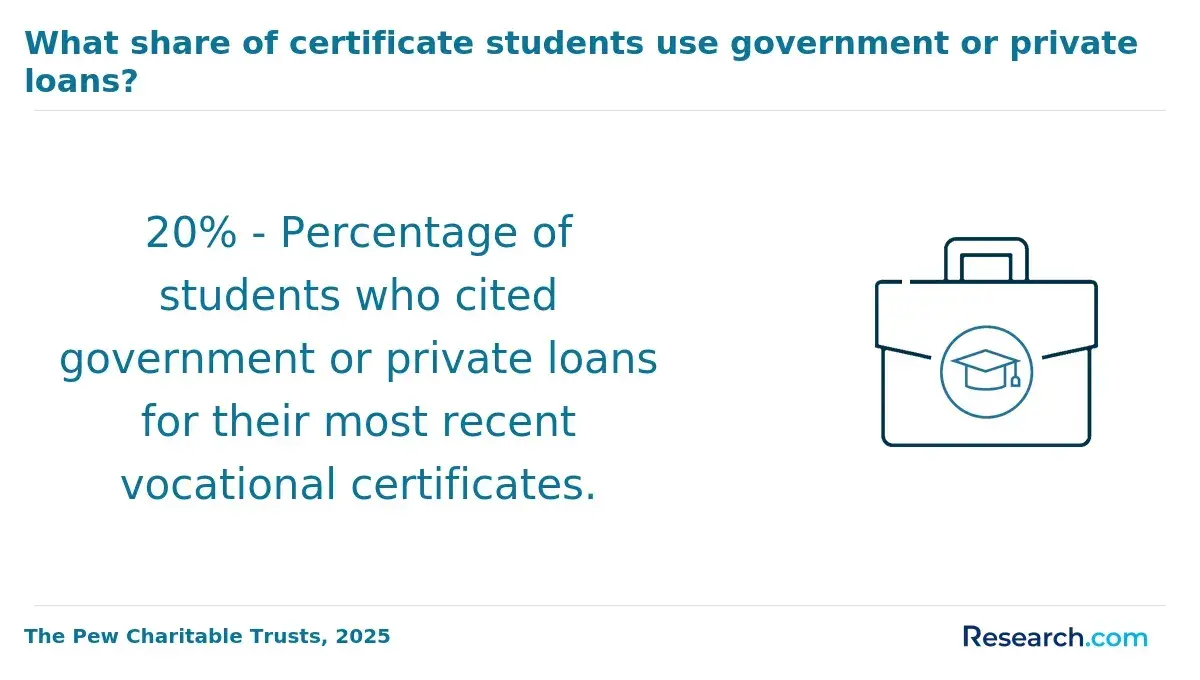
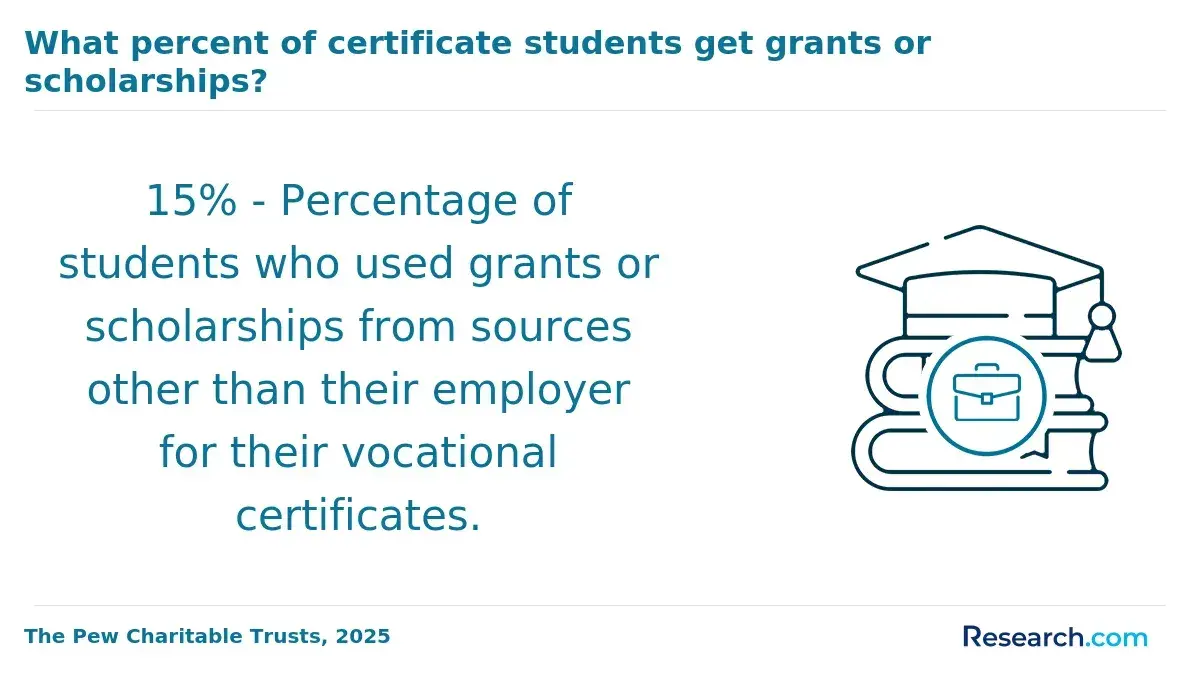
As tuition expenses for game programming programs have escalated sharply since 2020, financial aid and scholarship structures have adapted but generally lag behind this growth, creating persistent affordability gaps. Institutions have expanded institutional grants and diversified aid offerings, such as work-study opportunities linked to hands-on industry experience, to partially address rising costs.
However, these measures often fall short of fully offsetting tuition inflation, with federal aid increases not keeping pace proportionally, leading to heavier reliance on private loans or out-of-pocket spending.
Merit-based scholarships have grown, but predominantly at more selective or well-resourced institutions, limiting broader access and leaving many students-particularly at community colleges and lesser-known programs-to navigate limited financial support. The net effect is a more complex financial landscape that places disproportionate pressure on students to fund their education through multiple, often less stable, aid sources.
Key forces behind these changes include rising competition among programs to attract diverse and high-achieving cohorts, prompting an increased use of merit scholarships as recruitment tools. Simultaneously, federal and state financial aid formulas have remained relatively static or adjusted incrementally, failing to fully reflect the steep tuition hikes in game programming education.
Institutions also employ tuition discounting strategies, balancing sticker price increases with targeted grants, though this often results in opaque pricing that can mask true net costs. Additionally, greater demand for STEM-aligned credentials has spurred some funding shifts toward students pursuing technical pathways, but stringent eligibility criteria and performance requirements restrict broad-based access.
This interplay between rising tuition, inconsistent aid responsiveness, and strategic institutional discounting shapes student financial outcomes with significant variability based on program tier and institutional type.
The resultant financial aid environment impacts net pricing stability unevenly and contributes to longer-term student debt burdens, as partial aid coverage forces many to borrow more. For prospective and current game programming students, this dynamic underlines the importance of critically assessing institutional aid packages beyond headline tuition figures and understanding the likelihood of sustained eligibility for merit or need-based support.
Aid patterns also influence program choice, with some students opting for institutions with more reliable financial support even if tuition sticker prices are higher, highlighting the nuanced tradeoffs between cost, aid accessibility, and educational value. Ultimately, the expanding complexity of financial aid amid rising tuition pressures underscores ongoing challenges in making game programming education affordable and aligns closely with broader trends in higher education financing nationally.
How Does Rising Game Programming Tuition Affect Student Debt After Graduation?
Rising tuition costs for game programming degrees have led to a significant increase in student borrowing, forcing many enrollees to rely heavily on loans to finance their education. As specialized program costs outpace general inflation, students shoulder larger upfront expenses, which directly drives the growth of their overall debt at graduation.
This trend reflects how rising game programming tuition contributes to student debt in the United States, with debt amounts often surpassing those seen in broader STEM fields. The rising borrowing levels amplify the financial risks graduates face, given that early-career salaries may not sufficiently offset these expanded loan balances.
Several factors deepen the impact of tuition inflation on student debt outcomes. The widening gap between tuition prices and available financial aid limits the capacity of grant or scholarship support to buffer cost increases. Differences between public and private institution pricing further complicate borrowing amounts, while interest accumulation during multi-year programs inflates total repayment obligations.
Post-graduation income variations across game programming subfields also influence how manageable these debt loads become, with some graduates encountering tighter repayment constraints. This dynamic underscores the importance of understanding the nuances influencing the impact of increasing game programming degree costs on post-graduation loan repayment.
The resulting debt burdens often extend repayment timelines beyond standard five- to seven-year horizons, increasing financial stress and default risk. Although income-driven repayment plans and loan forgiveness options provide some relief, rising debt may deter prospective students from pursuing certain programs or prompt choices focused primarily on affordability rather than educational fit or quality.
For those assessing educational pathways, exploring what are the cheapest online colleges can be a practical step toward mitigating long-term debt exposure without sacrificing career-relevant training.
Do Higher-Cost Game Programming Programs Deliver Better Career Outcomes or Earnings?
The question of whether higher-cost game programming programs deliver better career outcomes or earnings is complex, with price alone not serving as a reliable predictor of success.
Data from the National Center for Education Statistics (NCES) in 2024 shows that while elite or private institutions with steep tuition may offer stronger alumni networks and internships, these advantages do not always lead to significantly higher starting salaries or improved long-term earnings. This illustrates that the rising tuition costs in game programming programs do not straightforwardly translate into proportionate financial returns for graduates.
Several factors beyond cost strongly influence career outcomes and earnings potential. Institutional prestige, access to hands-on projects, internship pipelines, and employer partnerships within tech hubs have considerable impact on graduates' employability. Specialization depth, geographic location, and alumni network strength often matter more than program expense in hiring decisions.
According to a 2024 industry report from the Georgetown University Center on Education and the Workforce, graduates of expensive programs see only a modest 5-10% increase in median earnings five years after graduation compared to those from lower-cost alternatives. This highlights that practical experience and portfolio quality weigh heavily in employer assessments.
For students evaluating higher tuition against career outcomes, a nuanced approach is essential. Prioritizing program quality, career support services, and real-world skill development can often yield employment prospects comparable to costly options.
Prospective learners should carefully assess return on investment within the context of regional differences in game programming tuition return on investment and consider supplementing their education with targeted professional development and portfolio enhancement.
Additionally, those interested in diverse educational pathways might explore resources like the best online spanish degree programs for veterans to understand how online options might align with personal career goals and affordability. Ultimately, cost must be weighed alongside concrete career outcomes to make informed decisions in game programming education.
What Do Current Tuition Trends Suggest About the Future Cost of a Game Programming Degree?
Recent tuition trends indicate that the cost of a game programming degree is likely to continue rising at a rate beyond general inflation due to several systemic factors. Data from the National Center for Education Statistics shows that tuition and fees at public four-year institutions have increased by an average of 3.6% annually over the last five years, outpacing the broader college expense inflation of 2.8%.
This consistent upward trajectory reflects not only historical price inflation but also the specialized nature of game programming education, which demands continuous investment in up-to-date technology and expert faculty.
Key drivers influencing future tuition include constrained public funding, which shifts more financial burden onto students, and sustained demand for professionals with cutting-edge technical skills.
Institutions are increasingly allocating resources to advanced software, specialized equipment, expanded internship opportunities, and hybrid or online delivery models, all of which contribute to operational costs. At the same time, universities are balancing these investments with the need to offer career services that meet employer expectations in the rapidly evolving gaming industry, further reinforcing tuition pressures.
These dynamics pose significant affordability challenges, especially for traditional students reliant on financial aid. Rising costs may encourage some prospective learners to prioritize flexible, non-traditional credentials or employer-sponsored training.
Given these complexities, students should critically assess tuition growth patterns against expected salary gains and employment stability when planning educational pathways, recognizing that past trends provide useful but imperfect signals of future cost trajectories in game programming degrees.
References
- What is game economy inflation? How to foresee & overcome it in your game design https://machinations.io/articles/what-is-game-economy-inflation-how-to-foresee-it-and-how-to-overcome-it-in-your-game-design
- Trends in Net College Tuition and Financial Aid, 1990–2020 | American Enterprise Institute - AEI https://www.aei.org/research-products/report/trends-in-net-college-tuition-and-financial-aid-1990-2020/
- Which factors will affect my salary at a video game job? https://www.gameindustrycareerguide.com/factors-affecting-video-game-job-salary/
- The Rookies - Global School Rankings 2024 - Game Design & Development https://www.therookies.co/schools/rankings/2024/game-design-and-development
- Game Schools Ranking | by GAMEducation https://www.gameschools.com/
- Game publishers don't understand how inflation works :: Steam Discussions https://steamcommunity.com/discussions/forum/0/5824898961056769408/
- Career Path and Salary for Video Game Designers | ComputerScience.org https://www.computerscience.org/careers/video-game-designer/career-outlook-and-salary/
- Is Game Programming a Good Career Path? Opportunities, Salary, Outlook - Champlain College https://www.champlain.edu/blog/stories/game-programming-career-path/
- Why is game development so expensive? https://omdia.tech.informa.com/blogs/2025/july/why-is-game-development-so-expensive
- Game Development Degrees: What You Need to Know https://www.ivywise.com/ivywise-knowledgebase/gaming-majors/
Other Things You Should Know About Game Programming
Higher tuition often reflects deeper specialization, newer tools, or more integrated project experiences in game programming programs. However, steeper costs don't always translate to better preparation for industry demands. Students should prioritize programs offering rigorous, hands-on coding practice and current engine exposure over those simply investing in costly facilities or marketing, ensuring the price paid aligns with gaining marketable skills rather than just brand prestige.
Longer degree programs tend to carry significantly higher tuition inflation, which can increase financial and opportunity costs without proportional improvements in job readiness. For many learners focused on immediate employability, condensed certificates with focused coding and portfolio development offer better cost-to-value tradeoffs. Prioritizing intensive, portfolio-centered learning over broader but more expensive curriculum pathways is advisable when balancing tuition inflation against timely workforce entry.
Increasing tuition pressures can push students to accelerate graduation to reduce total cost, yet many may feel compelled to take extra classes for broader exposure or to keep pace with evolving technology, unintentionally inflating debt. This tradeoff can reduce time for practical application, impair learning depth, and create stress, negatively impacting post-graduation readiness. Careful planning to avoid unnecessary extensions-focusing on core skills employers demand-helps control costs while maintaining program quality.
While some students assume higher tuition means enhanced in-person mentorship or peer collaboration, inflated costs increasingly reflect overhead rather than direct instructional value in hybrid or campus programs. Online or hybrid formats can deliver comparable coding experience if they emphasize strong project feedback and community engagement. When tuition pressures rise, evaluating how well a program's teaching model supports meaningful coding practice and network-building is critical to ensuring the price aligns with learning quality.